


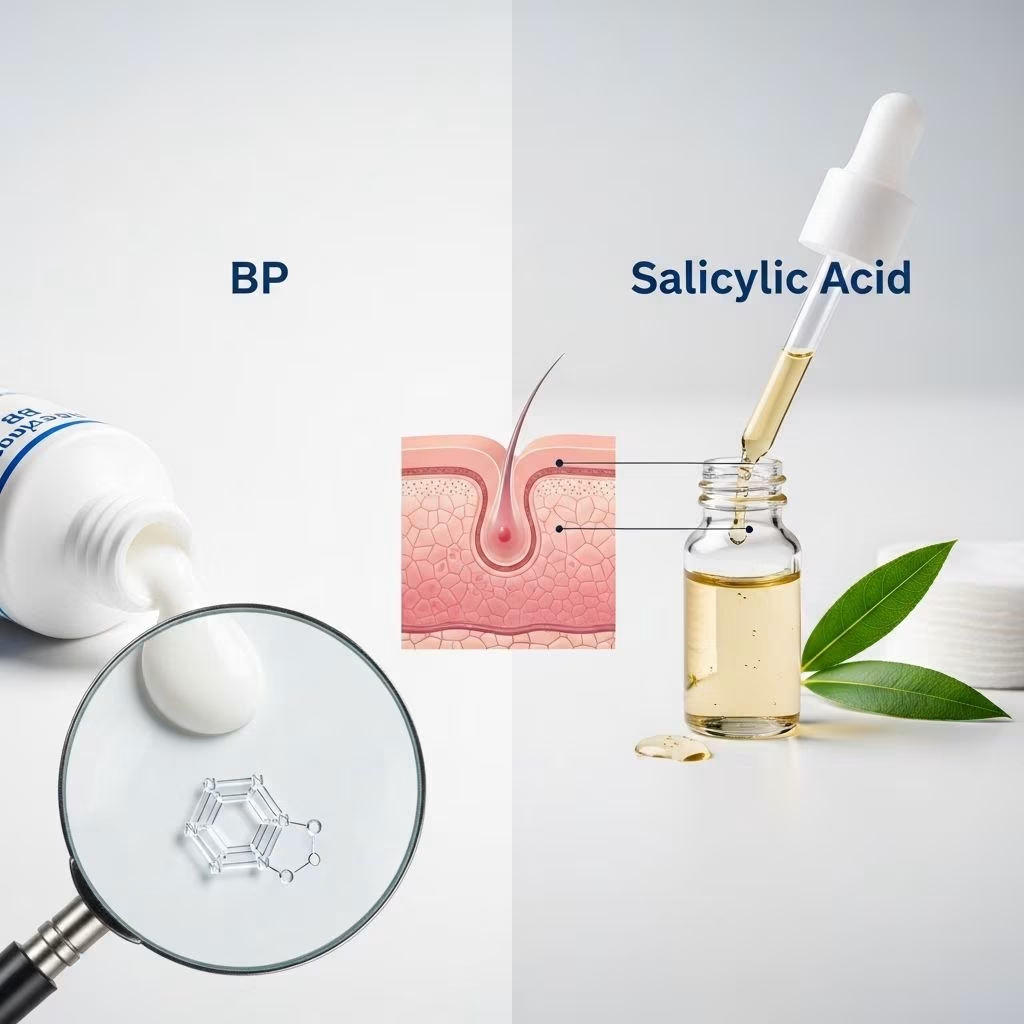
Acne treatment has advanced dramatically, leaving consumers with an array of powerful over-the-counter actives. Among the most celebrated and widely used are benzoyl peroxide (BP) and salicylic acid (SA). Each is backed by science, but they work in distinct ways and suit different skin types and concerns. How do you decide which one deserves a place in your skincare routine? This in-depth guide explores their mechanisms, key benefits, side effects, usage tips, and expert recommendations.
Understanding the Basics: Benzoyl Peroxide and Salicylic Acid
Acne is a complex skin disorder driven by multiple factors: excess sebum, abnormal skin cell shedding, pore clogging, bacterial overgrowth (notably Cutibacterium acnes, formerly P. acnes), and inflammation. Both benzoyl peroxide and salicylic acid are recognized by dermatologists globally as effective first-line topical solutions, but they serve different functions in targeting breakouts.
- Benzoyl Peroxide (BP): A topical antimicrobial and oxidizing agent, typically available in 2.5–10% strengths. It kills acne-causing bacteria, reduces inflammation, and helps clear existing blemishes.
- Salicylic Acid (SA): A beta-hydroxy acid (BHA) that is lipid-soluble, best known for its exfoliating and comedolytic (pore-unclogging) properties. Available over-the-counter in concentrations up to 2%, it is particularly effective against blackheads and whiteheads.
How They Work: Mechanisms of Action
Benzoyl Peroxide
BP is an oxidizing agent that generates free radicals in the skin when applied topically. These reactive oxygen species disrupt the cell walls of acne-causing bacteria, eliminating both the microbes and associated inflammation. Additionally, BP has mild keratolytic properties, meaning it can help shed dead skin cells from the surface to a lesser extent than SA.
- Main actions: Kills acne bacteria, lowers inflammation, slightly exfoliates surface skin.
- Targets: Inflammatory acne lesions (papules and pustules).
Salicylic Acid
As a beta-hydroxy acid, SA is especially powerful at exfoliating inside pores. Its mechanism involves dissolving the bonds (desmosomes) between dead skin cells—helping them slough off more easily, preventing the formation of comedones (clogged pores). SA is also anti-inflammatory, soothing the redness and swelling that accompany breakouts.
- Main actions: Deep pore exfoliation, comedolytic effect, reduces oil production and inflammation.
- Targets: Non-inflammatory acne (blackheads and whiteheads), mild inflammatory lesions.
Comparing the Benefits
The right ingredient for you depends on your lifestyle, skin type, acne severity, and treatment goals. Here’s a breakdown of BP and SA’s core advantages:
| Feature | Benzoyl Peroxide (BP) | Salicylic Acid (SA) |
|---|---|---|
| Antibacterial | Directly kills acne bacteria; lowers risk of resistance | No antibacterial activity, but decreases inflammation caused by bacteria |
| Keratolytic/Exfoliation | Mild | Strong; removes dead skin, unclogs pores Promotes shedding of skin cells |
| Targets | Inflammatory acne (papules, pustules) | Non-inflammatory acne (blackheads, whiteheads), and mild inflammatory lesions |
| Oil Control | Minimal | Decreases sebaceous activity Regulates oil production |
| Anti-inflammatory | Yes, indirectly via bacteria elimination | Yes, acts directly to lower redness and swelling |
| Side Effect Risk | High risk: irritation, redness, peeling | Lower but can cause dryness, irritation, sun sensitivity |
| Skin Sensitivity | May cause significant dryness, especially at high concentrations | Well tolerated for most, but causes sun sensitivity and must not be used in pregnancy |
| Availability | Available in washes, gels, creams, 2.5–10% | OTC in creams, gels, pads, usually 0.5–2% |
Potential Side Effects and Precautions
Benzoyl Peroxide
- Common: Dryness, flaking, redness, burning, irritation.
- Less common: Allergic contact dermatitis.
- Other notes: Can bleach hair and clothing. May worsen skin sensitivity if overused or combined with other harsh actives.
Salicylic Acid
- Common: Mild burning, stinging, peeling, general skin irritation.
- Photosensitivity: Increases risk of sunburn due to increased skin turnover. Daily sun protection is essential.
- Pregnancy/Allergy: Should not be used by pregnant individuals. Risk of salicylate toxicity (rare but possible in excessive or inappropriate use).
To reduce irritation from either ingredient:
- Start with the lowest effective concentration and frequency (e.g., every other day).
- Apply moisturizer after treatment to protect the skin’s barrier.
- Avoid using strong scrubs, harsh soaps, or other irritating ingredients in the same routine.
Which Ingredient for Which Skin Type?
Your choice of acne-fighting ingredient should reflect not just your acne’s appearance, but also your skin’s natural oiliness and sensitivity level.
Best for Oily, Clogged Pore-Prone Skin
- Salicylic Acid is the gold standard for oily or combination skin that’s prone to blackheads, whiteheads, and visible congestion. SA’s oil solubility lets it penetrate deep into pores to dissolve blockages and regulate excess sebum production.
Best for Red, Inflamed Breakouts
- Benzoyl Peroxide is widely favored for moderate to severe inflammatory acne, including painful pustules and papules, nodules, and cysts. Its antibacterial action is crucial for controlling C. acnes proliferation and shrinking red, infected lesions.
Best for Sensitive or Delicate Skin
- Salicylic Acid is generally better tolerated, especially in lower concentrations (0.5–1%). Most people with sensitive skin may prefer it over BP, which can be harsh and drying.
Can You Combine BP and Salicylic Acid?
Layering BP and SA is sometimes recommended for stubborn or mixed-type acne, but this requires caution:
- Synergy: The exfoliating ability of SA may help BP penetrate more effectively, offering a broad-spectrum approach.
- Risks: Combining both may significantly increase irritation, peeling, and sensitivity. Introduce new actives slowly, on alternate days or in isolated areas, and always monitor for side effects.
- Professional advice: Consult with a dermatologist for tailored combination regimens, especially if you have a history of irritation.
Application Guidelines and Best Practices
- Patch test: Always test new products on a small area before full face application.
- Cleaning: Cleanse with a gentle, non-stripping cleanser before applying BP or SA.
- Amount: Apply a thin layer of active ingredient to affected areas, avoiding delicate eye and mouth regions.
- Moisturize: After actives are absorbed, apply a lightweight, non-comedogenic moisturizer.
- Sunscreen: Both BP and SA can increase sun sensitivity—wear SPF 30 or higher daily.
- Do not overuse: More frequent or heavier application does not speed improvement and greatly increases irritation risk.
- Duration: Consistency is key. Use for at least 8–12 weeks to judge results. Many people discontinue early before the full benefit is apparent.
Frequently Asked Questions (FAQs)
Q: Can I use benzoyl peroxide and salicylic acid together?
A: Yes—but introduce them slowly, on alternate days or in different routines. Monitor your skin for dryness and irritation.
Q: How long does it take for these ingredients to show results?
A: Treatment requires patience. Most users should see improvement within 8–12 weeks of consistent use. Early discontinuation is a common barrier to success.
Q: Which ingredient is best for hormonal acne?
A: Both can help, but BP is preferred for inflamed, cystic lesions, while SA assists with clogged pores. Supplementing with retinoids or hormonal therapy may be necessary—best discussed with a professional.
Q: Are there any ingredients that should not be mixed with BP or SA?
A: Avoid using retinoids, other strong exfoliating acids, or vitamin C serums at the same time without professional advice.
Q: Can pregnant individuals use salicylic acid or benzoyl peroxide?
A: Salicylic acid is generally not recommended in pregnancy. Speak with your healthcare provider before starting any new acne treatments if you are or may become pregnant.
Summary Table: Quick Comparison
| Benzoyl Peroxide (BP) | Salicylic Acid (SA) | |
|---|---|---|
| Main Action | Kills bacteria, reduces inflammation | Unclogs pores, exfoliates, anti-inflammatory |
| Best For | Inflamed or severe acne, papules, pustules | Blackheads, whiteheads, oily skin |
| Side Effects | Dryness, redness, bleaching, irritation | Dryness, irritation, sun sensitivity |
| Key Precaution | Avoid in those with sensitive/dry skin | Avoid if pregnant; use sunscreen |
References
- PubMed: Salicylic acid treats acne vulgaris by suppressing AMPK/SREBP1 pathway in sebocytes
- Acne Support UK: Salicylic Acid
- PMC: Salicylic acid as a peeling agent: a comprehensive review
- DrugBank: Salicylic acid: Uses, Interactions, Mechanism of Action
- Patsnap Synapse: What is the mechanism of Salicylic acid?
- Wikipedia: Salicylic acid
References
- https://pubmed.ncbi.nlm.nih.gov/30972839/
- https://www.acnesupport.org.uk/treatment/salixylic-acid/
- https://pmc.ncbi.nlm.nih.gov/articles/PMC4554394/
- https://go.drugbank.com/drugs/DB00936
- https://synapse.patsnap.com/article/what-is-the-mechanism-of-salicylic-acid
- https://en.wikipedia.org/wiki/Salicylic_acid


