


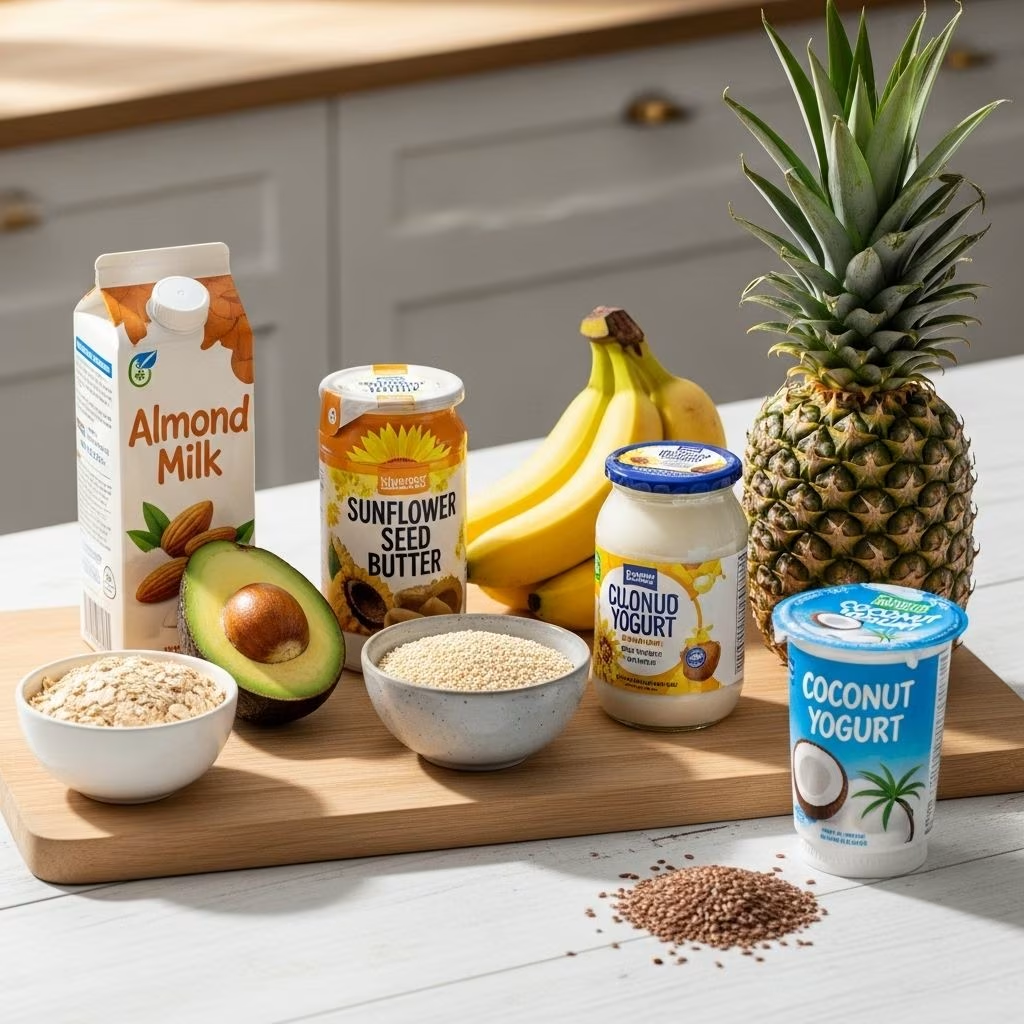
Food allergies affect millions worldwide, requiring vigilance not just in ingredient selection but also in preparing safe, satisfying meals. Identifying the best substitutions for common food allergens empowers individuals and families to enjoy variety and nutrition without compromise. This guide presents practical, science-backed alternatives for the most prevalent allergens, helping you create inclusive menus for every table.
Understanding Common Food Allergens
The U.S. FDA identifies nine major food allergens that account for the majority of serious allergic reactions:
- Milk
- Eggs
- Fish
- Shellfish
- Tree nuts
- Peanuts
- Wheat
- Soybeans
- Sesame
These allergens can appear as ingredients or as hidden traces in manufactured foods, making label reading and reliable substitution essential for safety and health.
Milk and Dairy Substitutes
Milk Alternatives
For individuals allergic to cow’s milk, the following plant-based beverages serve as excellent stand-ins. Choose enriched or fortified versions for added calcium and vitamin D.
- Soy milk (closest nutritional profile to cow’s milk, rich in protein, vitamin D, and calcium)
- Oat milk
- Almond milk (low protein, often fortified)
- Cashew milk
- Rice milk (low protein, often fortified)
- Coconut milk (drink for beverages and cereal, canned version for soups and sauces)
- Pea-based milk
- Hemp milk
Note: Some milk substitutes (especially nut-based) are not suitable for those with nut allergies. Always select unsweetened, unflavored varieties for cooking and baking.
Yogurt and Cheese Substitutes
- Yogurts made from soy, oat, coconut, almond, or cashew bases (look for calcium and vitamin D enrichment)
- Vegan cheeses derived from coconut oil, soy, and root starches (best for spreading and melting)
Soy-based yogurts are typically closest in protein content to dairy yogurt. For cheese recipes, homemade nut cheese (using soaked cashews or almonds), and commercial vegan shredded and block cheeses are increasingly available in grocery stores.
Butter Alternatives
- Milk-free or vegan margarines (choose stick versions for baking, as they contain less water)
- Coconut oil (best for baking and sautéing)
- Olive oil or avocado oil (for savory cooking and dressings)
- Soy butter (not suitable for soy-allergic individuals)
Look for brands labeled as “dairy-free” to avoid milk derivatives.
Egg Substitutes
Eggs are common in baking and as a binding agent in recipes. Fortunately, several allergen-free alternatives provide similar texture and performance.
Egg Substitutes for Baking and Binding
| Substitute | Measurement (per egg) | Best For |
|---|---|---|
| Chia seed + water | 1 tbsp chia seed + 3 tbsp water, let gel | Baked goods, muffins, pancakes |
| Flaxseed meal + water | 1 tbsp ground flaxseed + 3 tbsp water, let gel | Muffins, quick breads, cookies |
| Aquafaba (chickpea brine) | 3 tbsp aquafaba | Meringues, macarons, muffins |
| Unsweetened applesauce | 1/4 cup | Brownies, cakes, sweet recipes |
| Mashed banana | 1/4 cup | Baking (adds slight flavor) |
| Commercial egg replacer | As per package directions | Baked goods, pancakes, waffles |
| Baking soda + vinegar | 1 tsp baking soda + 1 tbsp vinegar | Light, fluffy cakes |
Pumpkin, sweet potato puree, and silken tofu can also be used, especially in savory recipes like breads or burgers.
Peanut and Tree Nut Substitutes
Peanut Butter Alternatives
- Sunflower seed butter (nutty flavor, allergen-friendly)
- Soy butter (not for those with soy allergies)
- Tahini (sesame paste; avoid if allergic to sesame)
- Pea butter (made from yellow peas), available in some markets
Only use other tree nut butters (almond, cashew, etc.) if the individual does not have a tree nut allergy. Always check that the manufacturing process is free from cross-contamination with peanuts and other nuts.
Tree Nut Substitutes
- Sunflower seeds
- Pumpkin seeds (pepitas)
- Roasted soy nuts (not for soy-allergic individuals)
- Toasted oats or granola (as toppings)
- Bread crumbs, pretzel crumbs, or panko (for crunch in recipes)
For nut-free baking, sunflower and pumpkin seeds can replace nuts in cookies, granolas, and snack bars.
Wheat and Gluten Substitutes
Wheat is a major allergen and the primary source of gluten. For those with wheat allergies or celiac disease, there is now a diverse array of gluten-free flour and grain options.
Flour and Grain Alternatives
- Rice (white, brown, wild)
- Quinoa
- Tapioca
- Corn/maize
- Millet
- Teff
- Buckwheat (gluten-free despite the name)
- Sorghum
- Amaranth
- Gluten-free flour blends (combining several of the above)
Oats are naturally gluten-free, but cross-contamination is common—select certified gluten-free oats for safety. Different blends or individual flours may be better for certain recipes (pancakes, breads, or pastries); xanthan gum or guar gum is sometimes added to replicate elasticity in baked goods.
Soy Substitutes
Soybeans, while not essential in all cuisines, appear in many processed products, from breads and baked goods to sauces and protein bars. Those with soy allergy can use these substitutions:
- Other legumes (lentils, chickpeas, kidney beans, black beans) for protein and texture in meals
- Coconut, almond, rice, oat, hemp, or pea-based beverages for soy milk
- Homemade or commercial soy sauce alternatives (e.g., coconut aminos, or homemade blends with beef bouillon, vinegar, and molasses)
- Unsweetened nut or seed butters for spreads
Check processed foods for hidden soy (e.g., lecithin, hydrolyzed soy protein), and opt for fresh, whole foods or soy-free products.
Fish and Shellfish Substitutes
Seafood allergies are especially common in adults. To replicate texture and nutrition of fish and shellfish:
- For fish: Use hearts of palm, jackfruit, marinated tofu (if not soy allergic), or white beans (in chowders or seafood salads). Seaweed can impart a “sea” flavor in vegan fish alternatives.
- For shellfish: Mushrooms, artichoke hearts, chickpeas, or smoked paprika in seafood-inspired dishes such as “crab” cakes or vegan paella.
- Cooked oyster mushrooms or king oyster mushroom stems for a “scallop-like” texture.
- Plant-based deli slices and fishless filets (commercial vegan brands).
Always check the ingredient lists, as some plant-based products may include soy, wheat, or other allergens.
Sesame Substitutes
Sesame is now recognized as a major allergen in some countries. For spreads, garnishes, and flavor:
- Sunflower seed butter (in place of tahini)
- Pumpkin seed butter (for dip or baking)
- Roasted sunflower or pumpkin seeds (for crunch in salads or atop breads)
- Olive tapenade or puréed white beans (for dips)
- Toasted oats (for a seed topping texture)
Be cautious of cross-contact with sesame products in bakeries and restaurants.
Summary Table: Allergen Substitutions
| Allergen | Common Uses | Substitutes |
|---|---|---|
| Milk | Beverages, baking, sauces | Soy, oat, almond, rice, coconut, pea, hemp milks |
| Egg | Baking, binding, emulsifying | Flax/chia “egg”, aquafaba, applesauce, banana, commercial replacers |
| Peanuts | Snacks, spreads | Sunflower seed butter, soy butter, pea butter |
| Tree Nuts | Baked goods, sauces, snacks | Sunflower seeds, pumpkin seeds, toasted oats |
| Wheat | Flour, pasta, bread | Rice, quinoa, corn, millet, buckwheat, gluten-free blends |
| Soy | Milk, tofu, sauces | Other legumes, coconut or rice milk, coconut aminos |
| Fish/Shellfish | Entrées, soups | Jackfruit, mushrooms, hearts of palm, legumes |
| Sesame | Spreads, toppings | Sunflower/pumpkin seed butter, white bean purée |
Tips on Safe Substitution and Label Reading
- Always review ingredient labels for potential allergens, especially when using new or processed substitutes.
- Contact manufacturers about potential cross-contamination.
- When introducing a new substitute, start with a small amount to test for tolerance.
- When cooking for others, always check their specific allergies—do not assume one substitute is safe for everyone.
- When baking gluten- and egg-free, use tried-and-tested recipes for the best texture and rise.
Frequently Asked Questions (FAQs)
Q: Are all plant-based “milk” drinks nutritionally equivalent to cow’s milk?
No. Only soy milk comes close in protein and micronutrient content (when fortified). Others may be low in protein or fat. Always select versions fortified with calcium and vitamin D when avoiding dairy.
Q: What is aquafaba, and how is it used?
Aquafaba is the liquid from cooked or canned chickpeas. Three tablespoons can substitute for one egg in baking and even make meringues when whipped.
Q: Can I use almond milk if I have a nut allergy?
No. Nut-based milks (almond, cashew, etc.) should be avoided by those with tree nut allergies. Use oat, rice, or soy milk if these are safe for you.
Q: Which seed butter is most similar to peanut butter in taste and use?
Sunflower seed butter is the most popular peanut butter alternative in terms of taste and texture, suitable for spreads and baking.
Q: How do I make gluten-free baked goods that aren’t dry?
Use a blend of gluten-free flours with added moisture (such as pumpkin or applesauce), and include gums or psyllium husk to help mimic wheat’s elasticity. Experiment with recipes specifically formulated for gluten-free baking.
Q: Are coconut- and soy-based yogurts available without added sugars?
Yes, look for unsweetened varieties for better control over flavor and nutritional content.
Q: Where can I find allergen-safe recipes?
Nonprofit organizations like Food Allergy Research & Education (foodallergy.org) and Food Allergy Canada offer extensive recipe libraries and food safety tips.
Conclusion
Cooking and eating with food allergies requires both knowledge and creativity. With credible, carefully-selected substitutes, you can enjoy a varied, delicious, and nutritious diet while minimizing risk. Always check labels, choose fortified products when possible, and consult healthcare professionals for individual needs. Taste, texture, and nutrition are all possible with the right substitutions—knowledge is your best kitchen tool.
References
- https://www.foodallergy.org/resources/substitutions-common-allergens-pdf
- https://foodallergycanada.ca/wp-content/uploads/Food-allergen-substitution-chart_Linda-Kirste-RD.pdf
- https://www.iowaclinic.com/specialties/allergy-immunology/allergy/what-to-eat-and-what-to-avoid-when-you-have-a-food-allergy/
- https://www.unileverfoodsolutions.us/chef-inspiration/allergen-101/allergen-substitutions.html
- https://www.foodallergy.org/living-food-allergies/food-allergy-essentials/common-allergens/substitutions
- https://dhhs.ne.gov/MCAH/MI-OtherFoodAllergens-Graph.pdf
- https://www.fda.gov/food/nutrition-food-labeling-and-critical-foods/food-allergies
- https://minniesfoodpantry.org/wp-content/uploads/2020/09/Food-Allergy-Chart.pdf
- https://www.albertahealthservices.ca/assets/info/nutrition/if-nfs-common-allergen-elimination-diet.pdf


