


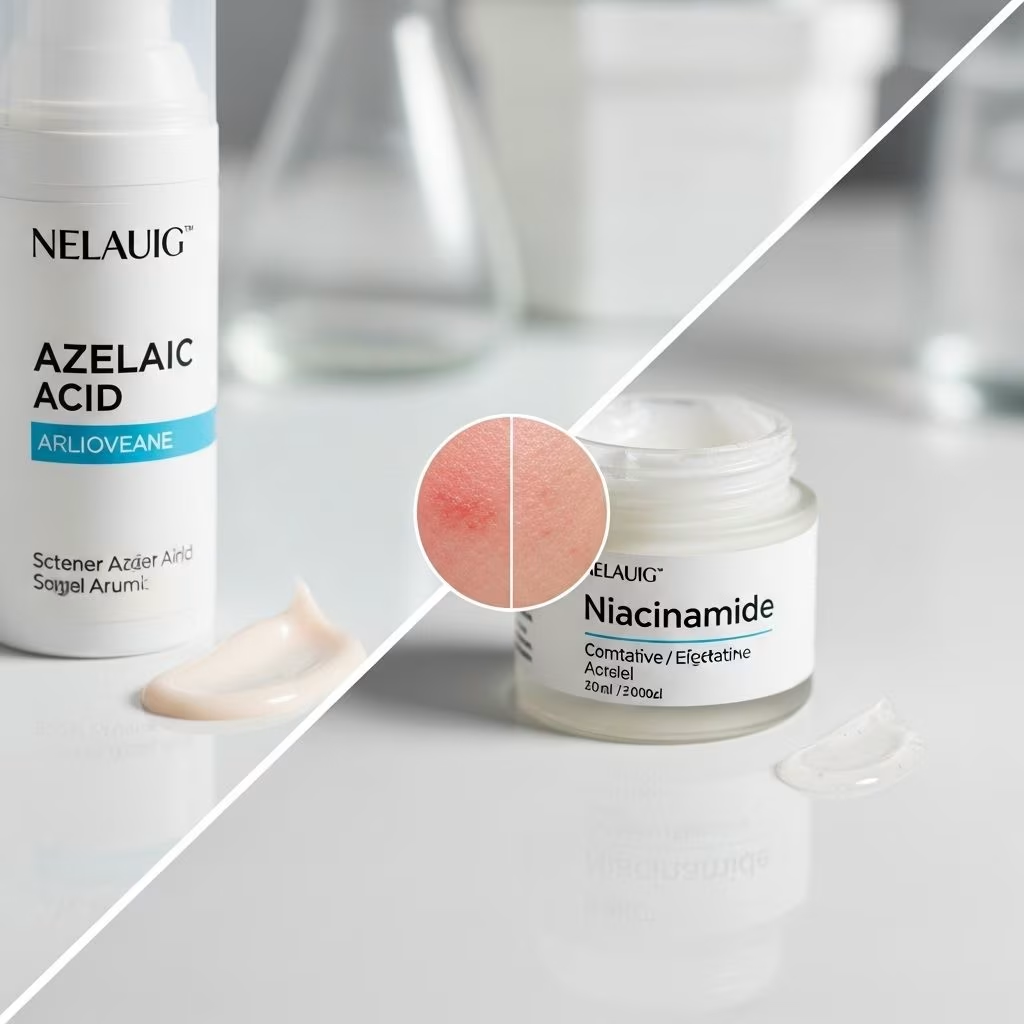
Azelaic acid and niacinamide are two of the most celebrated ingredients in modern skincare, each praised for their ability to address acne, redness, hyperpigmentation, and more. But which is the best choice for clearer, calmer skin, or should you use them together? This comprehensive guide explores the mechanisms, benefits, differences, evidence, and practical considerations to help you achieve optimal skin health.
Introduction
Managing acne and redness can be challenging, especially for those with sensitive or reactive skin. Prescription and over-the-counter treatments abound, but two ingredients—azelaic acid and niacinamide—stand out for their multi-targeted action and high tolerability. Dermatologists frequently recommend both to treat not only acne and rosacea but also hyperpigmentation, oiliness, and signs of aging. This article provides an in-depth comparison so you can make smart, evidence-based choices for your skincare routine.
Azelaic Acid and Niacinamide: Ingredient Overview
What Is Azelaic Acid?
Azelaic acid is a naturally occurring dicarboxylic acid found in grains like wheat, rye, and barley. Topically, it functions as a gentle exfoliant, antibacterial, and anti-inflammatory agent. It is commonly available in concentrations ranging from 10% (over-the-counter) to 20% (prescription) and is most often found in creams or gels.
- Main uses: Acne, rosacea, post-inflammatory hyperpigmentation, melasma
- Texture: Cream or gel
- Exfoliation: Mild (keratolytic)
- Irritation potential: Low to moderate
What Is Niacinamide?
Niacinamide, also known as nicotinamide, is a form of vitamin B3 essential for cell health and metabolic processes. As a skincare ingredient, it strengthens the skin’s barrier, regulates sebum (oil) production, and diminishes signs of inflammation and discoloration. Products typically contain niacinamide in concentrations of 2% to 12%, most commonly as lightweight serums or lotions.
- Main uses: Oil regulation, brightening, redness reduction, supporting the skin barrier
- Texture: Lightweight serum or lotion
- Exfoliation: None
- Irritation potential: Very low
How Do Azelaic Acid and Niacinamide Work?
Azelaic Acid Mechanisms
- Antibacterial: Inhibits growth of Propionibacterium acnes, the main acne-causing bacteria
- Keratolytic: Gently exfoliates by accelerating cell turnover, unclogs pores
- Anti-inflammatory: Reduces redness, swelling, and irritation, especially in rosacea
- Tyrosinase inhibition: Suppresses melanin production to fade pigment
Niacinamide Mechanisms
- Anti-inflammatory: Calms irritation and reduces redness
- Sebum regulation: Decreases oil production for fewer breakouts
- Skin barrier support: Promotes ceramide synthesis, increases hydration
- Antioxidant properties: Protects against environmental stress
- Inhibits melanin transfer: Prevents new discoloration from forming
Benefits Comparison Table
| Benefit | Azelaic Acid | Niacinamide |
|---|---|---|
| Acne Control | Strong antibacterial, unclogs pores, treats PIH | Decreases oil production, anti-inflammatory |
| Redness Reduction | Reduces swelling and irritation, treats rosacea | Calms general redness, soothes skin |
| Hyperpigmentation | Fades spots by increasing cell turnover | Prevents new spots by reducing melanin transfer |
| Texture Improvement | Smooths bumps and roughness | Minimizes pores, evens tone |
| Barrier Repair | Mild effect | Strengthens and supports moisture barrier |
| Suitability for Sensitive Skin | Good (but can cause mild irritation) | Excellent (extremely well-tolerated) |
Acne: Effectiveness and Evidence
Azelaic acid is recognized as a potent, multi-functional acne treatment, especially for those with sensitive or redness-prone skin. Clinical studies demonstrate its ability to:
- Kill acne-causing bacteria (Propionibacterium acnes)
- Clear clogged pores with gentle exfoliation and reducing keratin buildup
- Treat hormonal and inflammatory acne
- Lighten post-inflammatory hyperpigmentation (acne marks)
Research shows that azelaic acid is effective in reducing both inflammatory and non-inflammatory acne lesions and can be considered an excellent alternative to benzoyl peroxide or even topical antibiotics for sensitive skin types .
Niacinamide is also beneficial for acne management, although it’s often considered a strong support ingredient rather than a primary acne fighter . Its main actions include:
- Decreasing oil production to help prevent breakouts
- Soothing skin and reducing inflammation, which can lower acne severity
- Supporting healing and reducing risk of new breakouts
For mild to moderate acne, niacinamide is generally well-tolerated and a good choice for those with dry or sensitive skin .
Redness Reduction and Rosacea
Azelaic acid is particularly noted for its ability to treat redness, swelling, and visible blood vessels, making it a leading treatment for rosacea and redness-prone skin . Its anti-inflammatory and vasoconstrictive effects can visibly calm flushed or reactive skin, with benefits for:
- Rosacea (persistent facial redness and bumps)
- Post-acne redness and sensitivity
Niacinamide significantly reduces general redness and irritation, thanks to its barrier-repairing and calming properties. It is suitable for skin that is dry, dehydrated, or inflamed .
For maximum redness reduction: Azelaic acid provides targeted anti-inflammatory relief, especially for rosacea and severe redness, while niacinamide acts as an excellent calming backup.
Tackling Hyperpigmentation
Both azelaic acid and niacinamide have shown efficacy for hyperpigmentation, but they work by different mechanisms :
- Azelaic acid increases cell turnover and inhibits tyrosinase (an enzyme needed for melanin production), helping fade existing dark spots, post-acne marks (PIH), and melasma.
- Niacinamide impedes the transfer of melanin to skin cells, which prevents new spots and brightens skin tone overall.
For existing stubborn pigmentation (such as melasma and old acne scars), azelaic acid may have the edge. For prevention and overall brightness, niacinamide excels. Combining both can provide complementary results .
Which Is Better for Sensitive and Dry Skin?
Niacinamide is renowned for its excellent tolerability, even on highly sensitive, reactive, or dry skin types. It strengthens the skin barrier, boosts moisture retention, and causes very little irritation, making it the go-to choice for those prone to dryness or flaking .
Azelaic acid is still gentle by exfoliant standards but, especially in higher concentrations, may cause mild stinging or tingling in those with very sensitive skin. It is, however, much less irritating than stronger acids (like glycolic or salicylic acid) and is well tolerated by most .
Can You Use Azelaic Acid and Niacinamide Together?
Yes—and dermatologists often recommend it. When paired, these ingredients offer a stacked approach to improving skin health. According to leading sources :
- Each targets a different mechanism (inflammation, oiliness, pigmentation, bacteria)
- They rarely cause irritation when used together
- Both are water-based and pH compatible, minimizing risk of neutralization or adverse interaction
Examples of combined use include modern blemish treatments that feature both in one product, or layering serums and creams in the same routine .
Layering and Application Tips
- Apply based on texture: Use lighter (serum-type) products first, followed by creams or gels.
- Frequency: Both ingredients can usually be used morning and evening. For extra-sensitive skin, niacinamide serums may go first, with azelaic acid cream applied as a spot treatment wherever needed.
- Always follow with sunscreen if used during the day, as both ingredients can make skin more susceptible to sun damage.
- Check for other active ingredients (like retinoids or AHAs/BHAs) to avoid over-exfoliation or mix and match with caution.
Potential Side Effects and Safety
- Niacinamide: Very well tolerated. Occasional mild flushing or tingling, especially at concentrations above 10–12%.
- Azelaic acid: Rarely causes irritation, but some may experience a temporary tingling or stinging sensation at first use or at higher concentrations.
- Both are generally suitable for all skin types; patch-testing is advised for new products.
How to Choose: Azelaic Acid vs. Niacinamide
- Acne-prone, inflamed, or redness-prone skin: Favor azelaic acid for its comprehensive acne-clearing and redness-reducing effects; niacinamide as strong support and for barrier protection.
- Dry, sensitive, or easily irritated skin: Niacinamide is the gentler, more hydrating option.
- Stubborn hyperpigmentation: Combine both for best brightening and pigment-fading outcomes.
- Oily skin with visible pores: Niacinamide excels at oil and pore control.
Ultimately, ingredient choice depends on your unique skin profile, past product successes, and skin issues you’d like to address most powerfully.
Frequently Asked Questions (FAQs)
Q: Can I use azelaic acid and niacinamide in the same routine?
A: Yes, these two ingredients are compatible, non-irritating, and often more effective when used together for concerns like acne, redness, and pigmentation.
Q: Which is better for sensitive skin?
A: Niacinamide is generally preferred for extremely sensitive skin due to its unrivaled gentleness, but low-strength azelaic acid is also safe for most.
Q: Does either ingredient help with blackheads or congested pores?
A: Azelaic acid helps keep pores clear with gentle exfoliation, while niacinamide shrinks pores by regulating oil production.
Q: How long does it take to see results?
A: Noticeable improvement usually emerges in 2–4 weeks, with optimal results after consistent use for 8–12 weeks.
Q: Who should avoid these ingredients?
A: Both ingredients are safe for most skin types. Those with rare allergies or hypersensitivity may need to avoid or patch-test new formulations.
Conclusion
Both azelaic acid and niacinamide are well-established, evidence-backed options for treating acne, reducing redness, brightening skin, and evening out skin tone. Azelaic acid leads for persistent acne, rosacea, and stubborn dark spots, while niacinamide shines for calming, hydrating, and strengthening all skin types—especially the sensitive. Using them together offers a smart, synergistic solution for anyone pursuing truly vibrant, clear, and healthy skin.
References
- https://www.clinikally.com/blogs/news/azelaic-acid-vs-niacinamide-the-ultimate-face-off-for-your-best-skin-yet
- https://foundationskincare.com/blogs/articles/niacinamide-lotion-vs-azelaic-acid-cream-benefits-and-which-is-right-for-you
- https://kbeauty.sale/blogs/kbeauty-blog/anua-niacinamide-vs-azelaic-what-s-best-for-you
- https://www.thepinkfoundry.com/blogs/news/azelaic-acid-and-niacinamide
- https://pubmed.ncbi.nlm.nih.gov/38725769/
- https://skinsort.com/compare/axis-y-spot-the-difference-blemish-treatment-vs-cos-de-baha-azelaic-acid-10-serum-with-niacinamide


