


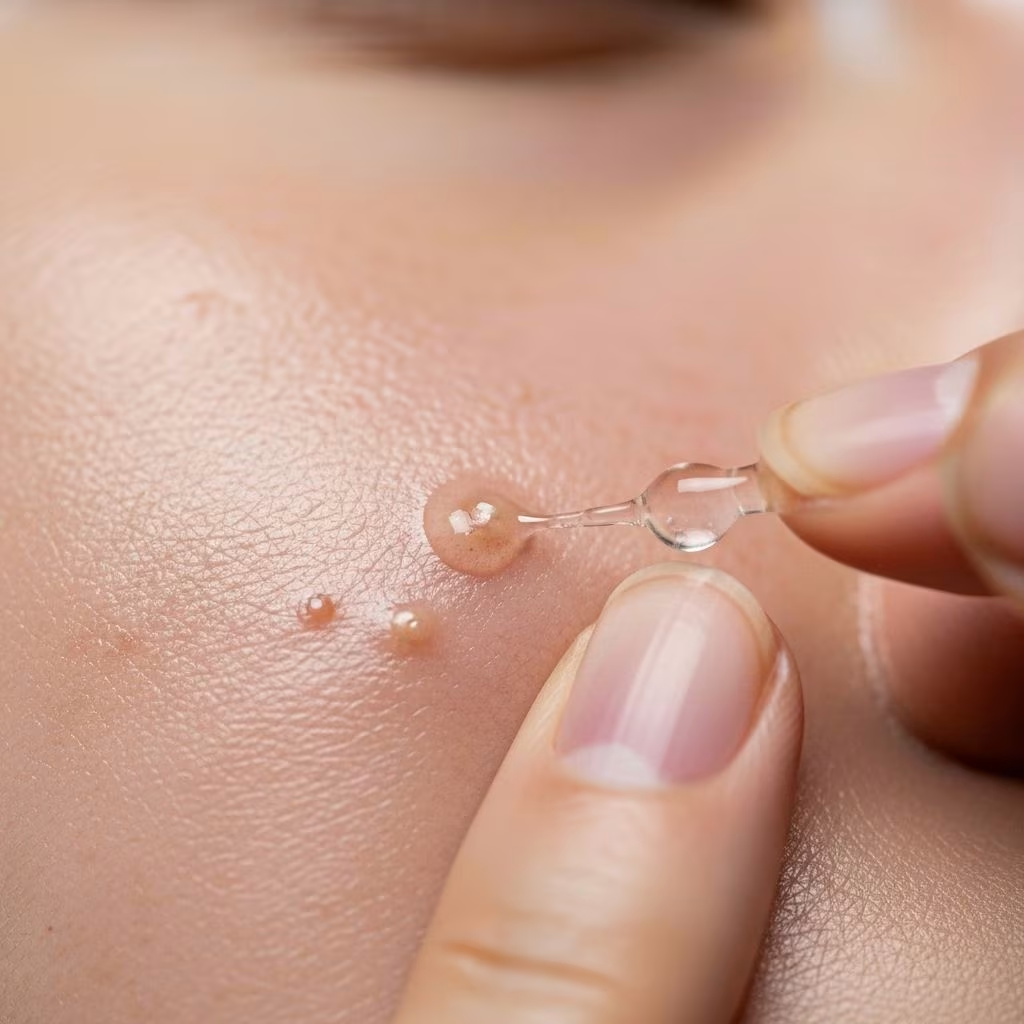
Fungal acne, medically known as Malassezia folliculitis or Pityrosporum folliculitis, is a common, often misunderstood skin condition. Unlike regular acne, which is primarily caused by bacterial infection and excess oil, fungal acne is triggered by an overgrowth of yeast within the hair follicles. Spot treatments play a crucial role in managing and rapidly clearing these persistent lesions. This comprehensive guide covers diagnostic pointers, targeted therapies, best practices, and frequently asked questions, to help anyone battling fungal acne achieve lasting skin health.
What is Fungal Acne?
Fungal acne refers to skin eruptions caused by the proliferation of Malassezia yeast in hair follicles. Though not technically true acne, these itchy, uniform, red bumps or pustules often resemble acne vulgaris, making accurate diagnosis critical for effective treatment.
How Fungal Acne Differs from Regular Acne
Understanding the distinctions between fungal and bacterial (regular) acne is essential for choosing the right spot treatment:
- Cause: Fungal acne is due to yeast overgrowth; regular acne is due to bacterial infection (often Cutibacterium acnes) and clogged pores.
- Appearance: Fungal acne lesions are typically small, uniform, itchy bumps, commonly appearing on the chest, back, and forehead.
- Treatment: Bacterial acne responds to antibacterial or retinoid treatments, while fungal acne requires antifungal therapy.
- Triggers: Warmth, humidity, occlusive clothing, and use of oily products or antibiotics often worsen fungal acne.
Diagnosing Fungal Acne
Accurate diagnosis is the first step for successful spot treatment of fungal acne:
- Clinical Evaluation: Dermatologists assess the distribution, type, and characteristics (itchiness, uniformity) of lesions.
- Microscopic Examination: Skin scale scrapings may be analyzed to confirm Malassezia presence.
- Culture Testing: When necessary, cultures can distinguish yeast from bacteria or other pathogens.
- Rule Out: Non-responsive cases to traditional acne treatments often prompt consideration of fungal acne.
Key Principles in Spot Treating Fungal Acne
- Target the yeast directly – antibacterial agents and regular acne spot treatments generally are ineffective.
- Minimize use of comedogenic and oily products – these can worsen the condition.
- Combine topical and systemic treatments for severe, persistent, or widespread cases.
Topical Antifungal Treatments
These are the mainstays for spot-treating mild to moderate fungal acne:
- Antifungal Creams and Ointments
- Ketoconazole 2% cream: Highly effective, applied 1-2 times daily to affected spots.
- Clotrimazole 1% cream: Over-the-counter, frequently used for spot treatment.
- Miconazole: Another effective azole family antifungal.
- Application tip: Apply only to affected areas; avoid thick, occlusive application.
- Antifungal Lotions and Gels
- Formulations with the same active ingredients are available in lighter, non-oily bases for those prone to breakouts.
- Non-Prescription Topical Solutions
- Products containing selenium sulfide and zinc pyrithione (found in many antidandruff shampoos) may be used as short-contact therapies or leave-on treatments.
For optimal results, continue spot treatment for several weeks after symptoms improve to reduce recurrence risk. Mild burning or dryness may occur; reduce frequency if irritation develops.
Oral Antifungal Medications
Prescription-only oral medications are used for more severe, stubborn, or widespread cases, or when topical spot treatments are ineffective:
- Fluconazole – Most commonly prescribed systemic option for rapid and broad clearance.
- Itraconazole – Alternative when fluconazole is insufficient or not tolerated.
Oral antifungal therapy is usually limited in duration due to possible side effects (gastrointestinal distress, liver function alterations). Only use under a dermatologist’s supervision.
Antifungal Washes & Shampoos
Specialty cleansers can be particularly helpful as adjuncts for spot treatment and prevention, especially in areas with hair follicles (scalp, shoulders, chest):
- Selenium sulfide 1–2.5% shampoos: Used as a topical wash, left on affected skin for several minutes, then rinsed off.
- Zinc pyrithione shampoos: Antifungal and anti-inflammatory actions.
- Ketoconazole 2% shampoo: Dual use as a scalp and body wash, highly effective for Malassezia.
Directions: Apply a thin layer over affected skin, allow 5–10 minutes of contact, rinse. Repeat 3–4 times per week or as directed.
Home Care and Supportive Treatments
Home practices can reinforce the effect of spot treatments and reduce recurrence:
- Keep skin clean and dry: Fungi thrive in moist environments.
- Avoid excessive heat and sweating where possible; quickly shower after physical activity.
- Wear loose, breathable clothing to minimize heat and friction.
- Avoid comedogenic or oily skincare products (e.g., heavy sunscreens, silicone-based makeup additives).
- Shower regularly and change clothing promptly after exercise.
- Minimize scratching or touching affected areas to prevent further irritation and secondary infection.
Dietary adjustments, such as reducing sugar and alcohol intake, may be recommended for some individuals but have limited direct evidence for efficacy.
Post-Acne Care: Treating Hyperpigmentation
Once the acute fungal infection resolves, post-inflammatory hyperpigmentation (dark spots) may persist. Strategies to fade discoloration include:
- Chemical peels (e.g., GTZ peel) performed by dermatologists to accelerate skin turnover.
- Topical brightening agents such as niacinamide, azelaic acid, or gentle alpha hydroxy acids (AHAs).
- Diligent sun protection using mineral-based SPF to reduce risk of worsening pigmentation.
Initiate any new treatment for hyperpigmentation only after the active infection has fully cleared, to prevent irritation and further damage.
Prevention and Long-Term Strategies
- Continue intermittent use of antifungal shampoos or washes on high-risk areas if recurrences are common.
- Strictly adhere to non-comedogenic, low-residue skincare routines.
- Promptly address relapses with proven spot treatments; consult a dermatologist for persistent/recurrent outbreaks.
- Consider long-term, low-dose antifungal medication for resistant, recurrent cases—but only under medical guidance.
FAQs: Frequently Asked Questions
Q: Can I use regular acne spot treatments for fungal acne?
A: No, antibacterial agents and traditional benzoyl peroxide or retinoid spot treatments are generally ineffective. Only topical antifungals or antifungal cleansers specifically target the yeast responsible for fungal acne.
Q: How long does it take to see improvement with spot treatments?
A: Many individuals see improvement within a week of consistent topical antifungal applications, but treatment should continue for at least 2–4 weeks after improvement to prevent relapse.
Q: Should I use both topical and oral antifungals?
A: For mild cases, topical treatments are often sufficient. More severe or widespread lesions may require short-term oral antifungals, as determined by a healthcare provider.
Q: Is fungal acne contagious?
A: Fungal acne is not generally considered contagious between individuals. However, shared environments that increase heat, humidity, and sweating can promote flare-ups in susceptible people.
Q: How can I prevent recurrence?
A: Maintain good hygiene, avoid heavy and oily skin products, use antifungal washes on high-risk areas, shower promptly after sweating, and see a dermatologist for persistent problems.
Q: Are there risks with long-term antifungal use?
A: Oral antifungals can interact with other medications and, rarely, cause liver dysfunction with prolonged use. Only use long-term antifungals with regular medical supervision.
Key Takeaways
- Fungal acne requires targeted antifungal therapies; traditional acne spot treatments are ineffective.
- Topical agents (ketoconazole, clotrimazole) are first-line for mild to moderate outbreaks.
- Oral medications (fluconazole, itraconazole) may be needed for severe or stubborn cases — always with medical guidance.
- Adjunct hygiene and avoidance of heavy, oily products lessen recurrence risk and speed recovery.
- Treat post-acne hyperpigmentation gently after resolving the infection, using sun protection and dermatologist-recommended topicals.
Consult a board-certified dermatologist for diagnosis and a tailored fungal acne treatment regimen; self-treatment without accurate identification may cause prolonged symptoms and frustration. With evidence-based spot treatments and preventive care, most people can achieve clear, healthy skin once again.
References
- https://www.london-dermatology-centre.co.uk/blog/fungal-acne-vs-regular-acne/
- https://dermgroup.org/fungal-acne-explained-a-deep-dive-into-causes-and-treatment-modalities/
- https://edermgroup.com/dermatology-blog/fungal-acne-vs-hormonal-acne-understanding-the-difference-and-treatment-options
- https://www.aurorahealthcare.org/services/dermatology/acne/fungal-acne
- https://pmc.ncbi.nlm.nih.gov/articles/PMC3970831/
- https://www.webmd.com/skin-problems-and-treatments/acne/what-is-fungal_acne
- https://my.clevelandclinic.org/health/diseases/24341-fungal-acne
- https://drdavinlim.com/fungal-acne/


