


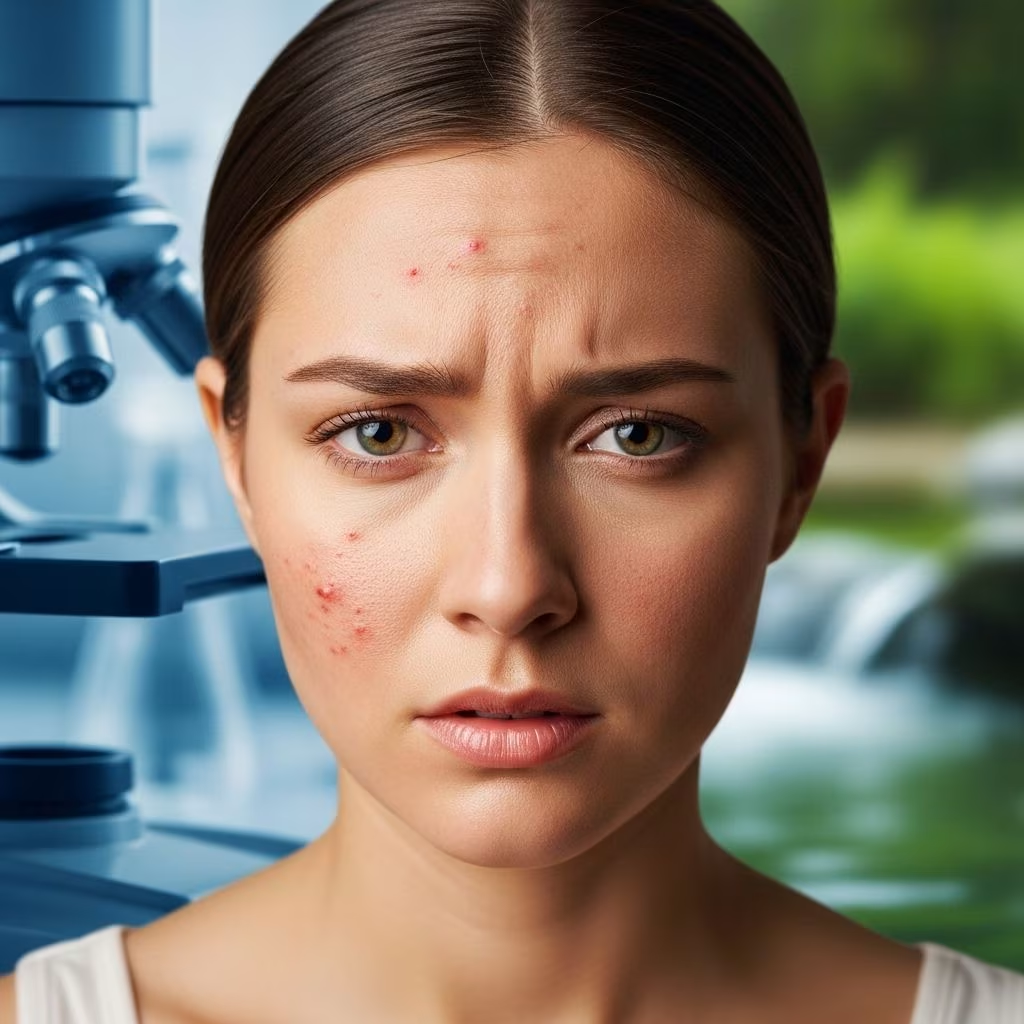
Stress & Acne: The Cortisol Link and How to Manage Breakouts
Stress is a well-known antagonist in modern life, affecting mental, physical, and dermatological health. Among its many adverse impacts, one of the most visible is its role in triggering and aggravating acne breakouts. At the center of this relationship is cortisol, the body’s primary stress hormone, which directly impacts skin physiology and immune responses. This article thoroughly explores the scientific connection between stress, cortisol, and acne, and provides evidence-based strategies for managing and preventing stress-induced breakouts.
Overview: Stress, Cortisol, and Acne
Acne, medically referred to as acne vulgaris, is one of the most common dermatological conditions worldwide, affecting over 85% of adolescents and a significant number of adults as well. Acne’s pathogenesis is multifactorial, with hormones, genetics, environmental factors, and psychological stress playing critical roles. Stress, particularly chronic stress, is increasingly recognized as a major trigger for acne flare-ups and persistent breakouts.
Biological Mechanisms: How Stress Influences Acne
When the body encounters stress—whether emotional, psychological, or physical—the hypothalamic-pituitary-adrenal (HPA) axis is activated, resulting in a cascade of hormonal changes, most notably the release of cortisol. This hormone directly affects skin health through several mechanisms:
- Increase in Sebum Production: Stress hormones stimulate sebaceous glands, increasing oil production that clogs pores and fosters acne development.
- Inflammation: Stress can promote systemic and local inflammation, worsening pre-existing skin conditions like acne, eczema, or psoriasis.
- Weakened Skin Barrier: Chronic stress impairs the skin’s barrier, leaving it more vulnerable to irritants, bacteria, and environmental aggressors.
- Slowed Skin Repair: Stress slows healing, meaning skin injuries, breakouts, or irritations persist longer than usual.
- Altered Microbiome: Stress hormones may reduce skin’s antimicrobial defenses, allowing bacterial overgrowth (notably Cutibacterium acnes).
Cortisol: The Stress Hormone’s Direct Impact
Cortisol is widely recognized as the master stress hormone, released in response to challenges by the HPA axis. In small bursts, it helps the body cope with acute stressors, but persistent elevation introduces several problems for skin health:
- Triggers oil (sebum) production: Elevated cortisol activates sebaceous glands, increasing oiliness and promoting clogged pores.
- Promotes inflammation: Heightened cortisol fosters inflammatory cascades, contributing to redness, swelling, and worsening acne lesions.
- Impairs barrier recovery: Chronic cortisol exposure slows skin regeneration and delays healing, leading to longer-lasting marks and blemishes.
| Effect | Description |
|---|---|
| Increased Oil Production | Stimulates sebaceous glands, leading to clogged pores and acne. |
| Inflammation | Triggers release of inflammatory mediators, intensifying skin redness and swelling. |
| Delayed Repair | Slows healing and recovery from skin injuries and active lesions. |
| Barrier Dysfunction | Weakens skin’s protective layer, increasing sensitivity. |
Hormonal Interactions and Skin Health
Along with cortisol, other hormones play critical roles in acne. Stress can disrupt the balance between:
- Androgens (DHEA, testosterone, DHT): These are primary acne drivers, stimulating oil production and promoting cell growth in sebaceous glands.
- Estrogen and Progesterone: Fluctuations in these hormones, often worsened by stress, drive cyclical acne, especially around menstruation in women.
- Insulin and IGF-1: Stress and insulin resistance can elevate androgen production and IGF-1 expression, increasing sebum and skin cell growth.
Women may experience additional challenges due to the interference of stress with the hypothalamic-pituitary-ovarian (HPO) axis, leading to hormonal imbalances and pronounced breakouts during menstrual cycles.
Scientific Studies Linking Stress and Acne
Numerous studies support the role of stress—and specifically perceived stress—in the development and aggravation of acne:
- A landmark 2002 study found that 67–74% of medical students associated stress and anxiety as key contributors to their acne flares.
- A 2003 investigation found students under exam-related stress had significantly worse acne, with those reporting the highest stress experiencing the most severe breakouts.
- A cross-sectional study of female medical students revealed a statistically significant correlation between stress severity and acne severity using standardized scales (p<0.01).
- Additional research shows that people with acne often report higher rates of psychological distress, anxiety, and depression, creating a bidirectional relationship where acne itself boosts stress, perpetuating the problem.
Signs of Stress-Induced Acne
How can you identify when stress is playing a role in your breakouts? Common features include:
- Sudden flare-ups during periods of emotional or psychological distress (e.g., exams, work deadlines, family issues).
- Lesion concentration in usual acne-prone areas: forehead, chin, back, and shoulders.
- Acne persists or worsens despite otherwise consistent skin care routines.
- Associated symptoms such as increased skin oiliness, redness, and delayed healing.
- Breakouts coincide with other skin symptoms: excess sensitivity, dryness, irritation, or “puffy face”.
The Stress-Acne Cycle: A Vicious Loop
Research has identified what’s called the “acne-stress cycle“:
- Stress triggers the initial acne breakout.
- Visible acne leads to psychological distress, self-esteem issues, and anxiety.
- Ongoing emotional distress perpetuates stress, maintaining the loop and worsening breakouts.
This cycle can be difficult to break without targeted interventions addressing both psychological and dermatological needs.
Other Factors Exacerbating Acne Under Stress
While cortisol and stress are significant drivers, other factors can worsen stress-related acne, including:
- Excess heat and humidity: Shown to be a significant aggravator of acne in stressed individuals.
- Excessive sweating: Not statistically significant, but may contribute to pore clogging.
- Use of oily hair or cosmetic products: May exacerbate breakouts if skin’s barrier is already compromised.
- Blood hormone changes: While not always statistically significant, hormone changes can influence acne severity, especially in women.
- Squeezing pimples: May worsen inflammation.
| Factor | Statistical Significance |
|---|---|
| Excessive heat & humidity | Significant (<0.05) |
| Blood hormone changes | Not significant |
| Excessive sweating | Not significant |
| Makeup/Cosmetics | Not significant |
| Oily hair products | Not significant |
Managing and Preventing Stress-Related Acne
Effective management of stress-induced acne involves an integrated approach targeting both stress reduction and skin care:
- Stress Reduction Techniques:
- Mindfulness meditation and relaxation exercises (deep breathing, progressive muscle relaxation).
- Regular physical activity: exercise is proven to lower stress hormones and improve overall mood.
- Cognitive behavioral therapy (CBT) for emotional stressors and anxiety.
- Journaling or creative outlets to channel emotions.
- Consistent sleep schedule to reduce the body’s baseline stress.
- Nutritional Support:
- Balanced diet emphasizing fruits, vegetables, whole grains, and lean proteins.
- Avoid excessive sugar and processed foods, which may inflame skin and worsen insulin resistance.
- Stay hydrated—adequate water intake supports skin repair.
- Medical and Lifestyle Interventions:
- Seek medical advice for persistent acne—prescription treatments may be needed (e.g., topical retinoids, oral antibiotics, hormonal therapies in select cases).
- In some studies, biofeedback training and relaxation techniques have shown improvement in acne outcomes.
- Address underlying hormonal imbalances (e.g., PCOS), often with guidance from a dermatologist or endocrinologist.
Skin Care Tips for Stressful Times
- Gentle Cleansing: Wash with a mild, non-comedogenic cleanser twice daily. Avoid harsh scrubbing that can increase inflammation.
- Non-irritating products: Choose oil-free, fragrance-free moisturizers and sunscreens.
- Avoid picking: Resist the urge to squeeze pimples, as this can spread bacteria and worsen inflammation.
- Barrier support: Use products with ceramides, niacinamide, or oatmeal to strengthen the skin’s protective layer.
- Spot treatments: Use targeted acne treatments (salicylic acid, benzoyl peroxide, or prescription remedies) on active lesions.
- Simplify your routine: Overloading the skin with too many products during times of stress can exacerbate sensitivity and breakouts.
Holistic Approaches: Mind, Body, and Skin
Tackling stress-induced acne is most effective when you engage both psychological and physiological supports:
- Regular mindfulness and relaxation—meditation, yoga, tai chi—to reduce overall stress burden.
- Social support: Engage with friends, family, or support groups to buffer emotional stress.
- Professional help: If anxiety or depression are severe—especially when linked to acne appearance—seek psychological counseling or therapy.
- Track your triggers: Keep a journal to identify stressors and breakout patterns, helping you intercept the cycle early.
Frequently Asked Questions
Q: Can stress alone cause acne, even if I follow a good skin care routine?
A: Yes. Even the best skin care cannot offset the internal hormonal and inflammatory changes triggered by stress. Non-cosmetic factors—cortisol elevation, inflammation—can drive breakouts independently of external routines.
Q: Are men and women affected differently by stress-induced acne?
A: Women may experience more pronounced breakouts due to stress-induced disruption of ovarian hormones and cyclic changes, especially around menstruation. Men predominantly experience androgen-driven acne, but both genders are affected by cortisol and inflammation.
Q: Can managing stress actually improve acne?
A: Yes. Multiple studies show that stress reduction techniques (meditation, exercise, biofeedback) can improve acne severity and skin healing rates. However, results may vary depending on individual hormonal and genetic predisposition.
Q: How long does it take for stress management to impact my skin?
A: Improvements may be gradual. Changes in acne severity can be noticed within weeks to months of consistent stress management and proper skin care. Persistent cases should seek dermatologist advice.
Q: Does cortisol cause other skin changes besides acne?
A: Yes. High cortisol can also drive puffiness, thinning, dryness, delayed healing, and increased susceptibility to irritants. Acne is often the most visible but not the only sign.
Q: What should I do if my acne is causing significant emotional distress?
A: Acne can seriously affect self-esteem, mood, and quality of life. Address both skin and mental health by seeking support from medical professionals, counselors, and, if needed, joining support groups for those with skin concerns.
Key Takeaways
- Stress is a scientifically validated trigger for acne, with cortisol playing a central role in sebum production, inflammation, and delayed healing.
- The stress-acne cycle can perpetuate breakouts and emotional distress, but targeted interventions can help break the loop.
- Combining stress management with evidence-based skin care and, if needed, medical intervention, offers the best strategy for controlling and reducing stress-induced acne.
References
- https://www.rupahealth.com/post/the-connection-between-stress-and-acne
- https://pmc.ncbi.nlm.nih.gov/articles/PMC5722010/
- https://www.hazanyderm.com/the-connection-between-stress-and-skina49ade06
- https://pmc.ncbi.nlm.nih.gov/articles/PMC9777314/
- https://jamanetwork.com/journals/jamadermatology/fullarticle/479409
- https://www.health.harvard.edu/blog/stress-may-be-getting-to-your-skin-but-its-not-a-one-way-street-2021041422334
- https://www.ucihealth.org/blog/2024/08/cortisol-face


