


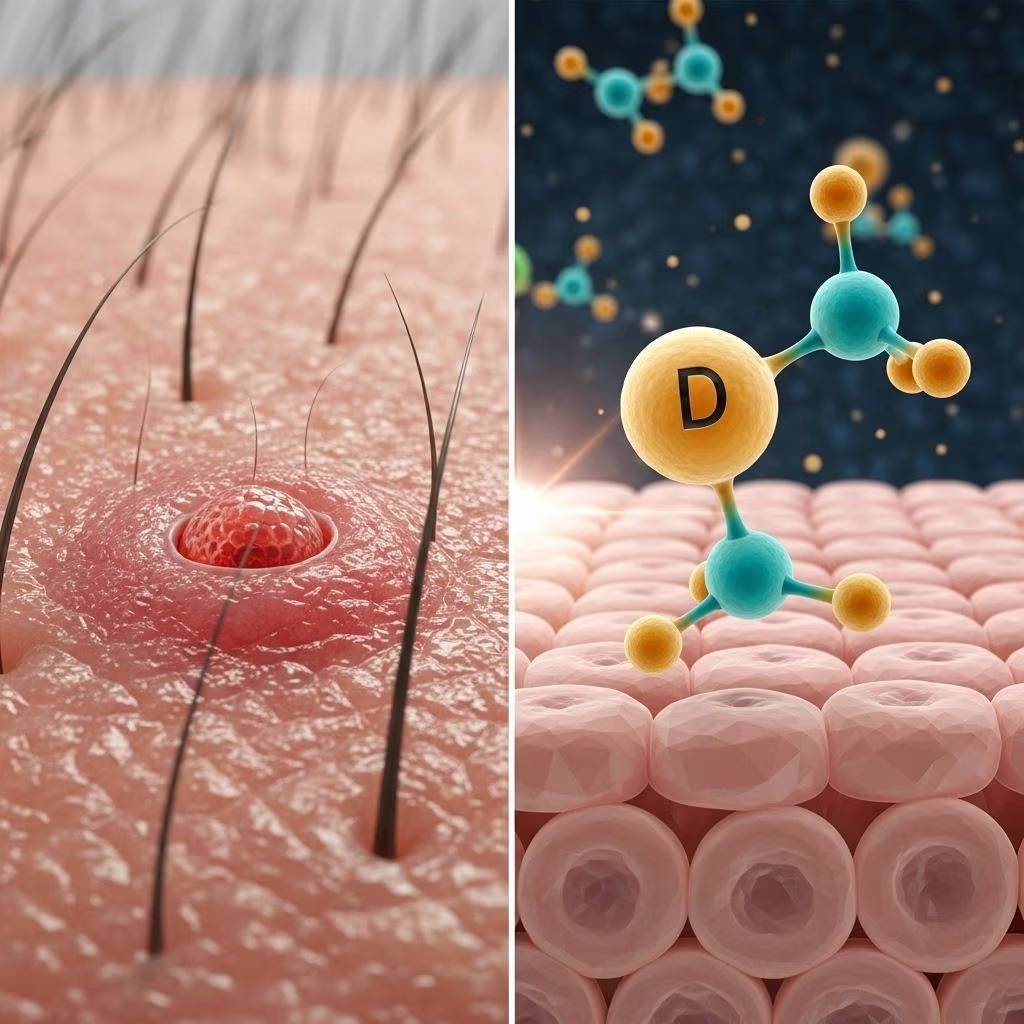
Emerging research increasingly underscores the importance of vitamin D—not only for bone health and immune balance—but also for the complex ecosystem of our skin. Among the many conditions affected, acne ranks high as both a medical and psychological concern, especially for adolescents and young adults. This article thoroughly examines the scientific relationship between vitamin D and acne, investigates the mechanisms at play, analyzes the latest studies, and offers practical advice for prevention and management.
Introduction
Acne vulgaris is a multifactorial and chronic skin disease impacting up to 85% of adolescents, often persisting into adulthood. While hormones, genetics, and environment contribute to its development, increasing attention is now focused on nutritional status—specifically, vitamin D levels—as a modifiable risk factor. Recent studies indicate a significant link between low vitamin D and the presence, and possibly the severity, of acne .
Understanding Acne: Causes and Contributing Factors
Acne develops when hair follicles become clogged with oil and dead skin cells, leading to inflammation, pimples, and sometimes cysts. Several core factors are involved:
- Sebaceous (oil) gland hyperactivity: Driven by androgens, these glands produce excess sebum.
- Follicular hyperkeratinization: Abnormal shedding of skin cells inside hair follicles.
- Bacterial colonization: Cutibacterium acnes (formerly Propionibacterium acnes) thrives in blocked follicles, promoting inflammation.
- Immune response and inflammation: Overactive immune response further exacerbates redness, swelling, and tissue damage.
- External triggers: Diet, stress, cosmetics, humidity, and pollutants may worsen outbreaks.
While traditional treatments focus on reducing sebum, inflammation, and bacteria, there is a growing appreciation for systemic factors—including vitamin status—that influence both acne risk and treatment efficacy.
Vitamin D: Functions and Sources
Often called the “sunshine vitamin,” vitamin D exerts multiple effects across the human body. Its most recognized roles include:
- Calcium and phosphorus metabolism: Essential for healthy bones and teeth.
- Immune system modulation: Supports innate and adaptive immunity, reducing chronic inflammation.
- Cellular differentiation and growth: Promotes normal cell turnover and repair, critical for skin health.
- Hormonal modulation: Influences insulin, androgens, and other hormones linked to acne.
Vitamin D exists in two primary forms relevant to humans: D2 (ergocalciferol, from plants) and D3 (cholecalciferol, from animal sources and skin synthesis). The body mainly produces vitamin D3 through sun exposure, with additional intake from foods such as fatty fish, eggs, and fortified dairy products.
Epidemiological Evidence: Studies Linking Vitamin D Deficiency to Acne
Multiple recent studies and meta-analyses provide strong evidence that individuals with acne have lower serum vitamin D levels compared to healthy peers:
- A comprehensive meta-analysis involving 1,362 acne patients and 1,081 healthy controls found that circulating 25-hydroxyvitamin D levels were significantly lower in acne patients (mean difference ~9 ng/mL lower) .
- Vitamin D deficiency was roughly three times more common among acne sufferers compared to non-acne controls, with a pooled odds ratio of 2.97 .
- Several regional studies—including the first in Saudi Arabia—indicate a statistically significant difference in vitamin D status between acne patients and healthy controls .
Preliminary studies also suggest that nodulocystic acne (a severe form) may be more closely linked to low vitamin D status, although larger multicenter trials are needed .
| Study/Source | Population | Main Findings |
|---|---|---|
| Meta-analysis (2021) | 1,362 acne vs. 1,081 controls | Significant lower vitamin D in acne; 3x higher deficiency risk |
| Saudi study | Regional sample | Deficiencies more frequent with acne (p=0.003) |
| Nodulocystic acne study | Case series | Preliminary evidence of vitamin D deficiency correlation |
Biological Mechanisms: How Vitamin D Affects Skin and Acne
Current research highlights several mechanisms by which vitamin D may influence acne development and progression:
- Immune regulation: Vitamin D modulates both innate and adaptive immunity. It inhibits the differentiation of Th17 cells prompted by Cutibacterium acnes and decreases production of inflammatory cytokines (e.g., IL-6, IL-8, IL-17, MMP-9) in sebocytes .
- Anti-inflammatory effects: By dampening chemokines and cytokines, vitamin D can reduce redness, swelling, and painful lesions.
- Antimicrobial activity: Vitamin D enhances the expression of antimicrobial peptides such as LL-37, boosting skin’s first line of defense against pathogenic bacteria .
- Modulation of sebum production: Early research suggests vitamin D may regulate sebocyte activity, potentially reducing oiliness.
- Promotion of wound healing: Vitamin D is pivotal for keratinocyte differentiation and wound healing, both necessary for acne resolution .
Does Severity of Acne Correlate With Vitamin D Deficiency?
Evidence increasingly supports not only a connection between vitamin D levels and the presence of acne but also an inverse correlation with acne severity. According to meta-analyses, patients with more severe acne tend to have lower circulating 25-hydroxyvitamin D concentrations. However, some studies found no significant differences between vitamin D levels in mild versus severe cases, suggesting more research is needed to clarify this relationship .
Notably, in some regional studies, sun exposure and gender did not appear to significantly alter vitamin D’s impact on acne, implying that other factors—such as diet, genetics, or environment—may also play significant roles .
Key Takeaways:
- Low vitamin D is more common in all forms of acne than in healthy controls.
- There is evidence of increasing deficiency as acne severity increases, but not all studies fully agree.
- Routine vitamin D screening may be beneficial, especially in persistent or severe cases.
Risk Factors for Vitamin D Deficiency Among Acne Patients
Vitamin D deficiency is a global health concern, but certain factors increase the risk among acne-prone individuals:
- Limited sunlight exposure: Due to lifestyle habits, cultural/religious clothing, high SPF sunscreen use, or living at high latitudes.
- Poor dietary intake: Insufficient consumption of vitamin D-rich foods (e.g., oily fish, eggs, fortified milk).
- Pigmented/darker skin: Increased melanin reduces the skin’s ability to produce vitamin D from sunlight.
- Obesity: Vitamin D is sequestered in fat tissue, lowering circulating bioavailability.
- Chronic illness or medications: Disorders of liver, kidney, or gut; corticosteroid or anticonvulsant use.
For acne patients, especially teenagers and young adults, these factors may be compounded by indoor lifestyles, urbanization, and changing dietary patterns.
Prevention and Management: Vitamin D Status and Skin Health
Ensuring adequate vitamin D is an important preventive and adjunctive strategy for acne management. Key recommendations include:
- Regular, safe sun exposure—ideally 10–30 minutes a few times a week, depending on skin type and latitude.
- Consumption of vitamin D-rich foods: fatty fish (salmon, tuna, sardines), eggs, mushrooms (UV-irradiated), and fortified products.
- Periodic monitoring of serum 25-hydroxyvitamin D levels in patients with recalcitrant or severe acne.
- Weight management, since obesity can lower vitamin D bioavailability.
For individuals at risk of deficiency or those with confirmed low levels, supplementation in accord with established guidelines may be recommended, often under medical supervision.
Vitamin D Supplementation and Acne: Current Evidence
With observational evidence pointing to a connection between vitamin D deficiency and acne, clinical studies have begun to explore supplementation as a treatment strategy. While robust, large-scale randomized controlled trials (RCTs) remain limited, preliminary data are promising:
- Vitamin D supplementation is generally safe and may improve inflammatory acne lesions in deficient patients.
- Some studies report a reduction in nodular or cystic acne after correcting deficiency.
- No evidence supports excessive supplementation beyond recommended doses; more is not always better, and toxicity is possible.
- Vitamin D should be viewed as an adjunct to, not a replacement for, established treatments (topical retinoids, antibiotics, hormonal therapy, etc.).
- Supplementation should follow lab-confirmed deficiency and professional guidance.
Typical Dosage Recommendations
| Age Group | Recommended Dose (IU) |
|---|---|
| Adolescents, Adults | 600–800 IU |
| Severe deficiency (by diagnosis) | 1,000–2,000 IU (or as advised by physician) |
Always consult with a healthcare provider before starting any new supplementation, especially if taking other medications or managing chronic illness.
Frequently Asked Questions (FAQs)
Q: Is vitamin D deficiency a proven cause of acne?
While low vitamin D is more common among those with acne and may contribute to its development or persistence, it is one of many factors—genetics, hormones, bacteria, and diet also play major roles. The precise causative relationship remains under investigation .
Q: Can correcting vitamin D deficiency clear my skin?
For some patients with deficiency, restoring optimal vitamin D levels may reduce acne severity or flares, but it works best as part of a comprehensive treatment plan.
Q: How do I know if I have a vitamin D deficiency?
Symptoms can be subtle (fatigue, aches, bone pain) or absent. A blood test measuring 25-hydroxyvitamin D is the most accurate way to assess status.
Q: Are there risks in taking too much vitamin D?
Yes. Excess supplementation can lead to toxicity, resulting in hypercalcemia and other complications. Always follow dosing recommendations and seek medical advice.
Q: Should all acne patients be screened for vitamin D deficiency?
Screening is sensible in persistent, severe, or treatment-resistant cases, or when risk factors for deficiency are present. Routine mass testing is not universally recommended.
Conclusion
The connection between vitamin D deficiency and acne has become increasingly clear over the last decade. Low vitamin D levels are significantly more prevalent in acne patients than in healthy individuals, and deficiency may contribute to greater disease severity. Mechanistically, vitamin D’s anti-inflammatory, immune-modulating, and antimicrobial functions are all relevant to acne pathogenesis. While supplementation offers a promising adjunctive approach—particularly for those with deficiency—it should always accompany, not replace, standard acne therapies. Ongoing research will further clarify vitamin D’s role in skin health, but meanwhile, optimizing vitamin D status remains an evidence-based recommendation for overall wellness and potentially clearer skin.
References
- https://www.dermatologytimes.com/view/study-links-vitamin-d-deficiency-with-acne
- https://pubmed.ncbi.nlm.nih.gov/34348293/
- https://karger.com/drm/article/238/3/404/823478/Association-between-Vitamin-D-Level-and-Acne-and
- https://pmc.ncbi.nlm.nih.gov/articles/PMC7549021/
- https://www.tandfonline.com/doi/full/10.4161/derm.29799
- https://onlinelibrary.wiley.com/doi/10.1111/jocd.16494


