


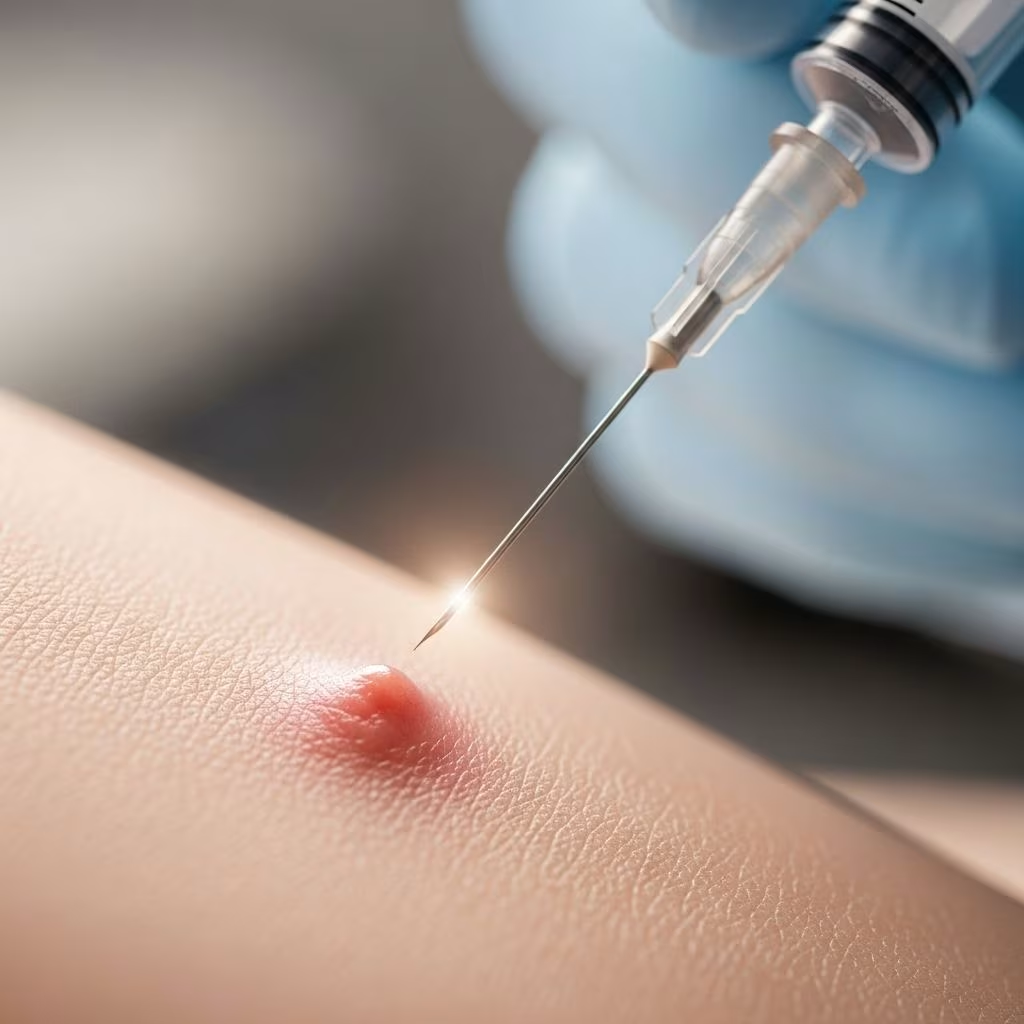
Cystic acne can be one of the most difficult and distressing skin conditions to manage, leading to pain, swelling, and even permanent scarring. Among several treatment options, cortisone shots stand out for their ability to deliver rapid relief for stubborn, deep pimples. This article delves into what cortisone shots are, how they work for acne, their benefits and risks, procedural details, alternatives, and answers to frequent questions.
What Is Cystic Acne?
Cystic acne is a severe form of inflammatory acne resulting in large, deep, painful, pus-filled nodules or cysts. Unlike typical pimples, cystic lesions penetrate deeper into the skin and are more likely to cause scarring if not managed promptly. They often:
- Appear as swollen, tender lumps under the skin
- Take weeks or even months to resolve without intervention
- Are commonly found on the face, neck, chest, back, and shoulders
- Trigger emotional distress and self-esteem issues
Although anyone can develop cystic acne, adolescents and young adults are most frequently affected due to hormonal fluctuations, but severe forms can persist or arise in adulthood as well.
How Cortisone Shots Work for Acne
Cortisone shots—also called intralesional corticosteroid injections—involve injecting a small amount of a synthetic steroid medication (most commonly triamcinolone) directly into an inflamed acne cyst. Here’s how the treatment works:
- Direct anti-inflammatory effect: Corticosteroids rapidly suppress inflammation inside the lesion, quickly reducing swelling, redness, and tenderness.
- Targeted action: The medication is injected precisely into the cyst, leaving surrounding skin unaffected.
- Accelerates healing: The inflammatory process is halted, allowing the skin to flatten and pain to subside much sooner than without intervention.
This precision-targeted approach makes cortisone shots especially effective for acne that is painful, persistent, or resistant to traditional topical or oral acne therapies.
The Science Behind Corticosteroids in Skin
Corticosteroids like triamcinolone mimic hormones naturally produced by the body to regulate inflammation and immune response. When injected into an acne lesion:
- Cytokine production is suppressed
- White blood cell migration to the site is blocked
- Capillary dilation is reduced
The result: reduced swelling, less pain, and decreased risk of further tissue damage or scarring.
Key Benefits of Cortisone Shots for Acne
- Fast relief: Noticeable flattening of the lesion and pain reduction typically occurs within 24 to 72 hours, with significant improvement seen in 3–7 days.
- Reduces risk of scarring: By rapidly shrinking the cyst before it ruptures, cortisone shots help prevent permanent scars that often result from inflamed, untreated cysts.
- Minimally invasive: The procedure requires only a quick office visit and is generally well-tolerated with minimal pain.
- No downtime: Patients can return to daily activities immediately following the injection.
- Targeted treatment: Useful for individuals with isolated, troublesome lesions rather than widespread breakouts.
Because of these benefits, cortisone injections have become a mainstay for urgent acne relief, especially before important events.
What to Expect: The Cortisone Shot Procedure
The process is quick and performed in a dermatologist’s office:
- Assessment: The dermatologist will evaluate the lesion to ensure it is suitable for cortisone injection (typically deep, cystic, or nodular pimples).
- Preparation: The skin is cleansed to minimize infection risk. Topical anesthesia may be applied if needed.
- Injection: Using a fine needle, a diluted corticosteroid solution is injected directly into the center of the lesion. The sensation is a brief pinch or sting.
- Post-injection care: Most patients are free to leave immediately and can resume their usual activities.
This entire procedure usually takes only a few minutes per lesion.
Expected Results and Timeframe
Most patients experience:
- Significant reduction in pain, swelling, and redness within 24-48 hours.
- Complete flattening and healing of the cyst within 3–7 days.
Though results are rapid and dramatic, new lesions may form if the underlying causes of acne are not addressed, so ongoing management may still be necessary.
Long-Term Outlook
A single injection often suffices for the treated lesion, and repeated injections in the same spot are rarely required. If new cysts appear, your dermatologist may advise a maximum frequency (e.g., waiting at least several weeks between injections) to minimize cumulative side effects.
Potential Risks and Side Effects
Cortisone shots are generally considered safe when administered by a qualified dermatologist. However, possible side effects include:
- Skin atrophy: Thinning, indentation, or ‘dimpling’ of the treated skin. Most cases are temporary, resolving in 6–12 months.
- Hypopigmentation: Temporary lightening of the skin at the site, more common in those with darker skin tones.
- Mild discomfort or bruising: At the injection site.
- Rare allergic reactions: Extremely uncommon with current formulations.
To reduce these risks, dermatologists use diluted corticosteroids and avoid frequent or high-dose injections at the same site.
Who Should Consider a Cortisone Shot?
Cortisone injections are not a first-line treatment for most types of acne. They are recommended for:
- Large, painful cystic or nodular acne lesions
- Pimples not responding to typical home or prescription therapies
- Urgent cosmetic relief (e.g., before public events)
- People prone to scarring from untreated cystic acne
A dermatologist will determine if the cyst is suitable for injection, and whether alternatives or comprehensive acne therapies are needed for long-term control.
Who Should Not Get a Cortisone Shot?
- People with non-cystic (surface-level) pimples — the injection is not indicated
- Individuals with a history of allergy to corticosteroids (rare)
- Those with thin or sensitive skin at risk of atrophy
Can Cortisone Shots Be Combined with Other Acne Treatments?
Yes. Cortisone shots usually supplement—not replace—other acne therapies. Dermatologists recommend ongoing use of topical or oral medications to manage overall acne and prevent recurrence. Common additional treatments include:
- Topical treatments: Benzoyl peroxide, salicylic acid, retinoids, topical antibiotics, azelaic acid
- Oral medications: Oral antibiotics, hormonal therapy (such as birth control pills), spironolactone, isotretinoin
- Adjunct therapies: Light-based procedures or chemical peels
Consult with your dermatologist to tailor a combination regimen that addresses both the acute cyst and ongoing prevention.
Alternatives to Cortisone Shots for Acne
Many effective treatments exist for acne, especially for long-term management or less severe cases:
- Topical retinoids: Normalize skin cell turnover, reduce pore clogging
- Topical/Oral antibiotics: Control skin bacteria and reduce inflammation
- Isotretinoin (Accutane): For stubborn, persistent severe acne when other therapies fail
- Hormonal therapies: Especially valuable for women with hormonally driven acne
- Drainage and extraction: In certain cases, dermatologists may physically drain very large cysts
However, these alternatives are generally not as rapid as cortisone injections for shrinking existing cysts.
Frequently Asked Questions (FAQs)
Q: How quickly will a cortisone shot shrink a cystic pimple?
A: Most patients notice significant flattening and pain reduction within 24–72 hours, with full resolution typically within a week.
Q: Is the cortisone injection itself painful?
A: The injection uses a fine needle and is generally described as a brief pinch or sting. Any discomfort is momentary.
Q: Will a cortisone shot leave a scar or dimple?
A: In rare cases, temporary skin atrophy or dimpling may occur, usually resolving within 6–12 months. Scarring is more likely without treatment due to cyst rupture.
Q: Can I get cortisone shots for all my acne pimples?
A: No. Cortisone injections are only suitable for specific deep, inflamed cysts or nodules, not typical whiteheads, blackheads, or small blemishes.
Q: How often can I get a cortisone shot?
A: Frequency should be limited; repeated shots in the same area increase risk of side effects. Dermatologists usually space them weeks apart.
Q: What should I do after receiving a cortisone injection?
A: Avoid touching or picking at the area. Resume your prescribed regimen unless otherwise advised. Notify your provider if you develop redness, pus, or unusual symptoms.
Summary Table: Cortisone Shot for Acne
| Feature | Details |
|---|---|
| Indication | Large, inflamed cystic or nodular acne lesions |
| Mechanism | Anti-inflammatory corticosteroid injected directly into cyst |
| Improvement timeframe | 24–72 hours (flattening); 3–7 days (full resolution) |
| Common side effects | Temporary skin thinning, hypopigmentation, mild discomfort |
| Who can receive | Patients with severe or unresponsive cystic acne |
| Who should avoid | Small pimples, allergy to steroids, risk of skin atrophy |
Takeaway
Cortisone injections are a valuable rapid-relief tool for people experiencing painful, stubborn cystic pimples. When performed by an experienced dermatologist, the procedure is quick, effective, and has a low risk of side effects on well-chosen lesions. For comprehensive acne care and prevention of future breakouts, ongoing medical management is essential.
References
- https://www.goodrx.com/health-topic/dermatology/cortisone-shot-for-acne
- https://www.schwarzderm.com/cortisone-injections.php
- https://www.melosangeles.com/post/understanding-cortisone-injections-for-acne-a-quick-fix-for-severe-breakouts
- https://www.healthline.com/health/do-cortisone-shots-work-for-acne
- https://skinwellness.com/learn/what-i-wish-id-known-before-i-got-my-first-cortisone-shot/
- https://www.ncbi.nlm.nih.gov/books/NBK573050/
- https://metropolisdermatology.com/dermatology-procedures-brentwood/medical-dermatology/acne-cortisone-shot/
- https://www.thedermspecs.com/blog/how-does-a-cortisone-injection-work/
- https://www.bhaesthetics.com/blog/does-corticosteroid-injection-treat-acne/
- https://www.acnesupport.org.uk/treatment/steroid-injections/


