


Introduction
Acne is one of the most common skin conditions, affecting millions worldwide. While it is often associated with adolescence, a significant number of adults—especially women—continue to experience breakouts well into their 20s, 30s, 40s, and even 50s. This persistent adult acne is frequently attributed to hormonal fluctuations and is commonly referred to as “hormonal acne.”
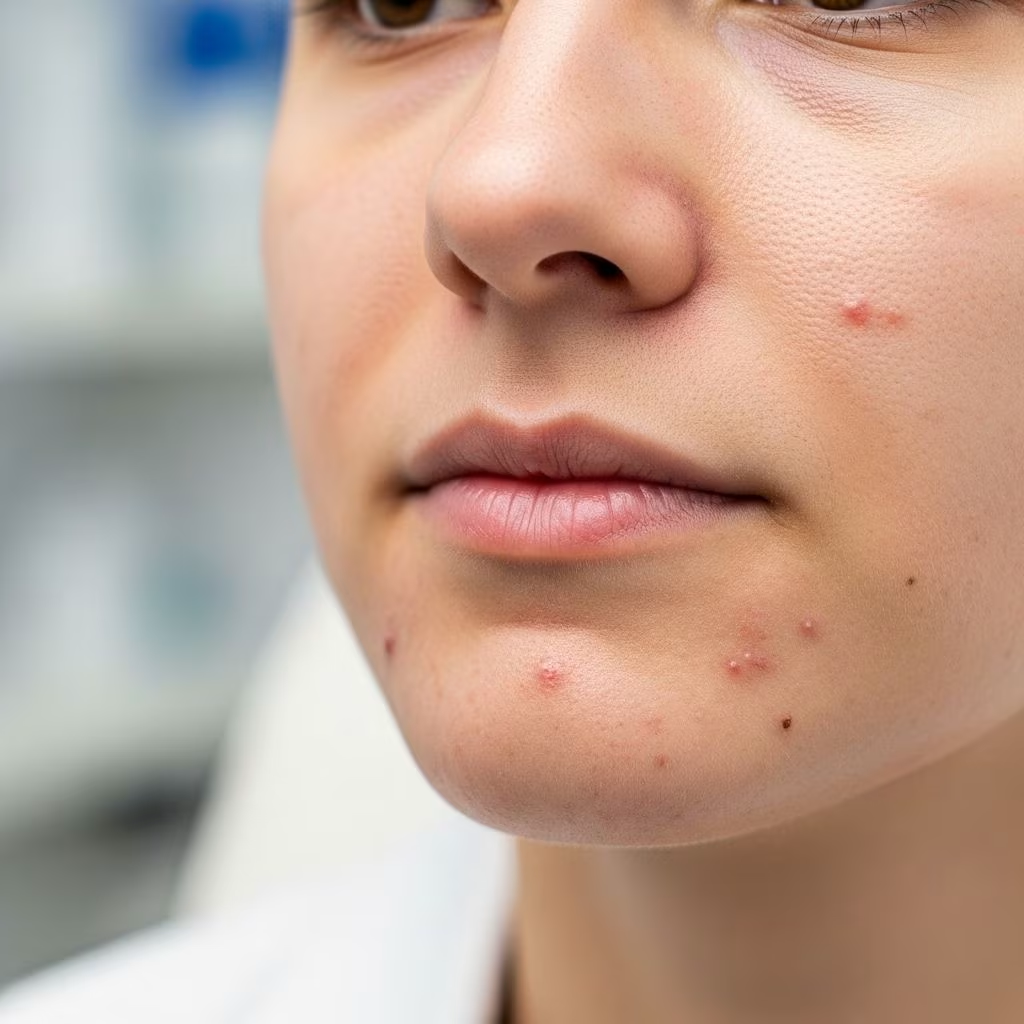
Understanding hormonal acne is vital for effective management and treatment. Unlike typical teenage acne, hormonal acne is often characterized by deep, painful cysts and tends to appear on the chin, jawline, neck, and sometimes the chest—areas where hormone-sensitive oil glands are concentrated. It can be both physically uncomfortable and emotionally distressing, potentially impacting self-esteem and emotional well-being.
Defining Hormonal Acne
Hormonal acne is a term widely used to describe acne that is triggered or worsened by hormone fluctuations, particularly those involving androgens such as testosterone and dihydrotestosterone (DHT). Although “hormonal acne” is not formally recognized as a medical diagnosis, the phrase is useful for describing breakouts that are linked to hormonal activity and differ from typical acne vulgaris.
This type of acne is especially prevalent in adults, and up to 50% of women in their 20s and 25% of women in their 40s experience it. It is also possible for men to develop hormone-related acne, but it is less common outside of adolescence.
Symptoms and Identification
Acne symptoms include both non-inflamed and inflamed lesions:
- Non-inflamed lesions: Blackheads and whiteheads, which are not painful and do not cause swelling.
- Inflamed lesions: Papules (small red/pink bumps), pustules (pimples with pus), cysts (large, deep, painful bumps), and nodules (larger, deeper, more painful lesions).
| Lesion Type | Description | Painful/Inflamed |
|---|---|---|
| Blackheads/Whiteheads | Clogged pores (comedones) | No |
| Papules | Small red/pink bumps | Yes |
| Pustules | Pimples with pus | Yes |
| Cysts/Nodules | Deep, painful, large bumps | Yes |
Typical areas affected: Face (especially jawline, chin, and cheeks), neck, chest, shoulders, and back. Hormonal acne is especially common along the jawline and lower face.
Associated symptoms: Acne can be not only a cosmetic concern but also emotionally taxing, with increased rates of anxiety and depression reported among affected adults.
Causes of Hormonal Acne
The root causes of hormonal acne are complex, involving several interrelated biological processes:
- Androgen Activity: Androgens like testosterone stimulate the sebaceous (oil) glands to produce more sebum, which can clog pores and lead to acne.
- Hormone Fluctuations: Hormonal changes during puberty, menstruation, pregnancy, perimenopause, and menopause can trigger or worsen acne.
- Peripheral Hormone Conversion: Increased activity of enzymes in the skin can convert mild androgens into more potent forms (such as DHT), further stimulating oil production.
- Other Hormones: Stress hormones (corticotropin-releasing hormone, neuropeptides), insulin-like growth factor 1 (IGF-1), and other factors also influence oil production and acne risk.
These factors can lead to increased oil production, blocked hair follicles, bacterial growth, and inflammation— all of which contribute to acne formation.
Common Triggers
Certain events and situations are known to trigger hormonal acne breakouts:
- Menstrual Cycle: Many women find acne worsening just before or during their period, due to hormonal fluctuations.
- Pregnancy and Postpartum: Hormonal shifts during and after pregnancy can trigger acne.
- Menopause/Perimenopause: Declining estrogen and changes in progesterone can lead to acne in older women.
- Polycystic Ovary Syndrome (PCOS): A common hormonal disorder in women, PCOS is often accompanied by acne due to elevated androgen levels.
- Hormone Therapy: Testosterone-based therapies or certain progestin-only birth control pills may worsen acne.
- Medications: Steroids and other drugs can also trigger acne.
- Stress: Psychological stress can stimulate hormonal changes that increase oil production.
Risk Factors
Several factors increase the likelihood of developing hormonal acne during adulthood:
- Female Sex: Women are more likely than men to experience hormonal acne beyond adolescence.
- Age: Most common between ages 20–50, but can occur beyond that period.
- Family History: A genetic predisposition for acne can make adults more susceptible.
- Hormonal Health Conditions: PCOS, thyroid disorders, and adrenal disorders increase risk.
- Lifestyle Factors: Diet, stress, and skincare habits may influence severity.
Effective Treatment Options
Treating hormonal acne requires a multifaceted approach, often involving a combination of over-the-counter products, prescription medications, lifestyle modifications, and, in some cases, professional procedures.
Over-the-Counter Solutions
- Topical Retinoids: Help unclog pores and promote skin cell turnover.
- Salicylic Acid: Exfoliates skin and reduces inflammation.
- Benzoyl Peroxide: Kills bacteria and reduces oil.
- Glycolic Acid and Other AHAs/BHAs: Exfoliate and improve skin texture.
While these can be effective for mild acne, they may be insufficient for moderate to severe or persistent hormonal acne.
Prescription Medications
| Medication Type | How It Works | Examples |
|---|---|---|
| Topical Retinoids | Promote skin cell turnover, unclog pores | Adapalene, tretinoin, tazarotene |
| Antibiotics (Topical/Oral) | Reduce bacteria and inflammation | Doxycycline, minocycline, clindamycin |
| Hormonal Treatments | Regulate hormone levels to reduce oil production | Birth control pills (combined estrogen-progestin), spironolactone, finasteride |
| Isotretinoin (Accutane) | Highly effective for severe, resistant acne; shrinks oil glands | Isotretinoin |
Prescription medications are often necessary for moderate to severe hormonal acne, especially when OTC products fail to produce results.
Lifestyle Changes
Adopting a healthy lifestyle can help manage hormonal acne:
- Diet: Diets high in refined carbohydrates and dairy products may worsen acne in some people.
- Stress Management: Stress-reduction techniques such as mindfulness, yoga, and regular exercise may help.
- Skincare Routine: Gentle, non-comedogenic products, regular cleansing, and avoiding picking or squeezing pimples are essential.
- Sleep: Adequate sleep supports hormone regulation and skin health.
Home Remedies and Natural Options
While scientific evidence varies, some natural approaches may complement conventional treatments:
- Tea Tree Oil: Has antibacterial and anti-inflammatory properties.
- Zinc Supplements: Zinc can help reduce inflammation.
- Spearmint Tea: Some studies suggest it may have anti-androgen effects.
- Probiotics: Gut health may influence skin inflammation.
Always consult a healthcare provider before starting natural remedies to avoid adverse effects or interactions.
Prevention Strategies
Preventing hormonal acne involves both proactive skincare and lifestyle habits:
- Consistent Skincare: Routine cleansing and gentle exfoliation can prevent clogged pores.
- Hormonal Management: Addressing underlying hormonal conditions like PCOS with the help of a healthcare provider.
- Choose Non-Comedogenic Products: Use makeup, sunscreen, and moisturizers labeled “oil-free” or “non-comedogenic.”
- Healthy Habits: Maintain a balanced diet, stay hydrated, and manage stress effectively.
Regular check-ups with a dermatologist can help tailor a prevention plan to individual needs.
Frequently Asked Questions (FAQs)
Q: What is hormonal acne, and how does it differ from regular acne?
A: Hormonal acne is triggered by fluctuations in hormone levels, especially androgens, and is more common in adults—particularly women—after adolescence. It often presents as deep, painful cysts along the jawline, chin, and lower face, rather than the typical mix of blackheads, whiteheads, and pimples seen in teenage acne.
Q: Who is most at risk for hormonal acne?
A: Women, especially those experiencing puberty, pregnancy, menstruation, perimenopause, or menopause, are at higher risk. People with hormonal imbalances such as PCOS or those undergoing hormone therapy are also more susceptible.
Q: Can men get hormonal acne?
A: Yes, but it is less common in adult men outside of adolescence. Men who take testosterone-based therapies or have hormonal disorders may experience hormone-related acne.
Q: How is hormonal acne diagnosed?
A: Diagnosis is usually made based on the pattern, location, and timing of breakouts, as well as a patient’s medical history. In some cases, blood tests or consultations with an endocrinologist may be needed to identify underlying hormonal issues.
Q: What are the best treatments for hormonal acne?
A: Effective treatments include prescription medications such as birth control pills, spironolactone, topical retinoids, and oral antibiotics. Over-the-counter products and lifestyle changes can help for mild cases, but moderate to severe acne often requires a dermatologist’s care.
Q: Are there any natural remedies for hormonal acne?
A: Some people find relief with natural approaches like tea tree oil, zinc supplements, spearmint tea, and probiotics, but scientific evidence is limited. Always consult a healthcare provider before trying natural remedies, especially if you’re on prescription medications.
Q: Can hormonal acne be cured?
A: While hormonal acne can often be effectively managed, it may not be permanently cured—especially if underlying hormonal imbalances persist. Consistent treatment and lifestyle management are key to long-term control.
Q: When should I see a doctor for hormonal acne?
A: See a healthcare provider if acne is severe, painful, scarring, or does not improve with over-the-counter treatments. Sudden changes, especially in adults, may also warrant a medical evaluation to rule out underlying health issues.
References
- https://www.medicalnewstoday.com/articles/313084
- https://www.goodrx.com/conditions/acne/what-hormonal-acne-looks-like
- https://pmc.ncbi.nlm.nih.gov/articles/PMC6360964/
- https://my.clevelandclinic.org/health/diseases/21792-hormonal-acne
- https://www.tuftsmedicine.org/about-us/news/adult-acne-age-30
- https://www.sknclinics.co.uk/conditions/hormonal-acne
- https://www.health.harvard.edu/blog/adult-female-acne-why-it-happens-and-the-emotional-toll-202206272768
- https://www.mayoclinic.org/diseases-conditions/acne/symptoms-causes/syc-20368047
- https://dermablue.com/hormonal-acne/


