


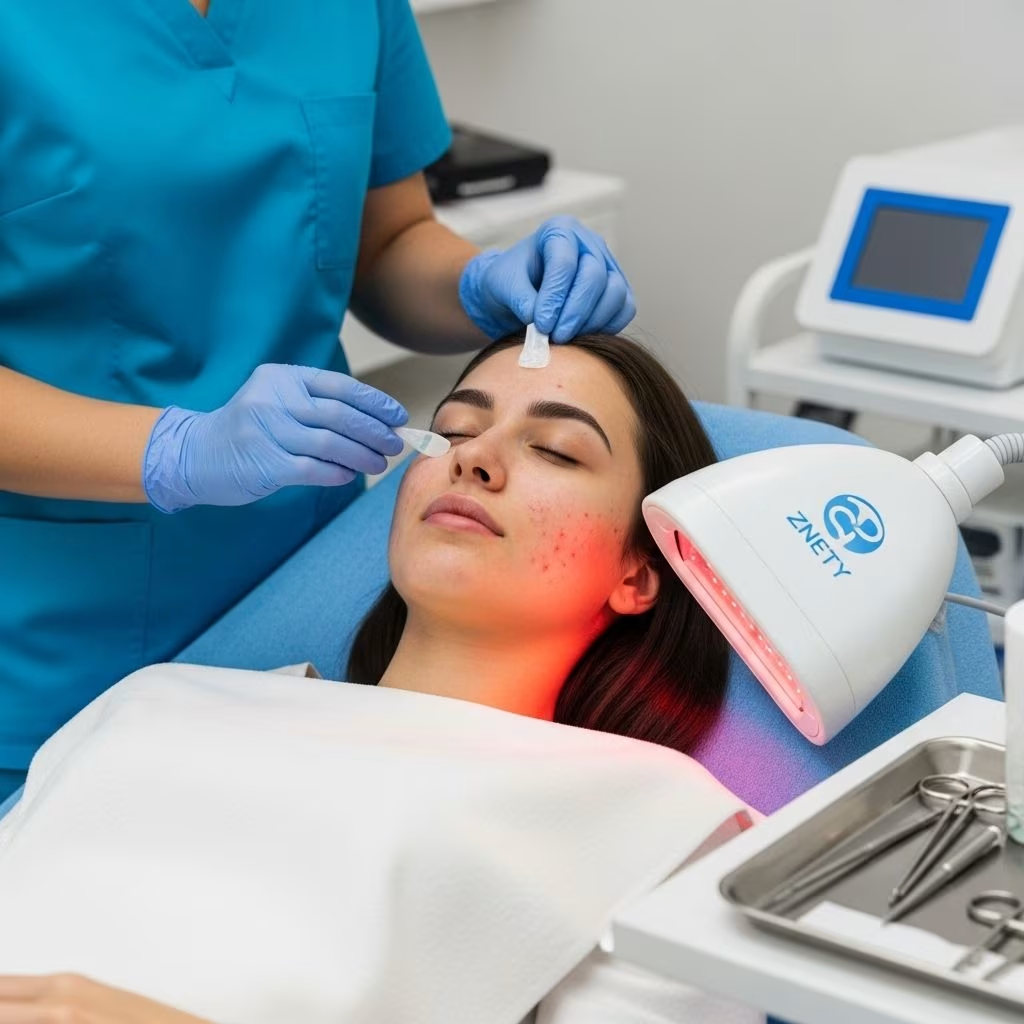
Photodynamic Therapy (PDT) is an innovative, minimally invasive dermatological treatment designed to target moderate and severe acne, especially when traditional therapies have proven insufficient. In this comprehensive guide, we will delve into the science behind PDT, walk you through its stepwise procedure, analyze clinical outcomes and side effects, and answer frequently asked questions about this advanced acne solution.
What is Photodynamic Therapy (PDT)?
Photodynamic Therapy (PDT) is a medical treatment that combines a topically applied photosensitizing agent with a specific wavelength of visible light to selectively target and destroy acne-causing bacteria and reduce sebaceous gland activity. PDT is overseen by medical professionals, typically dermatologists, due to the use of prescription-only photosensitizers and the need for precise light administration.
Key Components of PDT
- Photosensitizing agent: Most commonly 5-aminolevulinic acid (5-ALA) or aminolevulinic acid hydrochloride (Levulan).
- Light source: Blue light (often BLU-U), red light, or Intense Pulsed Light (IPL) can be used to activate the photosensitizer.
- Target: Acne-causing bacteria (Cutibacterium acnes, formerly P. acnes), and sebaceous (oil) glands.
How Does PDT Treat Acne?
PDT combats acne through dual mechanisms, targeting both the inflammation-driving components and the root causes of acne lesions:
- Bacterial destruction: Activation of the photosensitizer by light generates reactive oxygen species that destroy C. acnes bacteria residing deep in follicles.
- Sebaceous gland reduction: The same process selectively damages overactive oil glands, leading to less oily skin and fewer clogged pores. This curbs comedone (blackhead and whitehead) development.
- Decrease in post-inflammatory changes: PDT accelerates the resolution of redness and pigmentation left by previous acne outbreaks.
This non-systemic approach is especially appealing to those who cannot tolerate oral antibiotics, isotretinoin (such as Accutane), or hormonal therapies, and for individuals seeking an antibiotic-free solution.
Photodynamic Therapy Procedure: Step by Step
Modern PDT for acne is an in-office treatment, typically completed over several sessions. Here is a detailed breakdown:
1. Pre-Procedure Preparation
- Skin cleansing: The treatment area is thoroughly cleansed to remove oils, dirt, and cosmetics. In some cases, microdermabrasion or an acetone scrub is performed to eliminate dead skin cells and aid photosensitizer absorption.
- Medical history review: Patients with a history of cold sores may receive preventive antiviral medication; sensitive skin care products may need to be temporarily stopped prior to treatment.
2. Application of Photosensitizer
- Application: A layer of 5-ALA or Levulan is evenly applied to the target skin areas. The agent is colorless and generally painless on the skin.
- Incubation period: The photosensitizer is left on the skin for anywhere from 15 minutes to several hours, depending on desired depth and aggressiveness of treatment. Longer incubation may improve penetration but increase downtime.
3. Light Activation
- Light exposure: After removing the excess agent, the skin is exposed to a specific light source—most commonly blue light—for 8 to 20 minutes, sometimes longer. Red light or IPL may be added for deeper penetration or enhanced results.
During light exposure, mild to moderate warmth, tingling, or stinging is common, but PDT is generally not considered painful.
4. Post-Light Care
- After light application, the skin is gently cleansed again, and a calming moisturizer and physical sunblock are applied to protect the sensitive, treated skin.
The total time per session varies from 30 to 90 minutes, depending on treatment area and protocol.
5. Repetition
- Most patients require a series of 3–6 treatments spaced 2–4 weeks apart for optimal results. The number and interval depend on acne severity and response.
Who is a Good Candidate for PDT?
PDT can be a suitable acne solution for:
- Teens and adults with persistent moderate to severe acne
- Patients who have not responded to standard topical or oral therapies
- Individuals intolerant to oral antibiotics, isotretinoin, or hormonal treatments
- Those with oily skin, blackheads (comedones), cystic lesions, or prominent inflammatory acne
- People seeking to reduce early red/purple acne scars and improve texture
PDT may not be recommended for people with certain skin sensitivities, photosensitivity disorders, or those unable to comply with post-procedure sun avoidance.
Expected Results and Effectiveness
Clinical studies and patient experience demonstrate that PDT can produce significant benefits for acne-prone skin:
- Rapid reduction in acne lesions: Many patients see improvement after just 1–2 sessions, with pronounced benefits at the end of a full series.
- Long-lasting effects: Some patients maintain reduced breakouts for months to years after completing PDT, especially with occasional maintenance sessions.
- Oil reduction and smaller pores: PDT leads to a marked decrease in sebaceous (oil) gland size and activity. This results in less oily skin and visually smaller pores.
- Smoother texture and tone: In addition to acne clearing, patients notice brighter, more even skin with improvement in post-acne pigmentation and red marks.
Results are generally quicker and greater than isolated blue light therapy alone. The need for maintenance varies by patient; some benefit from occasional touch-ups after the initial course of treatment.
Benefits of Photodynamic Therapy for Acne
Why do many dermatologists recommend PDT for acne, especially when other options are proving challenging? The key advantages include:
- No systemic antibiotics or oral drugs: PDT is ideal for patients trying to avoid the risk of antibiotic resistance, gut disturbance, or systemic side effects.
- Treats severe and resistant acne: Efficacious even in patients with nodulocystic or treatment-resistant acne.
- Improvement in post-acne marks and mild scarring: Accelerates resolution of persistent redness and pigment changes as well as early, superficial scars.
- Low downtime: Most people resume daily activities immediately, though mild redness, swelling, or peeling can occur for a few days post-treatment.
- Multiple benefits: PDT can also improve early actinic (sun) damage and is sometimes used as chemoprevention for certain precancerous lesions.
Potential Side Effects and Risks
PDT is generally considered safe when performed by experienced professionals. However, patients should be aware of possible adverse effects:
- Redness and swelling: Temporary redness, swelling, and moderate peeling are common for a few days.
- Stinging or burning: Some patients report temporary discomfort during light exposure or shortly after.
- Crusting or mild blistering: Rarely, more aggressive protocols or longer incubation times can cause crusting or mild blistering.
- Increased photosensitivity: The skin remains especially sensitive to light for at least 48 hours after therapy. Unprotected sun exposure must be avoided to prevent severe burns or pigment changes. Sunscreen alone is insufficient during this period.
- Temporary pigmentation changes: Post-inflammatory hyperpigmentation (dark marks) or hypopigmentation (light spots) may occur, especially in patients with darker skin types.
- Allergic reactions: Rare but possible to the photosensitizer or topical products applied post-procedure.
Serious complications are rare when protocols are followed closely.
Aftercare and Recovery
Optimal results and safety depend on diligent aftercare:
- Sun avoidance: Strictly avoid sunlight and bright indoor lighting for at least 48 hours. Wear a wide-brim hat and stay indoors as much as possible.
- Skin care: Use only gentle, non-irritating cleansers and moisturizers until the skin heals. Avoid acidic, retinoid, or exfoliating products unless cleared by your physician.
- Makeup and other products: Discuss with your dermatologist when makeup or acne treatments can be safely resumed after the procedure.
- Monitor for adverse effects: Report any excessive pain, blistering, or pigment changes to your provider promptly.
PDT vs. Other Acne Treatments
| Feature | PDT | Oral Antibiotics | Isotretinoin | Blue Light Only |
|---|---|---|---|---|
| Mechanism | Targets bacteria, oil glands, improves texture | Suppresses bacteria, reduces inflammation | Reduces oil gland size, anti-inflammatory | Targets C. acnes bacteria |
| Major Side Effects | Photosensitivity, redness, rare pigment change | Resistance, GI upset, yeast infections | Dryness, teratogenicity, lab monitoring | Dryness, rare irritation |
| Sessions | 3–6 office visits | Daily for weeks/months | 4–6 months, daily pills | 12–16, often weekly |
| Candidacy | Most, except photosensitive skin | Not for all, restrictions (e.g., pregnancy) | Contraindicated in pregnancy/liver disease | Most skin types |
| Post-Acne Marks | Yes, often improved | No direct effect | No direct effect | No, only slight impact |
Frequently Asked Questions (FAQs)
Q: Does Photodynamic Therapy hurt?
PDT is generally well-tolerated. Most patients experience only mild stinging or warmth during the light exposure phase, rather than outright pain.
Q: How many PDT treatments are necessary for clear skin?
While individual needs differ, most patients achieve optimal results from 3–6 sessions performed two to four weeks apart. Severe cases may need more, while some respond adequately after three sessions.
Q: How soon will I see results?
Visible improvement is often noted within 2–4 weeks of starting therapy; some notice benefits after the first session. Maximal results accumulate after a full series of treatments.
Q: Are results permanent?
PDT can offer long-term clearing, but acne can still recur, especially if underlying hormonal or lifestyle triggers persist. Maintenance sessions may be advised for lasting results.
Q: Can PDT treat all types of acne?
PDT is primarily effective for inflammatory, comedonal, and cystic acne. It is less useful for purely non-inflammatory blackheads or milia, and not intended for acne scarring alone.
Q: Is PDT safe for all skin types?
PDT is generally safe across all skin types and tones, but extra care is required in darker skin types to avoid pigment changes, and a medical evaluation is necessary before starting.
Q: Can teenagers use PDT?
Yes, PDT is appropriate for teens with persistent acne, provided they and their guardians can comply with post-treatment precautions and sun avoidance.
Q: How does PDT compare to Accutane?
Both can provide profound clearing. PDT avoids systemic side effects and lab monitoring required for Accutane, but may need maintenance and is not suitable for nodular or recalcitrant cystic acne in some patients.
References
Note: All medical content is synthesized and referenced from leading dermatology sources, clinical practice sites, and academic reviews available as of October 2025.
References
- https://cahabaderm.com/service/blu-light-for-acne/
- https://www.greaternedermatology.com/contents/all-services/pdt-for-acne
- https://www.schweigerderm.com/cosmetic-dermatology/laser-treatments/photodynamic-therapy/
- https://www.medicalnewstoday.com/articles/319256
- https://www.dermspecialistsdallas.com/photodynamic-therapy/
- https://www.advdermatology.com/cosmetic-procedures/acne-treatments/pdt-photodynamic-therapy/
- https://my.clevelandclinic.org/health/procedures/photodynamic-therapy-pdt
- https://www.laskinmd.com/treatments/levulan-photodynamic-therapy-pdt/
- https://www.ringpfeildermatology.com/cosmetic-dermatology/acne-treatment/photodynamic-acne.php


