


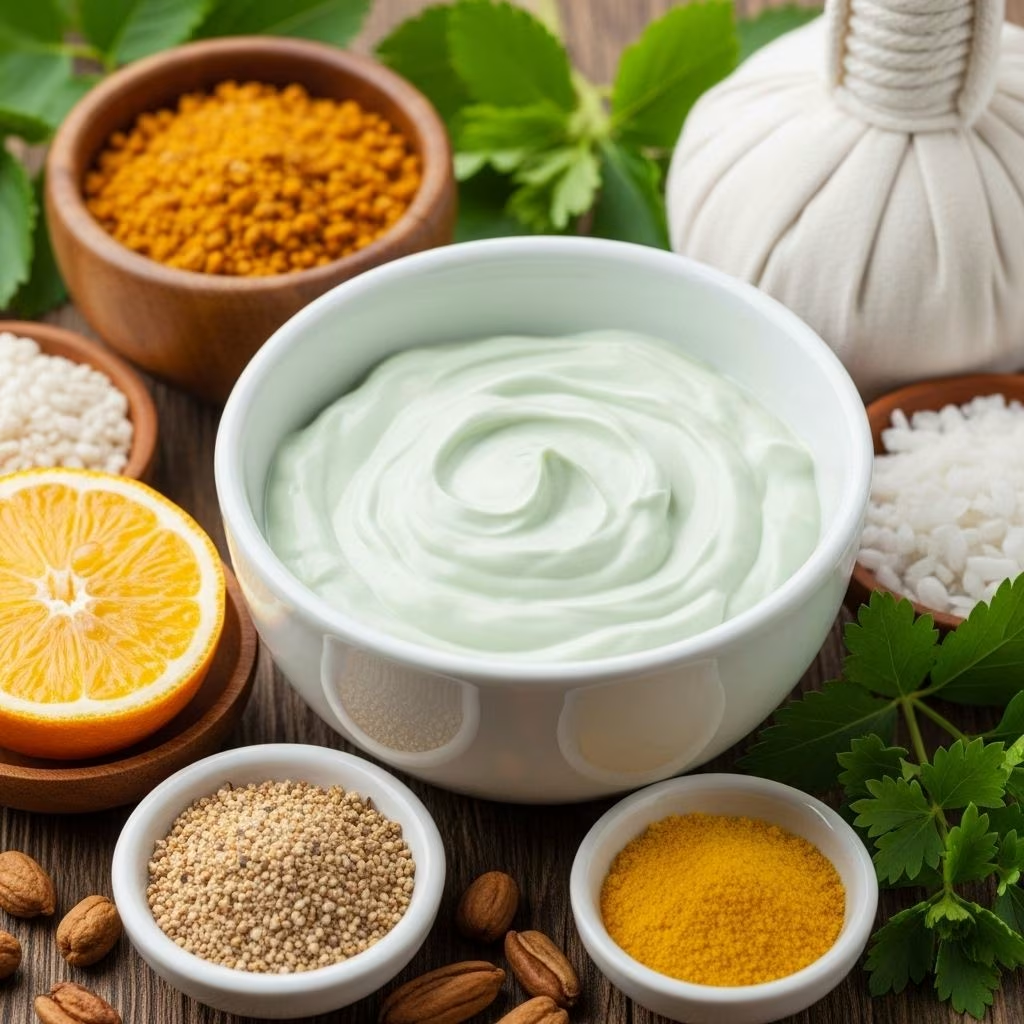
Acne affects individuals worldwide and often prompts the search for gentle, natural remedies. With mounting concerns over harsh chemicals and recurring irritation from conventional treatments, many turn to herbs and essential oils to soothe inflamed skin, combat bacteria, and foster healing. This comprehensive guide examines evidence-based solutions, practical applications, and cautionary advice for using botanicals to reduce acne naturally.
Understanding Acne and Inflammation
Acne is a skin condition characterized by blocked pores, increased sebum production, bacterial growth (particularly Cutibacterium acnes), and inflammation. Common symptoms include pimples, blackheads, whiteheads, and often redness or swelling. Inflammation is central to the discomfort and persistence of acne, making it a key therapeutic target for both conventional and natural remedies.
- Blocked pores: Result from excess oil and dead skin cells.
- Bacterial colonization: Primarily C. acnes, fueling inflammation.
- Inflamed skin: Manifesting as redness, swelling, and pain.
Why Choose Natural Remedies?
The appeal of natural acne treatments lies in their gentle approach to healing, often with fewer side effects than some conventional medications. Herbal and botanical options frequently offer:
- Anti-inflammatory benefits for calming redness and swelling
- Antibacterial effects targeting acne-causing microbes
- Antioxidant properties supporting skin repair and resilience
- Fewer irritants or allergens compared to synthetic products
However, it’s crucial to recognize that natural remedies are not universally risk-free and require appropriate usage and patch testing to minimize potential reactions.
Herbs for Calming Acne
Many herbs long used in traditional medical systems now have scientific backing for their role in soothing acne-prone and sensitive skin.
1. Manjistha (Rubia cordifolia)
A staple of Ayurvedic medicine, manjistha offers strong anti-inflammatory, antibacterial, and antioxidant activities. Studies support its ability to help prevent and treat acne, especially when used topically or as part of herbal formulations. Its antiandrogenic effects may help balance hormones that fuel breakouts.
2. Neem (Azadirachta indica)
Neem, revered in Ayurveda, boasts antibacterial, antifungal, antiseptic, antioxidant, and anti-inflammatory properties. Its compounds are particularly effective against Staphylococcus, a bacterium often linked to acne. Neem extracts and oils are popular for topical use and support healing in skin conditions, including acne, eczema, and psoriasis.
3. Witch Hazel
Containing astringent tannins, witch hazel helps remove excess oil from the skin while reducing redness and inflammation. It is a common base for homemade acne tonics and is frequently recommended as a gentle pore-tightening agent.
4. Additional Calming Herbs
- Calendula: Possesses antibacterial and skin-healing benefits, suitable for soothing inflamed skin.
- Chamomile: Offers anti-inflammatory and calming effects, ideal for reducing redness and irritation.
- Lavender: Provides not only antibacterial and anti-inflammatory action, but may also help with stress (which can worsen acne).
- Rosemary: Delivers antioxidants and mild antibacterial activity.
Essential Oils for Inflamed Skin
Numerous essential oils stand out for their capacity to combat acne by addressing both bacterial burden and visible inflammation. Here are the most researched and widely used:
1. Tea Tree Oil (Melaleuca alternifolia)
Extensively studied for its antimicrobial and anti-inflammatory properties, tea tree oil helps kill acne-causing bacteria and reduce swelling. Clinical trials show that a 5% tea tree oil gel can lead to a reduction in both inflamed and non-inflamed acne lesions, with fewer side effects (like dryness and irritation) compared to standard treatments such as benzoyl peroxide.
2. Basil and Thyme Oils
Basil and thyme essential oils contain potent antibacterial agents effective against C. acnes. Research supports their role in decreasing lesion counts and controlling the proliferation of acne-associated bacteria.
3. Lavender Oil
Noted for its gentle anti-inflammatory benefits, lavender oil supports wound healing, soothes irritation, and offers mild antimicrobial effects. It is suitable for sensitive skin types and may help counter oxidative stress associated with acne.
4. Rosemary Oil
Rosemary oil demonstrates antioxidant and antibacterial activity, and may reduce redness, swelling, and severity of breakouts.
5. Other Effective Essential Oils
- Eucalyptus
- Cinnamon
- Peppermint
- Lemon
- Bergamot
Note: Essential oils must be diluted properly before topical use to prevent adverse reactions.
How to Use Herbs and Oils Safely
To avoid irritation or allergic reaction, it is important to patch test any new substance and follow best practices for application:
- Dilute essential oils in a carrier oil (such as jojoba or coconut oil) before applying to the skin.
- Use only high-quality, pure oils and extracts from reputable sources.
- Spot-treat rather than applying broadly to the entire face.
- Discontinue use if redness, itching, or burning develops.
- Check for contraindications, especially for those with allergies, sensitive skin, or underlying health conditions.
- Never ingest essential oils unless supervised by a qualified practitioner.
Evidence and Research: What Works?
Modern clinical trials and laboratory studies provide mixed but promising evidence for many herbal and oil-based treatments. Here is a summary of findings from significant research:
| Remedy | Evidence Type | Key Findings | Notable Side Effects |
|---|---|---|---|
| Tea Tree Oil | RCT, Reviews | Comparable reduction in acne lesions to benzoyl peroxide; lower irritation | Rare allergic reaction, mild dryness |
| Neem | In vitro, Traditional use | Antibacterial; reduces pimples and inflammation | Minimal, rare contact dermatitis |
| Jojoba Oil | Clinical study | 54% improvement in lesion count with mask application | Rare, very gentle |
| Manjistha | Experimental, Traditional | Anti-inflammatory, balances lymphatic function | Minimal topical reactions |
| Lavender, Basil, Thyme Oils | In vitro, Small studies | Effective inhibition of key acne bacteria, anti-inflammatory | Skin irritation if undiluted |
| Manuka Honey | Hospital wound care, Anecdotal for acne | Antimicrobial, supports healing; unclear acne effect | Safe for most skin types |
Cautiously, while herbal and oil-based treatments show comparable results to some pharmaceutical options in select studies, outcomes vary based on formulation, concentration, and adherence. Ongoing research seeks to clarify best practices and most effective combinations.
Customizing Your Natural Acne Regimen
Building a personalized approach involves considering skin type, sensitivity, and the type of acne present. A sample basic regimen might include:
- Cleansing: Gentle herbal cleansers with calendula or chamomile extracts
- Toning: Witch hazel or a diluted tea tree oil mist
- Spot Treatment: Diluted essential oils (like tea tree or thyme) applied to individual pimples
- Moisturizing: Non-comedogenic oils (such as jojoba or argan) for hydration
- Weekly mask: Clay with added neem, manuka honey, or a drop of lavender oil
Patience is essential, as natural remedies may take weeks to demonstrate visible improvement. Consistency, gentleness, and monitoring for irritation are key.
When to See a Dermatologist
Natural remedies are appropriate for mild to moderate acne, but professional help is advised if:
- Acne is severe, widespread, or cystic
- There is scarring, persistent pain, or signs of infection
- Home measures fail to improve breakouts after 2-3 months
- Any concerning reactions (e.g., intense redness, blistering) occur after using herbs or essential oils
Dermatologists can help coordinate integrative approaches, customize regimens, and prescribe or recommend therapies tailored to individual needs.
Frequently Asked Questions (FAQs)
Q: What is the safest way to try a new essential oil or herbal extract on my skin?
A: Always dilute oils with a cosmetic-grade carrier (like jojoba oil), apply a patch test to a small area, and monitor for 24 hours before broader use.
Q: Can natural remedies replace conventional acne medications?
A: While helpful for many, natural remedies may not match the potency or consistency of prescription treatments for everyone. They are often best as a complement to medical advice, particularly for mild to moderate acne.
Q: Are there risks to using herbal and essential oils?
A: Yes. Risks include allergic reactions, irritation, or worsening inflammation if used improperly or undiluted. Seek professional advice if you have known sensitivities.
Q: Which herb or oil works fastest for calming inflamed pimples?
A: Tea tree oil is among the fastest documented for reducing inflammation and lesion count, typically showing results within weeks when applied consistently to spots.
Q: Can I combine several herbs and oils for better results?
A: Many commercial holistic formulations blend complementary herbs and oils. Always introduce one new ingredient at a time and consult with a professional if unsure.
Conclusion: Mindful Use of Nature’s Remedies
Herbs and essential oils offer targeted, gentle support for calming inflamed, acne-prone skin. Best outcomes are typically achieved with careful selection, proper dilution, consistency, and patience. When in doubt, partner with a dermatologist or licensed herbal practitioner to find your skin’s healthiest, most radiant path forward.
References
- https://www.healthline.com/health/beauty-skin-care/herbs-for-acne
- https://www.medicalnewstoday.com/articles/322455
- https://www.webmd.com/skin-problems-and-treatments/acne/acne-alternative-treatments
- https://pmc.ncbi.nlm.nih.gov/articles/PMC9217581/
- https://pmc.ncbi.nlm.nih.gov/articles/PMC9824697/
- https://health.clevelandclinic.org/home-remedies-for-acne
- https://aanmc.org/naturopathic-treatment/understanding-natural-acne-treatments-naturopathic-perspective/
- https://naturemed.org/best-natural-cures-for-hormonal-acne/


