


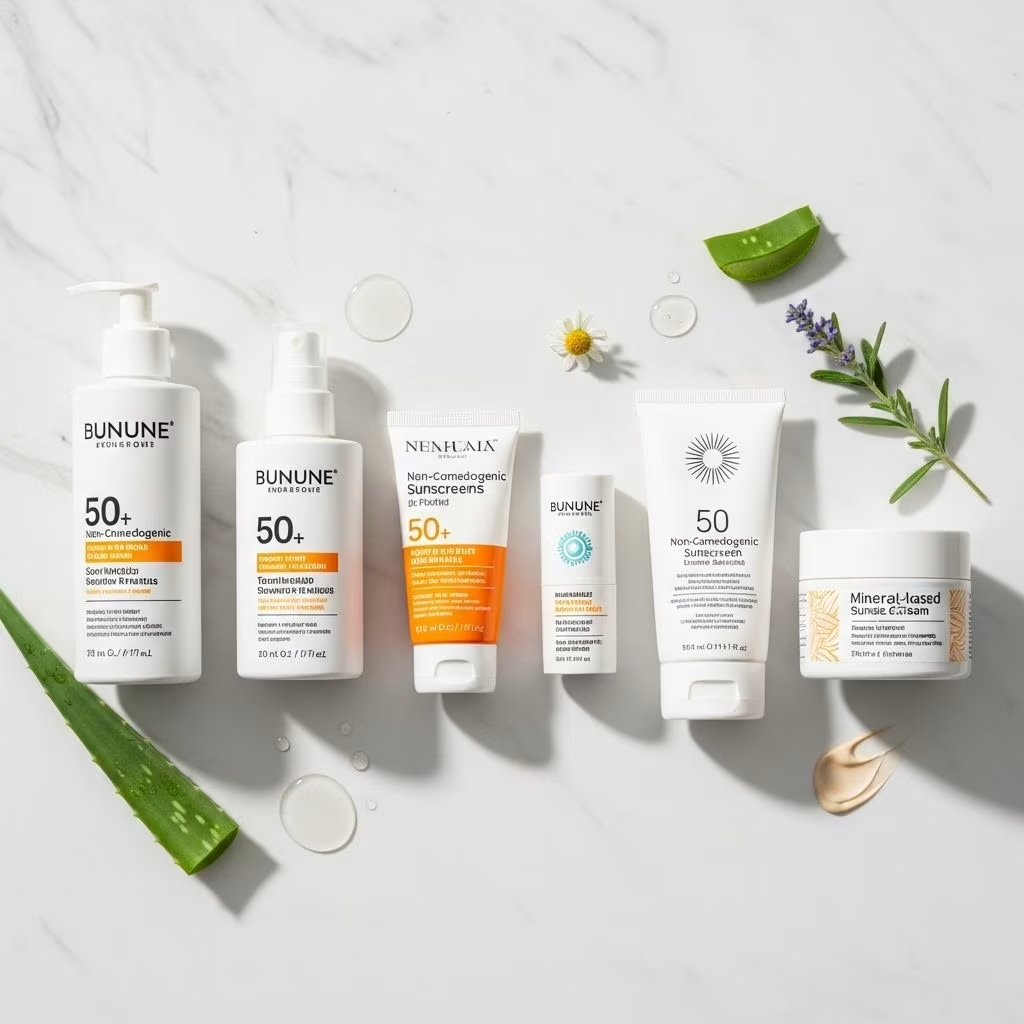
Sunscreen is a daily essential for preventing skin damage, premature aging, and skin cancer. However, for those with acne-prone, oily, or sensitive skin, choosing the right SPF can be challenging—many formulas can contribute to clogged pores and breakouts. Non-comedogenic sunscreens are specifically formulated to avoid blocking pores, offering broad spectrum protection without aggravating skin conditions or causing pimples.
This article presents an in-depth guide to non-comedogenic sunscreens, highlighting top products, essential criteria for choosing the best SPF for your skin type, ingredient insight, and frequently asked questions.
Why Choose Non-Comedogenic Sunscreens?
Non-comedogenic sunscreens are formulated to minimize the risk of clogging pores, which is a common culprit for acne, blackheads, and other skin issues. People with acne-prone, oily, or sensitive skin can benefit from SPFs that do not contain heavy oils or pore-blocking agents.
Unlike traditional sunscreens, non-comedogenic options are less likely to leave a greasy residue, trigger breakouts, or exacerbate existing skin conditions. This makes them especially suitable for daily wear, layered with other skincare and makeup products.
Besides breakout prevention, these sunscreens are often made with soothing ingredients that help calm inflammation and redness, improving overall skin comfort and resilience.
What Makes a Sunscreen Non-Comedogenic?
A sunscreen is considered non-comedogenic when its ingredients have been tested or selected for their low likelihood to block pores. Here’s what defines such a product:
- Free of comedogenic ingredients: Avoids oils such as coconut oil, cocoa butter, or heavy synthetic emollients like petrolatum.
- Lightweight formulation: Uses gels, serums, or fluid creams that absorb quickly and feel breathable on the skin.
- Mineral or chemical filters: Should be carefully formulated; both can be non-comedogenic with proper ingredient choices. Mineral formulas (zinc oxide, titanium dioxide) are often preferred for sensitive skin.
- No heavy fragrances or dyes: These can cause irritation or contribute to breakouts in sensitive or acne-prone skin.
- Dermatologist-tested: Many top-rated non-comedogenic sunscreens are recommended by dermatologists for safe daily use.
Common Comedogenic Ingredients to Avoid
- Mineral oil
- Palm oil
- Coconut oil
- Lanolin
- Petrolatum
- Isopropyl myristate
Top Rated Non-Comedogenic Sunscreens That Won’t Clog Pores
Various expert reviews and dermatologists highlight several standout products across the market. Below, a curated selection of best non-comedogenic sunscreens for different skin types and preferences:
| Product Name | SPF Level | Type | Key Ingredients | Good For |
|---|---|---|---|---|
| SKIN1004 Madagascar Centella Hyalu-Cica Water-Fit Sun Serum | SPF 50+ | Chemical | Niacinamide, Hyaluronic acid, Centella Asiatica | Hydration, soothing, sensitive skin |
| Beauty of Joseon Relief Sun : Rice + Probiotics | SPF 50+ | Chemical | Rice extract, Probiotics, Niacinamide | Calming, brightening, barrier support |
| Missha All Round Safe Block Aqua Sun Gel | SPF 50+ | Chemical | Hyaluronic acid, Vitamin E | Dehydrated, oily skin |
| DRMTLGY Broad Spectrum SPF 45 | SPF 45 | Mineral & Chemical | Niacinamide, Hyaluronic acid | Acne-prone, everyday wear, primer effect |
| Good Molecules Sheer Mineral Sunscreen SPF 30 | SPF 30 | Mineral | Zinc oxide, Allantoin, Hyaluronic acid | Redness relief, sensitive skin |
| Soleo Organics All Natural Sunscreen | SPF 30+ | Mineral | Micronized (non-nano) zinc oxide, botanicals | All ages, family-friendly, eco-conscious |
Most products also state their suitability for sensitive skin, with hypoallergenic and reef-safe claims, and are free of irritating synthetic fragrances or dyes. For more product choices and ingredient breakdowns, consult expert-curated sunscreen databases.
Affordable and Popular Choices
- Missha All Round Safe Block Aqua Sun Gel SPF 50+ (frequently cited as affordable and popular for oily, acne-prone skin)
- Luxe Organix Aqua Daily Sunscreen (minimal ingredient formula and cost-effective)
Key Ingredients in Non-Comedogenic SPFs
Understanding ingredient profiles can help you select sunscreens tailored to your skin’s unique needs. Here are common beneficial ingredients in non-comedogenic sunscreens:
- Niacinamide: Reduces inflammation, regulates oil, strengthens the skin barrier
- Hyaluronic acid: Provides lightweight hydration without greasiness
- Zinc oxide: Mineral UV filter, soothing and anti-inflammatory, suitable for sensitive skin
- Centella Asiatica: Calms irritation, supports skin healing
- Allantoin: Moisturizes and soothes redness
- Vitamin E: Antioxidant protection, helps prevent oxidative damage
Ingredients to Avoid
- Heavy or comedogenic oils (mineral oil, coconut oil, lanolin)
- Petrolatum, isopropyl myristate (thick occlusive agents)
- Added fragrances, dyes, sulfates, and parabens (may trigger sensitive skin reactions)
How to Choose the Right Non-Comedogenic Sunscreen for Your Skin
Selecting the ideal SPF involves more than choosing a non-comedogenic label. Consider these factors:
- Skin type: Dry skin benefits from hydrating ingredients (hyaluronic acid, glycerin), oily skin prefers gel or water-based formulas, sensitive skin needs minimal fragrance and gentle mineral filters.
- SPF rating: SPF 30 or higher is recommended for effective daily protection.
- Texture preference: Gel, fluid, serum, or cream—pick one that absorbs well and wears comfortably under makeup and other skincare.
- Eco-friendliness: Look for reef-safe and cruelty-free claims, especially for beach or outdoor use.
- Budget: Reliable SPFs are available at various price points—from drugstore favorites to luxury options.
- Formulation transparency: Review the full ingredient list for comedogenic ratings and potential allergens before purchase.
Application Tips for Maximum Protection and Comfort
Proper sunscreen application is essential for both protection and preventing possible pore congestion:
- Apply generously—use a nickel-sized amount for face and neck, reapply every two hours when outdoors.
- Layer SPF as the last step in your skincare routine, before makeup.
- If using other topical treatments (acne medications, retinoids), wait till they absorb fully before applying sunscreen to avoid pilling and ensure comfort.
- Choose non-comedogenic formulas for other layered products (moisturizer, foundation).
- For active sport or water exposure, select water-resistant, non-comedogenic SPFs and reapply more often.
Frequently Asked Questions
What does ‘non-comedogenic’ mean for sunscreens?
Products labeled non-comedogenic are designed not to block pores, lowering your risk of developing comedones (blackheads, whiteheads) and acne when applied regularly.
Can sunscreen itself cause acne or breakouts?
Some sunscreens contain oils and heavy occlusives that can congest pores. By choosing formulas free of known comedogenic ingredients and appropriate for your skin type, you minimize this risk.
Are mineral and natural sunscreens safer for sensitive skin?
Yes. Mineral filters such as zinc oxide and titanium dioxide are often gentler and less likely to cause irritation or breakouts, especially in sensitive or eczema-prone skin. Natural formulations also cut out synthetic dyes and fragrances.
How do I check a sunscreen’s comedogenic rating?
Research product labels, look for ingredient lists free of common pore-cloggers, or use online databases and reviews to check real-world performance for your skin type.
Is sunscreen necessary on cloudy days or indoors?
Yes. UVA rays penetrate clouds and glass, so daily sunscreen use is vital year-round, even inside or during overcast conditions.
Expert Tips for Clear, Sun-Protected Skin
- Test new products: Patch test any new SPF for a few days to ensure compatibility, especially if you have reactive or highly sensitive skin.
- Choose complementary skincare: Use a gentle, non-comedogenic cleanser and moisturizer to support sunscreen’s protective effects without irritating or blocking pores.
- Don’t rely on makeup with SPF alone: Makeup rarely provides adequate coverage and should not replace a dedicated sunscreen step.
- Check ingredient sources: Opt for products with transparent ingredient ratings and reviews for pore safety and real-life results.
- Remember body protection: Use non-comedogenic SPFs on areas prone to body acne, such as back and shoulders, especially when wearing skin-revealing clothing or participating in outdoor activities.
Final Thoughts
Non-comedogenic sunscreens are essential for maintaining clear, healthy, and protected skin—especially for those prone to acne, sensitivity, or congestion. By choosing formulas with lightweight textures, safe mineral or chemical filters, and beneficial supporting ingredients, you can enjoy daily sun care without the fear of breakouts or pore-clogging. Regular use, thoughtful product selection, and expert application tips will ensure that your skin remains radiant, comfortable, and safe under the sun.
References
- https://skinsort.com/products/non-comedogenic-allergen-free-sunscreens
- https://soleoorganics.com
- https://www.cosmopolitan.com/style-beauty/beauty/g60572511/best-non-comedogenic-sunscreens/
- https://notesbyalice.co.uk/top-spf-acne-prone-skin/
- https://natalieoneilll.com/best-sunscreens-clog-prone-skin/
- https://www.goodmolecules.com/s/good-molecules-sheer-mineral-sunscreen-spf-30-single
- https://www.metrodermdc.com/blog/sunscreen-for-acne-prone-skin-how-to-navigate-ingredients


