


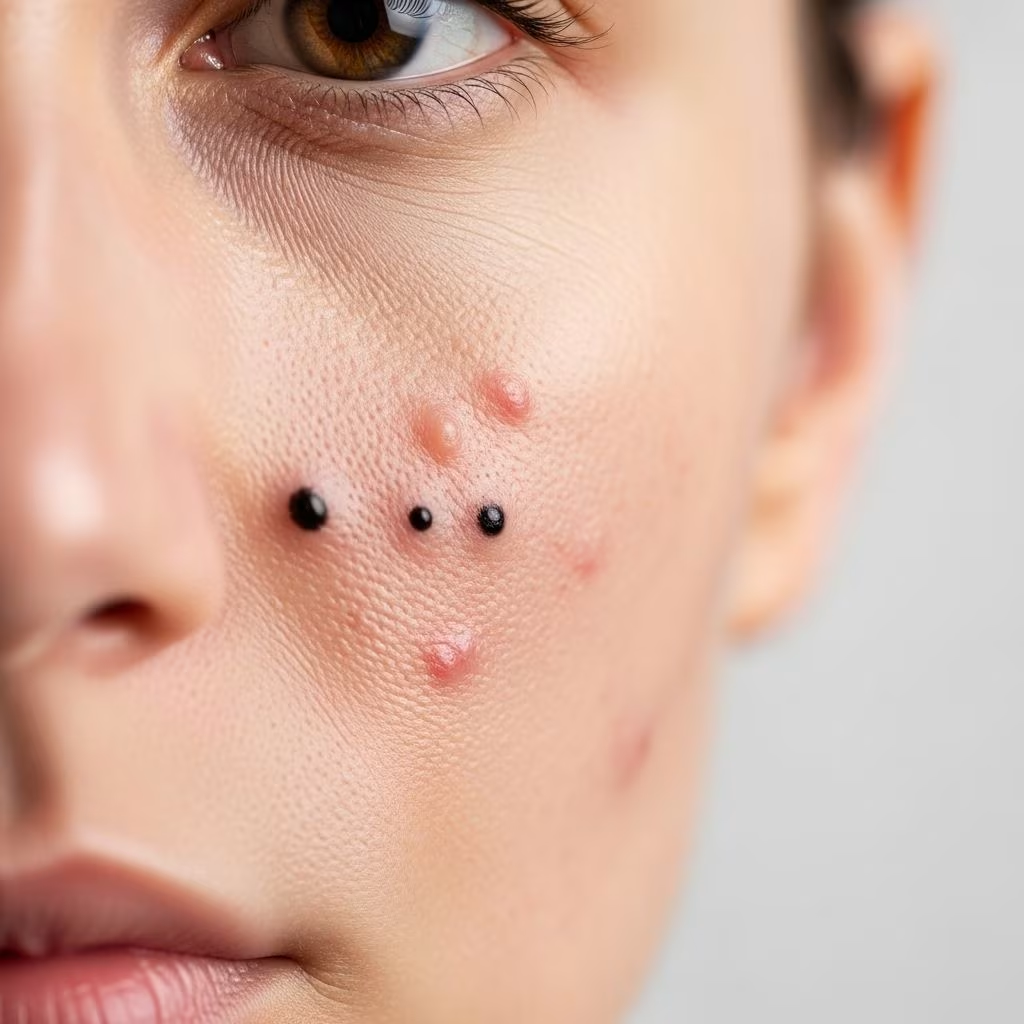
Acne Guide: Causes, Types, and Top Treatments for Clear Skin
Acne is a pervasive and often distressing skin condition that affects individuals of all ages, causing breakouts that range from mild blackheads to severe cystic lesions. Achieving clear skin requires a thorough understanding of acne’s causes, its multiple forms, and the variety of proven treatment and prevention options available. This comprehensive guide provides insights into why acne develops, the core types of acne, and effective solutions for managing and preventing breakouts.
What Is Acne?
Acne is a dermatological condition characterized by clogged pores resulting from excess oil (sebum), dead skin cells, and sometimes bacteria. This leads to a range of skin blemishes, including whiteheads, blackheads, papules, pustules, nodules, and cysts. Though commonly associated with adolescence, acne is prevalent across all age groups and can persist into adulthood, affecting self-esteem and quality of life.
How Common Is Acne?
- About 85% of teenagers experience acne at some stage.
- Up to 50% of adults aged 20–29 and 25% of adults aged 40–49 may continue to experience acne.
Common Causes of Acne
Acne is not caused by a single factor but rather a combination of internal and external triggers. Prevention and treatment require understanding and addressing these root causes.
- Hormonal fluctuations: During puberty, menstruation, pregnancy, menopause, and as a side effect of medications (e.g., corticosteroids, testosterone supplements).
- Excess sebum (oil) production: Promoted by increased hormone levels; leads to clogged pores.
- Bacteria: Propionibacterium acnes and other bacteria proliferate in blocked pores, triggering inflammation.
- Genetics: Family history can make some individuals more prone to acne.
- Diet: Diets high in refined carbohydrates, sugar, and dairy may exacerbate breakouts.
- Stress: Elevated cortisol levels worsen oil production and inflammation.
- Skincare Products: Ingredients that clog pores or irritate skin may contribute to acne (comedogenic products).
- Environmental factors: Humidity, sweat, pollution, and wearing face coverings or sports helmets.
Types of Acne
Acne presents in several distinct forms, each with unique causes and characteristics. Treatment strategies depend on the specific type of acne diagnosed.
1. Comedonal Acne (Non-Inflammatory)
- Blackheads: Open comedones; pores clogged with sebum and dead skin cells, oxidized to dark color.
- Whiteheads: Closed comedones; blocked pores that retain a white appearance.
Causes: Excess oil and dead skin cell buildup.
2. Inflammatory Acne
- Papules: Small, tender, red bumps – inflamed but not pus-filled.
- Pustules: Papules containing visible pus – yellowish-white center with inflamed base.
Causes: Bacterial infection and immune response.
3. Cystic Acne
- Cysts and nodules: Large, deep, and painful lumps under the skin; often lead to scarring.
Causes: Severe inflammation, trapped bacteria, hormones; commonly seen in hormonal acne.
4. Hormonal Acne
- Locations: Jawline, chin, neck.
- Features: Deep cysts, nodules, often linked to menstrual cycle fluctuations, pregnancy, menopause, and medications.
5. Fungal Acne
- Appearance: Small, uniform, itchy bumps, often on chest, back, face.
- Causes: Overgrowth of yeast (Malassezia) in hair follicles; distinct from bacterial acne; often triggered by humidity, sweating, or antibiotic use.
Acne Severity Grades
| Severity | Description | Common Lesion Types |
|---|---|---|
| Mild | Few comedones, occasional small papules | Whiteheads, blackheads, mild papules |
| Moderate | Multiple inflamed lesions, noticeable redness | Papules, pustules, occasional nodules |
| Severe | Extensive inflamed, painful, or nodulocystic lesions; frequent scarring | Cysts, nodules, scarring |
Top Treatments for Clear Skin
Acne treatment must be tailored to the type and severity of breakouts, as well as individual skin type. Often, combining treatments yields optimal results. Treatment is generally broken down into topical therapies, oral medications, and professional procedures. Persistence is crucial; most treatments require several weeks to months of consistent use to show significant improvement.
Topical Acne Treatments
- Benzoyl Peroxide: Kills bacteria, reduces inflammation, helps clear mild to moderate acne.
- Salicylic Acid: Exfoliates skin, unclogs pores, effective for comedonal acne and mild inflammatory acne.
- Retinoids: Vitamin A derivatives that speed up cell turnover, unclog pores, reduce inflammation (adapalene, tretinoin).
- Topical Antibiotics: Such as clindamycin, kill acne-causing bacteria and reduce redness.
- Azelaic Acid: Reduces bacteria, exfoliates, and lightens dark spots.
Oral Acne Treatments
- Oral Antibiotics: Used for moderate to severe inflammatory or cystic acne. Common agents include doxycycline, minocycline, tetracycline.
- Oral Contraceptives: For female hormonal acne, regulate hormonal fluctuations and reduce breakouts.
- Anti-Androgens: Spironolactone blocked testosterone effects, reducing oil production in women.
- Isotretinoin (Accutane): Powerful vitamin A derivative used for severe, treatment-resistant acne. Requires regular monitoring due to potential side effects.
Specific Treatments for Unique Acne Types
- Fungal Acne: Topical or oral antifungal agents, such as ketoconazole. Keep skin dry; shower after sweating.
- Cystic Acne: May need corticosteroid injections to rapidly reduce inflammation and nodule size.
Combination Therapy
Most dermatologists recommend combining therapies (e.g., retinoids plus benzoyl peroxide, or oral plus topical antibiotics) tailored to specific acne presentations for best results.
Important Considerations
- Give treatments time to work: at least 12 weeks before evaluating effectiveness.
- Discontinue and consult your provider if severe irritation, allergic reaction, or other side effects occur.
Lifestyle Changes and Prevention
Long-term acne management includes lifestyle adjustments and preventive measures that support healthy skin and minimize breakouts[10].
- Gentle cleansing: Wash affected skin no more than twice daily with mild cleansers. Avoid harsh scrubbing, which can worsen inflammation.
- Non-comedogenic products: Use makeup, sunscreen, and skincare labeled “non-comedogenic” or “oil-free”.
- Balanced diet: Consider limiting high-glycemic foods, sugar, and dairy if acne worsens after consumption.
- Hydration: Drink plenty of water to support skin’s natural healing and barrier function.
- Stress management: Reduce stress levels through exercise, mindfulness, and relaxation techniques to lower the risk of stress-induced breakouts.
- No picking or squeezing: Avoid popping pimples, which increases inflammation and risk of scarring.
- Regular showers: Especially after sweating to minimize fungal acne risk.
Professional Procedures & Emerging Therapies
If prescription or OTC therapies do not provide adequate results, professional treatments may help target stubborn or severe acne.
- Light & laser therapies: Target bacteria, reduce oil production and inflammation. May be effective for moderate and severe acne, though long-term efficacy is still under research.
- Chemical peels: Exfoliate skin using acids; useful for comedonal and mild inflammatory acne.
- Extraction procedures: Conducted by dermatologists to safely remove blackheads and whiteheads.
- Corticosteroid injections: Reduce severe inflammation in nodules and cysts.
Frequently Asked Questions (FAQs)
Q: Is acne only a teenage problem?
No. While acne is most common in adolescents due to hormonal changes, it can affect adults of all ages, with up to 25% of people over 40 still experiencing acne.
Q: Can my diet cause acne?
Diet isn’t the sole cause, but high-glycemic foods, dairy, and excessive sugar may trigger or worsen acne in some individuals. Every person’s skin responds differently.
Q: Why shouldn’t I pop pimples?
Popping pimples increases inflammation, causes infection spread, and raises the risk of scarring. Leave extractions to professionals for safety.
Q: Are over-the-counter (OTC) treatments effective?
Mild acne can often be improved with OTC products containing benzoyl peroxide, salicylic acid, or retinoids. Moderate or severe acne generally requires prescription therapies or professional treatment.
Q: Will acne treatment provide instant results?
No. Most therapies need 8-12 weeks of regular application to achieve visible improvement. Patience and consistency are key.
Takeaway
Acne’s effects extend beyond the surface, impacting confidence and comfort. Its causes are multi-faceted – from hormones and genetics to lifestyle and environmental triggers. With advances in topical, oral, and professional therapies, and the integration of thoughtful lifestyle changes, acne can be effectively managed for clear, healthy skin at any age. Consult a dermatologist for personalized diagnosis and treatment plans, particularly for persistent, severe, or scarring acne. Remember, clear skin is attainable with the right combination of science, care, and patience.
References
- https://www.tru-skin.com/blog/understanding-and-treating-different-types-of-acne
- https://www.goodrx.com/conditions/acne/acne-treatment-guide
- https://naturalimageskincenter.com/deep-dive-into-acne/
- https://my.clevelandclinic.org/health/diseases/12233-acne
- https://www.healthline.com/health/acne/definitive-guide-to-acne-everything-you-need-to-know
- https://www.ncbi.nlm.nih.gov/books/NBK459173/
- https://www.nhs.uk/conditions/acne/
- https://www.aad.org/member/clinical-quality/guidelines/acne
- https://www.aafp.org/pubs/afp/issues/2012/1015/p734.html
- https://skinwellness.com/learn/guide-to-managing-acne-birmingham-al-skin-wellness/


