


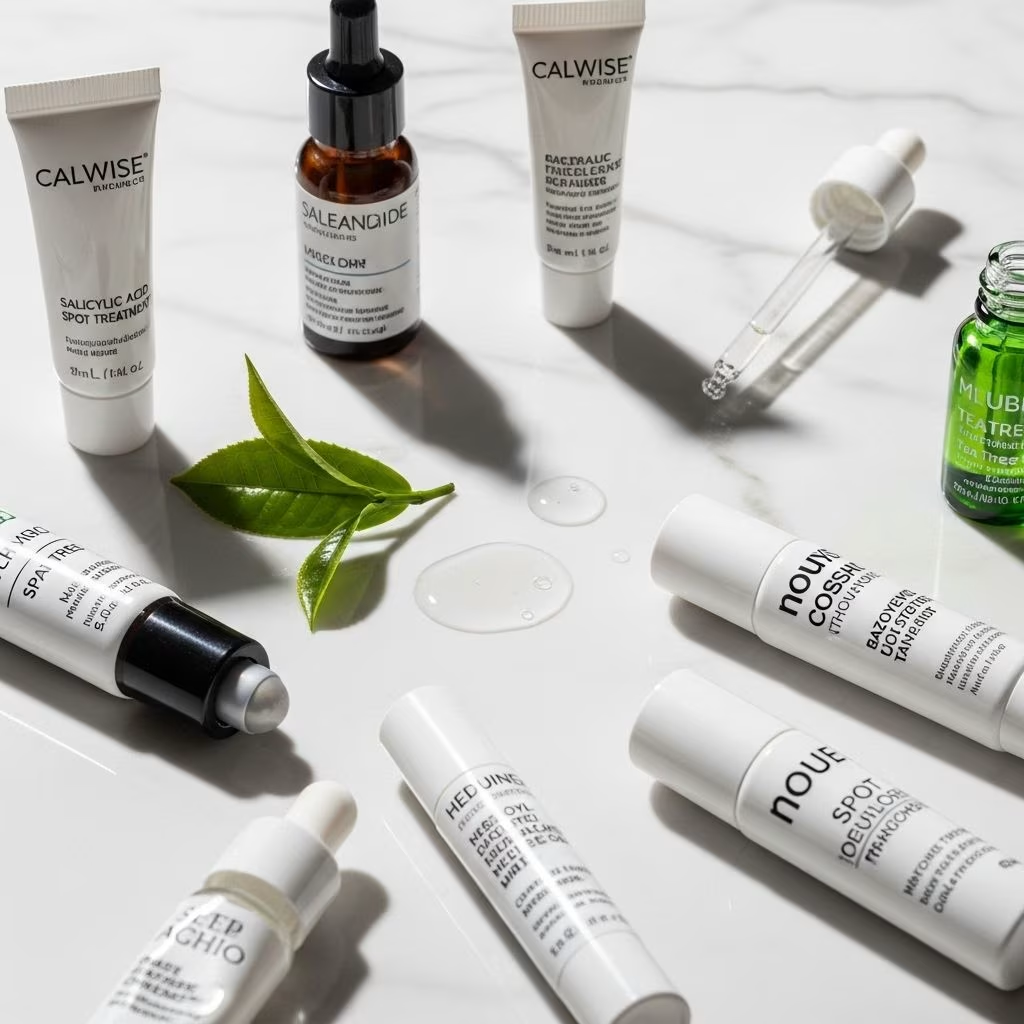
Spot treatments are targeted skincare solutions designed to rapidly address specific skin concerns, whether it’s a sudden acne breakout, dark spot, or another localized blemish. This guide provides everything you need to know—from essential ingredient science and mechanisms to the best available products, routines, and expert tips. Clear, healthy skin is achievable with the right strategies, and effective spot treatments can transform your complexion.
What Are Spot Treatments?
Spot treatments are concentrated skincare products formulated to target specific areas suffering from breakouts, dark spots, or other blemishes. Unlike general serums or creams, these treatments deliver high-potency ingredients directly to the problem area, providing faster and more visible results.
- Treat individual blemishes without affecting surrounding skin.
- Deliver fast-acting relief through potent active ingredients.
- Address a variety of concerns, including acne, post-acne marks, and hyperpigmentation.
Types of Spot Treatments and Their Uses
- Acne Spot Treatments: Target pimples, whiteheads, blackheads, or cystic acne. Commonly use ingredients like salicylic acid, benzoyl peroxide, or tea tree oil.
- Dark Spot Correctors: Target hyperpigmentation, post-inflammatory marks, and sun spots with ingredients like hydroquinone, niacinamide, or vitamin C.
- Hydrocolloid Patches: Protective, absorption-based patches that isolate and heal acne lesions, reducing inflammation and preventing picking.
Common Use Cases
- Treating newly formed acne lesions for rapid reduction.
- Calming inflammation and redness in blemished areas.
- Fading dark spots or blemishes resulting from acne, sun exposure, or injury.
Key Ingredients in Spot Treatments
| Ingredient | Main Benefits | Suitable For |
|---|---|---|
| Salicylic Acid | Unclogs pores, exfoliates dead skin cells, reduces inflammation | Acne-prone, oily skin |
| Benzoyl Peroxide | Kills acne-causing bacteria, reduces swelling | Severe acne, inflamed spots |
| Tea Tree Oil | Antimicrobial, anti-inflammatory | Sensitive, blemish-prone skin |
| Niacinamide | Reduces redness, controls oil, fades dark spots | All skin types, especially for post-acne marks |
| Hydrocolloid | Absorbs fluid, protects skin, speeds healing | Active pimples, wound care |
| Sulphur | Reduces bacteria, dries excess oil | Inflamed or cystic acne |
| Vitamin C | Brightens skin, fades hyperpigmentation | Dark spots, uneven skin tone |
How Spot Treatments Work
Spot treatments operate through several mechanisms, depending on the active ingredients used. The primary functions include:
- Exfoliation: Ingredients like salicylic acid and glycolic acid remove dead skin cells, unclog pores, and prevent new breakouts.
- Antimicrobial Action: Benzoyl peroxide and tea tree oil destroy acne-causing bacteria, lowering the risk of future lesions.
- Anti-inflammatory Effects: Licorice extract, niacinamide, and allantoin calm the skin, reducing redness and swelling.
- Barrier Protection: Hydrocolloid patches shield blemishes from dirt, bacteria, and further irritation, creating an optimal environment for healing.
- Pigment Reduction: Vitamin C, niacinamide, and botanical extracts target melanin synthesis to fade dark spots and post-acne marks.
Top Spot Treatment Products
The market offers numerous spot treatments, each formulated to address specific concerns. Below are some of the best products recommended by dermatologists and skincare experts:
- CosRx Pimple Master Patches
– Hydrocolloid technology for fast healing and protection.
– Reduces inflammation and prevents picking. - Murad Rapid Relief Spot Treatment
– Contains 2% salicylic acid for breakout control.
– Licorice and allantoin help soothe irritated skin. - The INKEY List Clear Skin Kit
– Combines salicylic acid and niacinamide.
– A streamlined regimen for targeting and preventing breakouts. - Kate Somerville EradiKate Acne Treatment
– Formulated with 2% sulphur and zinc oxide.
– Dries out active breakouts swiftly without irritation. - La Roche-Posay Effaclar A.I. Breakout Corrector
– Features soothing niacinamide, exfoliating salicylic acid, and gentle LHA.
– Precise application for individual pimples, suitable for sensitive skin. - Clean & Clear Advantage Acne Spot Treatment
– Fast-acting salicylic acid treatment.
– Reduces blemishes in just a few hours. - The Body Shop Tea Tree Oil
– Natural antibacterial properties.
– Effective for mild to moderate acne without harsh chemicals.
Other Noteworthy Picks
- CeraVe Blemish Control Gel Moisturiser (with niacinamide and ceramides)
- Solaris Labs NY SuperBlue Blemish Stick (soothing botanical blend)
- Fenty Skin Blemish Defeat’R BHA Spot Targeting Gel (BHA-focused, suitable for routine use)
- Paula’s Choice Skin Perfecting 2% BHA Liquid Exfoliant (dual benefit: treatments and prevention)
How to Apply Spot Treatments Effectively
- Start with a clean, dry face: Remove makeup and cleanse before applying any treatment.
- Apply treatment to the affected area only: Use a cotton swab or clean fingertip to dab product directly onto blemish or spot.
- Follow with moisturizer (if needed): Spot treatments can be drying, so layer a gentle moisturizer on top, unless using a hydrocolloid patch.
- Use treatment at targeted times: Most spot treatments are meant for nighttime use, but some (e.g., Murad Rapid Relief) are makeup-compatible for daily application.
- Do not overuse: Excess treatment can irritate skin. Follow the recommended frequency—usually once or twice daily.
Integrating Spot Treatments Into Your Skincare Routine
Spot treatments should be incorporated as part of a broader regimen for optimal results:
- Cleanse: Use a gentle, non-comedogenic cleanser to remove debris without stripping skin.
- Treat: Apply spot treatment to problem areas, not all over the face.
- Moisturize: Maintain hydration even if you have oily or acne-prone skin. Choose lightweight, oil-free formulas.
- Sunscreen: Daily sun protection is critical, especially when using ingredients like salicylic acid or benzoyl peroxide, which can increase photosensitivity.
For persistent or severe cases, consult a dermatologist for prescription options and tailored advice.
Common Mistakes to Avoid
- Overuse of strong actives: Multiple applications can lead to irritation, dryness, or increased redness.
- Applying to large areas: Spot treatments are designed for small, targeted application—avoid using as a full-face solution.
- Neglecting hydration: Even oily skin requires moisturization; skipping this can worsen inflammation.
- Ignoring product directions: Read and follow usage instructions to avoid unnecessary side effects.
- Picking or squeezing blemishes: Let the treatment work; mechanical disruption delays healing and can cause scarring.
Tips for Managing Spot-Prone Skin
- Consistency is crucial: Adhere to your routine, even when results are slow to appear—skin renewal takes weeks[10].
- Hydrate properly: Choose non-comedogenic moisturizers to prevent dryness and irritation.
- Lifestyle adjustments: Reduce stress, eat a balanced diet, and prioritize sleep for overall skin health[10].
- Minimize contact: Avoid touching your face throughout the day, as this transfers oils and bacteria and can trigger breakouts.
- Use gentle exfoliation: Regular but gentle exfoliation keeps pores clear without damaging the skin barrier.
Frequently Asked Questions
Q: Can spot treatments be used on sensitive skin?
Yes. Look for formulas with gentle ingredients such as niacinamide, tea tree oil, or soothing botanicals. Avoid strong actives like high-percentage benzoyl peroxide unless approved by a dermatologist.
Q: How quickly do spot treatments work?
Some products, like Clean & Clear Advantage Acne Spot Treatment, may reduce blemishes in as little as four hours, while hydrocolloid patches can show overnight results. Most treatments, especially for dark spots, require consistent use for several weeks.
Q: Should I moisturize after using a spot treatment?
Yes, unless using a leave-on patch. Hydration is important for all skin types; choose non-comedogenic moisturizers for oily or acne-prone skin.
Q: Are natural spot treatments effective?
Natural ingredients like tea tree oil offer proven benefits for mild acne, but some individuals may experience irritation. Always perform a patch test and consult an expert for persistent or severe cases.
Q: Can spot treatments prevent future breakouts?
Some products with preventative ingredients (e.g., salicylic acid, niacinamide) help regulate oil and prevent clogging. However, spot treatments are primarily for active breakouts; long-term prevention relies on consistent skincare and healthy habits[10].
Q: Can I use spot treatment with other actives or prescription acne medications?
Yes, but be cautious. Avoid layering multiple strong actives (e.g., retinoids, acids, benzoyl peroxide) to prevent irritation. Seek medical advice to ensure compatibility with prescription products.
Conclusion
Spot treatments are powerful allies in your skincare regimen, capable of shrinking pimples, fading dark spots, and delivering targeted relief exactly where you need it. By understanding ingredient science, application methods, and optimal routines—and avoiding common mistakes—you can achieve clearer, healthier skin. Consistency, patience, and expert guidance are key: with the right products and practices, radiant skin is within reach.
References
- https://www.cultbeauty.co.uk/blog/5-of-the-best-spot-treatments-2/
- https://luvly.care/blog/the-ultimate-guide-to-acne-prone-skin-products-that-make-a-difference
- https://brickellmensproducts.com/blogs/grooming-manual/what-is-spot-treatment
- https://asianbeautyessentials.com/blogs/the-idol-beauty-blog/best-spot-treatment-for-skin-your-ultimate-guide-to-radiant-skin
- https://www.goodrx.com/conditions/acne/acne-treatment-guide
- https://theordinary.com/en-us/blog/understanding-spot-solutions.html
- https://www.youtube.com/watch?v=GWVIRueGihI
- https://stillmansbeauty.com/blogs/news/dark-spot-cream-guide-to-fading-blemishes
- https://www.skinsurgerycenter.net/blog/a-dermatologist-s-guide-to-treating-hormonal-acne
- https://bareaddiction.com/blogs/skin-concern-education/ultimate-guide-to-managing-spot-prone-skin


