


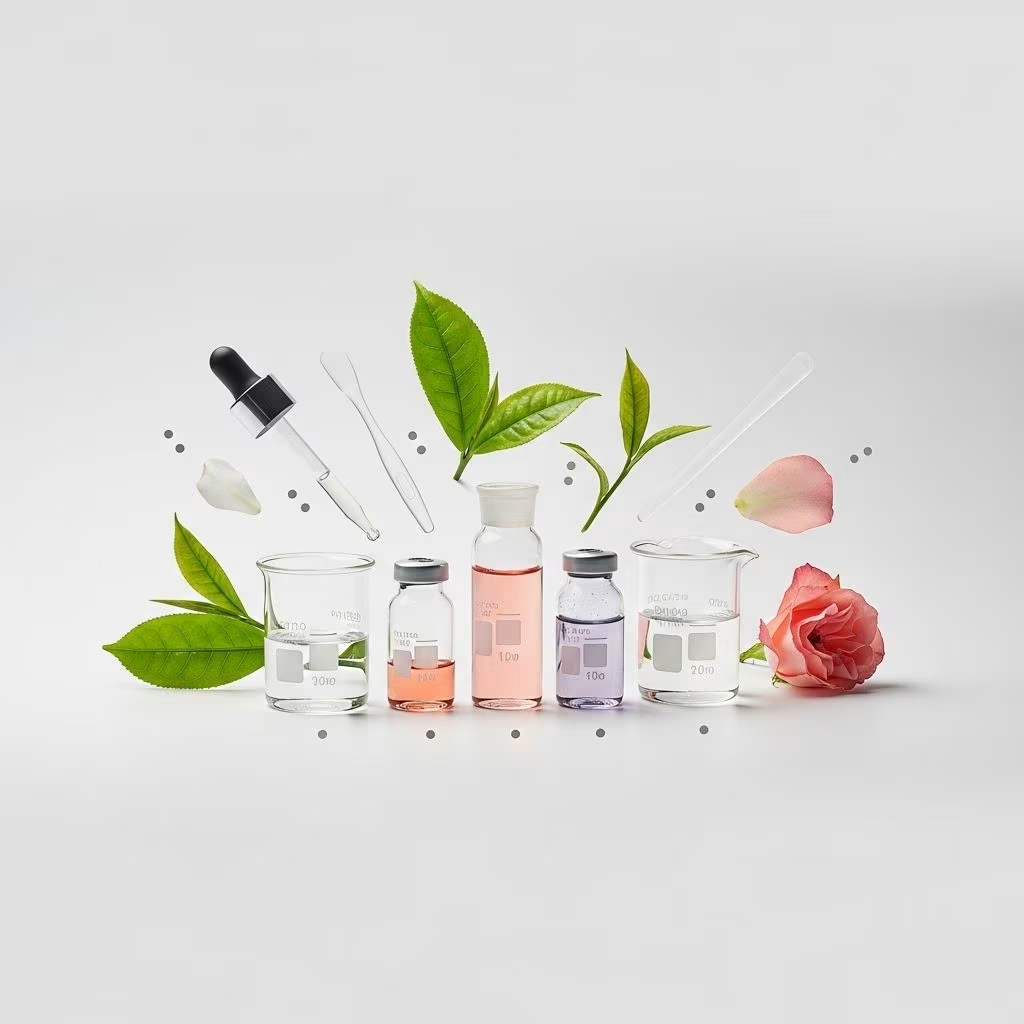
Introduction to Chelating Agents in Skincare
Chelating agents play a pivotal role in the skincare industry by manipulating metal ions, which can otherwise cause instability and degradation in cosmetic products. These agents form complexes with metal ions, effectively deactivating them and preventing unwanted reactions that might compromise the quality and shelf life of skincare products. In this article, we will delve into the world of chelating agents, exploring their functions, benefits, and applications in maintaining healthy and luminous skin.
What Are Chelating Agents?
Chelating agents are chemicals designed to bind with metal ions, such as iron and copper, which can naturally occur in water, ingredients, or equipment used in cosmetic formulation. This binding process, known as chelation, helps control the reactivity of these metal ions. By doing so, chelators prevent the breakdown of preservatives, stabilize product formulations, and ensure the products remain effective and visually appealing over time.
Benefits of Chelating Agents
Chelating agents offer several benefits that make them indispensable in skincare:
- Product Stability: By binding to metal ions, chelators prevent the oxidation and degradation of skincare products, which can lead to rancidity, discoloration, and off-odors. This ensures that products retain their effectiveness and appearance over time.
- Preservative Enhancement: Chelators work synergistically with preservatives to fight off microbial contamination by starving microbes of metal ions they might depend on for growth. This enhances the preservative action, making it more effective in maintaining product integrity.
- Skin Health: In skincare formulations, chelating agents can help mitigate the effects of metal ions on skin health. For instance, they can prevent hyperpigmentation caused by iron ions, promoting a more even skin tone and reducing the risk of skin damage from oxidative stress.
Common Chelating Agents Used in Skincare
Several chelating agents are commonly used in skincare formulations due to their effectiveness and safety:
- Ethylenediaminetetraacetic Acid (EDTA): EDTA and its derivatives, such as disodium EDTA and tetrasodium EDTA, are widely used in personal care products for their strong chelating properties.
- Etidronic Acid: Known for its ability to stabilize formulations and prevent metal ion-induced degradation.
- Galactaric Acid: A natural chelator that can be used in organic skincare formulations.
- Sodium Metasilicate: Often used in combination with other chelators for enhanced stability.
- Phosphate Derivatives: These are versatile and can be used in various types of skincare products.
Applications of Chelating Agents in Skincare
Chelating agents are used across a wide range of skincare products to enhance stability, efficacy, and appearance:
- Creams and Lotions: Prevent rancidity and discoloration, ensuring the longevity of active ingredients and maintaining product texture.
- Shampoos and Conditioners: Used to stabilize fragrances and colors, preventing haze formation and maintaining product clarity.
- Facial Wipes: Help preserve fragrance and prevent microbial growth, ensuring the wipes remain effective and safe to use.
- Deodorants and Antiperspirants: Enhance fragrance stability and provide antioxidant protection, particularly important when formulated with botanical actives.
Frequently Asked Questions (FAQs)
Q: Are chelating agents preservatives?
A: No, chelating agents are not preservatives themselves. They work by disabling metal ions that might interfere with preservatives’ effectiveness, thus enhancing the overall preservative system.
Q: How do chelating agents affect skin health?
A: Chelating agents can contribute to better skin health by preventing oxidative damage caused by metal ions, which can lead to skin discoloration and other issues.
Q: Are all chelating agents suitable for all skincare products?
A: Not all chelating agents are suitable for every product. The choice depends on factors like solubility, the water or oil phase of the formulation, and the specific needs of the product.
Conclusion
In conclusion, chelating agents are crucial components in skincare formulations, offering a range of benefits that enhance product stability, preserve active ingredients, and support skin health. By understanding the role and applications of these agents, skincare professionals can create more effective and reliable products that meet consumer expectations.
References
- https://www.lygos.com/blog/chelation-the-science-behind-shiny-hair-and-glowing-skin
- https://www.cosmeticsandtoiletries.com/cosmetic-ingredients/blog/21837705/deciphering-chelating-agent-formulas
- https://www.thecosmeticformulator.com/post/what-is-a-chelating-agent-and-why-is-it-used-in-cosmetic-formulation
- https://realizebeauty.wordpress.com/2015/08/18/the-beauty-of-chelating-agents-cosmetic-formulating-101/
- https://www.youtube.com/watch?v=hWZru1xkeNE
- https://www.paulaschoice.com/ingredient-dictionary/ingredient-chelating-agent.html
- https://chem.libretexts.org/Bookshelves/General_Chemistry/ChemPRIME_(Moore_et_al.)/22:_Metals/22.10:_Chelating_Agents
- https://www.ncbi.nlm.nih.gov/books/NBK548531/
- https://www.thinkdochemicals.com/vi/news/chelatingagentinskincaremanufacturer.html/
- https://www.cancer.gov/publications/dictionaries/cancer-terms/def/chelating-agent


