


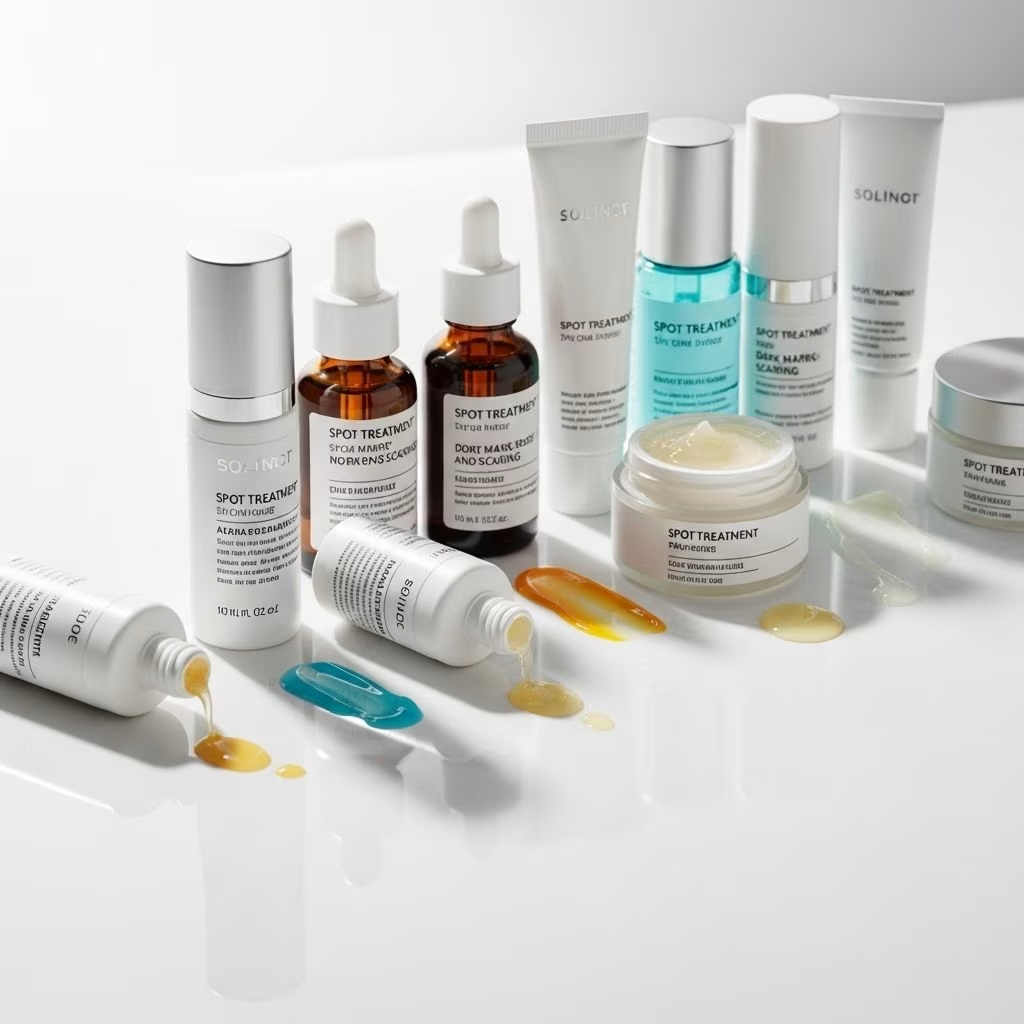
Dark marks and scarring, particularly following acne or skin injury, are common cosmetic concerns affecting people of all skin types and tones. While these imperfections are natural and harmless, many seek solutions to restore a smooth, even complexion. This guide covers key spot treatments for dark marks (hyperpigmentation) and scarring, including current research on efficacy, safety, and considerations for diverse skin tones.
Understanding Dark Marks and Scarring
Dark marks refer to areas of increased pigmentation (hyperpigmentation) that can arise after inflammation, injury, or acne. Scarring often results from deeper skin trauma and involves changes in texture, including depressions, raised areas, or lasting discoloration. Both concerns can have psychological impacts and present unique challenges for treatment due to variable causes and skin responses.
Types of Dark Marks & Scars
- Post-inflammatory hyperpigmentation (PIH): Flat, brownish areas resulting from skin inflammation or injury. Common in acne and more prevalent in darker skin types.
- Post-inflammatory erythema (PIE): Pink or red marks left after active acne, mostly in lighter skin tones.
- Atrophic scars: Depressed areas (icepick, boxcar, rolling) due to collagen loss, frequently after severe acne.
- Hypertrophic/keloid scars: Raised, thickened tissue where skin healed excessively. These are more common in darker skin.
- Sun spots (Lentigines): Persistent dark spots from sun exposure, often in aging skin.
Topical Treatments: Over-The-Counter and Prescription
Topical treatments are frequently the first line of defense against hyperpigmentation and mild scarring. Ingredients target melanin production, encourage cell turnover, or stimulate collagen synthesis.
Key Topical Ingredients
- Hydroquinone: The gold standard for fading dark marks. It works by inhibiting the enzyme tyrosinase involved in melanin production, effectively lightening existing pigmentation.
Note: Best used under dermatological supervision due to potential irritation and controversy over long-term safety, particularly above 2% concentration. Not suitable for all skin types. - Vitamin C (Ascorbic Acid): An antioxidant that protects skin from UV-induced free radical damage, brightens dark spots, and promotes collagen formation. Often found in serums and creams; safe for all skin types.
- Retinoids (Retinol, Tretinoin): Vitamin A derivatives that boost cellular turnover, fade hyperpigmentation, and improve skin texture. May cause initial irritation or sun sensitivity; gradual introduction recommended.
- Kojic Acid: Naturally derived from fungi; lightly inhibits melanin synthesis and is commonly used for mild to moderate dark marks.
- Alpha Hydroxy Acids (AHAs): Glycolic and lactic acid exfoliate skin, speed up cell turnover, and even out pigmentation. Can be found in peels and at-home products.
- Niacinamide: A form of Vitamin B3 that brightens skin, reduces redness, and offers anti-inflammatory properties. Usually safe for sensitive skin.
- Sunscreen (SPF ≥ 30): Though not a treatment per se, daily broad-spectrum sunscreen is essential to prevent worsening of dark marks.
How to Use Topical Treatments Effectively
- Apply treatments consistently, as directed, and only to affected areas.
- Start with lower concentrations to gauge skin tolerance—especially with hydroquinone, retinol, or acids.
- Pair with daily SPF to protect treated skin and prevent new pigmentation.
- Avoid mixing too many actives simultaneously which can cause irritation.
- Results are gradual: Expect 6–12 weeks of consistent use before evaluating progress.
Chemical Peels and Exfoliants
Chemical exfoliants and peels remove superficial skin layers to fade dark spots and smooth acne-scarred texture. Options range from milder at-home acids to deeper, professional-only treatments.
Types of Chemical Peels
- Superficial Peels: AHAs (like glycolic and lactic acid) or BHAs (like salicylic acid) in low concentrations; suitable for most skin types and useful for lighter pigmentation issues.
- Medium Peels: Trichloroacetic acid (TCA) or higher-strength glycolic acid; penetrates deeper for moderate discoloration and superficial scarring. Potential downtime and increased risk of irritation.
- Deep Peels: Phenol peels for significant scarring/discoloration—rare due to risks of pigmentation changes and longer recovery.
Chemical peels can be performed in-office or, for lighter strengths, at home. Always patch-test and consult a dermatologist for deeper or repeated procedures, especially for people with darker skin tones to minimize risk of post-inflammatory hyperpigmentation (PIH) and scarring.
In-Office Procedures: Advanced Dermatological Solutions
For marked or resistant marks and scarring, professional treatments deliver more substantial results. These are performed by trained clinicians and dermatologists to reduce the risk of adverse effects.
Microneedling
- Employs fine needles to create micro-injuries, stimulating new collagen and elastin production.
- Particularly effective for atrophic (depressed) scars and safe for all skin types, including darker skin.
- May be combined with Platelet-Rich Plasma (PRP) for enhanced healing and regeneration.
- Minimal downtime; redness resolves in a few days.
Laser Therapy
- Pulsed Dye Laser (PDL): Best for red scars (PIE) and some atrophic scars; encourages collagen remodeling. Effective for lighter and some darker skin, but caution needed to avoid PIH.
- Fractional Laser (e.g., Er:YAG, CO₂): Delivers controlled microthermal zones that remove scar tissue and stimulate healing. Appropriate settings must be tailored to individual skin type.
- Nd:YAG Laser: Used for deeper pigmented scars and effective on darker skin with lower PIH risk compared to other modalities.
- Risks: All lasers can cause temporary redness, swelling, potential PIH, and rarely, lasting pigmentation changes—expertise and proper selection is crucial.
| Laser Type | Best For | Suitable for Darker Skin? | Main Risks |
|---|---|---|---|
| PDL | Red, atrophic scars | With caution | Purpura, PIH |
| Er:YAG | Pitted facial scars | Yes (variable) | Erythema, PIH |
| Nd:YAG | Deep boxcar scars, pigment | Preferred | Mild swelling, rare pigment |
Microdermabrasion
- Mechanical exfoliation of the skin surface to lighten pigmentation and refine uneven texture.
- Boosts new collagen formation for mild scarring and sun spots.
- Safe for most skin types; mild redness for up to 24 hours is common.
Soft Tissue Fillers
- Injectable dermal fillers (hyaluronic acid, collagen) can “fill in” atrophic (indented) scars for a smoother surface.
- Results are temporary; repeat sessions needed to maintain improvements.
Steroid Injections
- Direct injections of corticosteroids can flatten hypertrophic and keloid scars.
- May be combined with laser or other treatments for best outcomes.
Treatment Considerations for Darker Skin Tones
People with medium to dark skin have higher melanin levels, leading to increased risk of PIH and keloid development after procedures. Selecting tailored treatments and expert care is essential.
- Use gentler concentrations of actives like hydroquinone and acids; avoid aggressive peels or poorly chosen lasers.
- Microneedling and select lasers (like Nd:YAG) are generally preferred for safety and efficacy in dark skin.
- Always combine actives and procedures with strict sun protection to minimize risk of further pigmentation changes.
Prevention and Post-Treatment Care
Proper care prevents new marks and helps maintain results post-treatment.
- Do not pick/squeeze blemishes: Advisable to minimize trauma and inflammation that cause pigmentation and scars[10].
- Apply sunscreen daily: At least SPF 30, ideally broad-spectrum and reapplied as required to prevent darkening of marks.
- Gentle skincare: Avoid harsh scrubs or irritants that might trigger reactive pigmentation.
- Follow provider instructions: Strict adherence aids optimal results and reduces complications after chemical peels, lasers, or microneedling.
- Moisturize and support wound healing: With appropriate emollients and barrier-protective creams.
Frequently Asked Questions (FAQs)
Q: How long does it take for dark marks to fade with topical treatments?
A: Most dark marks start to lighten in 6–12 weeks with diligent use of skincare actives and sunscreen, but larger or deeper spots may take longer.
Q: Are spot treatments safe for all skin types?
A: Many are safe when used correctly, but certain actives (high-concentration acids, peels, hydroquinone) and some lasers carry higher risk of irritation or PIH in dark skin. Patch-testing and professional guidance are recommended, especially for sensitive or darker complexions.
Q: Will scars and dark spots go away without treatment?
A: Milder pigment changes (such as PIH) can fade over time, but deep scars or stubborn marks typically benefit from active intervention for visible improvement[10].
Q: Which professional treatment is best for indented (atrophic) scars?
A: Microneedling, fractional lasers, and soft tissue fillers are among the best options. Choice depends on individual scar type, skin tone, and the expertise of the clinician.
Q: What are the potential side effects of spot treatments?
A: Common risks include redness, temporary irritation, flaking, and sun sensitivity. Stronger procedures (lasers, deep peels) can cause transient or lasting pigmentation shifts (PIH/hypopigmentation), scarring, and rare allergic responses. Professional assessment minimizes these risks.
Conclusion
Treating dark marks and scarring requires a tailored approach, balancing effectiveness with skin safety and individual needs. While over-the-counter products like vitamin C and niacinamide gently brighten the skin, prescription options (hydroquinone, retinoids) and procedural interventions (microneedling, lasers, fillers) offer more dramatic improvements for advanced cases. For all treatments, diligent sun protection and guidance from qualified professionals ensure the best results with minimal risk, especially in darker skin tones. Setting realistic expectations and maintaining a healthy skin regimen will help sustain improvements and foster greater skin confidence.
References
- https://pmc.ncbi.nlm.nih.gov/articles/PMC5749614/
- https://www.schweigerderm.com/skin-care-articles/spots/best-dark-spot-removal-treatments/
- https://www.michelegreenmd.com/acne-scar-treatment-dark-skin
- https://www.mayoclinic.org/diseases-conditions/acne/expert-answers/acne-scars/faq-20058101
- https://www.aad.org/public/everyday-care/skin-care-secrets/routine/fade-dark-spots
- https://dermatologyseattle.com/top-non-surgical-methods-for-treating-severe-acne-scarring-effectively/
- https://www.aad.org/public/cosmetic/scars-stretch-marks/laser-treatment-scar
- https://www.webmd.com/skin-problems-and-treatments/acne/acne-scar-skin-of-color
- https://www.brynmawrdermatology.com/the-best-treatments-for-acne-scars-a-dermatologists-guide/
- https://my.clevelandclinic.org/health/diseases/21222-acne-scars


