


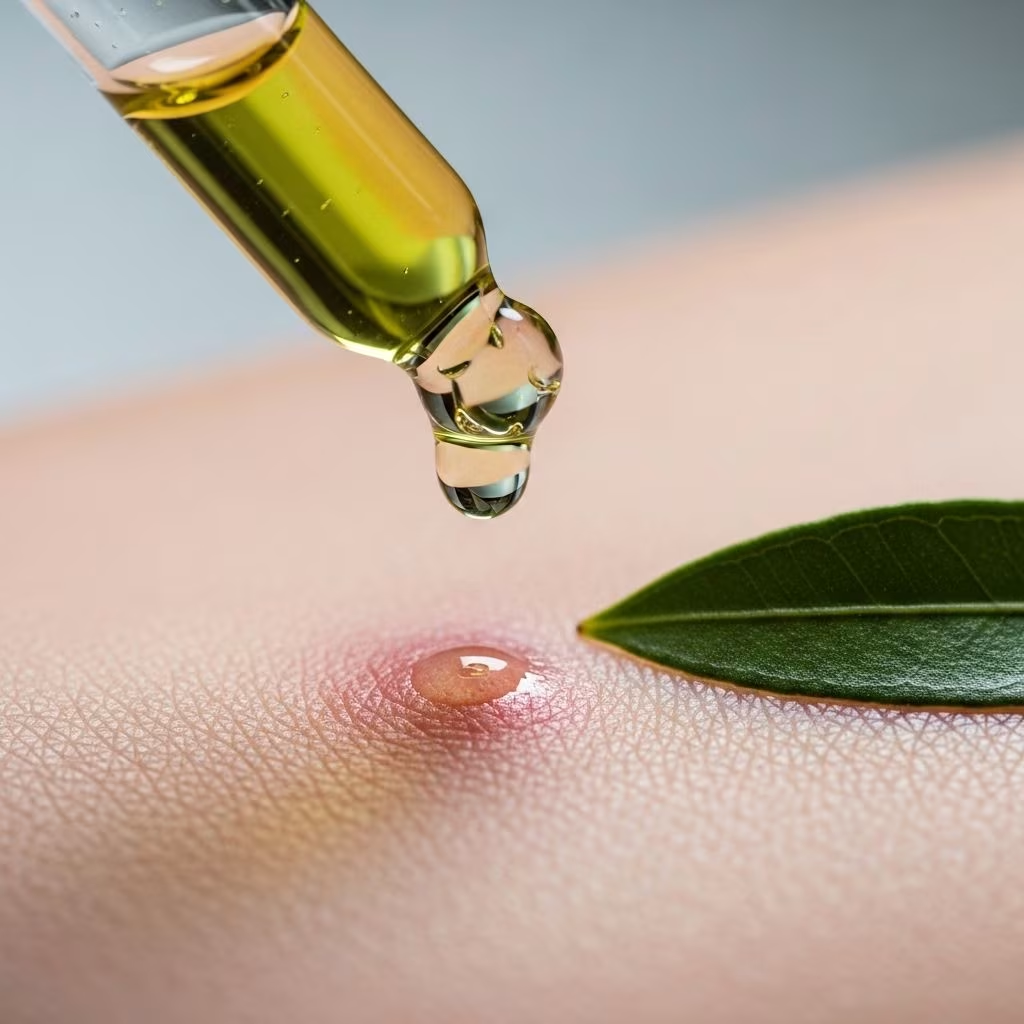
Introduction to Tea Tree Oil
Tea tree oil (Melaleuca alternifolia) is an essential oil derived from the leaves of the Australian tea tree, a plant used for centuries by Indigenous Australians for its antiseptic and healing properties. In modern skincare, tea tree oil is celebrated for its natural antibacterial, anti-inflammatory, and antifungal benefits, making it a popular choice for those seeking alternative or complementary treatments for acne and other skin concerns.
Benefits of Tea Tree Oil for Acne
Tea tree oil offers several advantages for acne-prone skin:
- Antibacterial Action: It helps eliminate acne-causing bacteria (Propionibacterium acnes), reducing the risk of new breakouts.
- Anti-inflammatory Properties: It soothes redness, swelling, and irritation associated with acne, especially inflammatory types like cystic acne.
- Sebum Regulation: Tea tree oil can help manage excess oil production, preventing clogged pores and future breakouts.
- Scar Reduction: Some studies suggest it may help minimize the appearance of hypertrophic acne scars when used consistently.
- Natural Alternative: It serves as a gentle, plant-based alternative to harsher chemical treatments.
How Tea Tree Oil Works on Acne
Tea tree oil combats acne through multiple mechanisms. Its antibacterial components target the bacteria responsible for acne, while its anti-inflammatory properties calm the skin, reducing redness and swelling. Additionally, by regulating sebum production, it helps keep pores clear, which is crucial for preventing acne formation in the first place. When applied as a spot treatment, tea tree oil can accelerate the healing of individual pimples and calm inflamed areas.
Types of Acne Tea Tree Oil Can Treat
Tea tree oil is versatile and can be used for various types of acne:
- Mild Acne: Regular use can improve minor breakouts and prevent new pimples.
- Inflammatory Acne: Its anti-inflammatory effects are beneficial for red, swollen, and painful pimples, including cystic acne.
- Body Acne: It can also be used on larger pimples on the back, chest, or other body areas.
- Acne Scars: May help reduce the appearance of some types of acne scars with consistent use.
How to Use Tea Tree Oil as a Spot Treatment
Tea tree oil is most effective when used as a targeted treatment for individual pimples. Here’s how to incorporate it into your routine:
Step-by-Step Application Guide
- Patch Test: Before using on your face, apply a diluted mixture to the inside of your elbow or forearm to check for skin sensitivity or allergic reactions. Discontinue use if irritation occurs.
- Cleanse: Wash your face with a gentle cleanser and pat dry. Removing excess oil and dirt ensures the tea tree oil can penetrate effectively.
- Dilute: Mix 1–2 drops of pure tea tree oil with a carrier oil such as jojoba, grapeseed, or coconut oil. Never apply undiluted tea tree oil directly to the skin, as it can cause irritation.
- Apply: Dip a cotton swab or pad into the diluted mixture and gently dab it onto the pimple. Avoid spreading it over unaffected areas to prevent dryness.
- Let Absorb: Allow the oil to absorb into the skin. There’s no need to rinse it off.
- Moisturize: Follow up with a non-comedogenic moisturizer, as tea tree oil can be drying.
- Frequency: Apply once or twice daily until the pimple heals.
Dilution Guide: How to Mix Tea Tree Oil Safely
Proper dilution is crucial for safe and effective use:
- Carrier Oils: Use jojoba, grapeseed, or coconut oil as your base.
- Ratio: A general guideline is 1–2 drops of tea tree oil per teaspoon of carrier oil, but you can adjust based on skin sensitivity.
- Alternatives: You can also dilute tea tree oil in aloe vera gel or a fragrance-free moisturizer for added soothing benefits.
| Tea Tree Oil | Carrier Oil | Ratio | Best For |
|---|---|---|---|
| 1 drop | 1 tsp (5ml) | 1:20 | Sensitive skin |
| 2 drops | 1 tsp (5ml) | 1:10 | Normal/Oily skin |
| 3–4 drops | 1 tsp (5ml) | 1:5 | Rarely recommended; may irritate |
Safety Precautions and Potential Side Effects
While tea tree oil is generally safe, it can cause side effects if misused:
- Skin Irritation: Redness, itching, or burning may occur, especially if applied undiluted or on sensitive skin.
- Allergic Reactions: Always perform a patch test before full application.
- Dryness: Tea tree oil can be drying, so follow up with moisturizer.
- Sun Sensitivity: Avoid sun exposure immediately after application, as it may increase photosensitivity.
- Not for Everyone: Discontinue use if irritation persists. Those with eczema or very dry skin should use extra caution.
- Ingestion Warning: Tea tree oil is toxic if swallowed; keep it out of reach of children and pets.
Tea Tree Oil vs. Other Acne Treatments
Comparing tea tree oil to other common acne treatments:
| Treatment | How It Works | Pros | Cons |
|---|---|---|---|
| Tea Tree Oil | Antibacterial, anti-inflammatory, regulates oil | Natural, less harsh, targets both bacteria and inflammation | Requires dilution, possible irritation, slower results than some actives |
| Benzoyl Peroxide | Kills bacteria, unclogs pores | Fast-acting, widely available | Can be drying, may bleach fabrics, potential irritation |
| Salicylic Acid | Exfoliates, unclogs pores | Effective for blackheads and whiteheads | May dry or irritate skin, not ideal for sensitive skin |
| Retinoids | Promotes cell turnover, prevents clogged pores | Effective for long-term acne management | Can cause redness, peeling, sun sensitivity |
Tea Tree Oil in Skincare Products
Many skincare products, such as cleansers, toners, spot sticks, and masks, contain tea tree oil in safe, pre-diluted concentrations. These products offer convenience and reduce the risk of improper use. Look for products with tea tree oil as a key ingredient if you prefer a ready-made solution.
Frequently Asked Questions (FAQs)
Q: Can I use tea tree oil directly on my skin?
A: No, tea tree oil should always be diluted with a carrier oil before applying to the skin to avoid irritation, redness, or allergic reactions.
Q: How often should I use tea tree oil for acne?
A: Apply once or twice daily to affected areas until the acne improves. Overuse may cause dryness or irritation.
Q: Can tea tree oil help with acne scars?
A: Some evidence suggests it may help minimize the appearance of hypertrophic acne scars with consistent use, but it is not a substitute for professional treatments.
Q: Is tea tree oil safe for sensitive skin?
A: While gentle, tea tree oil can still irritate sensitive skin. Always perform a patch test and use a lower concentration if you have sensitive skin.
Q: Can I mix tea tree oil with other acne products?
A: Avoid mixing tea tree oil with other oil-based products (like lemon or rosehip oil) as it may increase irritation. Consult a dermatologist before combining with other treatments.
Q: How long does it take to see results?
A: Results may take several days to weeks. Consistent, correct application is key for noticeable improvement.
Conclusion
Tea tree oil is a versatile, natural remedy that can effectively improve mild to moderate acne when used correctly as a spot treatment. Its antibacterial and anti-inflammatory properties make it a valuable addition to any acne-fighting skincare routine, especially for those seeking gentler, plant-based alternatives. By following proper dilution, application, and safety guidelines, you can harness the benefits of tea tree oil while minimizing the risk of irritation. For persistent or severe acne, or if you experience adverse reactions, consult a dermatologist for personalized care.
References
- https://www.stratumclinics.com/a-guide-to-tea-tree-oil-and-using-it-for-acne-spots/
- https://www.redmint.com/blogs/news/the-ultimate-guide-to-using-tea-tree-oil-for-acne-benefits-uses-and-precautions
- https://www.thepinkfoundry.com/blogs/news/how-tea-tree-oil-works-to-treat-acne
- https://cymbiotika.com/blogs/skin-health/how-to-dilute-tea-tree-oil-for-skin-a-comprehensive-guide
- https://pmc.ncbi.nlm.nih.gov/articles/PMC10295805/
- https://www.health.harvard.edu/staying-healthy/could-tea-tree-oil-help-treat-acne-or-athletes-foot
- https://www.webmd.com/a-to-z-guides/supplement-guide-tea-tree-oil
- https://australian-bodycare.com/products/spot-stick
- https://www.acnesupport.org.uk/treatment/tea-tree-oil/


