


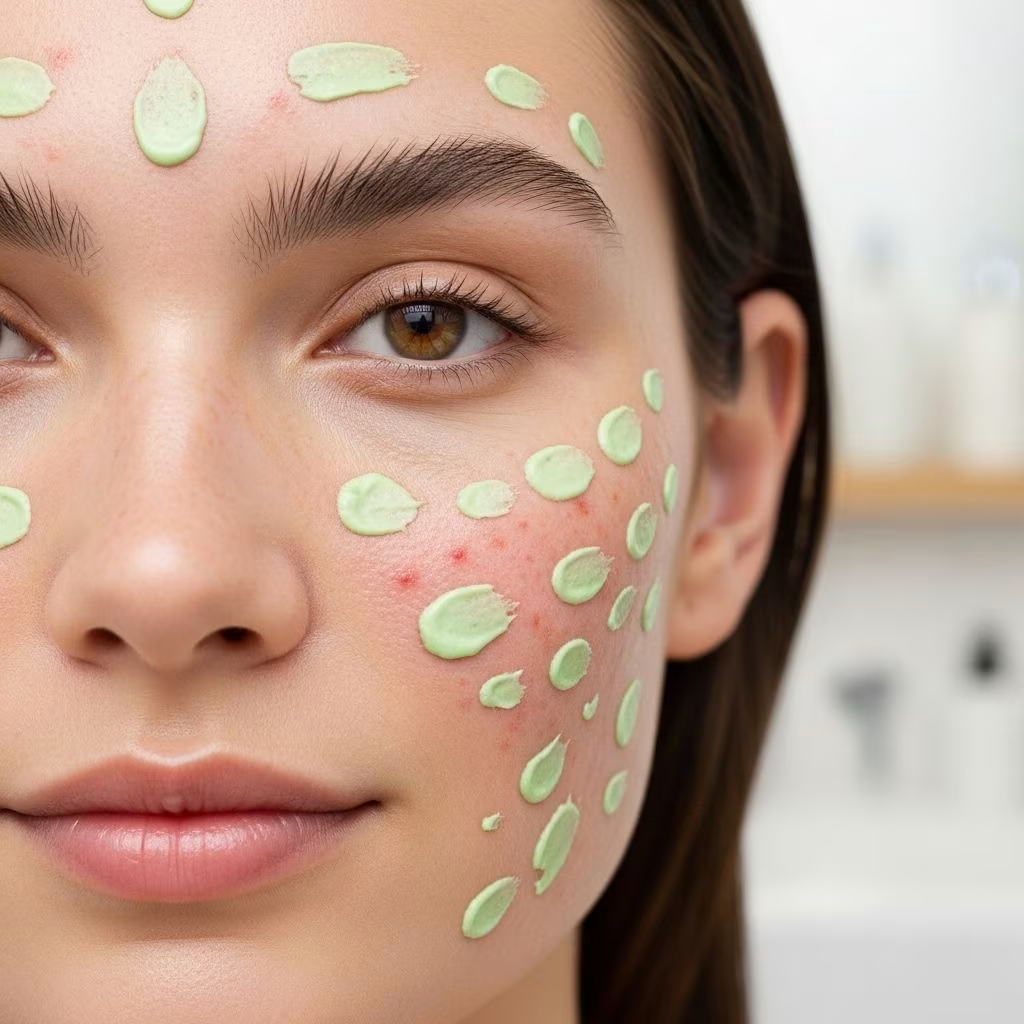
Green Spot Treatment for Redness: In-Depth Review
Green spot treatments using LED-based green light therapy have emerged as a promising solution for correcting skin redness, fading dark spots, and brightening complexion. This comprehensive review synthesizes clinical perspectives and user experiences to reveal core mechanisms, efficacy, indications, safety guidelines, and practical advice for those considering green spot treatments for sensitive, redness-prone, or hyperpigmented skin.
- Table of Contents
- Introduction
- The Science Behind Green Spot Treatment
- Key Mechanisms and Skin Benefits
- Clinical Efficacy & Dermatologist Opinions
- Safety, Precautions, and Side Effects
- Usage Guidelines & Best Practices
- Comparison: Green vs. Red Light Therapy
- User Experiences & Real-World Applications
- Frequently Asked Questions
- Summary & Key Takeaways
Introduction
Skin redness and uneven tone are common concerns for people with rosacea, sensitive skin, or post-inflammatory hyperpigmentation. Traditional topical treatments can be slow or irritating, prompting a surge of interest in non-invasive solutions. Green spot treatments—primarily utilizing targeted green LED (light-emitting diode) therapy—offer a gentle, scientifically supported route for calming redness and restoring clarity to the complexion.
This review covers how green spot treatments work, who they help most, how they compare to other therapies, and how to use them for optimal results.
The Science Behind Green Spot Treatment
Green light therapy is a specific branch of LED phototherapy. It operates at wavelengths of 500–570 nanometers (nm), influencing mainly the upper epidermal and superficial dermal layers of the skin. Unlike red light (which penetrates deeper), green light focuses on surface-level issues such as redness, pigment irregularities, and irritation.
The technology behind green spot treatments relies on precise targeting of affected areas via LED panels, masks, or hand-held devices. Short sessions deliver safe, controlled energy to the skin, triggering biological changes without damaging tissue.
- Wavelength: Most devices use energy in the 515–550nm range.
- Depth of Penetration: Targets upper skin layers, making it ideal for issues such as redness and hyperpigmentation.
- Technology Platforms: From professional clinic treatments to at-home LED masks and wands.
Key Mechanisms and Skin Benefits
Green spot therapy employs several core mechanisms:
- Regulation of Melanin Production: Green light gently slows melanin (pigment) synthesis, helping to fade dark spots and prevent new discoloration.
- Reduction of Vascular Inflammation: Calms superficial blood vessel responses responsible for redness, especially in rosacea or sensitive skin.
- Promotion of Skin Clarity: Results in a more even, radiant complexion by reducing scattered pigment and vascular marks.
Additional effects reported include:
- Anti-inflammatory action: May help cool irritation and support mild wound healing.
- Mild improvement in superficial scars: By calming inflammation and pigment excess.
- Relaxation: Some users report a calming sensation, potentially related to impact on the nervous system.
Who Benefits Most?
- People with redness-prone skin (including mild rosacea, post-inflammatory erythema, or sensitivity).
- Those with hyperpigmentation (dark spots, melasma, uneven tone).
- Individuals seeking gentle, non-invasive correction (especially those intolerant of stronger chemical treatments).
Clinical Efficacy & Dermatologist Opinions
Recent studies and expert commentary indicate measurable, albeit mostly moderate, improvements in skin clarity and reduction of redness after regular green light treatments. Dermatologists are generally supportive of green therapy for pigment and redness but caution that more research is needed for conclusive long-term efficacy.
- Dr. Ellen Marmur (NYC): “Green light is short and affects the first few layers of the epidermis… works well to decrease visible pigment and help with superficial redness.”
- Dr. Kiran Mian: Recommends green light for dark spots and general skin brightening.
- Limited clinical backing for rosacea: Green light may support balanced tone, but red light remains most reliable for deep inflammation.
- Studies suggest green light therapy can soothe irritation and fade hyperpigmented areas, though more robust randomized trials are needed.
In contrast, there is stronger clinical support for red light in deeper inflammatory conditions (rosacea, wound healing, etc.) due to its depth of action.
Safety, Precautions, and Side Effects
Green spot treatments are generally regarded as safe, gentle, and non-invasive, with minimal risk of side effects for most skin types. Key safety insights:
- Green light is well-tolerated, even on sensitive skin. Introduce gradually to avoid overstimulation.
- Skin photosensitivity: Those with photosensitive disorders, active eye conditions, or who are pregnant should avoid LED treatments or consult a healthcare provider first.
- Side effects: Rare; may include transient mild redness or slight dryness only with excessive use.
- Eye protection: Always use protective goggles during facial light therapy, especially near the eyes.
Consult a dermatologist before starting green spot treatments if you:
- Are receiving other light-based or chemical treatments.
- Have severe, unresponsive pigment disorders or underlying skin disease.
- Are pregnant or nursing.
Usage Guidelines & Best Practices
- Device selection: Choose LED devices with scientifically supported wavelengths (typically 515–550nm for green light). Avoid unverified products.
- Session duration: Typical recommendations are 10–20 minutes per session, 2–4 times per week.
- Prep skin: Clean skin thoroughly; remove makeup, sunscreen, and oils for better light absorption.
- Consistency: Noticeable improvement usually occurs after 4–6 weeks of regular use.
Combination Therapies: For those facing both deep inflammation and pigment issues, alternating green and red LED therapies delivers broader results. Always check compatibility with your skin type and consult a professional if combining modalities.
Comparison: Green vs. Red Light Therapy
| Criteria | Green Light Therapy | Red Light Therapy |
|---|---|---|
| Best For | Redness, dark spots, skin brightening | Wrinkles, scars, deeper inflammation |
| Penetration Depth | Surface level (epidermis/upper dermis) | Deep (reaches dermis) |
| Main Action | Reduces melanin, calms vascular inflammation | Boosts collagen, calms deeper inflammation |
| Who Should Use | Hyperpigmentation, rosacea, sensitive skin | Anti-aging, wound healing, muscle recovery |
| Side Effects | Rare, mild skin dryness or redness | May cause temporary redness in some |
User Experiences & Real-World Applications
Green spot treatments are used both in clinics and at home, with thousands of users reporting improvements in redness, post-acne marks, and general skin clarity. Some commonly cited benefits include:
- Reduction in visible redness after cosmetic procedures or flare-ups.
- Fading of superficial dark spots and blotchy patches from sun damage.
- Gentle enough for those with eczema, rosacea, or sensitive skin profiles.
User caution: Those expecting dramatic overnight results may be disappointed; gradual improvement is typical, with best results appearing after several weeks of continuous use.
Frequently Asked Questions
Q: How quickly can I expect visible results from green spot treatment?
A: Most users report subtle but noticeable positive changes within 4–6 weeks of regular use. Full results may require several months for persistent pigmentation or redness.
Q: Does green light help with rosacea?
A: Green light may support mild cases by reducing superficial flushing but lacks robust clinical backing for deep inflammatory rosacea—red light therapy is better documented for these cases.
Q: Are there risks of burns or hyperpigmentation?
A: Green LED treatments do not use heat or UV light, so they do not cause burns or increase pigment formation when used as directed.
Q: Can I use green light treatment with topical skincare?
A: Yes, but apply skincare after the LED session unless directed otherwise. Combining with pigment-fading serums (vitamin C, niacinamide) may enhance effects as long as the skin is not irritated.
Q: Who should not use green spot treatments?
A: Avoid if you have photosensitive disorders, active eye disease, or are pregnant. Always consult a healthcare provider before beginning therapy if you have medical concerns.
Summary & Key Takeaways
Green spot treatments for redness and pigmentation correction represent a safe, gentle, and increasingly popular approach for those seeking non-invasive options. The ability to regulate melanin, calm vascular inflammation, and brighten complexion makes green light therapy an attractive solution for sensitive and redness-prone skin types. While results vary and ongoing research is needed for some conditions (notably deep rosacea), most dermatologists and users agree that green spot therapy is a worthwhile adjunct to classic skincare routines—especially when paired with consistent, mindful use and professional guidance.
References
- https://lumivisage.com/blog/green-light-therapy-vs-red-light-therapy/
- https://www.womenshealthmag.com/beauty/a63575614/green-light-therapy/
- https://lumarasystems.com/blogs/news/what-color-light-therapy-for-rosacea
- https://trophyskin.com/pt/blogs/blog/how-does-green-led-therapy-affect-the-skin
- https://pmc.ncbi.nlm.nih.gov/articles/PMC3926176/
- https://skincarecompany.com/skincare/the-benefits-of-at-home-red-blue-and-green-light-therapy-for-face/
- https://pmc.ncbi.nlm.nih.gov/articles/PMC4439741/
- https://lumivisage.com/blog/should-you-use-green-light-for-hyperpigmentation/
- https://www.monadermatology.com/acne-light-therapy/


