


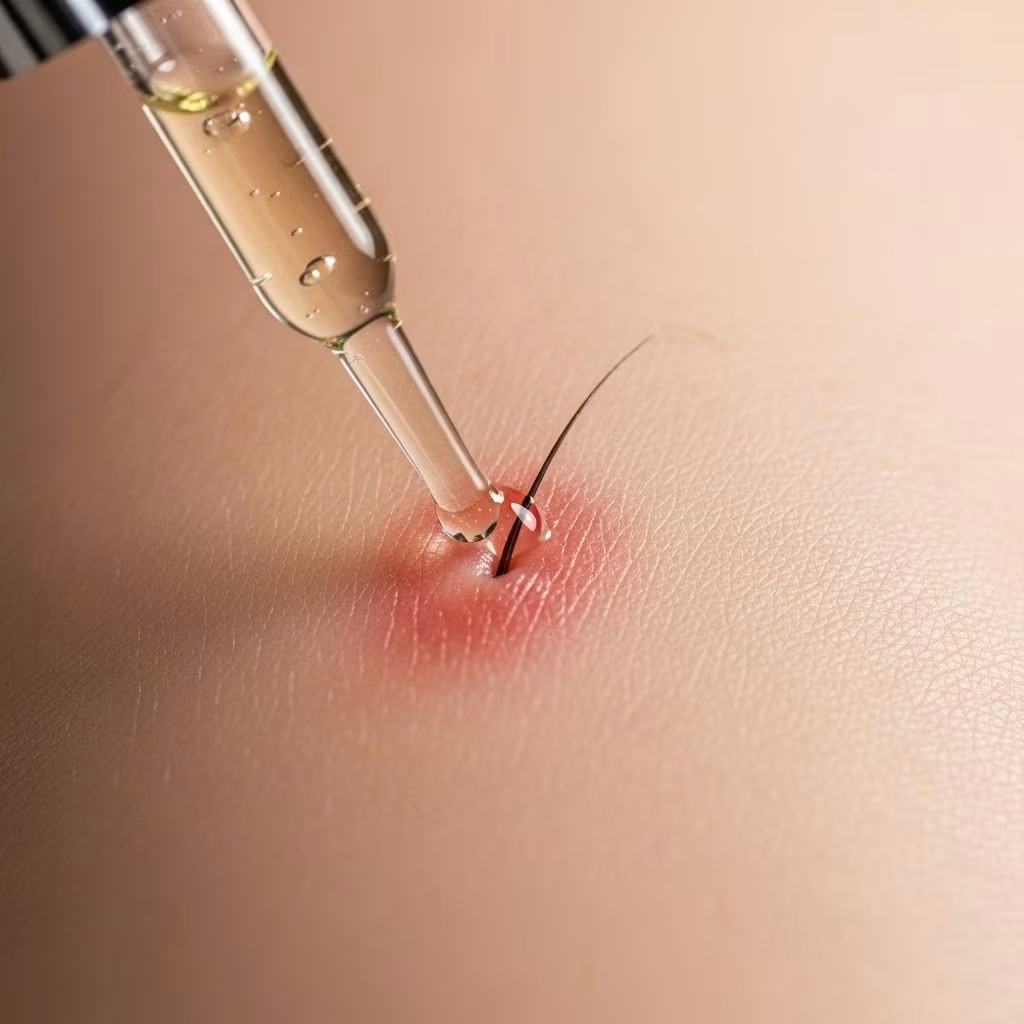
Spot Treatment for Ingrown Hairs: Comprehensive Guide
Ingrown hairs are a common and troublesome skin issue with the potential to cause discomfort, inflammation, and unsightly bumps. Effective spot treatment requires a combination of targeted ingredients, proper techniques, and expert tips for both relief and prevention. This guide presents an in-depth exploration of spot treatments for ingrown hairs, addressing causes, core ingredients, methods, and practices to achieve smoother, healthier skin.
Understanding Ingrown Hairs
Ingrown hairs occur when hair curls back or grows sideways into the skin instead of rising up from it. This results in localized inflammation, bumps, and occasionally infection. Ingrown hairs can develop anywhere hair is removed, such as the face, legs, bikini area, armpits, and even the scalp. Common symptoms include:
- Raised, red or discolored bumps
- Itching and tenderness
- Occasional pus formation (if infected)
- Dark spots after healing (post-inflammatory hyperpigmentation)
Understanding the underlying mechanisms is essential in choosing the right spot treatments and preventive strategies.
Causes and Risk Factors
Several factors contribute to the formation of ingrown hairs. Recognizing these can help modify grooming habits and select treatments that suit individual needs.
- Shaving, waxing, or tweezing: These hair removal techniques may leave sharp edges or cause hair to break beneath the skin’s surface, increasing the risk of ingrown hairs.
- Coarse, curly hair: Individuals with curly or coarse hair are more prone due to the hair’s natural tendency to curve back towards the skin.
- Friction: Tight clothing can irritate the skin and promote ingrown hairs, especially in areas like the thighs and bikini zone.
- Improper exfoliation: Dead skin cells can clog hair follicles, trapping new hairs beneath the surface.
- Infection risk: Scratching or picking at ingrown hairs can break the skin, allowing bacteria to enter and cause folliculitis or abscesses.
Spot Treatment Strategies
Spot treatments are products or methods applied directly to ingrown hair bumps to reduce inflammation, release trapped hairs, and speed healing. Key spot treatment strategies include:
- Dedicated spot treatment creams or gels: These usually contain exfoliating acids (such as AHAs and BHAs), anti-inflammatory agents, and soothing botanicals.
- Ingrown hair patches: Transdermal patches deliver active ingredients right to the affected area, offering both protection and focused treatment.
- Retinoid creams: Prescription retinoids accelerate skin cell turnover, helping clear blocked follicles and fade pigment.
- Laser or light therapies: Medical procedures can address recurrent or severe ingrown hairs, especially in cases resistant to topical care.
- Warm compresses & mild exfoliation: Soften the skin and can facilitate the release of trapped hairs.
Choosing the best method depends on the severity of the ingrown hair, skin type, and risk of post-inflammatory effects.
Effective Ingredients for Spot Treatments
The efficacy of a spot treatment largely hinges on its core ingredients. Below are the most researched and widely recommended options:
- Alpha Hydroxy Acids (AHAs): Glycolic acid and lactic acid promote gentle exfoliation, clear dead skin from pores, and reduce follicular plugging. AHAs can also help fade dark spots associated with healed ingrown hairs.
- Beta Hydroxy Acids (BHAs): Salicylic acid penetrates follicles to dissolve oil and dead skin even deeper than AHAs. It has anti-inflammatory properties and helps prevent future ingrown hairs.
- Retinoids: Topical retinoids, often prescription-based, stimulate skin renewal and can help with both ingrown hairs and pigment repair; progress is typically seen within two months.
- Soothing botanicals: Aloe vera, chamomile, calendula, or allantoin calm irritation and accelerate healing.
- Antibiotics: For infected ingrown hairs, topical or oral antibiotics may be recommended by healthcare providers to clear up minor or severe infections.
- Steroids: Topical corticosteroids can quickly reduce swelling and itching for severe inflammatory cases.
- Targeted brighteners: Ingredients like vitamin C, niacinamide, kojic acid, licorice root extract, arbutin, and azelaic acid disperse pigment and inhibit melanin production, addressing hyperpigmentation from previous ingrown hairs.
Application Techniques
Proper application maximizes the efficacy of spot treatments while minimizing risks of scarring or irritation:
- Cleanse thoroughly: Use mild soap and warm water to wash the affected area. Pat dry to prevent residue interference.
- Apply sparingly: Spot treatments are meant for local use only. Gently dab a small amount of product directly on the lesion using clean fingers or a sterile applicator.
- Use patches as directed: If using ingrown hair patches, apply to dry skin and leave on for the recommended period (often 6+ hours), with overnight treatment as an option.
- Follow up with supportive care: After spot treatment or patch removal, use gentle serums or moisturizers formulated for sensitive skin or areas prone to ingrowns.
- Never pick or dig at ingrown hairs: Physical interference risks worsening inflammation, infection, and permanent scarring.
Routine use enhances results; consistency and patience are necessary, especially for fading dark marks.
Managing Dark Spots and Hyperpigmentation
A frequent aftereffect of ingrown hairs is post-inflammatory hyperpigmentation (PIH), which appears as stubborn dark spots or uneven skin tone. These marks are particularly common in individuals with medium to dark skin tones, though all skin types may experience discoloration. The best approach combines exfoliation and pigment inhibitors:
- Exfoliation: Use AHAs or BHAs to accelerate shedding of pigmented skin cells.
- Pigment inhibitors: Ingredients such as vitamin C, niacinamide, kojic acid, arbutin, tranexamic acid, and licorice root block or disperse melanin, gradually fading spots.
- Sun protection: Regular use of broad-spectrum SPF prevents further darkening and supports healing.
- Patience: Hyperpigmentation fades gradually; expect several weeks or months of consistent treatment for optimal improvement.
Prevention Tips
Preventing ingrown hairs is more efficient than treating them after they appear. These practices reduce the risk:
- Modify hair removal methods: Use electric clippers, trim without shaving close to the skin, or switch to less irritating methods.
- Prepare skin beforehand: Cleanse and exfoliate prior to shaving, waxing, or tweezing.
- Sharpen and sanitize tools: Use clean, sharp razors or epilators to avoid irritation.
- Shave with the grain: Shaving in the direction of hair growth minimizes skin trauma.
- Avoid tight clothing: Loose-fitting garments reduce friction and irritation, especially post-hair removal.
- Moisturize consistently: Hydrated skin is more resilient, less prone to microtears and follicular occlusion.
- Regular gentle exfoliation: Use chemical exfoliants (AHAs/BHAs) 1–2 times weekly, but avoid over-exfoliation that can damage the skin barrier and worsen ingrown hairs.
Comparative Table of Spot Treatments
| Spot Treatment | Main Ingredients | Advantages | Potential Drawbacks |
|---|---|---|---|
| AHAs/BHAs Cream | Glycolic acid, lactic acid, salicylic acid | Powerful exfoliation, reduces blockages, fades dark spots | May cause irritation if overused, unsuitable for very sensitive skin |
| Ingrown Hair Patches | Microdart technology, exfoliants, soothing botanicals | Targeted action, protects from picking, easy overnight use | Less effective for deeply embedded hairs, requires clean and dry skin for adhesion |
| Retinoid Creams (Rx) | Tretinoin or other retinoids | Accelerates skin turnover, fades pigment, clears follicles | Requires prescription, may irritate initially, phototoxic risk |
| Steroid Creams | Corticosteroids | Quickly reduces swelling and itching | Not for long-term use, risk of skin thinning |
| Antibiotic Creams/Pills | Antibiotics | Resolves infected ingrown hairs, prevents abscess | May require medical guidance, risk of resistance |
Frequently Asked Questions (FAQs)
Do pimple patches work on ingrown hairs?
Pimple patches may reduce inflammation and fluid, but lack specialized ingredients for releasing trapped hairs and are not ideal for ingrown hair treatment. Dedicated ingrown hair patches are more effective for the specific problem.
Can I use spot treatments on infected ingrown hairs?
Yes, but if swelling or pus is extensive, consult a healthcare professional. Topical antibiotics and steroid creams may be required for infected or severely inflamed lesions.
How long does it take for an ingrown hair spot treatment to work?
Visible improvement is often seen in several hours to days for minor cases. For dark spots or severe inflammation, several weeks of consistent use may be needed.
Is it safe to sleep with ingrown hair patches?
Most patches are designed for prolonged wear, including overnight treatments, ensuring deeper penetration of active ingredients.
Should I remove the ingrown hair myself?
No. Avoid digging or trying to extract the hair—this increases risks of infection, scarring, and persistent inflammation. Let spot treatments and gentle exfoliation work naturally.
Do spot treatments also help with dark spots?
Yes. Many products combine exfoliants and pigment inhibitors to clear active ingrown hairs and fade residual discoloration over time.
Empowering Your Skincare Routine
Targeted spot treatments form the cornerstone of effective ingrown hair management. By selecting scientifically backed ingredients, following precise application methods, and integrating preventive practices, individuals can achieve smoother, clearer skin while minimizing the risks of hyperpigmentation and scarring. For persistent cases or severe infections, medical advice is recommended to optimize care and results.
References
- https://slmdskincare.com/blogs/learn/ahas-vs-bhas-which-is-better-for-ingrown-hairs
- https://mytopicals.com/blogs/ingrown-hair/managing-ingrown-hairs-and-dark-spots-tips-for-a-healthier-complexion
- https://furyou.com/blogs/fur-blog/why-you-should-use-ingrown-hair-pads
- https://www.mayoclinic.org/diseases-conditions/ingrown-hair/diagnosis-treatment/drc-20373898
- https://www.shopflamingo.com/products/ingrown-spot-treatment
- https://my.clevelandclinic.org/health/diseases/17722-ingrown-hair
- https://clarusdermatology.com/folliculitis-vs-ingrown-hairs/


