


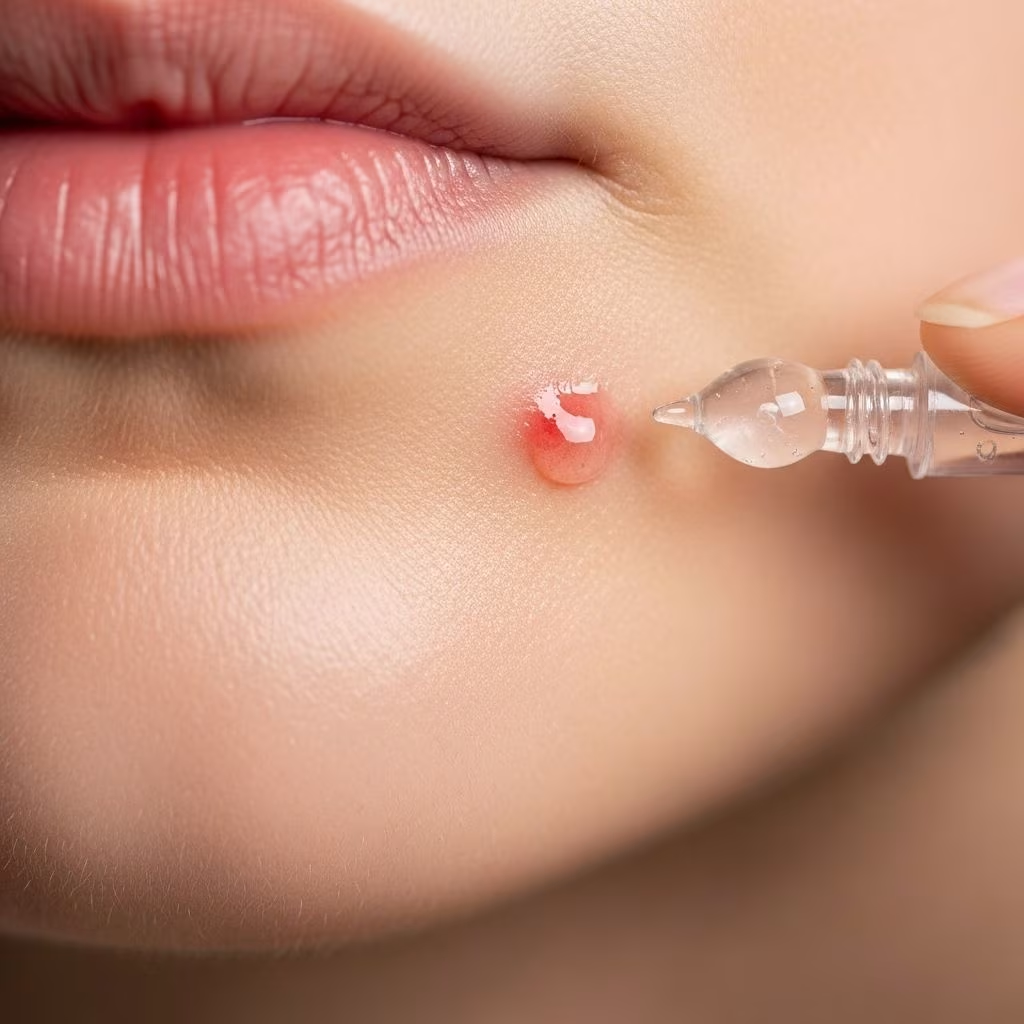
Chin acne is a particularly stubborn form of breakout that often defies conventional treatments. Known for its root in hormonal fluctuations and daily aggravators, chin acne requires a targeted, methodical approach for effective and lasting results. This guide synthesizes expert advice and current dermatological best practices to help you address chin acne—from spot treatments and at-home routines to professional therapies and long-term prevention.
Understanding Chin Acne: Causes and Types
Chin acne is notorious for being persistent and, often, hormonally-driven. Understanding the primary causes and the types of lesions is vital for successful spot treatment and prevention.
Primary Causes of Chin Acne
- Hormonal fluctuations (especially during menstruation, adolescence, pregnancy, or due to polycystic ovary syndrome)
- Excess oil production
- Clogged hair follicles by dead skin cells or sebum
- Bacterial infection (Propionibacterium acnes)
- External triggers (mask-wearing, touching face, cosmetics, shaving)
Unlike forehead or nose acne, chin breakouts frequently relate to hormonal surges and inflammation rather than only hygiene or surface oils.
Types of Chin Acne Lesions
- Comedones (Whiteheads and Blackheads): Small, non-inflammatory bumps.
- Papules and Pustules: Red, inflamed bumps—may contain pus.
- Nodules: Large, painful lumps deep within the skin, often persistent.
- Cysts: Severe, pus-filled blemishes that can scar and typically require professional care.
Assessment: Self-Check and Professional Diagnosis
Before beginning any chin acne regimen, accurately assess your skin’s needs.
Self-Assessment Checklist
- Severity: Mild (few lesions), Moderate (multiple), Severe (deep, numerous)
- Type: Predominantly comedonal, inflammatory, or mixed
- Frequency: Occasional, cyclical, persistent
- Pain Level: None, mild, significant
- Scarring: No marks, temporary marks, permanent scars
Professional Diagnosis
A dermatologist will examine:
- Skin type and condition
- Acne severity using dermatological scales
- Possible underlying causes (hormonal, dietary, medical)
- History of treatment
- Health and current medications
This expertise is crucial for severe, persistent, or scarring cases, or when standard at-home treatments fail.
At-Home Spot Treatments
For mild to moderate chin acne, over-the-counter spot treatments can provide significant improvement. Consistency and the right ingredients are key.
Effective OTC Ingredients for Spot Treatment
- Salicylic Acid (BHA): Penetrates pores, exfoliates, and reduces inflammation. Found in gels, cleansers, patches.
- Benzoyl Peroxide: Kills acne-causing bacteria and reduces inflammation. Use with a moisturizer to counteract dryness.
- Retinoids (e.g., adapalene): Increase cell turnover, unclog pores, fade dark spots. Start slowly to minimize irritation.
- Pimple Patches/Dressings: Hydrocolloid patches help absorb pus and oil while shielding lesions from picking and environmental irritants.
How to Apply Spot Treatments Effectively
- Start with clean, dry skin.
- Apply a thin layer directly to affected area using a clean fingertip or cotton swab.
- Wait before layering moisturizer or makeup to ensure absorption.
- For retinoids, avoid using them with benzoyl peroxide at the same time to reduce irritation—alternate evenings if needed.
- Use spot treatments at night for stronger ingredients; milder treatments or patches during the day if desired.
When Spot Treatment Isn’t Enough
If lesions are large, deep, or painful (nodules and cysts), at-home spot treatments are usually less effective, and professional care is warranted for quick relief and to minimize scarring.
Prescription & Professional Treatments
For moderate to severe and hormonally driven chin acne, prescription-strength and in-office therapies are often necessary.
Topical Prescription Medications
- Prescription Retinoids: Tretinoin, tazarotene, trifarotene; require slow introduction to minimize irritation.
- Topical Antibiotics: Clindamycin, erythromycin—usually combined with benzoyl peroxide to prevent resistance.
- Azelaic acid: Antibacterial, anti-inflammatory, helps lighten dark spots caused by previous acne.
- Clascoterone (Winlevi): A topical anti-androgen for hormonally-driven acne.
Oral Medications
- Oral Antibiotics: Doxycycline, minocycline, azithromycin—short-term use only, often for 3-6 months.
- Hormonal Therapy (especially for women): Combined oral contraceptives and anti-androgens like spironolactone; these are particularly effective for chin acne that worsens around periods.
- Isotretinoin (Accutane): Reserved for severe, resistant, scarring acne—requires specialist supervision due to potential side effects and strict safety guidelines.
Professional In-Office Procedures
- Chemical Peels: Salicylic or glycolic acid peels to exfoliate, unclog pores, and improve texture.
- Manual Extractions: For blackheads or whiteheads; should only be performed by trained professionals.
- Corticosteroid Injections: Immediate relief for large cysts or nodules; reduce inflammation quickly, but only for emergency use.
- Light and Laser Therapies: Laser treatments, such as Aviclear or IPL, shrink oil glands, reduce bacteria, and improve scars—most effective for moderate to severe, persistent chin acne.
Creating an Effective Skincare Routine
Routine is crucial to both spot treat active breakouts and prevent new ones, especially for chin-prone skin.
Morning Skincare Routine
- Cleanse: Use a gentle, pH-balanced, non-comedogenic cleanser with lukewarm water.
- Treatment: Apply topical spot treatment (if daytime-appropriate) or your dermatologist-prescribed medication.
- Moisturizer: Oil-free, non-comedogenic formulas with hydrating ingredients (hyaluronic acid, ceramides).
- Sunscreen: Broad-spectrum SPF 30 or higher, non-comedogenic. Reapply every 2 hours if outside.
Evening Skincare Routine
- Double Cleanse: If wearing makeup or sunscreen, remove with an oil-based cleanser, then follow with gentle foaming/cream cleanser.
- Targeted Treatment: Retinoids, benzoyl peroxide, or other night-only prescription/OTC treatments.
- Moisturize: Night creams or gels to support barrier repair, replenish hydration.
General Skincare Tips
- Avoid over-cleansing (once to twice daily is sufficient).
- Do not scrub harshly or use abrasive exfoliants.
- Always patch-test new products and introduce one at a time.
Prevention and Lifestyle Tips
Long-term chin acne control extends beyond spot treating—it requires awareness of daily habits and health factors.
- Avoid touching your chin and jawline—hands carry bacteria and oils that aggravate acne.
- Change pillowcases frequently (at least weekly).
- Cleanse thoroughly after sweating (workouts, hot weather).
- Use non-comedogenic and fragrance-free makeup/cosmetic products.
- Remove makeup before bed to prevent pore-clogging.
- Maintain a balanced diet; high-glycemic and dairy-heavy diets may worsen hormonal acne for some.
- Manage stress to reduce hormonal fluctuation impacts.
- Consult with a healthcare professional if you suspect underlying hormonal, medical, or medication-related triggers.
Common Mistakes to Avoid
- Popping or picking at pimples: This increases inflammation, spreads bacteria, and can lead to scarring.
- Overdrying or over-cleansing: Stripping natural oils may trigger compensatory oil production and worsen breakouts.
- Mixing too many active ingredients at once: Can irritate skin and reduce treatment efficacy.
- Neglecting sun protection while using potent topicals: Retinoids, acids, and benzoyl peroxide can make skin more photosensitive, risking burns and pigmentation.
- Ignoring persistent cystic or nodular chin acne: These deep blemishes rarely resolve with only at-home methods and can scar if left untreated.
Frequently Asked Questions (FAQs)
Q: Why is chin acne often more persistent and inflamed?
A: Chin acne is commonly linked with hormonal fluctuations and tends to be more inflammatory due to the density of oil glands and hormone receptors around the jawline. This is why it often recurs and can require specific, targeted therapies.
Q: Can I use the same spot treatments on my chin that I use elsewhere on my face?
A: Most spot treatments—salicylic acid, benzoyl peroxide, and retinoids—are safe for chin use, but be mindful of sensitivity and avoid combining actives that irritate your skin. Always patch-test first.
Q: How soon should I see results from spot treating chin acne?
A: Mild pimples may shrink in 2-4 days with effective spot treatments, but hormonal or cystic chin acne requires several weeks to months for noticeable improvement. Compliance and patience are vital.
Q: When should I see a dermatologist?
A: Consult a dermatologist if your chin acne is severe, cystic, painful, or scarring, or if OTC treatments fail to yield improvements within 6-8 weeks.
Q: Are there natural remedies for chin acne?
A: While tea tree oil and certain botanicals have some antibacterial effects, their efficacy is limited compared to dermatologist-recommended treatments. These may complement but shouldn’t replace proven therapies.
Summary Table: Chin Acne Topical Treatments
| Medication | Main Effect | Best For | Notes |
|---|---|---|---|
| Salicylic Acid | Exfoliates, clears pores | Whiteheads, blackheads, mild acne | Available OTC, low irritation risk |
| Benzoyl Peroxide | Kills bacteria, reduces inflammation | Inflamed pimples, pustules | May cause dryness, bleach fabrics |
| Adapalene (Retinoid) | Increases cell turnover | Comedones, prevention | Start slowly (2-3x/week), sun sensitivity warning |
| Tretinoin, Tazarotene | Strong prescription retinoids | Moderate-severe, resistant acne | Require doctor’s prescription, higher irritation |
| Clindamycin/Erythromycin | Reduces bacteria/inflammation | Inflamed acne, used with BP | Short-term use, not for monotherapy |
| Azelaic Acid | Anti-inflammatory, fades spots | Inflamed acne, post-inflammatory pigmentation | Gentle, safe in pregnancy |
Spot treating chin acne is equal parts precision and patience—success relies on using the right ingredients, adapting your skin routine, and knowing when to seek professional support. With this detailed, science-backed approach, you can effectively manage and minimize chin acne for clear, healthy skin.
References
- https://www.cosmopolitan.com/style-beauty/beauty/a45326984/how-to-get-rid-of-chin-acne/
- https://liniaskinclinic.com/chin-acne-guide/
- https://www.aad.org/public/diseases/acne/derm-treat/treat
- https://www.skinsurgerycenter.net/blog/a-dermatologist-s-guide-to-treating-hormonal-acne
- https://www.mayoclinic.org/diseases-conditions/acne/in-depth/acne-treatments/art-20045814
- https://health.clevelandclinic.org/acne-face-map
- https://www.yalemedicine.org/news/treating-acne-at-home
- https://www.nhs.uk/conditions/acne/


