


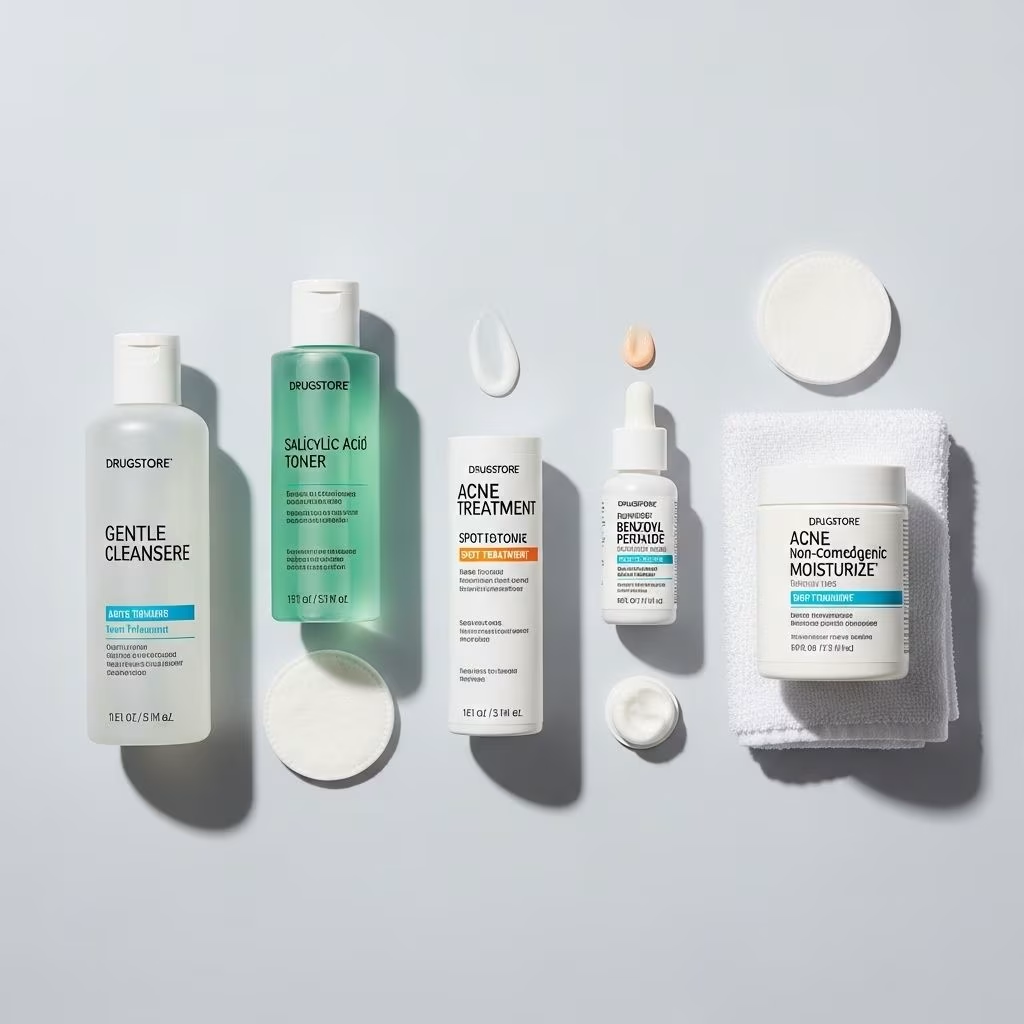
Dealing with acne doesn’t have to drain your wallet. Despite what luxury skincare brands might suggest, effective acne treatment is achievable with carefully selected drugstore products that cost less than $50 total. Dermatologists consistently emphasize that simple, consistent routines with proven ingredients often outperform expensive, complicated regimens.
The key to successful acne treatment lies not in the price tag but in understanding which ingredients work and how to use them properly. Many drugstore brands now offer formulations that rival high-end products, containing the same active ingredients dermatologists recommend at a fraction of the cost.
Why Drugstore Acne Products Work
Drugstore acne products have evolved significantly over the past decade. Major pharmaceutical companies now produce over-the-counter treatments using the same research and quality standards as prescription medications. The active ingredients in drugstore products—salicylic acid, benzoyl peroxide, niacinamide, and retinol—are identical to those found in expensive formulations.
The misconception that expensive equals effective has been debunked by numerous dermatological studies. In fact, simpler formulations often work better for acne-prone skin because they contain fewer potentially irritating ingredients like fragrances, essential oils, and complex botanical extracts that can trigger breakouts.
Key advantages of drugstore acne products include:
Consistent availability and accessibility across most locations, making it easy to maintain your routine without interruption. Standardized formulations that undergo FDA oversight ensure quality and safety standards. Cost-effectiveness allows for consistent long-term use, which is crucial for acne management.
Essential Ingredients for Acne Fighting
Understanding acne-fighting ingredients helps you make informed choices when building your routine. Each ingredient tackles different aspects of acne formation, from excess oil production to bacterial growth and inflammation.
Salicylic Acid (Beta Hydroxy Acid)
Salicylic acid penetrates deep into pores to dissolve the mixture of dead skin cells and oil that creates blackheads and whiteheads. This oil-soluble ingredient is particularly effective for people with oily skin and comedonal acne. Look for concentrations between 0.5-2%, as higher percentages can cause excessive dryness and irritation.
Benzoyl Peroxide
This powerful antibacterial agent kills acne-causing bacteria (Propionibacterium acnes) while also helping to unclog pores. Benzoyl peroxide is especially effective for inflammatory acne with red, painful bumps. Start with 2.5% concentration to minimize irritation, as studies show lower concentrations are as effective as higher ones.
Niacinamide (Vitamin B3)
Niacinamide reduces inflammation, controls oil production, and helps fade post-acne marks. This gentle ingredient rarely causes irritation and can be used alongside other acne treatments. It’s particularly beneficial for those with sensitive skin who can’t tolerate stronger active ingredients.
Retinol and Retinoid Derivatives
Retinoids increase cell turnover, preventing dead skin cells from clogging pores while also reducing inflammation. Adapalene, available over-the-counter as Differin Gel, is particularly effective and well-tolerated for acne treatment.
Complete 4-Step Routine Under $50
An effective acne routine follows four essential steps that address cleansing, treatment, hydration, and protection. This systematic approach ensures comprehensive acne management without overwhelming the skin.
Step 1: Gentle Cleansing
Proper cleansing removes excess oil, dirt, and makeup without stripping the skin’s protective barrier. Harsh cleansers can actually worsen acne by triggering increased oil production and inflammation.
Morning: Use a gentle, non-medicated cleanser to remove overnight oil buildup and prepare skin for treatment products.
Evening: If wearing makeup or sunscreen, consider double cleansing with micellar water followed by a gentle cleanser.
Step 2: Active Treatment
This is where acne-fighting ingredients do their work. Apply treatment products to clean, dry skin and allow them to absorb fully before proceeding to the next step. Start slowly with active ingredients to build tolerance and prevent irritation.
Step 3: Moisturizing
Contrary to popular belief, all skin types need moisture, including oily, acne-prone skin. Skipping moisturizer can lead to dehydration, which triggers increased oil production and can worsen breakouts. Choose oil-free, non-comedogenic formulas that won’t clog pores.
Step 4: Sun Protection (Morning Only)
Daily SPF use is crucial, especially when using acne treatments that can increase sun sensitivity. Many acne medications make skin more vulnerable to UV damage, and sun exposure can worsen post-acne marks and scarring.
Product Recommendations & Prices
| Product Category | Recommended Product | Price Range | Key Benefits |
|---|---|---|---|
| Cleanser | CeraVe Foaming Facial Cleanser | $8-12 | Gentle, contains ceramides and niacinamide |
| Alternative Cleanser | Simple Micellar Cleansing Water | $6-8 | Removes makeup, non-drying |
| Acne Treatment | The Ordinary Niacinamide 10% + Zinc 1% | $6-7 | Controls oil, reduces inflammation |
| Spot Treatment | La Roche-Posay Effaclar Duo | $15-20 | 5.5% benzoyl peroxide for active breakouts |
| Moisturizer | Neutrogena Ultra Gentle Daily Moisturizer | $8-10 | Oil-free, fragrance-free, non-comedogenic |
| Sunscreen | Blue Lizard Australian Sunscreen | $12-15 | Broad spectrum SPF 30+, reef-safe |
Total Cost: Approximately $45-50
Morning vs Evening Routine
Morning Routine (5-10 minutes)
Start your day with a simplified routine that prepares and protects your skin. Morning routines should focus on gentle cleansing, light treatment if needed, moisturizing, and sun protection.
Step-by-step morning routine:
Cleanse with lukewarm water and gentle cleanser, avoiding hot water which can increase inflammation. Apply a thin layer of niacinamide serum to control daytime oil production. Follow with oil-free moisturizer while skin is still slightly damp to lock in hydration. Finish with broad-spectrum sunscreen, allowing each layer to absorb before applying the next.
Evening Routine (10-15 minutes)
Evening is the ideal time for more intensive treatments since you won’t be exposed to sun and environmental stressors. This is when you’ll use stronger active ingredients and focus on repair and renewal.
Step-by-step evening routine:
Remove makeup and sunscreen with micellar water if needed. Cleanse thoroughly with your chosen gentle cleanser to remove the day’s buildup. Apply acne treatment products to completely dry skin, starting with thinner consistencies. Wait 10-15 minutes before applying moisturizer to ensure treatment absorption. Use a slightly richer night moisturizer if your skin tends to be dry.
Skin Type Modifications
Oily Skin
Those with oily skin can benefit from slightly more frequent use of salicylic acid treatments and gel-based moisturizers. Consider adding a clay mask once or twice weekly to help control excess oil, but avoid over-cleansing which can backfire by increasing oil production.
Sensitive Skin
Sensitive skin types should introduce active ingredients very gradually, starting with every other day or every third day. Focus on gentle, fragrance-free formulations and always patch test new products. Niacinamide is often the best starting point for sensitive skin.
Combination Skin
Apply different treatments to different areas of your face as needed. Use oil-controlling products on your T-zone while applying more hydrating formulas to drier areas like your cheeks. This targeted approach prevents over-treating less problematic areas.
Dry or Dehydrated Skin
Dry skin with acne requires extra attention to hydration. Use cream-based cleansers instead of foaming ones, and layer a hydrating serum under your moisturizer. Consider using acne treatments less frequently to prevent excessive dryness.
Common Mistakes to Avoid
Even with the right products, improper use can sabotage your results. Avoiding these common mistakes will help you achieve clearer skin more quickly and with less irritation.
Over-Cleansing and Over-Treatment
More is not always better when it comes to acne treatment. Over-cleansing strips the skin’s natural protective barrier, leading to irritation, dryness, and potentially worse breakouts. Limit cleansing to twice daily and avoid harsh scrubbing motions.
Inconsistent Product Use
Acne treatments require consistent use for 6-12 weeks to show significant results. Switching products too frequently or skipping applications will prevent you from seeing the full benefits of your routine.
Ignoring Sun Protection
Many acne treatments increase photosensitivity, making sun protection even more critical. UV exposure can worsen acne scars and post-inflammatory hyperpigmentation, undoing months of treatment progress.
Using Too Many Active Ingredients at Once
Layering multiple strong active ingredients can cause irritation, redness, and peeling. Start with one active ingredient and allow your skin to adjust before adding others. This methodical approach helps you identify which products work best for your skin.
Expecting Overnight Results
Acne treatment is a marathon, not a sprint. While some people may see improvements in 2-4 weeks, most need 8-12 weeks of consistent use to see significant results. Initial purging is also normal as treatments bring underlying congestion to the surface.
Frequently Asked Questions
Q: How long does it take to see results from a drugstore acne routine?
A: Most people begin seeing improvements within 4-6 weeks of consistent use, with significant results appearing after 8-12 weeks. Some may experience initial purging in the first 2-4 weeks as treatments bring underlying congestion to the surface.
Q: Can I use multiple acne treatments at the same time?
A: It’s best to introduce one active ingredient at a time to assess tolerance and effectiveness. Once your skin adjusts, you may be able to use different treatments at different times of day, but avoid layering multiple strong actives simultaneously.
Q: Should I moisturize if I have oily, acne-prone skin?
A: Yes, all skin types need moisturization. Skipping moisturizer can actually trigger increased oil production and worsen acne. Choose oil-free, non-comedogenic formulas designed for acne-prone skin.
Q: What should I do if my skin becomes too dry or irritated?
A: Reduce the frequency of active ingredient use, focus on gentle, hydrating products, and consider taking a brief break from treatments. Once irritation subsides, reintroduce active ingredients more gradually.
Q: Are drugstore products as effective as expensive skincare?
A: Yes, many drugstore products contain the same active ingredients as expensive formulations. The key is choosing products with proven ingredients in effective concentrations, which many drugstore brands now offer.
Q: How do I know if a product is making my acne worse?
A: If you experience increased breakouts after 6-8 weeks of consistent use (beyond initial purging), unusual irritation, or new types of breakouts, the product may not be suitable for your skin. Discontinue use and consult with a dermatologist if problems persist.
Building an effective acne routine under $50 is entirely achievable with drugstore products. The key is understanding which ingredients work, how to use them properly, and maintaining consistency in your routine. Remember that skincare is highly individual, and what works for one person may not work for another. Start slowly, be patient with results, and don’t hesitate to consult with a dermatologist if over-the-counter treatments aren’t providing adequate improvement after 12 weeks of consistent use.
References
- https://www.youtube.com/watch?v=SEwbQN1z2KE
- https://skincarebysydney.com/blogs/learn/budget-friendly-acne-fighters-top-drugstore-products-for-treating-teen-acne
- https://www.businessinsider.com/guides/beauty/cheap-skin-care-products-prevent-acne
- https://www.collegefashionista.com/drugstore-skincare-routine/
- https://www.cosmopolitan.com/style-beauty/beauty/a32239886/best-acne-skincare-routine/
- https://www.goodhousekeeping.com/beauty/anti-aging/a37856790/acne-skincare-routine/
- https://www.refinery29.com/en-us/acne-skin-care-routine-under-25
- https://www.youtube.com/watch?v=rWpbe0YkXQI


