


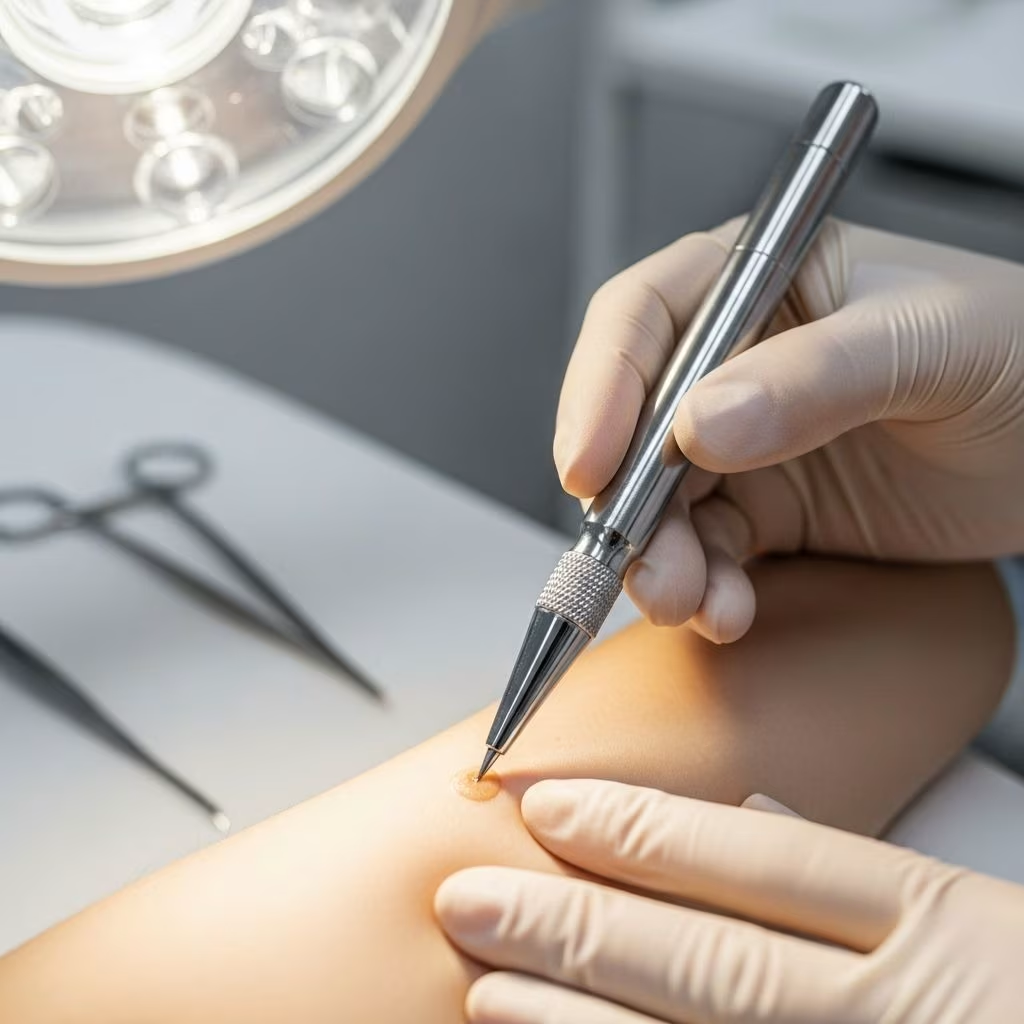
Skin tags are common, benign growths that affect millions of people worldwide. While these small, soft pieces of hanging skin are typically harmless, many individuals seek removal options for cosmetic reasons or to eliminate discomfort. However, the rise of DIY spot treatments and at-home remedies has led to numerous complications and safety concerns that require immediate attention.
Understanding Skin Tags: What You Need to Know
Skin tags, medically known as acrochordons, are small, soft growths that hang from the skin’s surface. These benign tumors typically appear in areas where skin rubs against skin or clothing, such as the neck, armpits, groin, eyelids, and under the breasts. While they’re completely harmless from a medical standpoint, their appearance and potential for irritation often drive people to seek removal options.
Characteristics of Skin Tags
Skin tags share several common characteristics that help distinguish them from other skin growths. They’re typically small, ranging from a few millimeters to about 5 centimeters in diameter, though most remain quite small. The color usually matches the surrounding skin or appears slightly darker, and they have a soft, flexible texture that moves freely when touched.
These growths consist of loose collagen fibers and blood vessels surrounded by skin. They’re attached to the skin by a thin stalk called a peduncle, which gives them their characteristic hanging appearance. Unlike moles or other skin growths, skin tags don’t change color or size rapidly, and they don’t typically cause pain unless they’re irritated by friction.
Warning Signs: Why DIY Treatments Can Be Dangerous
The internet is flooded with DIY skin tag removal methods, from apple cider vinegar to tea tree oil, and even more extreme measures like tying them off with string or using nail clippers. However, dermatologists strongly warn against these approaches due to significant safety risks and potential complications.
Risk of Infection
One of the most serious risks associated with DIY skin tag removal is infection. When you attempt to remove a skin tag at home using non-sterile instruments or techniques, you create an open wound that can easily become infected. Signs of infection include increased redness, swelling, warmth, pus formation, and red streaking from the site.
Infections can range from minor local reactions to serious systemic infections requiring antibiotic treatment or hospitalization. The risk is particularly high when using cutting instruments, tying methods, or applying caustic substances that can damage surrounding healthy skin.
Scarring and Tissue Damage
Improper removal techniques frequently result in scarring, hyperpigmentation, or hypopigmentation at the treatment site. This is especially problematic when skin tags are located in visible areas like the face, neck, or arms. Professional removal techniques are designed to minimize scarring and preserve the appearance of surrounding skin.
Additionally, many DIY methods can cause damage to healthy surrounding tissue. Chemical treatments like apple cider vinegar or iodine can cause chemical burns, while freezing kits may damage more tissue than intended if applied incorrectly.
Incomplete Removal and Recurrence
DIY removal methods often fail to completely remove the skin tag, leaving behind tissue that can regrow or become irritated. This incomplete removal may actually make the skin tag larger or more noticeable than it was originally.
Professional Skin Tag Removal Methods
Medical professionals offer several safe and effective methods for skin tag removal. These procedures are performed in sterile environments with proper anesthesia and aftercare instructions, significantly reducing the risk of complications.
Cryotherapy (Liquid Nitrogen Freezing)
Cryotherapy involves applying liquid nitrogen at extremely cold temperatures to freeze and destroy the skin tag tissue. The procedure uses temperatures of approximately -320.8°F (-195°C), which effectively kills the cells within the skin tag. The treatment is quick, typically taking only a few seconds per skin tag, and the frozen tissue falls off within 10-14 days.
This method is particularly effective for small to medium-sized skin tags and causes minimal discomfort during the procedure. Some patients may experience mild stinging during application, but this subsides quickly. Larger skin tags may require multiple treatment sessions for complete removal.
Surgical Excision
For larger skin tags or those in sensitive areas like near the eyelids, surgical excision provides immediate and complete removal. The dermatologist first numbs the area with local anesthetic, then carefully removes the entire skin tag using surgical scissors or a scalpel. This method ensures complete removal and allows for immediate examination of the tissue if needed.
Excision is particularly recommended for skin tags that are large, have changed appearance, or are located in areas where other methods might not be suitable. The procedure is quick, typically taking only a few minutes per skin tag.
Electrosurgery (Electrodesiccation)
Electrosurgery uses high-frequency electrical energy to burn and remove skin tags. A specialized electrode applies controlled electrical current to the base of the skin tag, effectively cauterizing and removing the growth while sealing blood vessels to prevent bleeding.
This method is particularly efficient when treating multiple skin tags in one session. The electrical current ensures complete destruction of the skin tag tissue and provides excellent hemostasis (bleeding control).
Ligation
Ligation involves tying off the skin tag at its base with medical-grade suture material, cutting off its blood supply. Without blood flow, the skin tag dies and falls off naturally within a few days to a week. This method must be performed carefully by a medical professional to avoid damaging surrounding tissue or causing excessive pain.
At-Home Treatments and Their Specific Risks
While some over-the-counter products claim to remove skin tags safely, each carries specific risks that consumers should understand before attempting use.
Over-the-Counter Freezing Kits
Commercial freezing kits use nitrous oxide or combinations of dimethyl ether, propane, and isobutane to freeze skin tags. However, these chemicals are significantly less powerful than medical-grade liquid nitrogen, making them less effective while still carrying risks.
The primary dangers include frostbite to surrounding healthy skin, incomplete removal leading to regrowth, and potential for the frozen area to become infected during the healing process. The temperature control in these kits is also less precise than professional equipment, increasing the risk of over-treatment or under-treatment.
Topical Chemical Treatments
Various topical treatments claim to remove skin tags through chemical action. These include apple cider vinegar, iodine solutions, and commercial removal creams containing acids or plant extracts.
Apple cider vinegar is highly acidic and can cause chemical burns to both the skin tag and surrounding healthy skin. Users often experience significant irritation, burning sensations, and may develop contact dermatitis. The acid can also cause hyperpigmentation that may be permanent.
Iodine solutions carry similar risks and can cause severe allergic reactions in sensitive individuals. Some people develop iodine sensitivity that can affect future medical treatments requiring iodine-based contrast agents.
Tea Tree Oil and Essential Oils
Tea tree oil is frequently recommended as a natural skin tag treatment, but it can cause significant skin irritation, especially around sensitive areas like the eyes. Essential oils are highly concentrated and can cause contact dermatitis, allergic reactions, and chemical burns when applied repeatedly to the same area.
The proposed method involves applying tea tree oil to a cotton ball and securing it over the skin tag multiple times daily, which increases the risk of irritation and sensitization.
When to Seek Professional Help
Certain situations require immediate professional medical attention rather than attempting any form of self-treatment.
Changes in Appearance
Any skin tag that changes color, size, shape, or texture should be evaluated by a dermatologist immediately. While skin tags are benign, changes could indicate other skin conditions that require medical diagnosis and treatment.
Bleeding, crusting, or ulceration of a skin tag warrants immediate professional evaluation. These changes could indicate irritation, infection, or potentially more serious skin conditions.
Location Considerations
Skin tags located near the eyes, genitals, or other sensitive areas should only be removed by medical professionals. These locations carry higher risks of complications and require specialized techniques and sterile conditions.
Large skin tags or those that interfere with daily activities like shaving, wearing clothing, or jewelry should also be professionally evaluated for the most appropriate removal method.
Multiple Skin Tags
Individuals with numerous skin tags may benefit from professional evaluation to determine the most efficient treatment approach. Medical professionals can often remove multiple skin tags in a single session using techniques like electrosurgery.
Prevention and Aftercare
Prevention Strategies
While not all skin tags can be prevented, certain measures may reduce their development. Maintaining a healthy weight can reduce skin friction in common skin tag locations. Wearing properly fitted clothing and avoiding tight jewelry can also minimize irritation that may contribute to skin tag formation.
For individuals prone to skin tags, regular skin examinations can help identify new growths early when they’re easier to treat professionally.
Professional Aftercare
Following professional skin tag removal, proper aftercare is essential for optimal healing and preventing complications. The treatment area should be kept clean and dry, and any prescribed topical medications should be applied as directed.
Patients should avoid picking at scabs or healing tissue and protect the area from sun exposure during the healing process. Most professionally removed skin tags heal completely within 1-2 weeks with minimal scarring.
Cost-Effectiveness and Insurance Coverage
Professional skin tag removal is generally considered a cosmetic procedure, so insurance coverage varies. However, the cost of professional removal is often comparable to purchasing multiple over-the-counter products, and the success rate is significantly higher.
When skin tags cause functional problems or irritation, some insurance plans may cover removal as a medical necessity. Patients should check with their insurance providers and healthcare professionals about coverage options.
Frequently Asked Questions
Q: Are over-the-counter skin tag removal products safe to use?
A: While some OTC products may work for small skin tags, they carry risks including skin irritation, chemical burns, incomplete removal, and infection. Professional removal is generally safer and more effective.
Q: How long does professional skin tag removal take?
A: Most professional removal procedures take only a few minutes per skin tag. Cryotherapy and electrosurgery are particularly quick, often completed in seconds to minutes.
Q: Will skin tags grow back after professional removal?
A: When completely removed by a medical professional, skin tags typically do not grow back at the same location. However, new skin tags may develop in other areas over time.
Q: What should I do if a skin tag starts bleeding?
A: If a skin tag bleeds due to irritation or attempted removal, clean the area gently, apply pressure to stop bleeding, and seek medical evaluation, especially if bleeding persists or signs of infection develop.
Q: Can I prevent skin tags from forming?
A: While not entirely preventable, maintaining a healthy weight, wearing properly fitted clothing, and avoiding excessive friction in prone areas may help reduce skin tag development.
Q: How much does professional skin tag removal cost?
A: Costs vary by location, provider, and number of skin tags removed, typically ranging from $100-500 per session. Some insurance plans may cover removal when medically necessary.
The key takeaway regarding spot treatment for skin tags is that professional medical removal offers the safest and most effective approach. While the temptation to try DIY methods is understandable, the risks of infection, scarring, incomplete removal, and other complications make professional treatment the recommended choice. Dermatologists have specialized training, sterile equipment, and proven techniques that ensure safe, effective removal with minimal risk of complications or recurrence.
References
- https://www.medicalnewstoday.com/articles/321641
- https://orahdermatology.com/skin-tag-removal/
- https://www.atlantamedicaldermatology.com/blog/effective-skin-tag-removal-options/
- https://health.clevelandclinic.org/skin-tag-removal
- https://www.health.harvard.edu/blog/skin-tag-removal-optional-but-effective-2020032319079
- https://www.dermatologyboise.com/cosmetic/skin-tag-age-spot-removal
- https://no23skin.co.uk/skin-tag-removal-what-you-need-to-know/
- https://www.yalemedicine.org/news/diy-skin-treatments-caution
- https://www.theminorsurgerycenter.com/blog/how-to-remove-a-skin-tag


