


Understanding Salicylic Acid
Salicylic acid is a beta hydroxy acid (BHA) that has become a cornerstone ingredient in modern acne treatment. This oil-soluble compound possesses unique keratolytic properties, meaning it can effectively break down and soften keratin, the structural protein found in skin cells. Unlike alpha hydroxy acids (AHAs) that work primarily on the skin’s surface, salicylic acid’s oil-soluble nature allows it to penetrate deep into pores, making it exceptionally effective for treating blackheads, whiteheads, and acne.
The mechanism of action involves dissolving excess sebum and dead skin cells that accumulate within pores, preventing the formation of comedones and reducing existing breakouts. Research indicates that salicylic acid concentrations between 2% to 5% are more effective than higher concentrations, as they provide optimal exfoliation without causing excessive irritation.
When incorporated into skincare routines, salicylic acid accelerates cellular turnover, bringing fresher, healthier skin to the surface while helping to fade post-inflammatory hyperpigmentation and improve overall skin texture. However, this accelerated exfoliation process can sometimes initially cause more breakouts to surface, a phenomenon known as “purging,” which is temporary as the skin adjusts to the treatment.
Salicylic Acid Serums: Comprehensive Skin Treatment
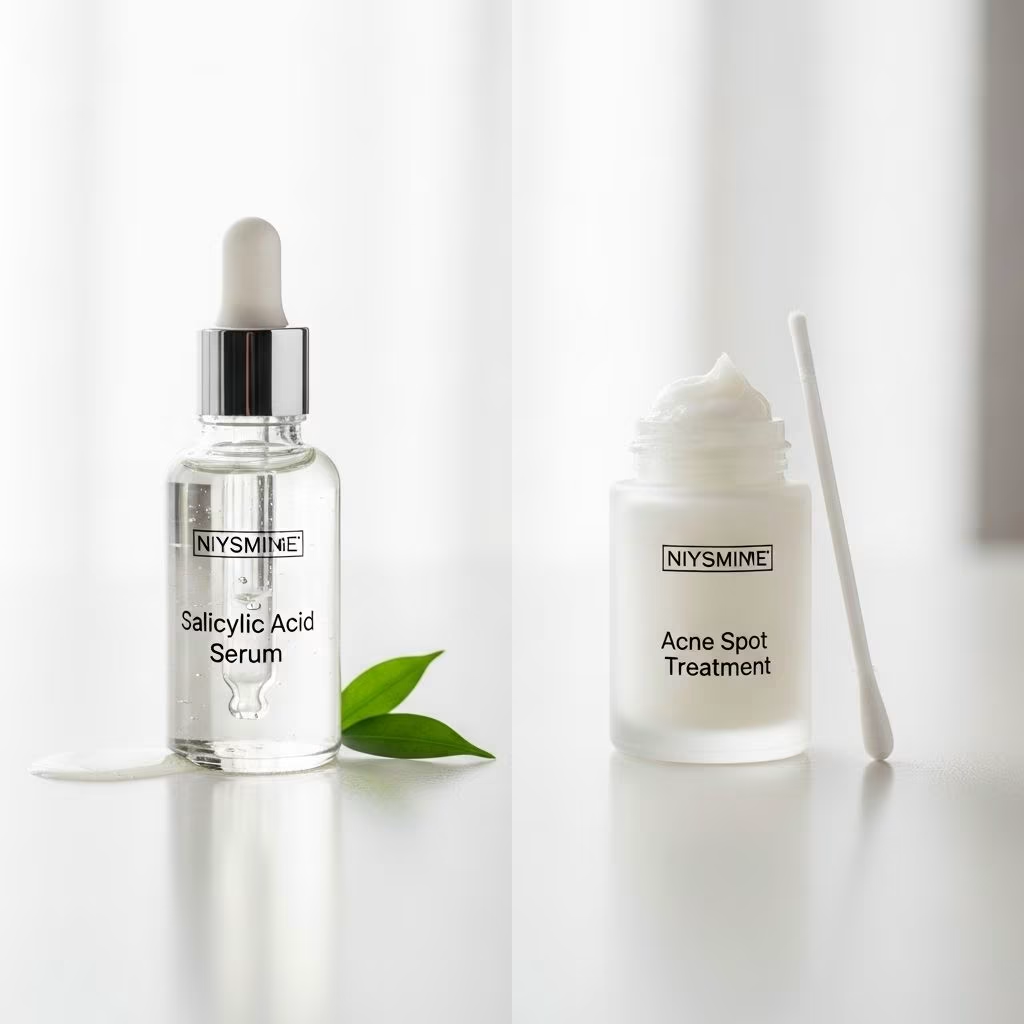
Salicylic acid serums represent a sophisticated approach to acne treatment, offering a lightweight, highly concentrated formula designed for all-over facial application. These serums are formulated with advanced technology that reduces molecular size, enhancing penetration capabilities and making them more comfortable for daily use.
Formulation and Concentration
Most effective salicylic acid serums contain concentrations ranging from 0.5% to 2%, with some therapeutic formulations reaching up to 5%. The lower concentration allows for daily use while still providing significant exfoliation benefits. The serum format ensures that active ingredients remain on the skin for extended periods, maximizing their therapeutic effects.
Benefits of Serum Format
The serum delivery system offers several advantages over other formulations. The lightweight texture absorbs quickly without leaving residue, making it suitable for layering with other skincare products. The high concentration of active ingredients in a small molecular size ensures deep penetration into pores, effectively addressing multiple skin concerns simultaneously.
Serums can be used both morning and evening, though morning application requires following with broad-spectrum sunscreen due to increased photosensitivity. The versatile nature of serums makes them ideal for preventing future breakouts while treating existing acne concerns across the entire face.
Application and Usage
Typically, 4-5 drops dispensed via a dropper bottle are sufficient for full-face application. The serum should be applied to clean, dry skin and allowed to absorb completely before applying subsequent products. For optimal results, serums should be introduced gradually into skincare routines, starting with 2-3 applications per week and building up to daily use as skin tolerance develops.
Spot Treatments: Targeted Acne Solutions
Spot treatments containing salicylic acid are concentrated formulations designed to target individual blemishes rather than treat the entire face. These products typically come in cream, gel, or ointment form and contain higher concentrations of active ingredients for maximum efficacy on specific problem areas.
Concentration and Formulation
Spot treatments generally contain salicylic acid concentrations exceeding 2%, with some reaching up to 10% for maximum therapeutic effect. The higher concentration allows for more aggressive treatment of stubborn blemishes, acne scars, and inflamed lesions. These formulations often include additional active ingredients like benzoyl peroxide, sulfur, or niacinamide to enhance their acne-fighting capabilities.
Targeted Application Benefits
The primary advantage of spot treatments lies in their ability to deliver concentrated doses of active ingredients directly to problem areas without affecting the surrounding healthy skin. This targeted approach minimizes the risk of over-drying or irritating areas that don’t require aggressive treatment, making spot treatments suitable for individuals with combination skin or those who experience occasional breakouts.
Usage Guidelines
Spot treatments are best applied to clean skin before bedtime, allowing the concentrated formula to work overnight without interference from other products or environmental factors. A small amount should be applied directly to the blemish and allowed to dry completely. Most spot treatments are designed for short-term use until the specific blemish resolves.
Key Differences Between Serums and Spot Treatments
| Aspect | Salicylic Acid Serum | Spot Treatment |
|---|---|---|
| Application Area | Entire face | Individual blemishes only |
| Concentration | 0.5% – 2% (typically) | 2% – 10% |
| Usage Frequency | Daily (AM/PM) | As needed, typically PM |
| Texture | Lightweight, fast-absorbing | Thicker, more viscous |
| Purpose | Prevention and overall treatment | Active breakout treatment |
| Duration of Contact | All day/night | Overnight application |
| Skin Coverage | Full face coverage | Targeted application |
| Molecular Size | Reduced for better penetration | Standard formulation |
Choosing the Right Option for Your Skin
For Oily and Acne-Prone Skin
Individuals with consistently oily skin and frequent breakouts typically benefit most from salicylic acid serums. The all-over application helps prevent new breakouts while treating existing ones, and the lightweight formula won’t contribute to excess oiliness. The daily use of serums helps maintain consistent exfoliation and pore clarity across the entire face.
For Combination Skin
Those with combination skin may find success with a dual approach, using a lower-concentration serum on the entire face and supplementing with spot treatments for breakthrough blemishes in the T-zone or other problem areas. This strategy provides comprehensive coverage while avoiding over-treatment of drier areas.
For Occasional Breakouts
Individuals who experience infrequent, isolated breakouts may prefer spot treatments as their primary salicylic acid product. This approach allows for targeted treatment without the need for daily acid application across the entire face, reducing the risk of unnecessary irritation or dryness.
For Sensitive Skin
Those with sensitive skin should generally start with lower-concentration serums and gradually build tolerance. Spot treatments with higher concentrations may be too aggressive for sensitive skin types and could cause irritation, redness, or peeling when applied to larger areas.
Application Guidelines and Best Practices
Serum Application Protocol
Begin by cleansing the face with a gentle, non-comedogenic cleanser. Apply the salicylic acid serum to completely dry skin, avoiding the delicate eye area. Allow the serum to absorb for several minutes before applying moisturizer or other skincare products. When using in the morning, always follow with broad-spectrum sunscreen of at least SPF 30.
Spot Treatment Application
Cleanse the affected area thoroughly and ensure skin is completely dry. Apply a small amount of spot treatment directly to the blemish, avoiding the surrounding healthy skin. Allow the product to dry completely before applying any additional products. Use sparingly and only as needed to avoid over-drying.
Combination Usage Strategy
For those using both products, apply the serum first to the entire face, allow it to absorb completely, then apply spot treatment to specific blemishes. This layered approach maximizes the benefits of both products while minimizing potential interactions or irritation.
Safety Considerations
Both serums and spot treatments can increase skin sensitivity to sunlight, making daily sunscreen application essential. Avoid combining with other strong active ingredients like retinoids or high-concentration vitamin C without professional guidance, as this may cause excessive irritation.
Pros and Cons Comparison
Salicylic Acid Serums
Advantages:
- Provides comprehensive acne prevention across entire face
- Lightweight, non-greasy formula suitable for daily use
- Enhanced penetration due to advanced formulation technology
- Can be easily incorporated into existing skincare routines
- Suitable for long-term maintenance therapy
- Compatible with most other skincare ingredients
Disadvantages:
- May cause initial purging phase with increased breakouts
- Requires consistent daily application for optimal results
- Can be too drying for very sensitive skin types
- Higher cost per application compared to spot treatments
- May not provide sufficient concentration for stubborn blemishes
Spot Treatments
Advantages:
- High concentration provides rapid, targeted results
- Cost-effective as small amounts are used per application
- Minimal risk of over-treating healthy skin areas
- Ideal for addressing individual breakthrough blemishes
- Can be used as needed rather than daily
- Often includes additional active ingredients for enhanced efficacy
Disadvantages:
- Does not provide preventive benefits for uninvolved areas
- May cause localized dryness or irritation
- Requires precise application to avoid waste
- Not suitable for widespread acne coverage
- May leave visible residue on skin
- Limited long-term skin maintenance benefits
Frequently Asked Questions
Q: Can I use both salicylic acid serum and spot treatment together?
A: Yes, but with caution. Apply the serum first to the entire face, allow complete absorption, then apply spot treatment only to specific blemishes. Monitor your skin for signs of over-exfoliation such as excessive dryness, redness, or irritation.
Q: How long does it take to see results from salicylic acid products?
A: Most users begin seeing improvements within 2-4 weeks of consistent use. Spot treatments may show faster results on individual blemishes within 24-48 hours, while serums provide gradual improvement in overall skin texture and breakout frequency.
Q: Should I use salicylic acid products every day?
A: Serums can typically be used daily once skin tolerance is established, while spot treatments should only be used as needed on active breakouts. Start with 2-3 times per week and gradually increase frequency based on skin response.
Q: What’s the ideal concentration of salicylic acid for beginners?
A: Beginners should start with concentrations between 0.5% to 1% for serums and 2% for spot treatments. Higher concentrations can be introduced gradually as skin builds tolerance to avoid irritation.
Q: Can salicylic acid help with acne scars?
A: Salicylic acid can help improve the appearance of mild acne scarring by promoting cellular turnover and bringing fresher skin to the surface. However, it’s not effective for deep, pitted scars, which may require professional dermatological treatments.
Q: Is it normal for skin to get worse before it gets better with salicylic acid?
A: Yes, this “purging” phase is normal and typically lasts 2-6 weeks. Salicylic acid accelerates skin cell turnover, bringing existing comedones to the surface faster. However, if irritation persists beyond this timeframe, consider reducing application frequency or concentration.
References
- https://beminimalist.co/blogs/skin-care/salicylic-acid-cleanser-cream-or-serum-which-one-should-you-choose
- https://www.beautypie.com/us/blog/how-to-use-salicylic-acid
- https://miiskin.com/acne/acne-spot-treatment/
- https://skinsort.com/compare/skin-o-acne-spot-treatment-serum-vs-innsaei-salicylic-acid-acne-cleansing-foam
- https://www.healthline.com/health/beauty-skin-care/salicylic-acid-vs-benzoyl-peroxide
- https://www.yearnskin.co.za/blogs/the-skin-journal/how-does-salicylic-acid-help-with-acne-compared-to-niacinamide


