


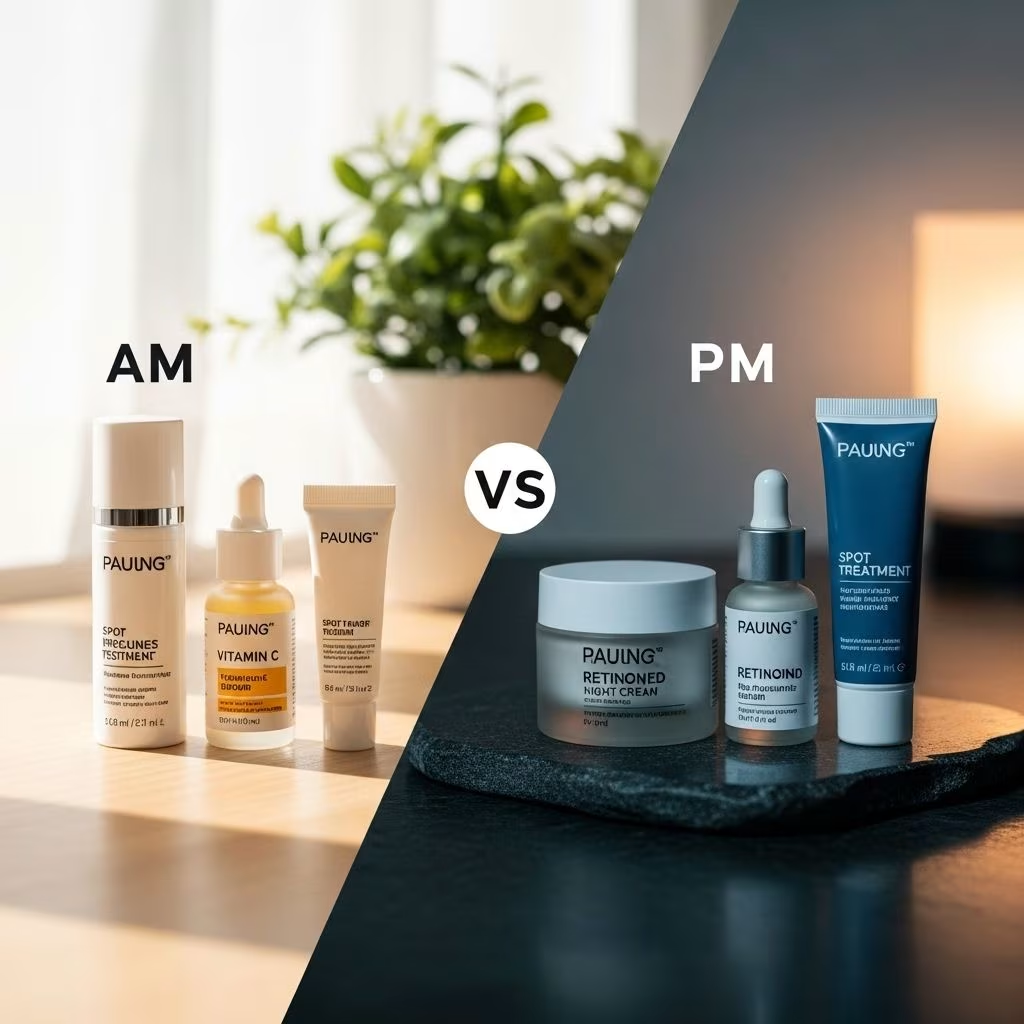
When it comes to achieving clear, healthy skin, understanding the difference between morning and evening spot treatment routines is crucial for maximizing results. Your skin operates on a natural circadian rhythm, making certain treatments more effective at specific times of day. This comprehensive guide explores the essential differences between AM and PM spot treatment routines, helping you develop an optimized approach to tackle blemishes and maintain clear skin.
Understanding Spot Treatments
Spot treatments are concentrated skincare products designed to target specific areas of concern, particularly acne breakouts, dark spots, and blemishes. Unlike general skincare products that are applied to the entire face, spot treatments deliver potent active ingredients directly to problem areas, providing faster and more targeted results.
The effectiveness of spot treatments largely depends on when and how they are applied. Your skin’s natural processes vary significantly between day and night, making timing a critical factor in treatment success. During the day, your skin focuses on protection from environmental stressors, while at night, it enters a repair and regeneration mode.
The Science Behind AM vs PM Treatment Timing
Understanding your skin’s circadian rhythm is fundamental to optimizing spot treatment routines. During daytime hours, your skin prioritizes defense mechanisms against UV radiation, pollution, and other environmental aggressors. Blood flow increases, and the skin becomes more reactive to external stimuli.
Conversely, nighttime represents your skin’s peak repair period. Cell turnover accelerates, collagen production increases, and the skin becomes more permeable to active ingredients. This enhanced permeability allows deeper penetration of treatment products, making evening applications potentially more effective for certain ingredients.
The skin’s pH levels also fluctuate throughout the day, affecting how different active ingredients perform. Morning pH levels tend to be slightly higher, while evening levels become more acidic, influencing ingredient stability and absorption rates.
Morning Spot Treatment Routine
Morning spot treatment routines should focus on protection, prevention, and preparation for the day ahead. The primary goals are to shield existing blemishes from environmental damage while preventing new breakouts from forming.
Step-by-Step Morning Routine
Gentle Cleansing: Start with a mild, non-stripping cleanser to remove overnight oil buildup without compromising your skin barrier. Avoid harsh scrubbing that could irritate active blemishes.
Targeted Spot Treatment: Apply morning-appropriate spot treatments to active breakouts. Focus on ingredients that won’t increase photosensitivity and can work effectively under sunscreen and makeup.
Antioxidant Protection: Layer antioxidant serums or treatments to protect against free radical damage that can worsen inflammation and slow healing.
Moisturization: Use a lightweight, non-comedogenic moisturizer to maintain hydration without clogging pores or interfering with spot treatments.
Sun Protection: Always finish with broad-spectrum SPF 30 or higher sunscreen, as many spot treatment ingredients can increase sun sensitivity.
Morning-Friendly Ingredients
Morning spot treatments should contain ingredients that remain stable in sunlight and won’t cause increased photosensitivity. Niacinamide works excellently in morning routines, reducing inflammation and controlling oil production without sun sensitivity concerns.
Salicylic acid in lower concentrations can be used during the day, providing gentle exfoliation and pore-clearing benefits. Azelaic acid offers anti-inflammatory and antibacterial properties while remaining photostable.
Vitamin C derivatives provide antioxidant protection while supporting healing processes, though stable forms like magnesium ascorbyl phosphate are preferable for morning use.
Evening Spot Treatment Routine
Evening routines prioritize repair, regeneration, and intensive treatment. This is when you can introduce more potent active ingredients that work synergistically with your skin’s natural nighttime processes.
Step-by-Step Evening Routine
Thorough Cleansing: Begin with double cleansing if wearing makeup or sunscreen. Remove all traces of daily buildup to ensure optimal product penetration.
Exfoliation (2-3 times weekly): Incorporate gentle chemical exfoliants to remove dead skin cells and prevent pore blockages. This step enhances the effectiveness of subsequent treatments.
Intensive Spot Treatments: Apply more potent spot treatments containing ingredients like retinoids or higher-concentration acids that work best without sun exposure.
Hydrating Treatments: Layer hydrating serums or essences to support skin repair and prevent over-drying from active treatments.
Nourishing Night Moisturizer: Seal in treatments with a richer night moisturizer that supports overnight repair processes.
Evening Power Ingredients
Retinoids represent the gold standard for evening spot treatments, promoting cell turnover and preventing comedone formation. Start with lower concentrations and gradually increase as tolerance builds.
Higher-concentration salicylic acid can be used at night for more intensive pore clearing and exfoliation. Benzoyl peroxide provides powerful antibacterial action against acne-causing bacteria.
Alpha hydroxy acids (AHAs) like glycolic acid offer deeper exfoliation and can help fade post-inflammatory hyperpigmentation from previous breakouts.
Key Ingredients for Each Routine
Understanding which ingredients work best at different times helps maximize treatment effectiveness while minimizing potential side effects or interactions.
Morning-Optimized Ingredients
Niacinamide stands out as an ideal morning ingredient, offering oil control, pore refinement, and anti-inflammatory benefits without photosensitivity. It also helps strengthen the skin barrier throughout the day.
Zinc oxide provides both spot treatment benefits and sun protection, making it perfect for daytime use. Sulfur offers antibacterial and anti-inflammatory properties while remaining stable in sunlight.
Tea tree oil in appropriate dilutions can provide natural antibacterial action without increasing sun sensitivity, though always patch test first.
Evening-Enhanced Ingredients
Retinyl palmitate, retinol, and prescription retinoids work most effectively at night when protected from light degradation and when skin cell turnover is naturally elevated.
Hydroquinone for post-inflammatory hyperpigmentation should be used exclusively at night due to photosensitivity concerns. Kojic acid offers similar brightening benefits with less irritation potential.
Higher-concentration chemical exfoliants like 10-20% glycolic acid or 2% salicylic acid work best at night when skin can recover without environmental exposure.
AM vs PM Spot Treatment Comparison
| Aspect | Morning Routine | Evening Routine |
|---|---|---|
| Primary Focus | Protection and Prevention | Repair and Regeneration |
| Ingredient Strength | Gentle to Moderate | Moderate to Strong |
| Photosensitivity Concern | Low-risk ingredients only | Can use photosensitive actives |
| Treatment Duration | Quick absorption needed | Extended contact time beneficial |
| Environmental Protection | Essential (SPF required) | Not applicable |
| Skin Permeability | Lower penetration | Enhanced penetration |
| Recovery Time | Immediate comfort needed | Overnight recovery period |
Common Mistakes to Avoid
Many people unknowingly sabotage their spot treatment effectiveness by making timing-related mistakes. Using photosensitive ingredients during the day can lead to increased irritation and potential pigmentation issues.
Over-treating represents another common error, where individuals apply too many active ingredients simultaneously or use treatments too frequently. This can compromise the skin barrier and worsen breakouts.
Inconsistent application timing reduces treatment effectiveness. Your skin benefits from routine consistency, so establish regular morning and evening application times.
Ignoring product interactions can neutralize treatments or cause irritation. Certain ingredients don’t work well together and should be separated by time or avoided in combination.
Skipping sunscreen after using any active ingredients can lead to increased photosensitivity and potential skin damage, undoing treatment benefits.
Skin Type Considerations
Different skin types require customized approaches to AM and PM spot treatment routines for optimal results.
Oily and Acne-Prone Skin
Oily skin types can typically tolerate stronger active ingredients and may benefit from more frequent treatment applications. Morning routines should focus on oil control with ingredients like niacinamide and salicylic acid, while evening routines can incorporate retinoids and higher-concentration BHAs.
Sensitive Skin
Sensitive skin requires gentler approaches with longer adjustment periods. Start with lower concentrations and less frequent applications, gradually building tolerance. Focus on one active ingredient at a time to identify any sensitivity triggers.
Combination Skin
Combination skin may require different treatments for different facial zones. T-zone areas might benefit from stronger oil-control treatments, while drier areas need gentler approaches with enhanced moisturization.
Mature Skin
Mature skin dealing with adult acne needs treatments that address both breakouts and aging concerns. Evening routines can incorporate anti-aging retinoids that also treat acne, while morning routines should emphasize antioxidant protection.
Product Application Tips
Proper application technique significantly impacts treatment effectiveness. Clean hands are essential to prevent introducing additional bacteria to blemished areas.
Thin, even application works better than thick layers. Most spot treatments are designed to penetrate skin rather than sit on the surface. Apply just enough to cover the affected area without creating a visible layer.
Allow adequate drying time between product layers. This prevents ingredients from mixing inappropriately and ensures proper absorption of each treatment.
Avoid touching treated areas throughout the day to prevent irritation and bacterial transfer. If you must touch your face, wash your hands thoroughly first.
Use clean application tools like cotton swabs or clean fingers rather than fingers that have touched other surfaces.
Frequently Asked Questions
Q: Can I use the same spot treatment morning and night?
A: While some gentle ingredients like niacinamide can be used twice daily, most effective spot treatments work better when different formulations are used for AM and PM routines. Morning treatments should focus on protection, while evening treatments prioritize repair.
Q: How long should I wait between applying spot treatment and other skincare products?
A: Allow 5-10 minutes between applications for optimal absorption. This prevents ingredient interactions and ensures each product can work effectively without interference.
Q: Is it safe to use multiple spot treatments simultaneously?
A: Using multiple active ingredients simultaneously can cause irritation and compromise your skin barrier. Start with one treatment at a time and gradually introduce others as your skin builds tolerance.
Q: When should I expect to see results from my spot treatment routine?
A: Most people see initial improvements within 2-4 weeks of consistent use. However, significant results typically require 6-8 weeks of regular application. Individual results vary based on skin type and severity of concerns.
Q: Can I wear makeup over morning spot treatments?
A: Yes, but allow treatments to fully absorb before makeup application. Use non-comedogenic makeup products and consider spot-concealing techniques that won’t interfere with treatment effectiveness.
Q: Should I continue spot treatments after blemishes clear?
A: Gradually transition to maintenance doses rather than stopping abruptly. This helps prevent new breakouts while avoiding over-treatment of healthy skin.
References
- https://www.isabellemcleod.com/blog/do-you-need-different-skincare-for-am-vs-pm-expert-advice
- https://continentalhospitals.com/blog/mastering-am-vs-pm-skincare-tips-from-dermatologists/
- https://www.olivaclinic.com/blog/morning-vs-night-skincare-routine-for-acne/
- https://www.barefaced.com/blogs/blog/am-vs-pm-routines
- https://dridriss.com/blogs/news/am-vs-pm-a-step-by-step-guide-to-skincare-layering-1
- https://www.skinician.com/pages/am-pm-skincare-routine
- https://kimgalloesthetics.com/blog/morning-vs-night-skincare-routine
- https://vincebeauty.com/blogs/vince-blog/the-ultimate-am-and-pm-skincare-routine-for-glowing-skin
- https://www.skincarebyalana.com/blogs/skincare/fact-or-fiction-your-pm-skincare-routine-should-be-different-than-your-am-routine


