


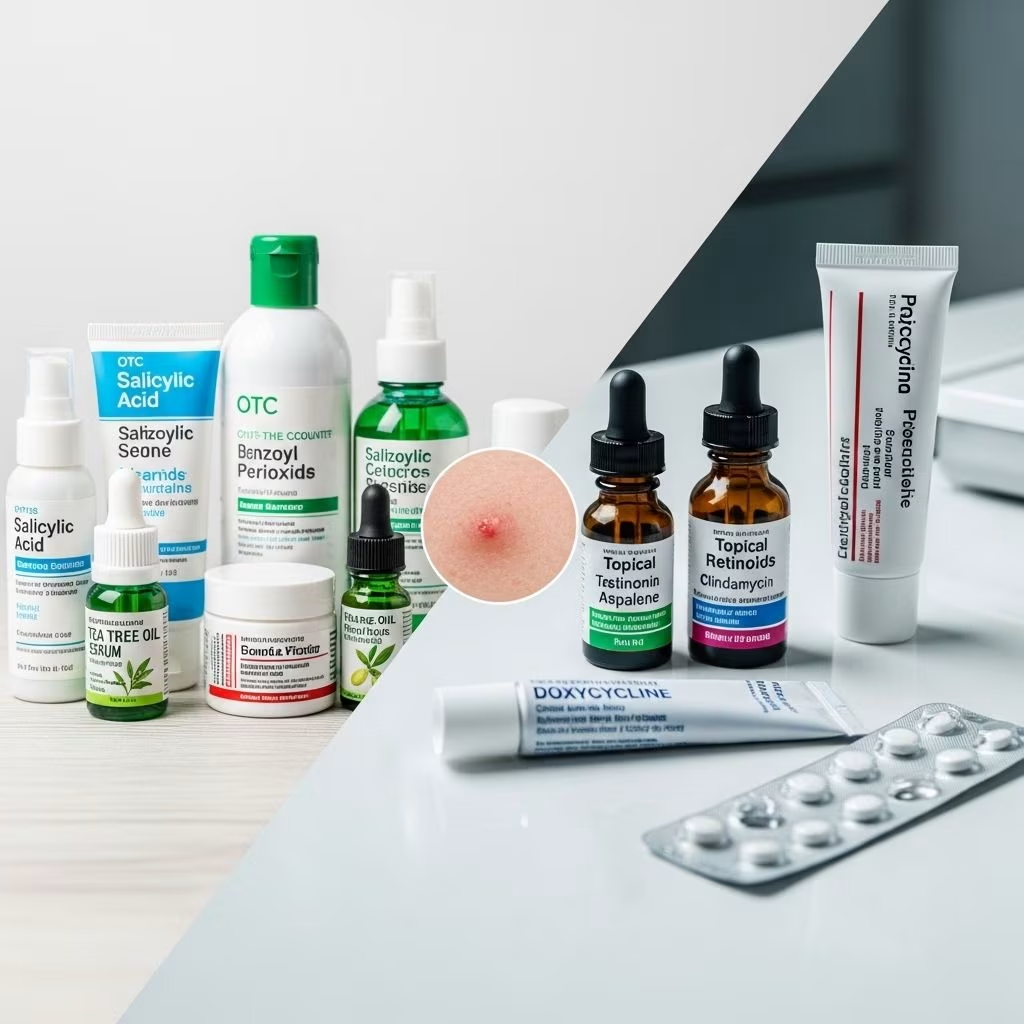
Acne affects millions of people worldwide, prompting a search for fast, effective, and safe solutions. Whether you are dealing with occasional breakouts or persistent cystic acne, the abundance of spot treatments—available both over-the-counter (OTC) and by prescription—can be overwhelming. This guide delves deep into the differences between OTC and prescription spot treatments, their mechanisms of action, main ingredients, comparative effectiveness, safety considerations, and how to choose the right approach for your skin.
What Are Spot Treatments?
Spot treatments are topical products applied directly to individual pimples, pustules, or inflamed areas to reduce their size, redness, and healing time. They play a crucial role in acne care by providing targeted, rapid relief, often as part of a broader skincare routine.
OTC Spot Treatments: Key Features
Over-the-counter (OTC) spot treatments are widely available and often a first step for those with mild to moderate acne. You can purchase them in pharmacies, supermarkets, and online, without needing a prescription. These treatments typically use active ingredients recognized as safe and effective for many skin types, offering convenience and affordability.
- Main active ingredients: Benzoyl peroxide, salicylic acid, sulfur, and sometimes niacinamide or tea tree oil.
- Strength: Generally lower concentrations, such as benzoyl peroxide (2.5%–10%) or salicylic acid (typically 0.5%–2%).
- Formulations: Available as gels, cremes, lotions, cleansers, and pre-soaked pads.
- Intended use: Best suited for non-severe, superficial blemishes and for those beginning their acne treatment journey.
OTC treatments are designed to be gentle enough for the broader population but may require consistent and prolonged use to see effects. Dermatologists generally recommend starting with OTC options if acne is mild and not characterized by cysts or deep nodules.
Popular OTC Active Ingredients and Their Actions
- Benzoyl Peroxide: Kills acne-causing bacteria, reduces inflammation, and helps clear pores. Widely recommended as a first-line treatment, with studies showing 2.5%–5% is as effective as 10%, with less irritation.
- Salicylic Acid: A beta-hydroxy acid that exfoliates the skin, unclogs pores, and is especially effective for blackheads and whiteheads.
- Sulfur: Reduces oiliness and has antibacterial properties, though its odor and potential for dryness limit its popularity.
- Adapalene 0.1%: A topical retinoid, now available OTC (e.g., Differin), helps with cell turnover and preventing clogged pores.
Prescription Spot Treatments: An Overview
Prescription spot treatments offer higher strength actives and sometimes combine two or more powerful agents to address stubborn, persistent, or severe acne. You can only obtain these after an evaluation by a healthcare professional, typically a dermatologist.
- Main active ingredients: Higher concentration retinoids (tretinoin, tazarotene, adapalene 0.3%), antibiotics (clindamycin, erythromycin), and combinations such as benzoyl peroxide + clindamycin or adapalene + benzoyl peroxide.
- Formulations: Most commonly creams, gels, or lotions, sometimes used alongside oral therapies.
- Strength: Usually higher or more potent than OTC counterparts. Customizable to individual cases based on acne severity and skin tolerance.
- Purpose: Designed for moderate to severe, persistent, cystic, or nodular acne that has not responded well to OTC treatments.
Common Prescription Combinations
- Benzoyl Peroxide + Clindamycin: Kills bacteria and decreases inflammation; reduces antibiotic resistance risk (e.g., Benzaclin).
- Adapalene + Benzoyl Peroxide: Improves cell turnover and targets inflammation (e.g., Epiduo).
- Tretinoin + Benzoyl Peroxide: Powerful for comedonal and inflammatory acne (e.g., Twyneo).
Prescription treatments may also include oral medications or hormonal therapies, particularly for complex, treatment-resistant cases.
Ingredient Comparison: OTC vs. Prescription
| Active Ingredient | OTC (Common Use) | Prescription (Special Features) |
|---|---|---|
| Benzoyl Peroxide | 2.5%–10%, single-agent or with salicylic acid or sulfur | Combined with antibiotics (clindamycin, erythromycin) or retinoids (higher efficacy) |
| Salicylic Acid | 0.5%–2% | Rarely found in prescription products due to strong OTC efficacy |
| Retinoids | Adapalene 0.1% | Tretinoin, tazarotene, adapalene 0.3%, often higher strength or with other agents |
| Antibiotics | Not available OTC | Clindamycin, erythromycin, dapsone—target severe inflammation and bacterial overgrowth |
| Sulfur | Low concentrations for oil control | Rarely used in prescriptions; OTC preferred due to tolerability |
| Azelaic Acid | Low % for pigmentation, mild acne | Higher concentrations for acne and hyperpigmentation |
Effectiveness and Suitability
The effectiveness of spot treatments depends on factors including acne severity, skin type, and adherence to a regular skincare routine. Here’s how OTC and prescription treatments compare:
- OTC spot treatments are best for mild and early-stage acne. They typically work well for small pimples, blackheads, and whiteheads. Results may appear after 4 to 6 weeks and improve with consistency.
- Prescription spot treatments are reserved for moderate to severe acne, including inflamed nodules, cystic lesions, or acne that has not improved with OTC products. Results also require weeks but can be more dramatic, making them essential for minimizing scar risk and controlling outbreaks.
Dermatologist insight: OTC products are highly effective for most, but persistent, deep, or cystic acne often requires prescription-strength or combination therapies for optimal outcomes.
Side Effects and Safety Considerations
- OTC Spot Treatments: Side effects are generally mild but can include dryness, redness, peeling, or mild stinging. Higher concentrations or overuse may worsen irritation, but these issues are usually reversible by reducing usage or switching brands.
- Prescription Treatments: Higher risk of skin irritation, especially with retinoids and combination therapies. Topical antibiotics may cause sensitivity or, rarely, allergic reactions, and improper use can contribute to bacterial resistance. Many prescription retinoids are not recommended during pregnancy.
Proper application (following instructions closely), gradual introduction, and the use of moisturizers and sunscreen can minimize most adverse effects for both OTC and prescription options.
Cost, Convenience, and Accessibility
- OTC spot treatments are inexpensive, accessible, and easy to incorporate into any daily routine. No appointment or insurance is required, making them a flexible option for those starting acne management.
- Prescription treatments require a visit to a healthcare professional and may be more costly, though insurance may cover some options. They provide a more tailored, potent approach, especially for those who have exhausted OTC products without success.
It’s important to note that the ease of acquiring OTC remedies can result in overuse, while the monitored use of prescription drugs protects against misuse and ensures a holistic treatment plan for difficult cases.
Choosing the Right Spot Treatment for You
Selecting the best spot treatment hinges on your skin type, acne severity, medical history, and how your skin responds to ingredients. Here are some tips to guide your choice:
- Start with OTC treatments if you have mild or occasional breakouts.
- Monitor your skin for 4–8 weeks. If there’s no improvement, consult a dermatologist for prescription options.
- If you have a personal or family history of severe acne, or if lesions are cystic/painful/scarring, seek medical advice early.
- Combine spot treatments with a gentle cleanser, moisturizer, and daily sunscreen for optimal results and safety.
- Practice patience and consistency—acne takes time to treat, regardless of the avenue chosen.
OTC vs. Prescription Spot Treatments Table
| Criteria | OTC Spot Treatments | Prescription Spot Treatments |
|---|---|---|
| Availability | Without prescription, widely accessible | Requires medical evaluation and prescription |
| Main Intended Use | Mild to moderate, superficial acne | Moderate to severe, persistent/cystic acne |
| Key Ingredients | Benzoyl peroxide, salicylic acid, sulfur, adapalene 0.1% | High-strength retinoids, antibiotic combinations, higher BP concentrations |
| Response Time | 4–8 weeks (with consistent use) | 4–12 weeks (results can be more significant) |
| Side Effects | Mild (dryness, irritation) | Moderate to severe (peeling, redness, sun sensitivity) |
| Cost | Generally affordable | Can be expensive; insurance may offset costs |
| Personalization | General formulas | Tailored to individual needs/skin |
Frequently Asked Questions (FAQs)
Q: How long does it take for spot treatments to work?
A: Most OTC and prescription spot treatments show improvement within 4–6 weeks. Full results, especially with prescription products, may take up to 12 weeks of consistent use.
Q: Can I use OTC and prescription spot treatments together?
A: Often, yes, but always under medical supervision. Some prescriptions intentionally combine OTC actives (such as benzoyl peroxide) for better outcomes. However, using multiple products at once can increase irritation risk.
Q: Should I use spot treatments every day?
A: For most, daily use is recommended if the skin tolerates it. Start slowly with new ingredients and increase application as tolerated.
Q: Will spot treatments help with acne scars?
A: Spot treatments target active acne, not scars. Preventing new breakouts will reduce future scarring risk, but established scarring usually requires different therapies, such as retinoids, vitamin C, or professional procedures.
Q: What if OTC treatments do not work for my acne?
A: If there’s no improvement after 4–8 weeks of consistent use, consult a dermatologist for prescription-grade solutions tailored to your specific skin needs.
Conclusion
OTC and prescription spot treatments represent crucial tools in acne management, each with distinct advantages, limitations, and roles in comprehensive care. OTC products offer accessible, affordable choices for mild to moderate breakouts, while prescription treatments are indispensable for severe or resistant cases and are best tailored with professional guidance. Lasting results depend on choosing the right product for your skin, practicing consistent care, and knowing when to seek expert advice for persistent acne concerns.
References
- https://slmdskincare.com/blogs/learn/is-prescription-benzoyl-peroxide-better
- https://www.rixisdermatology.com/rixis-dermatology-insights/navigating-acne-treatments
- https://www.rexburgskincare.com/over-the-counter-vs-prescription-treatments-for-acne-whats-best
- https://www.goodrx.com/conditions/acne/acne-treatment-guide
- https://dermaltherapy.com.au/article/prescription-vs-over-the-counter-treatment-for-acne/
- https://bhskin.com/blog/the-best-otc-acne-products-a-dermatologists-perspective/
- https://pmc.ncbi.nlm.nih.gov/articles/PMC3366450/
- https://www.mayoclinic.org/diseases-conditions/acne/in-depth/acne-treatments/art-20045814


