


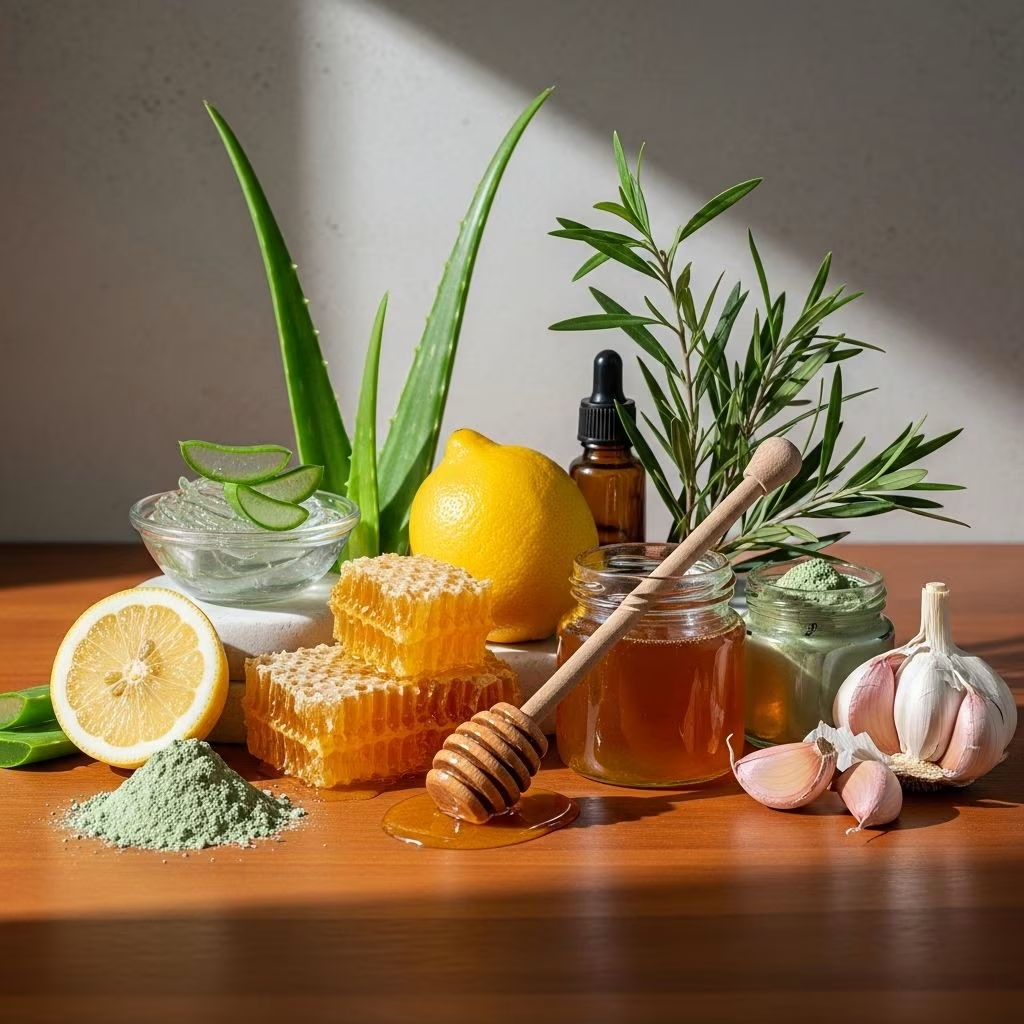
Introduction to Natural Spot Treatment
Dealing with unexpected breakouts can be frustrating, especially when harsh chemical treatments leave your skin dry, irritated, or even worse than before. Natural spot treatment ingredients offer a gentler yet effective approach to tackling blemishes while supporting your skin’s natural healing process. These plant-based and naturally-derived ingredients work by addressing the root causes of acne including excess oil production, bacterial growth, and inflammation without the aggressive side effects associated with synthetic alternatives.
The beauty of natural spot treatments lies in their ability to deliver targeted results while nourishing the skin with vitamins, minerals, and antioxidants. Unlike conventional treatments that often create a cycle of irritation and dependency, natural ingredients work harmoniously with your skin’s biology to promote long-term clarity and health.
Why Choose Natural Ingredients for Spot Treatment
Traditional acne treatments often rely on aggressive ingredients like benzoyl peroxide or synthetic acids that can strip the skin’s natural barrier, leading to dryness, increased sensitivity, and paradoxically, more breakouts. Natural ingredients take a different approach by working with your skin instead of against it.
Benefits of Natural Spot Treatments
Natural spot treatment ingredients deliver multiple benefits that synthetic alternatives often cannot match. They provide antimicrobial action to eliminate acne-causing bacteria while simultaneously offering anti-inflammatory properties to reduce redness and swelling. Many natural ingredients also contain antioxidants that protect against environmental damage and support the skin’s healing process.
The gentle nature of these ingredients makes them suitable for all skin types, including sensitive skin that may react poorly to harsh chemicals. Additionally, natural treatments are typically more cost-effective and can be easily incorporated into existing skincare routines without causing disruption or incompatibility issues.
Top Natural Spot Treatment Ingredients
Tea Tree Oil: The Antibacterial Powerhouse
Tea tree oil stands as one of the most researched and effective natural spot treatment ingredients available. This essential oil from the Australian tea tree plant contains powerful antimicrobial compounds that specifically target Propionibacterium acnes, the bacteria primarily responsible for inflammatory acne.
Studies have shown that tea tree oil is equally effective as benzoyl peroxide in treating acne but with significantly fewer side effects. It helps kill acne-causing bacteria on contact, reduces inflammation and redness, and gently dries out blemishes without compromising the skin’s protective barrier. The oil’s natural anti-inflammatory properties make it particularly effective for treating angry, inflamed spots that appear suddenly.
Witch Hazel: The Natural Astringent
Witch hazel has been used for centuries as a natural remedy for various skin conditions, and its effectiveness in spot treatment is well-documented. This plant extract works as a natural astringent, helping to tighten pores and control excess oil production that can lead to breakouts.
The tannins in witch hazel provide anti-inflammatory and antimicrobial properties, making it effective at reducing both the size and redness of existing blemishes. It also helps remove excess sebum and impurities from pores without over-drying the skin, making it an excellent choice for those with combination or oily skin types.
Aloe Vera: The Soothing Healer
Aloe vera gel offers unique benefits for spot treatment through its exceptional anti-inflammatory and healing properties. This succulent plant extract contains compounds like acemannan and various amino acids that promote skin repair while providing lightweight, non-comedogenic hydration.
For spot treatment, aloe vera excels at reducing the inflammation associated with active breakouts while supporting the skin’s natural healing process. It helps minimize the risk of post-inflammatory hyperpigmentation and scarring that can occur after blemishes heal, making it an essential ingredient for comprehensive acne care.
Willow Bark: Nature’s Salicylic Acid
Willow bark extract serves as a natural source of salicylic acid, offering the same pore-clearing and exfoliating benefits as its synthetic counterpart but with greater gentleness. This ingredient helps enhance skin cell turnover, smooth skin texture, and balance natural sebum production.
Unlike synthetic salicylic acid, willow bark extract provides additional anti-inflammatory compounds that help reduce redness and calm irritated skin. It effectively penetrates pores to remove dead skin cells and excess oil while maintaining the skin’s moisture balance, making it suitable for regular use as a spot treatment.
Green Tea Extract: The Antioxidant Protector
Green tea extract brings powerful antioxidant properties to spot treatment formulations through its high concentration of EGCG (epigallocatechin gallate). This compound provides significant anti-inflammatory effects while helping to regulate sebum production in acne-prone skin.
The polyphenols in green tea extract also offer protection against environmental stressors that can exacerbate acne, while its antimicrobial properties help prevent bacterial growth in treated areas. Regular use of green tea extract in spot treatments can help reduce the frequency and severity of breakouts while supporting overall skin health.
Niacinamide: The Multi-Tasking Vitamin
While technically a synthetic vitamin, niacinamide (Vitamin B3) is widely accepted in natural skincare for its exceptional safety profile and effectiveness. This water-soluble vitamin excels at regulating oil production, minimizing the appearance of enlarged pores, and reducing inflammation associated with acne.
Niacinamide also helps strengthen the skin’s natural barrier function and can fade post-acne marks and discoloration. Its gentle nature makes it suitable for daily use and compatible with most other natural ingredients, making it an excellent addition to comprehensive spot treatment routines.
How to Apply Natural Spot Treatments
Preparation and Timing
Proper application of natural spot treatments begins with clean, dry skin. Always cleanse your face with a gentle, natural cleanser and pat dry before applying any spot treatment. The best time for application is typically in the evening, allowing the ingredients to work overnight without interference from makeup or environmental pollutants.
For essential oils like tea tree oil, dilution is crucial to prevent irritation. Mix one part essential oil with nine parts carrier oil (such as jojoba or coconut oil) for safe application. Water-based ingredients like aloe vera can typically be applied directly to the skin.
Application Techniques
Use clean fingers or a cotton swab to apply natural spot treatments directly to affected areas. Avoid rubbing or massaging the treatment into the skin; instead, gently pat or dab the product onto the blemish. Apply only enough product to cover the affected area without creating a thick layer that might clog surrounding pores.
Allow each ingredient to absorb completely before applying additional products. If using multiple natural ingredients, wait at least 5-10 minutes between applications to prevent dilution and ensure maximum effectiveness.
DIY Natural Spot Treatment Recipes
Quick Tea Tree Spot Treatment
Combine 2 drops of tea tree oil with 1 teaspoon of aloe vera gel for an immediate spot treatment that provides both antimicrobial and soothing benefits. This combination is gentle enough for nightly use and effective for most types of blemishes.
Apply this mixture directly to spots using a clean cotton swab, leaving it on overnight. The aloe vera helps buffer the tea tree oil’s potency while providing additional healing compounds to support skin repair.
Clarifying Honey and Clay Mask
Mix 1 tablespoon of raw honey with 1 teaspoon of bentonite clay and 2-3 drops of lavender essential oil to create a powerful spot treatment mask. Honey provides antimicrobial benefits while clay absorbs excess oil, and lavender offers additional anti-inflammatory properties.
Apply this mixture as a spot treatment and leave for 15-20 minutes before rinsing with warm water. Use this treatment 2-3 times per week for best results without over-drying the skin.
Niacinamide and Green Tea Serum
Dissolve 1/4 teaspoon of niacinamide powder in 2 tablespoons of cooled green tea to create a potent spot treatment serum. This combination helps regulate oil production while providing antioxidant protection and anti-inflammatory benefits.
Store this mixture in the refrigerator and apply using a dropper or cotton pad to affected areas twice daily. The cooling effect provides additional soothing benefits for inflamed skin.
Combining Ingredients Safely
Compatible Ingredient Pairs
Certain natural ingredients work synergistically when combined, enhancing their individual benefits while maintaining gentle effectiveness. Aloe vera pairs excellently with most essential oils, helping to buffer their potency while adding healing properties. Witch hazel combines well with green tea extract, creating a powerful astringent and antioxidant treatment.
Niacinamide is compatible with virtually all natural ingredients and can be incorporated into existing routines without concern for interactions. Honey works beautifully with clay-based treatments, providing antimicrobial benefits while preventing excessive drying.
Ingredients to Use Separately
Some natural ingredients are best used independently to prevent potential irritation or reduced effectiveness. Tea tree oil should not be combined with other essential oils in high concentrations, as this can increase the risk of sensitivity reactions.
Willow bark extract, being a natural source of salicylic acid, should be used separately from other exfoliating ingredients to prevent over-exfoliation. Always introduce one new ingredient at a time to monitor your skin’s response and identify any sensitivities.
Natural vs Synthetic Ingredients Comparison
| Aspect | Natural Ingredients | Synthetic Ingredients |
|---|---|---|
| Gentleness | Generally gentler with fewer side effects | Often harsh, may cause dryness and irritation |
| Effectiveness | Effective with consistent use, gradual improvement | Often faster results but may cause rebound effects |
| Cost | Generally more affordable, especially DIY options | Can be expensive, especially prescription treatments |
| Skin Barrier Impact | Supports and maintains skin barrier function | May compromise skin barrier with prolonged use |
| Additional Benefits | Provide vitamins, antioxidants, and healing compounds | Typically single-action without additional benefits |
Safety Considerations and Patch Testing
Before incorporating any new natural ingredient into your spot treatment routine, conducting a patch test is essential to identify potential sensitivities. Apply a small amount of the diluted ingredient to the inside of your wrist or behind your ear and wait 24-48 hours to observe any reactions.
Essential oils require special attention to dilution ratios, as using them undiluted can cause chemical burns or severe irritation. Always research proper dilution guidelines for each essential oil and start with lower concentrations before gradually increasing strength if needed.
Pregnant or nursing women should consult with healthcare providers before using certain essential oils, as some may not be safe during these periods. Additionally, individuals with known plant allergies should carefully research ingredient sources and potential cross-reactions.
When to Expect Results
Natural spot treatments typically require consistent use over 4-6 weeks to show significant improvement, though some ingredients like tea tree oil may provide visible reduction in inflammation within 24-48 hours. The gradual nature of natural treatments often leads to more sustainable, long-term results compared to aggressive synthetic alternatives.
Individual response times vary based on skin type, severity of acne, and consistency of application. Those with sensitive skin may see improvement more slowly but with less irritation, while others may respond quickly to certain ingredients like willow bark or niacinamide.
Frequently Asked Questions
Q: Can I use multiple natural spot treatments at the same time?
A: Yes, but introduce one ingredient at a time and allow your skin to adjust. Compatible combinations include aloe vera with tea tree oil or niacinamide with green tea extract. Avoid combining multiple essential oils or exfoliating ingredients simultaneously.
Q: How often should I apply natural spot treatments?
A: Most natural spot treatments can be applied 1-2 times daily. Essential oils like tea tree should be used once daily initially, while gentler ingredients like aloe vera can be used more frequently. Always monitor your skin’s response and adjust frequency accordingly.
Q: Are natural ingredients suitable for all skin types?
A: Generally yes, natural ingredients are suitable for most skin types, including sensitive skin. However, individual sensitivities can occur with any ingredient. Always patch test new ingredients and start with lower concentrations.
Q: How long do homemade natural spot treatments last?
A: Most DIY natural treatments should be used within 1-2 weeks when stored properly in the refrigerator. Treatments containing water-based ingredients like green tea have shorter shelf lives, while oil-based treatments typically last longer.
Q: Can natural spot treatments prevent acne scars?
A: Yes, ingredients like aloe vera, niacinamide, and honey can help minimize post-inflammatory hyperpigmentation and support proper healing to reduce scarring risk. However, existing scars may require additional treatments beyond spot applications.
Q: Should I stop using natural treatments if my skin gets worse initially?
A: A slight initial increase in breakouts (purging) can be normal with exfoliating ingredients like willow bark. However, if you experience severe irritation, redness, or burning, discontinue use immediately and consult a dermatologist if symptoms persist.
References
- https://www.greenpeople.co.uk/blogs/the-beauty-hub/5-skin-care-ingredients-teens-acne
- https://www.aveeno.com/journal/5-best-natural-skincare-ingredients-your-daily-routine
- https://withsimplicitybeauty.com/blogs/withsimplicity-blog/natural-acne-targeting-ingredients-that-work
- https://www.barakasheabutter.com/blogs/baraka-blogs/acne-fighting-natural-skincare-8-diy-recipes-for-clear-healthy-skin
- https://www.mayoclinic.org/diseases-conditions/acne/in-depth/acne-treatments/art-20045814
- https://www.healthline.com/nutrition/13-acne-remedies
- https://www.ulta.com/shop/skin-care/treatment-serums/acne-blemish-treatments?preference=clean+ingredients
- https://knottstdermatology.com/5-ingredients-that-may-help-calm-acne/
- https://www.webmd.com/skin-problems-and-treatments/acne/features/best-ingredients-for-acne-prone-skin


