


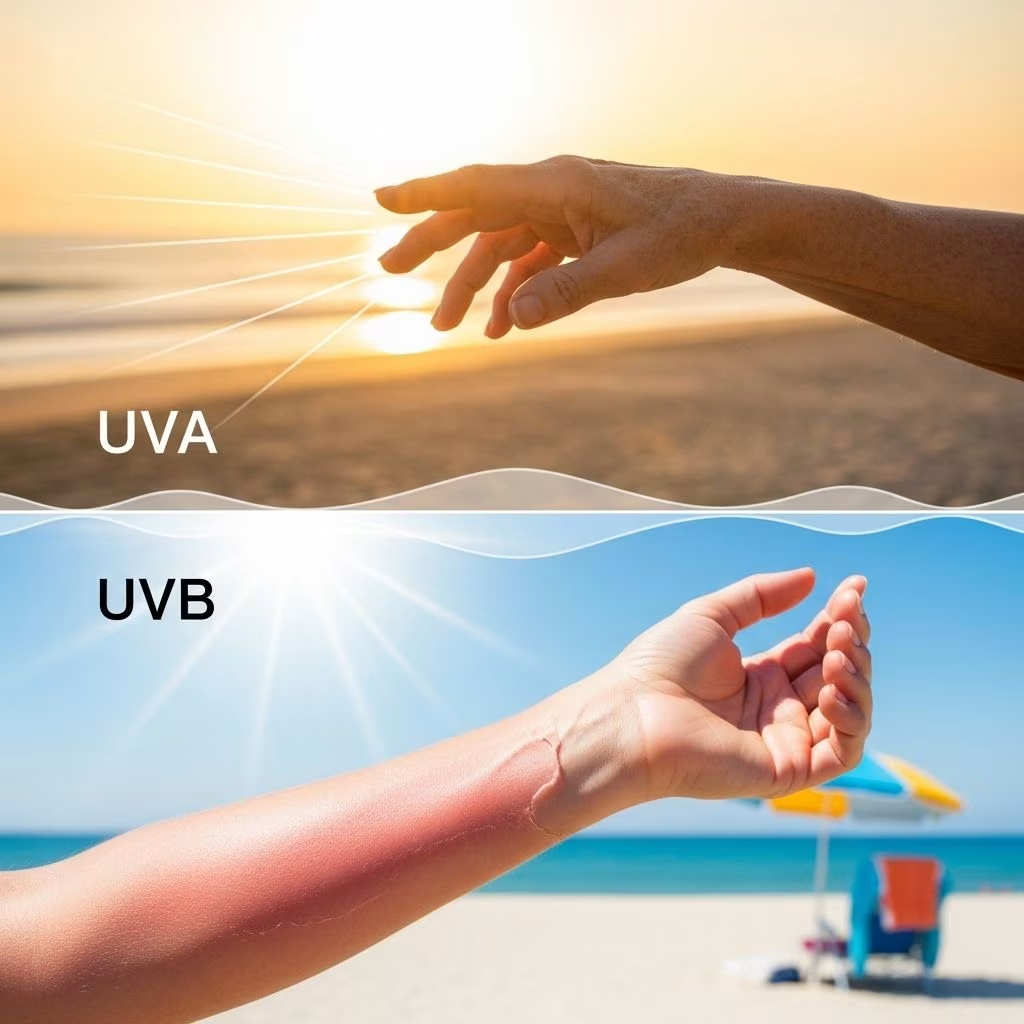
UVA vs UVB: Understanding UV Radiation and Skin Damage
Ultraviolet (UV) radiation from the sun is a leading factor in skin damage, premature aging, and development of skin cancers. There are two chief types of UV rays that reach the Earth’s surface—UVA and UVB—each with distinct properties and effects on skin health. Understanding how these rays interact with your skin is vital for effective protection and long-term health.
Introduction to UV Radiation
Solar radiation, or energy from the sun, reaches Earth in various forms. The most clinically relevant type for human health is ultraviolet (UV) radiation, which comprises about 10% of the total energy from the sun. Of all UV rays, only UVA and UVB are significant contributors to human skin effects; the Earth’s atmosphere screens out most of the even more dangerous UVC rays.
UVA and UVB: Scientific Basics
Both UVA and UVB are forms of ultraviolet radiation. Their difference lies in their wavelengths and the depth to which they penetrate human skin.
| Type | Wavelength | Skin Penetration | Proportion of UV Reaching Earth | Key Effects |
|---|---|---|---|---|
| UVA | 320–400 nm (longer) | Dermis (deeper layer) | 90–95% | Photoaging, pigmentation, supports cancer formation |
| UVB | 280–320 nm (shorter) | Epidermis (top layer) | 5–10% | Sunburn, direct DNA damage, induces skin cancer |
UVA rays have less energy but penetrate deeper into skin structures, mostly affecting the dermis. UVB rays possess higher energy, primarily damaging the epidermis. Though less abundant than UVA rays, UVB rays are more directly responsible for acute skin injury, like sunburn, and play a central role in DNA damage leading to skin cancer.
Impact of UVA and UVB Rays on the Skin
- UVA Rays Effects:
- Penetrate into the dermis, causing collagen breakdown, loss of skin elasticity, and premature wrinkling (photoaging).
- Promote pigmentation changes, such as age spots or uneven coloring.
- Indirectly increase cancer risk through oxidative stress and damage to cellular components.
- Can initiate immune response disturbances or solar allergies.
- Pass through glass and clouds, resulting in exposure even indoors or on overcast days.
- UVB Rays Effects:
- Main cause of sunburn (erythema) due to high energy absorption by the epidermis.
- Direct damage to skin cell DNA, substantially raising skin cancer risk, especially malignant melanoma.
- Associated with acute inflammation (redness, swelling) and chronic damage when exposure is frequent.
- The intensity varies throughout the day and year, peaking midday and in summer.
- Does not pass through most types of glass; indoor exposure is minimal.
Skin Layers and How Damage Occurs
The skin comprises three layers: the epidermis (outer), dermis (middle), and subcutaneous layer (deepest). UVB rays are absorbed mostly by the epidermis, while UVA rays penetrate all the way to the dermis, affecting deeper connective tissues.
Photoaging and Skin Cancer Risk
Photoaging refers to aging changes like wrinkling, laxity, pigmentation, and roughness, specifically induced by chronic sun exposure. UVA rays, being more prevalent and penetrating, are the dominant cause of photoaging.
Skin Cancer:
- UVB rays are the primary driver of direct DNA mutations that can lead to skin cancers, including basal cell carcinoma, squamous cell carcinoma, and the deadly malignant melanoma.
- UVA rays contribute to cancer indirectly, boosting free radicals (oxidative stress) and sometimes amplifying the damage caused by UVB rays.
- Chronic exposure to either type raises cumulative risk for all major skin cancers; protection from both types is essential.
The UV Index and Exposure Variability
The UV Index is a measure of the risk of harm from unprotected sun exposure, ranging from 0 (minimal) to 15 (very high). It varies dramatically depending on:
- Geographical location (closer to the equator = higher UV).
- Altitude (higher altitude = higher UV).
- Season and weather (summer, midday sun = peak UVB intensity).
- Cloud cover (UVA passes through clouds, UVB partially blocked).
| UV Index | Risk Level | Time to Sunburn | Recommended Precautions |
|---|---|---|---|
| 0–2 | Minimal | ~60 min | Sunscreen, UV sunglasses |
| 2–4 | Low | ~45 min | Sunscreen, UV sunglasses |
| 4–6 | Moderate | ~30 min | Sunscreen, sunglasses, hat |
| 6–10 | High | ~15 min | Sunscreen, hat, umbrella, sunglasses |
| 10–15 | Very High | ~10 min | Sunscreen, hat, umbrella, sunglasses, avoid midday sun |
This index helps individuals adjust their sun exposure and adopt suitable protection measures year-round.
Sources of UV Radiation
The primary source of harmful UVA and UVB rays is the sun, but certain artificial sources also contribute significantly:
- Sunlight: Most daily UVA and UVB exposure comes from direct sun, reflected surfaces (water, snow, sand), or even through windows in the case of UVA.
- Tanning Beds: Deliver high-intensity artificial UV light, associated with accelerated skin aging and increased cancer risks. They can emit both UVA and UVB rays, sometimes focused in dangerous amounts.
- Phototherapy: Some medical treatments use controlled doses of UVA (such as PUVA for psoriasis) but only under medical supervision.
- Other Sources: Industrial lamps, lasers, and certain research or sterilization equipment.
Protection and Prevention Strategies
Both UVA and UVB rays can harm your skin—even on cloudy days or when you’re indoors near windows. Expert recommendations focus on a holistic approach:
- Sunscreen Use: Always use a broad-spectrum sunscreen (covering both UVA and UVB), SPF 30 or higher, reapplied every 2 hours, especially during peak sunlight.
- Protective Clothing: Long-sleeved shirts, wide-brim hats, and UV-blocking sunglasses offer essential barriers.
- Timing: Avoid sun exposure during midday (10 am–4 pm) when UVB rays are strongest.
- Shade Seeking: Utilize shade, umbrellas, and awnings; surfaces like sand, water, and snow reflect rays, amplifying exposure.
- Home and Vehicle Glass: Since UVA penetrates standard glass, consider UV window films for added protection indoors and while driving.
- Checking the UV Index: Use weather apps or official sources daily to guide decisions on outdoor activity length and protection intensity.
- Children and High-Risk Groups: Extra care for infants, fair-skinned individuals, and those with previous skin cancer. Children’s skin is more sensitive to damage.
Note: Traditional chemical sunscreens are generally more effective at blocking UVB than UVA, so always opt for ‘broad-spectrum’ labeling for full protection.
Frequently Asked Questions (FAQs)
Q: Does glass block both UVA and UVB?
A: Standard window glass blocks UVB almost completely, but most UVA rays pass through—meaning you’re exposed to harmful levels even indoors.
Q: What is the difference between SPF and broad-spectrum protection?
A: SPF (Sun Protection Factor) measures UVB protection only. ‘Broad-spectrum’ means the sunscreen also protects against UVA rays, which are responsible for aging and indirect DNA damage.
Q: Are tanning beds safer than sun exposure?
A: No. Tanning beds are as harmful, if not more so, because they deliver concentrated artificial UVA and UVB radiation, substantially raising the risk of premature aging and skin cancers.
Q: Can you get burned on a cloudy day?
A: Yes. Clouds block only part of UVB rays and very little UVA. Meaningful exposure and risk still exist, so protection is advised even on overcast days.
Q: Are there any benefits to UV exposure?
A: Limited UVB exposure helps the body produce vitamin D. However, most dermatologists recommend dietary sources or supplements over direct sun exposure, given the high cancer and aging risks associated with UV rays.
Q: Is skin damage reversible?
A: Some skin damage may be partially reversed with treatments like antioxidants, retinoids, or medical therapy, but DNA mutations and severe photoaging are largely permanent. Prevention is much more effective than trying to repair damage after the fact.
References
- Sesamecare.com – UVA vs UVB Rays: Differences, Risks, Benefits
- WebMD – What’s the Difference Between UVA and UVB Rays?
- ISDIN.com – UVB, UVA, Blue Light: All About Solar Radiation & Your Skin
- UIHC.org – What is the difference between UVA and UVB rays?
- SkinCancer.org – UV Radiation
- PubMed – Photocarcinogenesis: UVA vs UVB
- Sunbum.com – Understanding UVA vs. UVB Rays
- Healthline.com – What’s the Difference Between UVA and UVB Rays?
References
- https://sesamecare.com/blog/uva-vs-uvb
- https://www.webmd.com/melanoma-skin-cancer/difference-between-uva-rays-and-uvb-rays/
- https://www.isdin.com/us/blog/skincare/ultraviolet-radiation-and-your-skin/
- https://uihc.org/health-topics/what-difference-between-uva-and-uvb-rays
- https://www.skincancer.org/risk-factors/uv-radiation/
- https://pubmed.ncbi.nlm.nih.gov/10907526/
- https://www.sunbum.com/blogs/sun-bum/uva-vs-uvb-rays
- https://www.healthline.com/health/skin/uva-vs-uvb


