


Understanding Sunscreen Basics
Sun protection is essential for maintaining healthy skin and preventing long-term damage from harmful ultraviolet radiation. With countless sunscreen options available, understanding the fundamental differences between chemical and mineral formulations becomes crucial for making informed decisions about your skin protection routine.
Both chemical and mineral sunscreens serve the same primary purpose: protecting your skin from damaging UVA and UVB rays that can cause sunburn, premature aging, and increase skin cancer risk. However, they achieve this protection through distinctly different mechanisms and offer unique advantages and drawbacks.
The choice between chemical and mineral sunscreen often depends on individual skin type, lifestyle factors, cosmetic preferences, and specific protection needs. Understanding how each type works will help you select the most suitable option for optimal sun protection.
What is Chemical Sunscreen
Chemical sunscreens, also known as organic sunscreens, work by creating a chemical reaction that absorbs UV rays and converts them into heat energy, which is then released from the skin. This absorption process happens within the skin layers after the sunscreen has been applied and absorbed.
Active Ingredients in Chemical Sunscreens
Chemical sunscreens contain various active ingredients that have been approved by the FDA for safe and effective use. The most common chemical sunscreen ingredients include:
- Avobenzone: Provides excellent UVA protection but can be unstable when exposed to sunlight
- Oxybenzone: Offers broad-spectrum protection but has raised some environmental and health concerns
- Octisalate: Primarily protects against UVB rays and helps stabilize other ingredients
- Octocrylene: Provides UVB protection and helps stabilize avobenzone
- Homosalate: Absorbs UVB radiation effectively
- Octinoxate: Provides UVB protection but has been banned in some locations due to environmental concerns
How Chemical Sunscreens Function
The absorption mechanism of chemical sunscreens requires them to penetrate into the skin’s surface to become effective. This process typically takes 15-20 minutes after application, which is why dermatologists recommend applying chemical sunscreen before sun exposure rather than waiting until you’re already outside.
What is Mineral Sunscreen
Mineral sunscreens, also called physical sunscreens, create a protective barrier on the skin’s surface that reflects and scatters UV rays away from the skin. Unlike chemical sunscreens, mineral formulations sit on top of the skin rather than being absorbed into it.
Active Ingredients in Mineral Sunscreens
Mineral sunscreens contain only two FDA-approved active ingredients:
- Zinc Oxide: Provides broad-spectrum protection against both UVA and UVB rays and is considered the most effective single ingredient for sun protection
- Titanium Dioxide: Primarily protects against UVB rays and some shorter UVA wavelengths
Any sunscreen containing additional active ingredients beyond zinc oxide and titanium dioxide would be classified as either a chemical or hybrid sunscreen, not a pure mineral formula.
How Mineral Sunscreens Function
The physical barrier created by mineral sunscreens begins working immediately upon application. The mineral particles act like tiny mirrors, reflecting UV radiation away from the skin before it can cause damage. This immediate protection is one of the key advantages of mineral sunscreens.
How They Work Differently
The fundamental difference between chemical and mineral sunscreens lies in their mechanism of UV protection. Understanding these distinct approaches helps explain why each type has specific advantages and limitations.
Chemical Sunscreen Mechanism
Chemical sunscreens function like a sponge, absorbing UV radiation into the skin where chemical compounds transform the harmful energy into heat. This heat is then dissipated from the skin’s surface. The absorption process requires the sunscreen to penetrate into the upper layers of skin, which explains the recommended waiting period before sun exposure.
Mineral Sunscreen Mechanism
Mineral sunscreens work like a shield, creating a physical barrier that reflects and scatters UV rays before they can reach the skin. The mineral particles remain on the skin’s surface, providing immediate protection without requiring absorption time. This reflective action is why mineral sunscreens often appear white or leave a visible cast on the skin.
Ingredients Comparison
The ingredient profiles of chemical and mineral sunscreens reveal significant differences in complexity, stability, and potential for skin reactions.
| Aspect | Chemical Sunscreen | Mineral Sunscreen |
|---|---|---|
| Active Ingredients | Multiple chemical compounds (6+ options) | Zinc oxide and/or titanium dioxide only |
| Ingredient Stability | Can degrade with sun exposure | Photostable – don’t break down in sunlight |
| Formulation Complexity | Often requires multiple ingredients for broad-spectrum protection | Single ingredient (zinc oxide) can provide full protection |
| Potential for Reactions | Higher due to multiple chemical compounds | Lower – fewer ingredients mean fewer potential irritants |
Effectiveness and Protection
Both chemical and mineral sunscreens can provide excellent UV protection when formulated and applied correctly. The key factor for effectiveness is achieving broad-spectrum protection against both UVA and UVB radiation with an appropriate SPF level.
SPF and Broad-Spectrum Protection
Regardless of type, dermatologists recommend using sunscreen with at least SPF 30, which blocks approximately 97% of UVB rays. SPF 50 provides about 98% protection, while SPF 100 offers roughly 99% protection. The incremental benefit of higher SPF values becomes minimal beyond SPF 30-50.
Both chemical and mineral sunscreens can achieve broad-spectrum protection, though they may require different ingredient combinations. Zinc oxide alone provides excellent broad-spectrum coverage, while chemical sunscreens typically need multiple active ingredients to achieve the same comprehensive protection.
Duration of Protection
The effectiveness of both sunscreen types diminishes over time due to factors like sweating, swimming, rubbing, and natural wear. Both require reapplication every two hours or after water exposure or excessive sweating, regardless of their initial SPF rating.
Application and Cosmetic Experience
The user experience differs significantly between chemical and mineral sunscreens, affecting daily compliance and overall satisfaction with sun protection routines.
Chemical Sunscreen Application
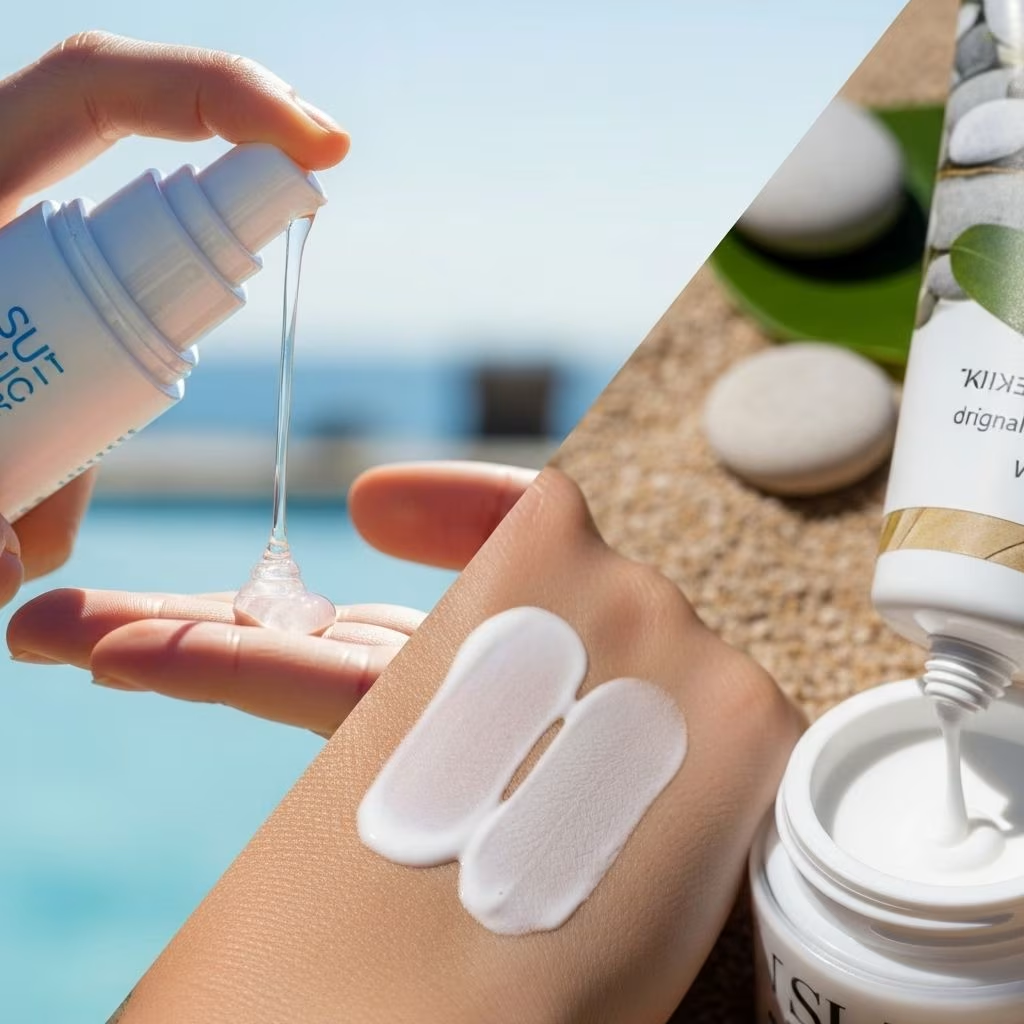
Chemical sunscreens typically offer superior cosmetic elegance with lightweight, transparent formulations that blend seamlessly into all skin tones. They absorb completely into the skin without leaving visible residue, making them popular for daily use under makeup or for active lifestyles.
However, chemical sunscreens require planning ahead due to their 15-20 minute absorption time. This timing requirement can be inconvenient for spontaneous outdoor activities or when immediate protection is needed.
Mineral Sunscreen Application
Traditional mineral sunscreens have been known for thick, white formulations that can feel heavy and leave a visible cast on the skin. However, modern mineral sunscreen technology has significantly improved, with many brands now offering lighter, more blendable formulations.
The immediate protection offered by mineral sunscreens provides convenience for last-minute application, but achieving even coverage requires more effort during application to avoid streaking or uneven protection.
Skin Type Considerations
Different skin types may benefit from specific sunscreen formulations based on sensitivity, acne-proneness, and individual tolerance to ingredients.
Sensitive Skin
Mineral sunscreens are generally recommended for sensitive skin types due to their gentle, non-irritating nature. The simple ingredient profile reduces the likelihood of allergic reactions or skin irritation. Zinc oxide, in particular, has anti-inflammatory properties that can actually soothe sensitive skin.
Chemical sunscreens may cause stinging, burning, or redness in individuals with sensitive skin, especially around the delicate eye area. However, some people with sensitive skin can tolerate certain chemical sunscreen ingredients better than others.
Acne-Prone Skin
Both sunscreen types can be suitable for acne-prone skin when formulated as non-comedogenic products. Chemical sunscreens often offer lighter textures that feel less heavy on oily skin, while zinc oxide in mineral sunscreens has antimicrobial properties that may help with acne control.
Dry Skin
People with dry skin may prefer chemical sunscreens for their typically more moisturizing formulations and lighter feel. However, mineral sunscreens formulated with hydrating ingredients can also work well for dry skin types.
Children and Babies
Mineral sunscreens are generally recommended for children and babies over 6 months old due to their gentle nature and lower risk of skin reactions. The physical barrier created by mineral ingredients is less likely to cause irritation on delicate young skin.
Safety and Environmental Impact
Safety considerations encompass both human health impacts and environmental effects, particularly on marine ecosystems.
Human Safety Profile
Both chemical and mineral sunscreens are considered safe for human use by the FDA when used as directed. However, some chemical sunscreen ingredients have raised concerns about hormone disruption and systemic absorption, though research is ongoing and regulatory agencies continue to monitor safety data.
Mineral sunscreens are generally considered to have a superior safety profile due to their lack of systemic absorption and simpler ingredient composition. The minerals zinc oxide and titanium dioxide are not absorbed into the bloodstream in significant amounts.
Environmental Considerations
Certain chemical sunscreen ingredients, particularly oxybenzone and octinoxate, have been linked to coral reef damage and have been banned in some locations including Hawaii and parts of the Caribbean. These chemicals can contribute to coral bleaching and disrupt marine ecosystems.
Mineral sunscreens are generally considered more environmentally friendly, though some concerns exist about nanoparticle forms of zinc oxide and titanium dioxide. Many mineral sunscreens now specifically use non-nano particles to address these environmental concerns.
Pros and Cons Comparison
Chemical Sunscreen Advantages
- Lightweight, transparent formulation
- Excellent cosmetic elegance
- Suitable for all skin tones without white cast
- Often more affordable
- Water-resistant formulations available
- Easy to apply evenly
Chemical Sunscreen Disadvantages
- Requires 15-20 minutes to become effective
- May cause skin irritation or allergic reactions
- Some ingredients may disrupt hormones
- Can sting eyes
- Environmental concerns with certain ingredients
- May degrade with sun exposure
Mineral Sunscreen Advantages
- Immediate protection upon application
- Gentle and suitable for sensitive skin
- Stable ingredients that don’t degrade in sunlight
- No systemic absorption
- Anti-inflammatory properties (zinc oxide)
- Environmentally friendly options available
- Suitable for children and babies
Mineral Sunscreen Disadvantages
- Can leave white cast on skin
- Thicker, heavier texture
- May be more difficult to apply evenly
- Often more expensive
- Limited shade range for tinted versions
- May feel chalky or dry on skin
Choosing the Right Sunscreen
The best sunscreen is the one you’ll use consistently and correctly. Consider these factors when making your decision:
Lifestyle Factors
Active individuals who need immediate protection may prefer mineral sunscreens, while those who plan ahead and prioritize cosmetic elegance might choose chemical options. Water activities may favor chemical sunscreens with superior water resistance, though both types offer water-resistant formulations.
Skin Sensitivity
Those with sensitive skin, rosacea, or frequent skin reactions should generally opt for mineral sunscreens. If you experience stinging or burning with chemical sunscreens, mineral alternatives are likely better suited to your skin.
Daily Use vs. Occasional Use
For daily facial use under makeup, chemical sunscreens often provide better cosmetic compatibility. For occasional outdoor activities or beach days, mineral sunscreens offer reliable, immediate protection.
Budget Considerations
Chemical sunscreens are typically more affordable and widely available, while mineral options may require a higher investment but often provide longer-lasting protection due to their photostable nature.
Frequently Asked Questions
Q: Can I use both chemical and mineral sunscreens together?
A: Yes, hybrid sunscreens combine both chemical and mineral ingredients, and you can layer different types. However, ensure you’re applying enough product overall to maintain adequate protection.
Q: Do mineral sunscreens work better for sports and swimming?
A: Both types can be water-resistant, but mineral sunscreens may stay put longer during activities since they sit on top of the skin rather than being absorbed into it.
Q: Why does my chemical sunscreen sting my eyes?
A: Chemical sunscreen ingredients can migrate with sweat and oil, causing eye irritation. Mineral sunscreens around the eye area or stick formulations may be better options for sensitive eyes.
Q: Are expensive sunscreens always better than drugstore options?
A: Not necessarily. Both expensive and affordable sunscreens can provide excellent protection. Focus on broad-spectrum SPF 30+ rather than price when evaluating effectiveness.
Q: How much sunscreen should I apply?
A: Apply 1 ounce (2 tablespoons) to cover your entire body, and about 1/4 teaspoon for your face and neck. Most people apply too little, reducing the actual SPF protection.
Q: Can sunscreen expire or go bad?
A: Yes, sunscreen expires and loses effectiveness over time. Check expiration dates and replace old products. Heat and sunlight exposure can also degrade sunscreen quality.
Ultimately, the choice between chemical and mineral sunscreen depends on your individual needs, skin type, and preferences. Both can provide excellent UV protection when used correctly. The most important factor is consistent, proper application of a broad-spectrum SPF 30 or higher sunscreen, regardless of which type you choose. Consider trying both types to determine which works best for your lifestyle and skin, and remember that the best sunscreen is the one you’ll use every day.
References
- https://health.clevelandclinic.org/mineral-vs-chemical-sunscreen
- https://supergoop.com/blogs/sun-101/difference-between-chemical-and-mineral-sunscreen
- https://www.cerave.com/skin-smarts/skin-concerns/sun-protection/mineral-vs-chemical-sunscreen
- https://www.uhhospitals.org/blog/articles/2023/06/sunscreen-vs-sunblock-whats-the-difference
- https://www.kiehls.ie/world-of-kiehls/mineral-or-chemical-sunscreen.html
- https://www.mdanderson.org/cancerwise/is-mineral-sunscreen-better-than-chemical-sunscreen.h00-159540534.html
- https://drsabrina.com/blogs/skin-care/chemical-vs-mineral-sunscreen


