


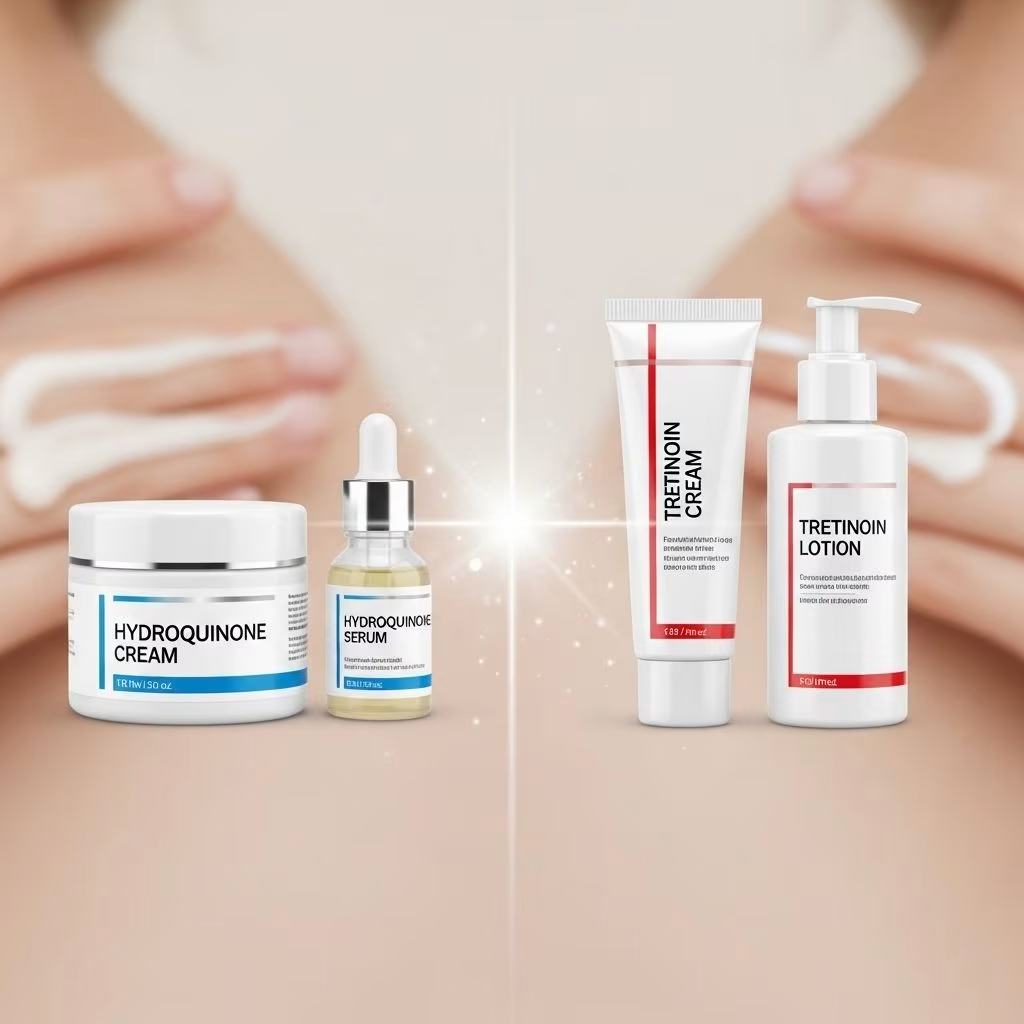
Dark spots and hyperpigmentation are common skin concerns affecting individuals of diverse backgrounds. Two of the most effective and extensively studied topical treatments for these issues are hydroquinone and tretinoin. This guide will explore and compare these agents, explaining how they work, their benefits and drawbacks, how to use them—singly and in combination—and how to achieve the best results safely.
Understanding Dark Spots and Hyperpigmentation
Dark spots (also called hyperpigmentation) are localized patches of skin that appear darker than the surrounding area. These result from excess melanin production, often triggered by:
- Sun exposure (solar lentigines or ‘age spots’)
- Post-inflammatory changes (post-acne marks or trauma)
- Hormonal shifts (melasma)
Treating dark spots typically involves two strategies: reducing melanin production and increasing skin cell turnover.
What is Hydroquinone?
Hydroquinone is a topical skin-lightening agent, recognized as the gold standard for treating hyperpigmentation.
- Works by inhibiting tyrosinase, an enzyme essential for melanin (skin pigment) production.
- Prescribed in concentrations typically ranging from 2% (over-the-counter in some countries) to 4% (prescription-strength).
- Indicated mainly for melasma, age spots, and post-inflammatory hyperpigmentation from acne or trauma.
- Not suitable for long-term continual use due to potential side effects.
Key Benefits of Hydroquinone
- Highly effective at fading dark spots, melasma, and old acne marks
- Targets the root of hyperpigmentation by limiting melanin synthesis
- Visible results may appear in as little as 4–6 weeks, but full effects often take several months
- Can be combined with other agents (like tretinoin) for increased efficacy
What is Tretinoin?
Tretinoin is a topical retinoid and a derivative of Vitamin A. It is FDA-approved for acne treatment and widely used off-label for photoaging and hyperpigmentation.
- Stimulates cell turnover and increases shedding of the outer skin layers
- Promotes the formation of new, unpigmented skin cells
- Indicated for acne, fine lines, wrinkles, skin texture improvement, and as an adjunct in hyperpigmentation treatment
- Allows deeper penetration and enhanced efficacy of other topical agents (e.g., hydroquinone)
Key Benefits of Tretinoin
- Reduces acne and prevents future breakouts
- Improves fine lines, wrinkles, and overall skin texture
- Lightens hyperpigmentation over time by increasing renewal of skin cells
- Best used long-term for sustained anti-aging and skin-brightening effects
Mechanism of Action: How Do Hydroquinone and Tretinoin Work?
| Agent | Primary Mechanism | Result on Skin |
|---|---|---|
| Hydroquinone | Inhibits tyrosinase enzyme to decrease melanin production | Lightens existing dark spots and evens skin tone |
| Tretinoin | Increases cell turnover and promotes new cell growth | Reduces hyperpigmentation indirectly; improves skin texture and tone |
The two drugs tackle pigmentation from complementary angles: hydroquinone shuts off the ‘pigment production switch,’ while tretinoin speeds up the journey to fresh, evenly pigmented skin.
Indications and Uses for Dark Spots
- Hydroquinone is best for melasma, sunspots, age spots, and post-inflammatory hyperpigmentation.
- Tretinoin excels in acne, post-acne scarring, fine lines, and improving overall skin clarity.
- Both are valuable for post-inflammatory hyperpigmentation.
Efficacy and Comparative Studies
Multiple studies and clinical experience indicate:
- Hydroquinone generally acts faster than tretinoin in visible fading of hyperpigmentation, particularly in the first 1–2 months of use.
- Tretinoin contributes to lasting improvement and can help maintain results, especially after discontinuing hydroquinone.
- Clinical trials confirm: In the setting of priming before chemical peels for melasma, hydroquinone is superior to tretinoin for preventing recurrence and postpeel hyperpigmentation.
Direct comparison:
| Hydroquinone | Tretinoin |
|---|---|
| More rapid and pronounced lightening of dark spots | Gradual fading of pigmentation, greater long-term improvement in texture and tone |
| Often used for up to 3–4 months | Can be used safely for long-term maintenance |
| Best for targeted pigment removal | Excellent for treating acne, fine lines, and texture along with pigmentation |
| Risk of rebound darkening if overused | Helps maintain pigment reduction after hydroquinone cessation |
Combination Therapy: Hydroquinone and Tretinoin Together
Dermatologists frequently prescribe these two drugs in combination—often with a mild corticosteroid—to maximize benefits and minimize side effects.
- Tretinoin increases skin cell turnover, allowing hydroquinone to penetrate more deeply
- The combination is particularly effective in stubborn or resistant melasma and hyperpigmentation
- Famous triple combination: Tri-Luma (hydroquinone 4%, tretinoin 0.05%, fluocinolone acetonide 0.01%)
This synergistic effect produces faster and more significant results, particularly on facial melasma.
Best Candidates for Combination Therapy
- Stubborn dark spots that do not respond to solo treatments
- Diffuse melasma involving large areas of skin
- Patients seeking improvement in both pigmentation and skin texture
Side Effects, Risks, and Safety
Hydroquinone Side Effects
- Skin irritation, redness, dryness, and occasional burning or stinging
- Rarely: Ochronosis—a bluish-gray discoloration that can be permanent, usually after prolonged or excessive use
- Should not be used continuously long-term; typical maximum duration: 3–6 months
Tretinoin Side Effects
- Initial increase in skin irritation, redness, peeling, and dryness
- May temporarily worsen acne before improvement (“retinoid purge”)
- Significantly increases skin sensitivity to sunlight
- Adverse effects are often minimized by slow introduction and using appropriate moisturizers
General Precautions
- Both agents cause increased sensitivity to sunlight. Daily broad-spectrum sunscreen use is mandatory.
- Neither hydroquinone nor tretinoin should be used during pregnancy or breastfeeding.
- Monitor for irritation or allergic reactions, and consult with a dermatologist for persistent or worsening symptoms.
How to Use Hydroquinone and Tretinoin: Practical Guidance
Hydroquinone
- Apply a thin layer to clean, dry skin only on affected areas
- Typically used once nightly
- Max recommended duration: up to 4–6 months without interruption
- Take “holidays” after several months to reduce risk of side effects and lessen rebound hyperpigmentation
Tretinoin
- Start with a low concentration (0.025% or 0.05%) to minimize side effects
- Apply to entire affected area at night on clean, dry skin
- Use every other night initially, increasing frequency as tolerated
- Consistency is key; results may take 8–12 weeks or more
Combination Protocols
- If combining, hydroquinone and tretinoin are typically used together at night
- A corticosteroid (as found in some formulations) helps minimize irritation
- Always apply sunscreen every morning and limit direct sun exposure
- Check with a dermatologist, especially for combination use or treating extensive pigment changes
Choosing the Right Agent for You
The selection depends on your primary skin concerns, goals, and tolerance for potential side effects.
- Choose hydroquinone if your main concern is stubborn, isolated dark spots or melasma and you want faster results.
- Choose tretinoin if you:
- want to address ongoing acne or breakouts
- seek anti-aging and textural improvement in addition to lightening spots
- Consider combination therapy if you have:
- widespread hyperpigmentation
- resistant melasma
- already tolerated one or both agents individually without significant irritation
In all cases, a dermatologist’s guidance is important as some skin types (especially darker skin tones) require careful monitoring to avoid irritation or paradoxical pigmentation worsening.
Frequently Asked Questions (FAQs)
Q: How long does it take to see results with hydroquinone or tretinoin?
Hydroquinone may show changes within 4–6 weeks, but peak effect often takes 3–6 months. Tretinoin typically requires 8–12 weeks for visible improvement, with continued gains seen thereafter.
Q: Can I use hydroquinone and tretinoin at the same time?
Yes, they are often prescribed together for tougher cases of hyperpigmentation. Tretinoin helps enhance hydroquinone’s penetration and efficacy. However, this should be done under medical supervision due to increased risk of skin irritation.
Q: Are these treatments permanent solutions for dark spots?
Results can be long-lasting with ongoing sun protection and consistent skin care. However, cessation of treatment, sun exposure, or hormonal changes can cause recurrence, especially for conditions like melasma. Tretinoin can be continued long-term to help maintain results after hydroquinone cycles.
Q: What should I avoid while using hydroquinone or tretinoin?
- Avoid prolonged sun exposure and always use sunscreen
- Do not use harsh exfoliants or abrasive products that can increase irritation
- Do not use during pregnancy or breastfeeding
Q: Is it safe to use over-the-counter products with these ingredients?
Some low-strength formulations are available over-the-counter, but prescription-strength products offer greater efficacy for significant pigmentation. Using these agents should involve professional guidance, particularly for those with sensitive, dry, or darker skin types.
Final Thoughts
Hydroquinone and tretinoin are cornerstone therapies in the fight against dark spots and hyperpigmentation. Hydroquinone is the gold standard for rapid, targeted pigment fading, while tretinoin offers broader benefits for skin renewal, acne, and long-term maintenance. When used in combination and under dermatological oversight, they offer powerful synergy—with increased effectiveness yet careful management of side effects. Regardless of which therapy you choose, consistent sun protection is essential to maximize results and prevent recurrence.
Always discuss your options and treatment plan with a board-certified dermatologist before beginning hydroquinone, tretinoin, or a combination regimen to ensure optimal and safe outcomes for your individual skin needs.
References
- https://www.nurx.com/faq/whats-the-difference-between-tretinoin-and-hydroquinone/
- https://pubmed.ncbi.nlm.nih.gov/15008866/
- https://www.cosmeticsandyou.com/blog/comparison-of-hydroquinone-vs-tretinoin-for-skin-discoloration-and-acne/
- https://www.perfectb.com/tretinoin-vs-hydroquinone-the-best-way-to-treat-wrinkles-dark-spots-and-aging-skin/
- https://miiskin.com/tretinoin/hydroquinone-and-tretinoin/
- https://www.redboxrx.com/blog/tretinoin-retina-hydroquinone-indepth-overview
- https://www.perfectb.com/wrinkles-acne-or-dark-spots-a-guide-to-choosing-tretinoin-vs-hydroquinone-for-skin-brightening-treatment/
- https://www.musely.com/tips/Hydroquinone-Tretinoin-Timeless-Skin-The-Ultimate-AntiAging-Routine-Revealed/30924141


