


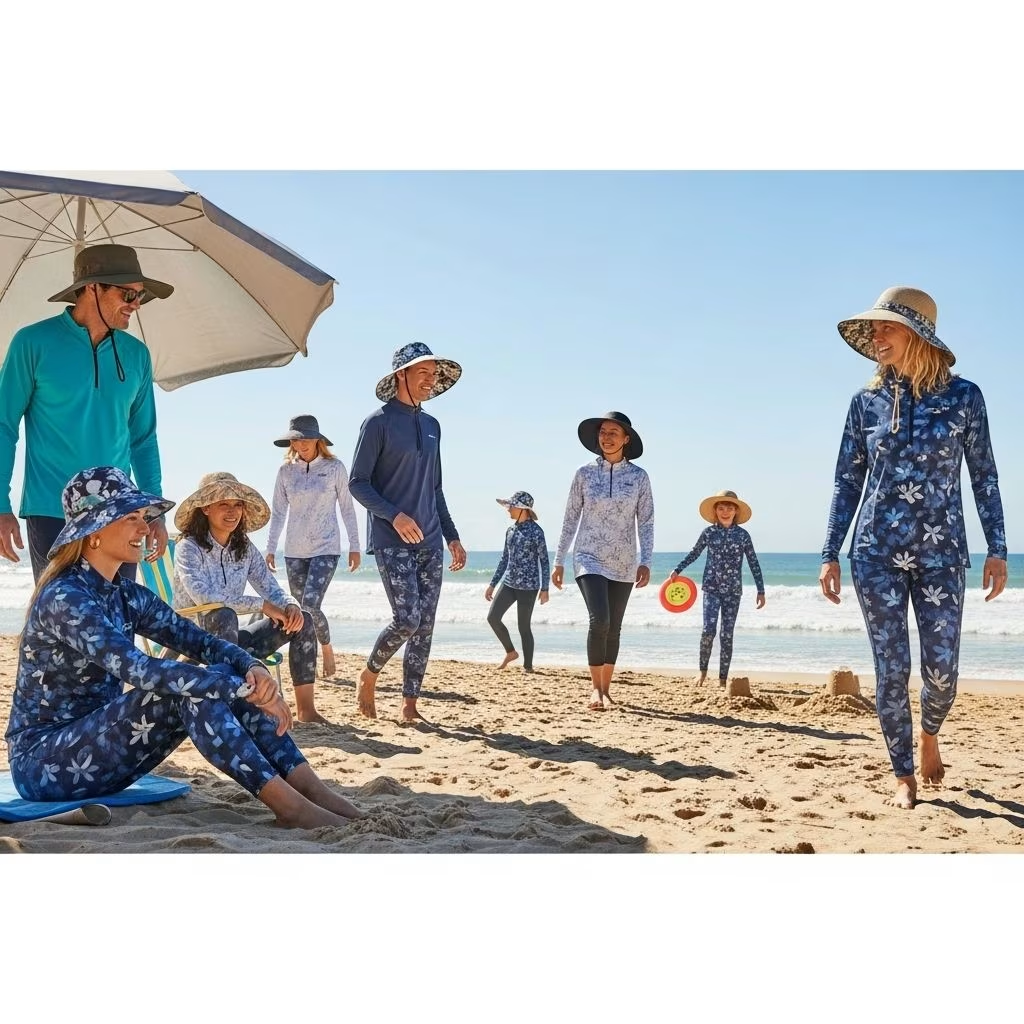
Protecting your skin from harmful ultraviolet radiation has become increasingly critical as skin cancer rates continue to rise globally. While sunscreen has long been promoted as the primary defense against UV damage, groundbreaking research now reveals that sun protective clothing and physical barriers offer superior protection. Understanding how to leverage these physical defenses can dramatically reduce your risk of sun damage, premature aging, and skin cancer while allowing you to enjoy outdoor activities with confidence.
The concept of using clothing as a protective barrier against the sun is not new, but recent technological advances have transformed ordinary fabrics into sophisticated UV-blocking materials. These innovations, combined with strategic use of physical barriers like hats, umbrellas, and shade structures, create a comprehensive defense system against solar radiation that surpasses traditional sunscreen in both effectiveness and convenience.
Understanding UV Radiation and Its Impact on Skin Health
Before exploring the protective capabilities of clothing and physical barriers, it’s essential to understand what you’re protecting yourself against. The sun emits two primary types of ultraviolet radiation that reach the earth’s surface: UVA and UVB rays. Both penetrate the atmosphere and cause significant damage to human skin, though they affect the body differently.
UVB rays are primarily responsible for sunburn and play a direct role in developing skin cancer. These shorter wavelength rays damage the DNA in skin cells, triggering mutations that can lead to malignant growth. UVA rays, while less intense, penetrate deeper into the skin and are the primary cause of premature aging, wrinkles, and age spots. They also contribute to skin cancer development and can pass through clouds and glass, making protection necessary even on overcast days or indoors near windows.
The cumulative effect of UV exposure over a lifetime significantly increases skin cancer risk. A single severe sunburn during childhood or adolescence more than doubles the chances of developing melanoma later in life. This underscores the importance of consistent, reliable protection methods that don’t depend on frequent reapplication or perfect execution.
The Science Behind Sun Protective Clothing
Sun protective clothing represents a technological breakthrough in personal UV defense. Unlike regular clothing, which offers varying and often inadequate protection, specially designed UPF garments undergo rigorous testing to ensure consistent UV-blocking capabilities.
A landmark study conducted by Oregon Health & Science University compared UPF-protective fabrics directly with traditional sunscreen, revealing remarkable differences in protective capacity. The research found that UPF fabrics blocked more than 99% of UVB rays, while sunscreens only prevented 76% to 94% of these harmful rays from reaching the skin. The disparity was even more pronounced for UVA protection, with UPF fabrics offering 96% to 98% protection compared to sunscreen’s 54% to 82% effectiveness.
These findings led researchers to conclude that UV-protective clothing should be considered the cornerstone of sun protection strategies. The superior performance stems from the fabric’s physical barrier properties, which don’t degrade, wash off, or require reapplication like sunscreen does.
UPF Ratings Explained: What the Numbers Really Mean
Understanding UPF ratings is crucial for making informed decisions about sun protective clothing. UPF stands for Ultraviolet Protection Factor and measures how much UV radiation penetrates fabric to reach your skin. The rating system provides a clear indication of a garment’s protective capabilities.
A UPF rating of 15 to 24 is considered good protection, blocking 93.3% to 95.9% of UV rays. UPF 25 to 39 offers very good protection, blocking 96.0% to 97.4% of radiation. The highest rating, UPF 40 to 50+, provides excellent protection by blocking at least 97.5% of UV rays. Garments rated UPF 50+ block at least 98% of UV radiation, allowing less than 2% to penetrate the fabric.
To put this in perspective, a regular cotton t-shirt typically has a UPF rating of only 5, meaning it blocks just 80% of UV rays and allows 20% to reach your skin. This is equivalent to wearing SPF 5 sunscreen, which provides minimal protection. When the same shirt becomes wet, its protective capability diminishes further as water reduces the fabric’s UV-blocking properties.
Fabric Technology and Construction Methods
The effectiveness of sun protective clothing depends on several key factors related to fabric composition and construction. Manufacturers employ various techniques to enhance UV-blocking capabilities while maintaining comfort and wearability.
Tight weave construction plays a fundamental role in UV protection. Fabrics with tightly woven fibers leave fewer gaps for UV rays to penetrate. The density of the weave directly correlates with protection level, as more densely constructed fabrics provide better barriers against radiation. Holding a garment up to light offers a simple test: if you can see through the fabric easily, UV rays can penetrate it as well.
Fabric color and dye also influence UV protection. Darker colors generally absorb more UV radiation than lighter shades, preventing rays from reaching the skin. Certain dyes contain UV-absorbing properties that enhance protection beyond what the base fabric provides. Manufacturers often treat fabrics with specialized UV-absorbing chemicals that bond to fibers and create an additional protective layer.
The type of fiber used in clothing construction significantly impacts UV protection. Synthetic fibers like polyester and nylon naturally offer better UV protection than natural fibers such as cotton or linen. However, modern textile treatments can enhance any fabric type, allowing manufacturers to create comfortable, breathable garments from various materials while maintaining high UPF ratings.
Innovation continues in this field, with manufacturers developing moisture-wicking fabrics that pull sweat away from skin while maintaining UV protection. Breathable materials ensure comfort during physical activities, addressing concerns that sun protective clothing might be too hot or restrictive. Some companies are even exploring sustainable, eco-friendly options that provide excellent sun protection while minimizing environmental impact.
Essential Physical Barriers Beyond Clothing
While sun protective clothing covers much of the body, comprehensive UV protection requires additional physical barriers to shield exposed areas and create protected environments.
Broad-brimmed hats serve as critical components of sun protection strategy. A proper sun protective hat features a brim at least three inches wide that circles the entire head, shading the face, ears, and neck. These areas are particularly vulnerable to sun damage and common sites for skin cancer development. Hats specifically designed for sun protection often include legionnaire flaps that provide additional neck and ear coverage. Baseball caps, while popular, leave ears and neck exposed and offer inadequate protection for comprehensive sun safety.
Sunglasses protect the delicate skin around the eyes and reduce risk of cataracts and other UV-related eye damage. Quality sunglasses should block 99% to 100% of both UVA and UVB radiation. Wraparound styles offer superior protection by preventing rays from entering from the sides. The skin around the eyes is thin and particularly susceptible to damage, making proper eye protection essential.
Umbrellas and shade structures create protected zones during outdoor activities. Beach umbrellas with UV-resistant fabric provide relief from direct sun exposure, though it’s important to remember that sand, water, and other surfaces reflect UV rays, necessitating additional protection even in shade. Permanent shade structures like pergolas, awnings, and canopies offer consistent protection in frequently used outdoor spaces.
Seeking natural shade under trees or buildings provides additional UV protection, though coverage varies depending on foliage density and time of day. Understanding that UV rays can reflect off surfaces and scatter in the atmosphere helps inform decisions about when additional protection beyond shade is necessary.
Who Benefits Most from Sun Protective Clothing
While everyone benefits from proper sun protection, certain groups face elevated risk and should prioritize sun protective clothing and physical barriers as primary defense strategies.
Individuals with personal or family history of skin cancer require extra vigilance regarding UV protection. Previous skin cancer diagnosis significantly increases the likelihood of developing additional cancerous lesions. Those with close relatives who have had skin cancer carry genetic predispositions that heighten their risk. For these individuals, sun protective clothing provides consistent, reliable defense that doesn’t depend on perfect sunscreen application.
People with fair skin, light hair, and light-colored eyes burn more easily and face substantially higher skin cancer risk. Even one severe sunburn dramatically increases the chance of developing melanoma. Sun protective clothing minimizes this risk by providing constant coverage that doesn’t diminish over time. Individuals with photosensitive skin conditions, including lupus, polymorphous light eruption, and porphyria, experience significant reactions to even minimal UV exposure and benefit enormously from physical UV barriers.
Outdoor workers accumulate extensive UV exposure over their careers, leading to cumulative damage that significantly increases cancer risk. Landscapers, construction workers, lifeguards, and others who spend prolonged periods outdoors benefit from investing in professional-grade sun protective clothing that also regulates temperature and manages moisture.
Athletes who train or compete outdoors face unique challenges regarding sun protection. Runners, cyclists, golfers, hikers, and other outdoor enthusiasts spend hours exposed to UV radiation. During intense physical activity, sweat washes away sunscreen, leaving skin vulnerable. Sun protective athletic wear maintains consistent protection regardless of perspiration levels while providing the performance features athletes require.
Children’s sensitive skin makes them particularly vulnerable to sun damage, and childhood sun exposure strongly correlates with adult skin cancer risk. Applying and reapplying sunscreen on active children presents practical challenges, making sun protective clothing an ideal solution for consistent coverage. Similarly, older adults have thinner skin that sustains damage more easily, and many take medications that increase photosensitivity. Physical barriers offer protection without the need for frequent reapplication or potential skin irritation from chemical sunscreens.
Design Features That Maximize Protection
Sun protective clothing incorporates functional design elements specifically engineered to minimize direct sun exposure to vulnerable skin areas. Understanding these features helps consumers select garments that provide comprehensive coverage.
Long sleeves with thumbholes extend protection over the backs of hands, an often-neglected area prone to sun damage and age spots. Thumbholes keep sleeves in place during activity, preventing them from riding up and exposing wrists and forearms. High collars shield the neck, an area where skin is thin and prone to premature aging and cancer development.
Extended torso length ensures that shirts remain tucked during movement, preventing exposure of the lower back and abdomen. Athletic cuts accommodate full range of motion without compromising coverage. Strategic panel placement in high-movement areas maintains protection while allowing flexibility.
Ventilation features like mesh panels in strategic locations enhance breathability without sacrificing UV protection. These panels use tightly woven mesh that blocks UV rays while allowing air circulation. Moisture-wicking technology pulls perspiration away from skin, maintaining comfort during intense activity.
Color blocking and design elements can strategically place darker, more protective fabrics in areas of highest sun exposure while using lighter colors in shaded or less vulnerable areas. This approach balances maximum protection with thermal comfort.
Combining Protective Strategies for Maximum Defense
The most effective sun protection strategy employs multiple layers of defense, combining sun protective clothing with other protective measures to create comprehensive coverage.
Sunscreen remains important for areas that clothing cannot cover, such as the face, hands, and any other exposed skin. Applying broad-spectrum sunscreen with SPF 30 or higher to these areas complements the protection provided by UPF clothing. The combination ensures that even if one defense fails, others remain in place.
Timing outdoor activities strategically reduces UV exposure. The sun’s rays are strongest between 10 AM and 4 PM, and limiting intense sun exposure during these peak hours significantly reduces cumulative UV damage. When outdoor activities during peak hours are unavoidable, maximizing physical barriers becomes even more critical.
Creating and utilizing shaded areas enhances protection provided by clothing and sunscreen. Setting up UV-resistant umbrellas or canopies at beaches, parks, and outdoor events provides refuge from direct sun exposure. Taking regular breaks in shade allows skin to recover and reduces the intensity of cumulative exposure.
Regular skin examinations enable early detection of potential problems. Monthly self-examinations help identify new or changing moles, spots, or lesions. Annual professional skin checks by dermatologists can catch skin cancer in its earliest, most treatable stages. Combining vigilant monitoring with robust prevention creates a complete skin health strategy.
Care and Maintenance of Sun Protective Clothing
Proper care ensures that sun protective clothing maintains its UV-blocking capabilities throughout its lifespan. Unlike sunscreen, which wears off, quality UPF garments retain their protective properties through hundreds of wash cycles when cared for appropriately.
Following manufacturer washing instructions preserves fabric integrity and UV protection. Most sun protective clothing can be machine washed in cold water with mild detergent. Avoiding bleach and fabric softeners prevents chemical breakdown of UV-protective treatments. Line drying or tumble drying on low heat settings helps fabrics maintain their shape and protective capabilities.
Over time, fabric wear from repeated washing, friction, and sun exposure can reduce UV protection. Inspecting garments regularly for thinning, fading, or stretching helps identify when replacement is necessary. Holding fabric up to light reveals areas where the weave has loosened and UV protection may have diminished.
Storing sun protective clothing properly between uses extends its lifespan. Hanging garments in cool, dry locations prevents mildew and maintains fabric structure. Avoiding prolonged storage in direct sunlight prevents unnecessary UV degradation of the fabric itself.
Economic and Practical Advantages
While sun protective clothing often costs more initially than regular apparel, the long-term economic and practical benefits justify the investment. A quality UPF garment provides years of reliable protection without ongoing costs for replacement or reapplication.
Sunscreen requires regular purchase and liberal application, with costs accumulating significantly over time. A family spending a day at the beach may use an entire bottle of sunscreen, which needs replacement every few hours. Quality sun protective clothing eliminates this recurring expense while providing superior protection.
The convenience factor cannot be overstated. Sun protective clothing requires no reapplication, doesn’t wash off in water, and provides instant protection the moment you put it on. This simplicity is particularly valuable for children, athletes, and anyone engaged in water activities or intense physical exertion.
Reduced skin damage translates to fewer dermatology visits, fewer procedures to remove precancerous lesions, and dramatically reduced skin cancer risk. The potential healthcare savings from preventing even one skin cancer diagnosis far exceed the cost of a complete sun protective wardrobe.
Frequently Asked Questions
Q: How does UPF clothing compare to regular clothing for sun protection?
A: Regular clothing typically offers a UPF rating of only 5 to 10, blocking just 80-90% of UV rays, while certified UPF clothing rated UPF 50+ blocks at least 98% of harmful radiation. UPF garments undergo rigorous testing to ensure consistent protection, whereas regular clothing protection varies significantly based on fabric type, color, and condition.
Q: Can I rely solely on sun protective clothing without using sunscreen?
A: While sun protective clothing provides excellent coverage for areas it protects, you should still apply sunscreen to exposed skin areas such as the face, ears, hands, and any gaps between garments. The most effective sun protection strategy combines UPF clothing with sunscreen application on uncovered areas and seeking shade when possible.
Q: Does sun protective clothing lose its effectiveness over time?
A: Quality sun protective clothing maintains its UPF rating through hundreds of wash cycles when properly cared for. However, fabric wear from repeated washing, friction, and sun exposure can eventually reduce protection. Inspect garments regularly for thinning or stretching, and replace them when you notice significant wear or can easily see through the fabric when held up to light.
Q: Is dark-colored sun protective clothing hotter than light-colored options?
A: While dark colors absorb more heat, modern sun protective clothing uses moisture-wicking and breathable fabric technologies that effectively regulate temperature regardless of color. Many manufacturers design garments with ventilation features and advanced materials that keep you cool even in dark colors. The superior UV protection often outweighs minor temperature differences.
Q: Do I need sun protective clothing on cloudy days?
A: Yes, up to 80% of UV rays can penetrate clouds, meaning you can still experience significant sun damage on overcast days. UPF clothing provides consistent protection regardless of weather conditions, making it ideal for year-round use. This is particularly important because many people neglect sun protection on cloudy days when UV exposure still occurs.
Q: What UPF rating should I look for when purchasing sun protective clothing?
A: Look for garments rated UPF 50+, which blocks at least 98% of UV radiation and provides excellent protection. While UPF 15-24 offers good protection and UPF 25-39 provides very good protection, the highest rating ensures maximum defense against both UVA and UVB rays for all-day outdoor activities.
Q: Are there specific features I should look for in sun protective hats?
A: Choose hats with brims at least three inches wide that circle the entire head to shade your face, ears, and neck. Look for UPF-rated fabric, and consider styles with legionnaire flaps for additional neck coverage. Avoid baseball caps, which leave ears and neck exposed and provide inadequate comprehensive protection.
Q: Can children wear sun protective clothing comfortably during active play?
A: Yes, modern sun protective clothing for children features lightweight, breathable fabrics designed for active use. Many brands create specifically engineered garments for swimming, sports, and outdoor play that provide full mobility while maintaining UPF protection. This makes sun protection easier for children compared to frequent sunscreen reapplication.
References
- https://www.columbia.com/sun-protective-technology.html
- https://www.heatholders.com/blogs/wow/what-is-upf-clothing-and-why-do-you-need-it
- https://www.solbari.com/blogs/solbari-blog/10-reasons-why-sun-protective-clothing-is-worth-it
- https://www.usdermatologypartners.com/blog/what-is-upf-protection/
- https://www.skincancer.org/skin-cancer-prevention/sun-protection/sun-protective-clothing/
- https://www.rei.com/learn/expert-advice/sun-protection.html
- https://www.aad.org/public/everyday-care/sun-protection/shade-clothing-sunscreen/what-to-wear-protect-skin-from-sun
- https://saian.net/blogs/dasha-saian-marcheses-skincare-blog/shielding-your-style-a-guide-to-uv-protective-clothing
- https://pmc.ncbi.nlm.nih.gov/articles/PMC9414157/


