


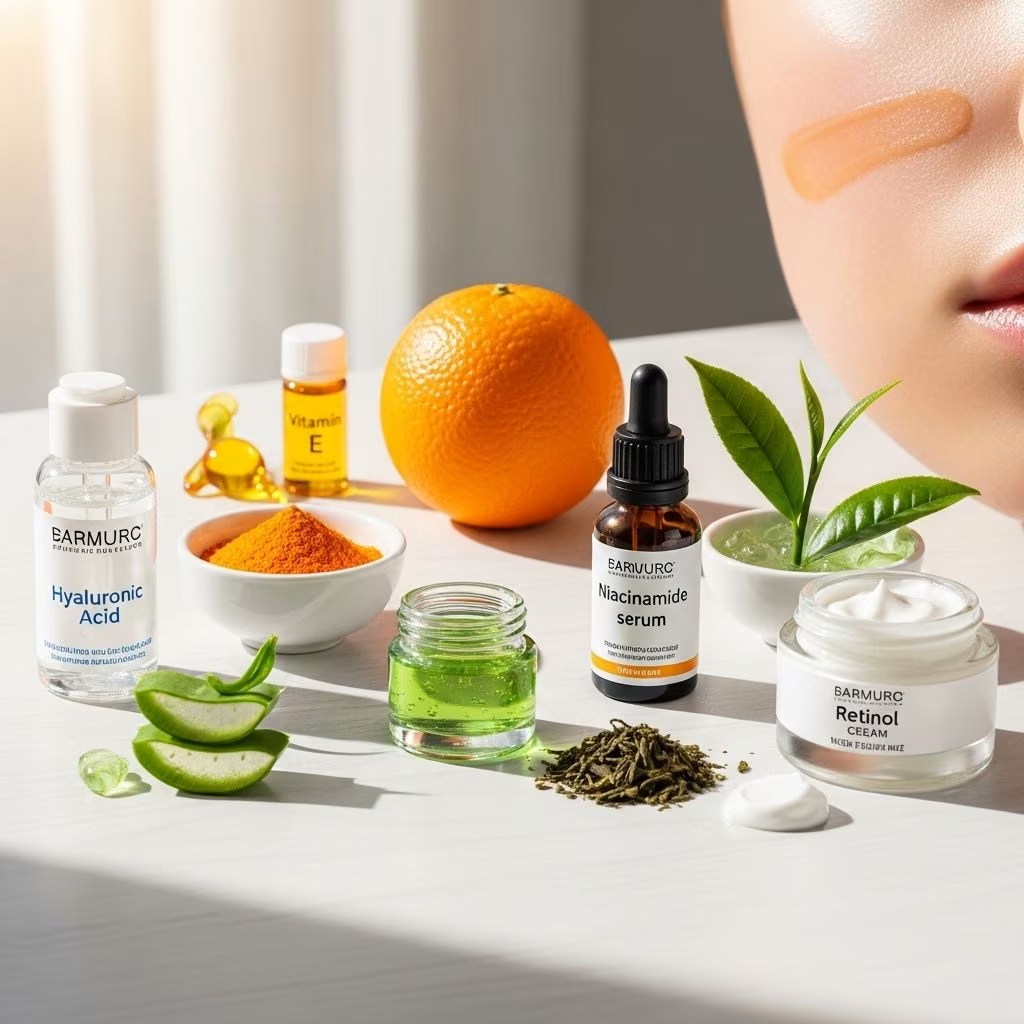
Understanding Sun Damage to the Skin
Sun damage, also known as photoaging, occurs when the skin is repeatedly exposed to ultraviolet (UV) radiation from the sun. Over time, this exposure breaks down collagen and elastin, disrupts the skin’s moisture barrier, and accelerates the formation of dark spots, fine lines, and rough texture. The damage may not always be immediately noticeable; it often manifests gradually through subtle changes like dullness, uneven skin tone, and loss of elasticity.
UV radiation generates free radicals that cause oxidative stress, leading to cellular damage and accelerating the aging process. This process is cumulative, meaning that even if the skin appears healthy now, years of sun exposure can result in visible signs of aging and increased risk for certain skin conditions.
Prevention is Key
- Avoid Peak Sun Hours: Stay indoors or seek shade between 10 AM and 4 PM when the sun’s rays are strongest.
- Wear Protective Clothing: Use wide-brimmed hats, sunglasses, and long sleeves to shield your skin.
- Daily Sunscreen Use: Apply a broad-spectrum sunscreen with at least SPF 30 every day, even on cloudy days.
- Reapply Sunscreen: Reapply every two to three hours when outdoors, especially during prolonged exposure or after swimming or sweating.
Consistent protection is the foundation for preventing further sun damage and allowing repair ingredients to work effectively.
Key Ingredients for Skin Repair After Sun Damage
While complete reversal of sun damage isn’t possible, several proven ingredients can significantly improve the appearance and health of sun-damaged skin. These ingredients work through various mechanisms, from stimulating collagen production to reducing pigmentation and restoring the skin barrier.
Vitamin C
Vitamin C is a multitasking antioxidant with strong research backing its use in sun-damaged skin. It brightens the complexion, reduces dark spots, and boosts collagen production, which helps restore skin’s firmness and elasticity. Vitamin C also neutralizes free radicals, providing protection against further oxidative stress.
- Look for serums that combine multiple forms of vitamin C (e.g., L-ascorbic acid, sodium ascorbyl phosphate) for both immediate and sustained antioxidant action.
- Vitamin C serums are best used in the morning to provide antioxidant protection throughout the day.
Niacinamide (Vitamin B3)
Niacinamide is a versatile ingredient that reduces inflammation, strengthens the skin barrier, and improves hydration. It also helps fade hyperpigmentation and evens out skin tone without causing irritation, making it suitable for sensitive or sensitized skin.
- Niacinamide is effective in concentrations as low as 2–5% and can be found in serums and moisturizers.
- It works well in combination with vitamin C and other brightening agents for enhanced results.
Retinoids and Retinol
Retinoids, including prescription-strength tretinoin (Retin-A) and over-the-counter retinol, are among the most potent ingredients for reversing signs of photoaging. They accelerate cell turnover, boost collagen production, and help fade dark spots and fine lines.
- Retinoids are best used at night because they can increase sun sensitivity.
- Start with a low concentration to minimize irritation, and always combine with sunscreen in the morning.
Alpha Hydroxy Acids (AHAs)
AHAs, such as glycolic acid and lactic acid, gently exfoliate the skin’s surface, removing dead cells and revealing brighter, smoother skin underneath. They also help fade hyperpigmentation and improve skin texture.
- Glycolic acid is particularly effective in concentrations up to 10% for deep exfoliation without excessive irritation.
- Lactic acid offers similar benefits with less irritation, making it suitable for sensitive skin.
Azelaic Acid
Azelaic acid is a multitasking agent that targets hyperpigmentation by inhibiting melanin production and has strong anti-inflammatory properties. It is particularly useful for those with both sun damage and acne or rosacea.
- It is available both over-the-counter and by prescription, depending on the concentration.
- Azelaic acid is less irritating than some other acids, making it suitable for sensitive skin types.
Peptides and Collagen
Peptides are short chains of amino acids that signal the skin to produce more collagen, helping to rebuild skin structure lost to sun exposure. Collagen itself, whether in topical or oral form, may provide temporary smoothing and plumping effects.
- Peptide serums are typically well-tolerated and can be layered with other active ingredients for enhanced results.
- For deeper structural repair, in-office treatments such as laser therapy or microneedling may be necessary in tandem with topical peptides.
Squalane and Botanical Oils
Squalane and oils like avocado, rosehip, and seabuckthorn repair the skin’s lipid barrier and provide antioxidant and anti-inflammatory benefits. They are especially helpful for soothing irritated skin and restoring moisture.
- Look for lightweight serums or creams that combine these oils with anti-aging actives for comprehensive repair.
- Botanical extracts like turmeric and Manuka honey add additional anti-inflammatory and antioxidant benefits to formulations.
Topical Treatments and Formulations
Effective skin repair after sun exposure requires a combination of active ingredients formulated in stable, skin-friendly products. Here are some key formulations and how they work:
Potent Serums
- Vitamin C Serums: Concentrated blends with multiple forms of vitamin C for maximum antioxidant and brightening effects.
- Niacinamide Serums: Hydrating, barrier-repairing serums that improve tone and texture.
- AHA Serums: Nighttime exfoliants that accelerate cell turnover and reveal fresher skin.
Corrective Moisturizers
Everyday moisturizers should support barrier repair and hydration, helping lock in other active ingredients. Look for those with ceramides, hyaluronic acid, and soothing botanicals.
Combination Creams
Some advanced creams combine several actives—such as azelaic acid, niacinamide, kojic acid, and tranexamic acid—to tackle multiple signs of sun damage at once. These formulations are designed for deep repair and are particularly useful for those with stubborn pigmentation and uneven texture.
| Ingredient | Primary Benefit | Best For | Typical Concentration |
|---|---|---|---|
| Vitamin C | Brightening, antioxidant, collagen boost | Dullness, dark spots | 5–20% |
| Niacinamide | Barrier repair, anti-inflammatory, brightening | Sensitive, pigmented skin | 2–10% |
| Retinoids | Collagen stimulation, cell turnover | Fine lines, texture | 0.025–1% (Rx) |
| AHAs (Glycolic, Lactic) | Exfoliation, brightening | Rough, uneven skin | 5–10% |
| Azelaic Acid | Melanin inhibition, anti-inflammatory | Pigmentation, rosacea | 10–20% (Rx) |
| Peptides | Collagen signaling, repair | Loss of firmness | 1–10% |
| Plant Oils/Squalane | Barrier repair, soothing | Dry, irritated skin | 2–10% |
Professional and In-Office Treatments
For more severe sun damage, dermatological procedures can provide deeper, more dramatic results. These include:
- Chemical Peels: Medium to deep peels using AHAs or trichloroacetic acid (TCA) to resurface damaged skin and stimulate collagen.
- Laser Treatments: Intense pulsed light (IPL), fractional CO2, and other lasers target pigmentation, stimulate collagen, and improve skin texture.
- Microneedling: Creates controlled micro-injuries to trigger collagen production and improve skin’s elasticity and tone.
- Prescription Topicals: For stubborn pigmentation or textural issues, prescription retinoids, hydroquinone, or higher-strength acids may be recommended.
A board-certified dermatologist can help tailor a combination of in-office and at-home treatments for optimal results, especially for advanced signs of photoaging.
Building a Repair-Focused Skincare Routine
A daily regimen that combines prevention and active repair is essential for addressing sun-damaged skin. Here’s a sample routine:
Morning:
- Gentle cleanser
- Vitamin C serum
- Niacinamide serum or combination brightening cream
- Moisturizer with ceramides and hyaluronic acid
- Broad-spectrum SPF 30+ sunscreen
Evening:
- Gentle cleanser
- Exfoliating AHA (2–3 times per week) or retinol/retinoid (every other night to start)
- Peptide serum
- Reparative moisturizer with squalane or botanical oils
Consistency is key, and patience is necessary, as visible improvements may take several weeks to months.
FAQs: Skin Repair After Sun Damage
Q: Can sun damage be completely reversed?
A: While significant improvement is possible with the right ingredients and treatments, complete reversal of sun damage is not usually possible, especially for deep pigmentation or advanced signs of aging. Consistent use of repair-focused products and professional treatments can help restore skin health and appearance.
Q: How long does it take to see results from sun damage repair ingredients?
A: Most people begin to see subtle improvements (brighter tone, smoother texture) within 4–6 weeks. More significant changes—such as faded dark spots and reduced fine lines—may take 3–6 months of consistent use, especially with retinoids and AHAs.
Q: Is it safe to combine vitamin C, niacinamide, and retinoids in one routine?
A: Yes, these ingredients can be combined for synergistic effects, but introduce them gradually to monitor for irritation—especially with retinoids and acids. Layering them at different times of day (e.g., vitamin C in the morning, retinoids at night) can minimize potential irritation.
Q: Are there any side effects to these repair ingredients?
A: Potential side effects include mild irritation, dryness, redness, or a temporary increase in sensitivity, particularly with retinoids, AHAs, and high-strength vitamin C. Use sunscreen daily to protect sensitized skin, and consult a dermatologist if irritation persists.
Q: What is the most effective treatment for deep sun spots and wrinkles?
A: For deep or stubborn pigmentation, a combination of prescription retinoids, professional chemical peels, or laser treatments may be necessary to achieve optimal results. Topical brightening agents like vitamin C and niacinamide provide additional support.
Q: Can I use repair ingredients if I have sensitive skin?
A: Yes, but start with lower concentrations and patch-test new products. Niacinamide, peptide serums, and botanical oils are generally well-tolerated, while retinoids and AHAs should be introduced slowly and used less frequently until skin adjusts.
Conclusion
Repairing skin after sun damage requires a multifaceted approach: daily sun protection, a consistent routine with evidence-based actives, and—for advanced concerns—professional treatments. Vitamin C, niacinamide, retinoids, AHAs, azelaic acid, peptides, and nourishing botanical oils each play a unique role in restoring skin health, addressing pigmentation, texture, and signs of aging. With patience and the right regimen, it’s possible to significantly improve the appearance and resilience of sun-damaged skin, restoring a radiant and healthy complexion.
Always consult a dermatologist before starting new treatments, especially if you have sensitive skin or underlying conditions. The journey to skin repair is gradual, but with the right ingredients and professional guidance, visible results are within reach.
References
- https://www.revivalabs.com/the-best-ingredients-for-repairing-sun-damaged-skin/
- https://www.healthline.com/health/beauty-skin-care/sun-damage
- https://www.frontierdermatology.com/5-additions-to-your-skin-care-routine-to-stay-ahead-of-sun-damage/
- https://www.dermatica.com/skinlab/the-best-ingredients-to-tackle-uv-damage/
- https://my.clevelandclinic.org/health/diseases/5240-sun-damage-protecting-yourself
- https://lancerskincare.com/blogs/world-of-lancer-blog/post-summer-skin-repair-ingredients-sun-damaged-skin
- https://feinsteindermatology.com/blog/5-dermatologist-approved-treatments-for-sun-damaged-skin/
- https://gfacemd.com/skin-care-ingredient-that-reverse-sun-damage/
- https://slmdskincare.com/blogs/learn/7-ingredients-dermatologists-use-to-treat-dark-spots


