


Introduction
Sunscreen is a crucial part of our daily skincare routine, providing essential protection against UV rays that can lead to skin damage, premature aging, and even skin cancer. However, applying sunscreen can sometimes lead to an issue known as pilling, where the sunscreen forms small balls or flakes on the skin. This not only looks unsightly but also reduces the effectiveness of the sunscreen, leaving your skin vulnerable to the sun’s harmful effects. In this article, we will explore what sunscreen pilling is, why it happens, and most importantly, how to prevent it, especially when using makeup.
What is Sunscreen Pilling?
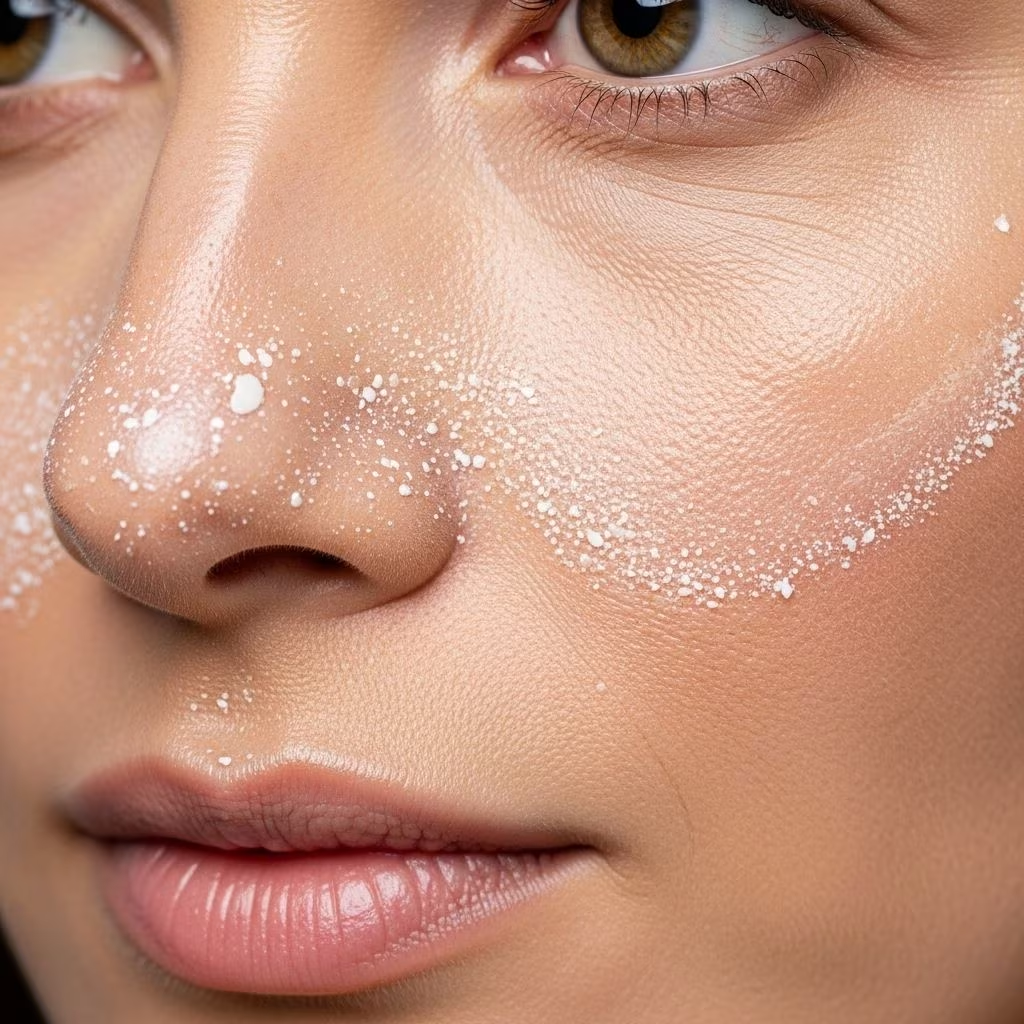
Sunscreen pilling refers to the clumping or flaking of sunscreen on the skin, often appearing as small white balls. This phenomenon can also resemble flaky, dry skin, making it sometimes difficult to distinguish from actual skin issues like peeling after a sunburn. The main concern with sunscreen pilling is that it disrupts the sunscreen’s ability to provide consistent protection against UV rays, leading to increased risks of sunburn, premature aging, and other skin problems.
Why Does Sunscreen Pill?
Sunscreen pilling can be attributed to several factors related to the interaction between sunscreen, other skincare products, and the skin itself. Common causes include:
- Layering Too Many Products: Using too many skincare products, especially those with thick textures, can overwhelm the skin, preventing the sunscreen from absorbing properly.
- Ingredient Incompatibility: Some ingredients in sunscreens, such as silicones or mineral filters, may not blend well with other skincare products or makeup, leading to pilling.
- Applying Products Too Quickly: Rushing through the skincare routine without allowing each product to absorb can cause sunscreen to pill.
- Using Too Much Product: Applying excessive amounts of sunscreen can lead to excess product sitting on the skin’s surface, causing pilling.
- Rough or Congested Skin: Skin that is congested or rough may have difficulty absorbing products, increasing the likelihood of pilling.
Preventing Sunscreen Pilling
To prevent sunscreen pilling, it’s essential to understand the causes and adjust your skincare routine accordingly. Here are some general tips:
- Simplify Your Skincare Routine: Reduce the number of products you use to minimize the risk of pilling due to layering.
- Use Compatible Products: Ensure that your sunscreen and other skincare products are formulated to work well together.
- Apply Products Gently and Slowly: Give each product time to absorb before applying the next one.
- Choose Lightweight Sunscreens: Opt for sunscreens with lightweight, non-greasy textures that are less likely to pill.
- Ensure Clean and Dry Skin: Apply sunscreen on clean, dry skin to prevent water from interfering with sunscreen absorption.
Tips for Preventing Pilling Under Makeup
When using sunscreen under makeup, a few additional tips can help prevent pilling:
- Apply Makeup After Sunscreen Has Set: Allow the sunscreen to fully absorb before applying makeup to prevent any interaction that might cause pilling.
- Use a Makeup Setting Spray: Setting sprays can help keep makeup in place without disrupting the sunscreen.
- Choose Makeup Products Wisely: Select makeup products that are compatible with your sunscreen and other skincare products.
- Use a Beauty Blender or Makeup Sponge: These tools can help apply foundation smoothly over sunscreen, reducing the risk of pilling.
- Opt for Lightweight Makeup: Lightweight or tinted moisturizers are less likely to cause pilling compared to thick foundation products.
Frequently Asked Questions
Q: Why is sunscreen pilling bad for my skin?
Sunscreen pilling is bad because it reduces the effectiveness of the sunscreen, leaving your skin vulnerable to UV damage. This can increase the risk of sunburn, premature aging, and even skin cancer.
Q: How can I ensure all my skincare products are compatible?
To ensure compatibility, look for products with similar textures and avoid mixing water-based and oil-based products. Also, read reviews and check the ingredient list to minimize incompatibility risks.
Q: Can I prevent pilling if I have rough or congested skin?
Yes, you can prevent pilling even with rough or congested skin by using gentle exfoliants to remove dead skin cells and ensuring your skin is clean before applying sunscreen. Additionally, using fewer products and allowing each one to absorb before adding more can help.
Q: What type of sunscreen is least likely to pill?
Lightweight, non-greasy sunscreens are generally less likely to pill. Look for products labeled as “lightweight” or “non-comedogenic” for better absorption.


