


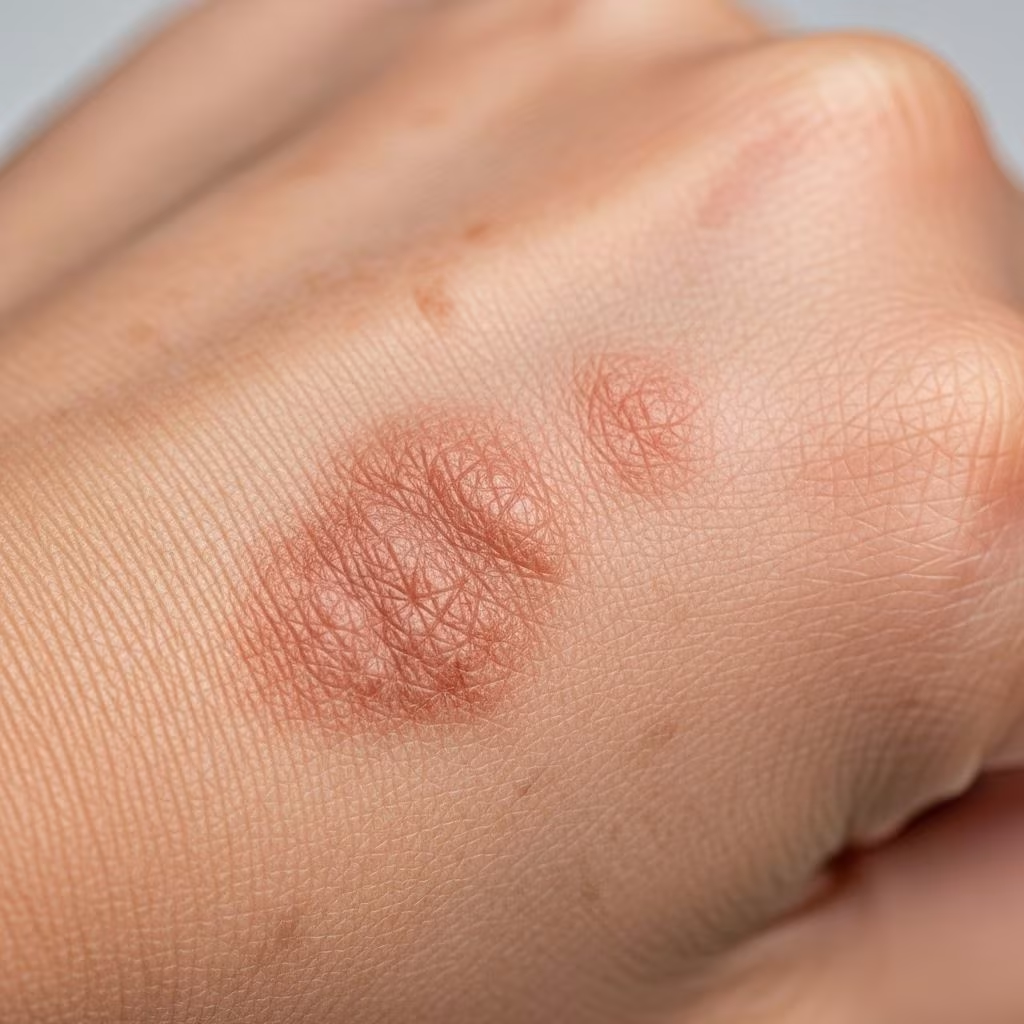
Actinic keratosis represents one of the most common precancerous skin conditions affecting millions of people worldwide, particularly those with fair skin and significant sun exposure history. These rough, scaly patches develop on sun-exposed areas of the body and require prompt attention to prevent potential progression to squamous cell carcinoma. Understanding the comprehensive treatment landscape and prevention strategies is essential for anyone diagnosed with this condition or at risk of developing it.
The management of actinic keratosis has evolved significantly over the past decades, with numerous treatment modalities now available ranging from traditional cryotherapy to cutting-edge laser technologies. Each treatment option offers distinct advantages, efficacy rates, and considerations that must be carefully evaluated based on individual patient factors, lesion characteristics, and desired outcomes. This comprehensive guide explores all available treatment options and provides actionable prevention strategies to help you maintain healthy skin.
Understanding Actinic Keratosis
Actinic keratosis, also known as solar keratosis, manifests as rough, scaly patches on the skin resulting from years of cumulative sun exposure. These lesions typically appear on areas most frequently exposed to sunlight, including the face, scalp (particularly in bald individuals), ears, neck, forearms, and backs of hands. The condition is particularly prevalent among individuals over 40 years old, though younger people with significant sun exposure can also develop these precancerous growths.
The significance of actinic keratosis extends beyond its physical presentation. While most lesions remain benign, approximately 5 to 10 percent can progress to squamous cell carcinoma if left untreated. This potential for malignant transformation underscores the importance of early detection and appropriate treatment. The lesions appear as small, rough spots that may be skin-colored, pink, red, or brown, often feeling like sandpaper when touched.
Risk factors for developing actinic keratosis include fair skin, blonde or red hair, blue or light-colored eyes, a history of frequent or intense sun exposure, weakened immune system, and age over 40. Geographic location also plays a significant role, with higher incidence rates observed in sunny climates and at higher altitudes where ultraviolet radiation is more intense.
Treatment Options for Actinic Keratosis
The treatment landscape for actinic keratosis encompasses both lesion-directed therapies, which target individual spots, and field-directed therapies, which treat broader areas of sun-damaged skin. The selection of appropriate treatment depends on multiple factors including the number of lesions, their location, thickness, patient preferences, cost considerations, and desired cosmetic outcomes. Treatment must effectively destroy the abnormal cells to prevent progression while minimizing side effects and scarring.
Modern dermatology offers numerous effective interventions, each with specific indications and expected outcomes. Some treatments require single applications while others necessitate prolonged courses. Understanding these options empowers patients to make informed decisions in consultation with their dermatologists about the most suitable approach for their specific situation.
Cryosurgery: The Gold Standard
Cryosurgery utilizing liquid nitrogen remains one of the most widely used treatments for actinic keratosis. This procedure involves freezing the abnormal tissue, causing cellular destruction through ice crystal formation and vascular damage. The dermatologist applies liquid nitrogen directly to each lesion using either a spray device or cotton-tipped applicator, with the freezing process typically lasting 5 to 20 seconds depending on lesion thickness and location.
The reported complete clearance rate with cryosurgery ranges from 39 to 76 percent, with higher efficacy observed when treating thinner lesions. The procedure is particularly effective for treating solitary or multiple discrete lesions and can be performed quickly in an office setting without requiring anesthesia. Patients experience immediate discomfort during freezing, described as a burning or stinging sensation, which resolves quickly after treatment completion.
Following cryosurgery, treated areas typically develop blistering, crusting, and temporary pigmentation changes. The skin usually heals within two to four weeks, though hypopigmentation may persist longer, particularly in individuals with darker skin tones. While cryosurgery offers the advantages of rapid treatment and immediate lesion destruction, it treats only visible lesions and does not address subclinical damage in surrounding skin, potentially necessitating repeated treatments as new lesions emerge.
Topical Treatments
Topical medications provide field-directed therapy, treating both visible lesions and subclinical damage across broader skin areas. These treatments require patient commitment to extended application schedules but offer comprehensive management of sun-damaged skin.
5-Fluorouracil
5-Fluorouracil cream represents a well-established topical chemotherapy agent for actinic keratosis treatment. This medication works by interfering with DNA synthesis in rapidly dividing cells, selectively targeting abnormal keratinocytes. Treatment protocols typically involve twice-daily application for two to four weeks, depending on the specific formulation and treatment area.
The medication produces visible inflammatory reactions including redness, erosion, and crusting as it destroys abnormal cells. While these side effects can be uncomfortable and cosmetically concerning during treatment, they indicate therapeutic efficacy. Complete response rates with 5-fluorouracil range from 70 to 90 percent, making it one of the most effective field treatments available. The major advantages include comprehensive treatment of subclinical disease and prevention of new lesion development in treated areas.
Imiquimod
Imiquimod 5 percent cream functions as an immune response modifier, stimulating the body’s natural immune system to recognize and destroy abnormal cells. The standard protocol involves application two or three times weekly for 16 weeks, allowing gradual immune-mediated clearance of lesions. Clinical trials have demonstrated complete response rates between 45 and 57 percent, with partial response rates of 59 to 72 percent.
Long-term follow-up data reveals impressive preventive benefits. Studies show that only 20 percent of imiquimod-treated patients developed new lesions after 24 months, compared to 90 percent in control groups. None of the imiquimod-treated patients developed squamous cell carcinoma during follow-up, highlighting the treatment’s protective effects beyond lesion clearance. Side effects include application site reactions such as erythema, flaking, and crusting, which typically resolve after treatment completion.
Diclofenac Gel
Diclofenac sodium gel offers a gentler field treatment option with fewer inflammatory side effects compared to 5-fluorouracil or imiquimod. This nonsteroidal anti-inflammatory medication is applied twice daily for 60 to 90 days. While efficacy rates are generally lower than other topical options, the improved tolerability makes it suitable for patients who cannot tolerate more aggressive treatments or prefer minimal visible inflammation during therapy.
Photodynamic Therapy
Photodynamic therapy combines a photosensitizing agent with specific wavelength light exposure to achieve selective destruction of abnormal cells. This FDA-approved treatment proves especially useful for widespread actinic keratoses on the face and scalp, offering excellent cosmetic outcomes alongside high efficacy rates.
Two protocols are currently approved for use. The first utilizes aminolevulinic acid followed by blue light exposure, originally requiring a 14 to 18-hour incubation period, though subsequent research has demonstrated effectiveness with shorter incubation times. The second protocol employs methyl aminolevulinate with red light exposure after a three-hour incubation period.
Clinical studies report cure rates between 69 and 93 percent with photodynamic therapy. The treatment achieves superior cosmetic results compared to cryotherapy, with both physicians and patients rating appearance outcomes significantly higher. Studies comparing photodynamic therapy with methyl aminolevulinate to cryotherapy found response rates of 89 to 91 percent for photodynamic therapy versus 68 to 76 percent for cryosurgery at three months follow-up.
A newer formulation, BF-200 ALA, represents a stable nanoemulsion-based aminolevulinic acid preparation demonstrating remarkable efficacy. Clinical trials showed patient complete clearance rates of 64 percent compared to 11 percent with placebo, and lesion complete clearance rates of 81 percent versus 22 percent. When used with optimal light sources, patient and lesion complete clearance rates reached 96 percent and 99 percent respectively.
Photodynamic therapy side effects include initial erythema, edema, burning sensation, and pain during and shortly after light exposure, followed by crusting and temporary pigmentation changes. Despite these transient effects, the treatment is well-tolerated overall with excellent long-term cosmetic results and minimal scarring risk.
Advanced Laser Treatments
Laser technology offers innovative approaches to actinic keratosis management, with the Fraxel Dual laser recently receiving FDA approval for this indication. This fractional laser achieves dramatic improvements by treating both the epidermis and dermis simultaneously, potentially extending treatment durability by addressing damaged cells in deeper skin layers that may signal the development of new abnormal cells.
Clinical studies involving 21 subjects demonstrated an 83.5 percent average reduction in actinic keratosis lesions using the Fraxel Dual’s 1927 nanometer wavelength. Treatments proved effective on facial and non-facial locations including arms, hands, and chest. The procedure offers several advantages including minimal downtime, safety profile, and simultaneous improvement of other photodamage signs such as texture irregularities, pigmentation, and fine lines.
The treatment is overwhelmingly well-tolerated by patients and provides added benefits beyond lesion clearance by enhancing overall skin quality, color, and texture. However, it is important to note that laser treatment for actinic keratosis is typically not covered by insurance, requiring patients to bear the cost directly. This financial consideration must be weighed against the comprehensive skin rejuvenation benefits and high efficacy rates.
Surgical Treatment Options
Curettage
Curettage involves scraping away abnormal tissue using a specialized surgical instrument called a curette. This procedure effectively removes individual thick or hypertrophic lesions that may not respond adequately to cryotherapy or topical treatments. The technique is performed under local anesthesia and may be combined with electrodesiccation to destroy any remaining abnormal cells and control bleeding.
Curettage provides immediate lesion removal with histopathologic examination capability, allowing pathologists to confirm the diagnosis and rule out invasive carcinoma. The procedure leaves small wounds that heal over several weeks, typically with minimal scarring when performed by experienced dermatologists. This method is particularly valuable for suspicious lesions requiring tissue diagnosis.
Dermabrasion
Dermabrasion represents a less commonly utilized option involving mechanical removal of the epidermis using a rapidly rotating device. This procedure can treat larger areas of sun-damaged skin but requires longer healing times and carries higher risks of scarring and pigmentation changes compared to other treatment modalities. It is generally reserved for specific cases where other treatments have failed or are unsuitable.
Prevention Strategies
Prevention remains the cornerstone of actinic keratosis management, as avoiding additional sun damage prevents new lesion development and reduces progression risk of existing subclinical damage. Comprehensive sun protection strategies should be implemented by all individuals, particularly those with fair skin, previous actinic keratoses, or significant sun exposure history.
Sun Protection Measures
Daily broad-spectrum sunscreen application with SPF 30 or higher provides essential protection against both UVA and UVB radiation. Sunscreen should be applied generously to all exposed skin 15 to 30 minutes before sun exposure and reapplied every two hours or after swimming or sweating. Many people apply insufficient amounts, compromising protection, so using approximately one ounce (a shot glass full) for full body coverage ensures adequate protection.
Protective clothing offers physical barriers against ultraviolet radiation. Wide-brimmed hats shading the face, ears, and neck; long-sleeved shirts; and long pants provide excellent protection. Specialized sun-protective clothing with ultraviolet protection factor ratings offers enhanced protection for outdoor activities. Sunglasses with UV protection shield the delicate skin around the eyes.
Seeking shade during peak sun intensity hours between 10 AM and 4 PM significantly reduces ultraviolet exposure. Planning outdoor activities during early morning or late afternoon hours, using umbrellas, and staying under cover when possible minimize cumulative sun damage.
Lifestyle Modifications
Avoiding tanning beds and sun lamps eliminates unnecessary ultraviolet exposure from artificial sources. These devices emit concentrated UV radiation that contributes to skin damage and cancer risk. Regular skin self-examinations help detect new or changing lesions early, enabling prompt medical evaluation and treatment.
Maintaining overall health through proper nutrition, adequate hydration, and avoiding immunosuppressive factors supports skin health and natural repair mechanisms. Antioxidant-rich diets with fruits and vegetables may provide additional photoprotection through neutralization of free radicals generated by ultraviolet exposure.
Medical Surveillance
Regular dermatologic examinations allow professional assessment of existing lesions and detection of new developments. Individuals with multiple actinic keratoses or history of skin cancer should undergo full-body skin examinations every six to 12 months. Dermoscopy and other advanced imaging techniques help dermatologists identify suspicious lesions requiring biopsy or aggressive treatment.
Some dermatologists recommend prophylactic field treatment with topical medications or photodynamic therapy for patients with extensive sun damage to reduce overall lesion burden and prevent new developments. This proactive approach may decrease long-term skin cancer risk in high-risk individuals.
Choosing the Right Treatment
Selecting optimal treatment requires consideration of multiple factors including lesion characteristics, patient preferences, lifestyle considerations, and cost. Lesion-specific factors include number, location, thickness, and distribution. Few discrete lesions often respond well to cryosurgery or curettage, while multiple lesions or widespread subclinical damage benefit from field treatments.
Patient factors include pain tolerance, treatment duration preferences, cosmetic concerns, and ability to tolerate inflammatory reactions. Some patients prefer rapid single-session treatments despite potential scarring, while others choose gradual field treatments with superior cosmetic outcomes despite prolonged application requirements.
Combination approaches often provide optimal results. For example, cryotherapy may address thick individual lesions while topical field treatment manages surrounding subclinical damage. Sequential treatments can be employed when initial therapy achieves partial but incomplete response.
Cost considerations include insurance coverage, which typically covers medical treatments like cryotherapy and topical medications but may not cover cosmetic procedures or newer laser technologies. Discussing all options with dermatologists, including both covered and non-covered treatments, ensures informed decision-making aligned with patient values and financial circumstances.
Frequently Asked Questions
Q: How long does it take for actinic keratosis treatments to work?
A: Treatment duration varies by method. Cryotherapy destroys lesions immediately with healing over 2-4 weeks. Topical treatments require 2-16 weeks of application with visible improvement during and after treatment. Photodynamic therapy shows results within weeks following the procedure. Complete lesion resolution may take several months regardless of treatment type.
Q: Are actinic keratosis treatments painful?
A: Pain levels vary by treatment. Cryotherapy causes brief stinging during freezing. Topical medications may cause burning or irritation during application. Photodynamic therapy can cause significant burning during light exposure, though pain resolves quickly afterward. Most treatments are well-tolerated with over-the-counter pain relievers if needed.
Q: Will actinic keratosis come back after treatment?
A: Treated lesions rarely recur if completely destroyed, but new lesions may develop in sun-damaged skin. Field treatments reduce new lesion development more effectively than lesion-directed treatments. Continued sun protection and regular dermatologic surveillance are essential for preventing new lesions.
Q: Can I treat actinic keratosis at home?
A: While some topical treatments are self-applied at home following prescription and instruction by a dermatologist, diagnosis should always be established professionally. Never attempt self-treatment without medical evaluation, as other conditions may mimic actinic keratosis, and some lesions may already show cancerous changes requiring different management.
Q: What happens if actinic keratosis is left untreated?
A: Untreated actinic keratoses may spontaneously resolve, persist unchanged, or progress to squamous cell carcinoma. Approximately 5-10 percent of lesions progress to invasive cancer over time. Because identifying which lesions will progress is impossible, treatment of all actinic keratoses is recommended.
Q: How effective is sunscreen in preventing actinic keratosis?
A: Regular sunscreen use significantly reduces actinic keratosis development and may cause regression of existing lesions. Studies demonstrate that daily broad-spectrum sunscreen decreases new lesion formation and reduces overall lesion counts in individuals with existing sun damage. Sunscreen is essential for prevention but should be combined with other protective measures.
Q: Which treatment has the best cosmetic results?
A: Photodynamic therapy consistently receives the highest cosmetic ratings from both physicians and patients, producing excellent skin appearance without scarring. Topical treatments also provide good cosmetic outcomes. Cryotherapy may cause permanent hypopigmentation, particularly in darker skin tones. Laser treatments offer cosmetic benefits beyond lesion clearance by improving overall skin quality.
Q: Is actinic keratosis contagious?
A: No, actinic keratosis is not contagious and cannot spread from person to person. It develops due to cumulative ultraviolet radiation damage to individual skin cells over many years. However, family members may share genetic predispositions and sun exposure patterns that increase their individual risk.
Understanding the comprehensive treatment and prevention landscape for actinic keratosis empowers individuals to make informed decisions about their skin health. Whether choosing traditional cryotherapy, modern photodynamic therapy, or innovative laser treatments, the goal remains consistent: eliminating precancerous lesions while preventing new developments through diligent sun protection. Regular dermatologic care, combined with appropriate treatment selection and rigorous prevention strategies, provides the best approach to managing this common but potentially serious condition. Consultation with a board-certified dermatologist ensures personalized treatment plans optimized for individual circumstances, skin type, and lesion characteristics.
References
- https://www.aetna.com/cpb/medical/data/500_599/0567.html
- https://www.aafp.org/pubs/afp/issues/2007/0901/p667.html
- https://www.advdermatology.com/blog/options-actinic-keratoses/
- https://www.mayoclinic.org/diseases-conditions/actinic-keratosis/diagnosis-treatment/drc-20354975
- https://pmc.ncbi.nlm.nih.gov/articles/PMC9142445/
- https://pmc.ncbi.nlm.nih.gov/articles/PMC9577376/
- https://www.aad.org/public/diseases/skin-cancer/actinic-keratosis-treatment
- https://www.skincancer.org/skin-cancer-information/actinic-keratosis/actinic-keratosis-treatment-options/


