


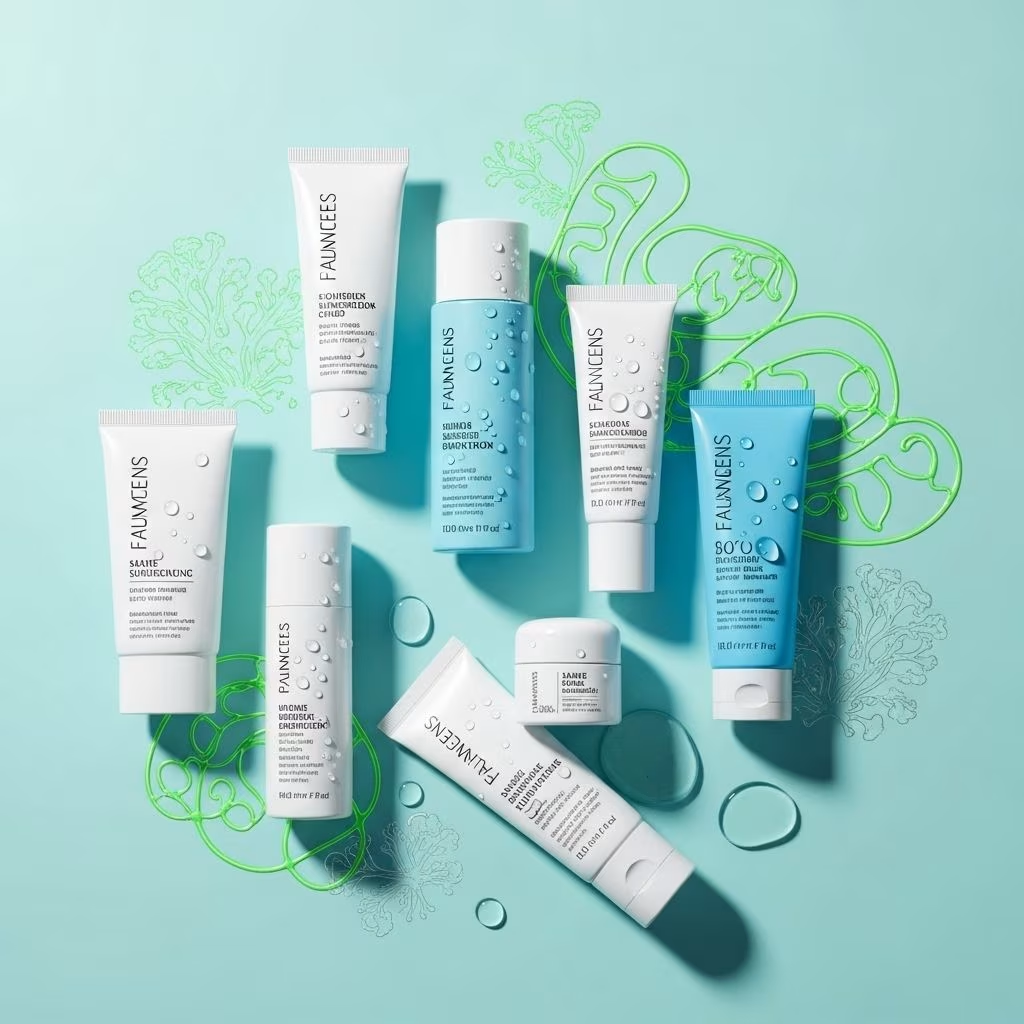
Fungal Acne Safe Sunscreens and Treatment: The Complete 2025 Guide
Fungal acne—technically called Malassezia folliculitis—has become a pervasive skin concern worldwide. Characterized by persistent, itchy, acne-like bumps, its management requires ingredients and products that support healthy skin without feeding the underlying yeast. Central to prevention and soothing care is the daily use of sunscreen. However, choosing a fungal acne safe sunscreen and treatments is complex. This exhaustive guide clarifies all points—from how to spot safe sunscreens, ingredient breakdowns, the science of fungal acne, top recommended products, to key treatment strategies for long-term clear skin.
Understanding Fungal Acne (Malassezia Folliculitis)
Fungal acne is a misleading term for a skin issue driven by overgrowth of the yeast Malassezia—not bacteria. While it often mimics traditional acne, its triggers, appearance, and required therapies diverge significantly.
- Symptoms: Small, uniform, itchy pustules on forehead, chest, and back.
- Cause: Over-proliferation of Malassezia yeast in hair follicles.
- Common Triggers: Warm weather, sweat, occlusive skin care (products that “trap” moisture), and certain topical ingredients.
The yeast thrives on lipids (oils and fatty acids), so formulas containing such substances can worsen the condition. UV exposure may aggravate both acne and yeast proliferation, making non-irritating sun protection essential.
Why Common Sunscreens Can Worsen Fungal Acne
Most mainstream sunscreens contain emollients, fatty alcohols, silicones, and esters that nourish Malassezia. These ingredients, although essential for hydration or texture in general skin care, are problematic for those with fungal acne.
- Many chemical (organic) filters—such as oxybenzone and octinoxate—may irritate sensitive skin and foster a yeast-conducive environment.
- Common bases like ethylhexyl palmitate, polysorbates, and isopropyl myristate are lipophilic and can feed yeast and clog pores.
How to Identify Fungal Acne Safe Sunscreens
The ideal fungal acne safe sunscreen is non-comedogenic, free of problematic oils, esters, polysorbates, and heavy silicones, and often leverages physical (mineral) UV filters.
- Safe mineral filters: Non-nano zinc oxide, titanium dioxide.
- Safe supportive ingredients: Niacinamide (anti-inflammatory), vitamin E (antioxidant), green tea extract.
- Preferred texture: Lightweight gels, fluids, milks, or powders. Avoid thick, oily creams.
Check products against curated databases or ingredient checkers to verify minimal risk for fungal acne triggers. Several independent web resources such as SkinSort and FolliculitisScout maintain up-to-date lists.
Top 2025 Fungal Acne Safe Sunscreen Products
Product selection evolves as formulations improve. Below are highly rated, widely recommended sunscreens for fungal acne prone skin based on current ingredient reviews and expert consensus.
| Product | SPF/PA | Main Actives | Safe For | Highlights |
|---|---|---|---|---|
| COSRX Ultra-Light Invisible Sunscreen SPF 50 PA++++ | 50 / PA++++ | Niacinamide, Vitamin E, Zinc Oxide | Face, Sensitive Skin | Reef-safe, Cruelty-free |
| EltaMD UV Clear Broad Spectrum SPF 46 | 46 / PA+++ | Niacinamide, Vitamin E, Zinc Oxide | Face, Dry Skin | Helps with redness |
| Paula’s Choice Resist Youth-Extending Daily Hydrating Fluid SPF 50 | 50 / PA++++ | SPF, Vitamin E | Face, Dry/Sensitive Skin | Hydrates, Cruelty-free |
| La Roche-Posay Anthelios UVMune 400 Invisible Fluid SPF 50+ | 50 / PA++++ | SPF, Vitamin E | Face, Scars, Dry Skin | Non-comedogenic |
| Cetaphil Sheer Mineral Face Liquid Sunscreen SPF 50 | 50 / PA++ | Niacinamide, Vitamin E, Zinc Oxide | Face, Dry Skin | Gentle Formula |
| Moody SensiSoothe SPF50 PA++++ Mineral Sunscreen | 50 / PA++++ | Niacinamide, Ceramides, Zinc Oxide | All Skin Types | Cruelty-free, Soothing |
| Her Hyness Royal Hya Water Sunscreen SPF 50+ PA++++ | 50 / PA++++ | Niacinamide, Hyaluronic Acid, Zinc Oxide | Dry/Sensitive Skin | Hydrating Formula |
| Deoproce Hyaluronic Cooling Sun Gel SPF 50+ PA+++ | 50 / PA+++ | Niacinamide, Hyaluronic Acid | Dry Skin | Cruelty-free |
- Other popular options include Colorescience Sunforgettable Total Protection Face Shield Flex SPF 50, Luxe Organix Aqua Daily Sunscreen SPF 50+, Eucerin Advanced Hydration Lightweight Sunscreen Lotion SPF 50.
Key Ingredients to Avoid and Embrace
Ingredients to Avoid
- Fatty acids & esters: Isopropyl myristate, polysorbates, ethylhexyl palmitate.
- Fermented extracts: Some may promote yeast activity.
- Certain oils: Coconut, olive, and similar plant oils.
- Comedogenic silicones and thick emollients.
- Potentially irritating chemical filters: Oxybenzone, octinoxate.
Ingredients to Embrace
- Zinc oxide and titanium dioxide: Physical blockers, non-comedogenic, mildly antifungal.
- Niacinamide: Soothes, reduces inflammation.
- Ceramides: Restore barrier function and repair.
- Vitamin E, green tea extract: Antioxidant support.
- Hyaluronic acid: Lightweight hydration.
- Squalane (synthetic, not plant-derived): Sometimes tolerated, but patch test first.
Fungal Acne Skincare and Treatment Strategies
Treating fungal acne safely involves a dual-prong approach: minimizing triggers and targeting the yeast. Alongside fungal acne safe sunscreens, core treatment protocols focus on gentle, effective cleansing and selected topical medications.
Stepwise Fungal Acne Skincare Routine
- Cleanser: Use a mild, sulfate-free, non-oily cleanser. Look for gel-based formulas, possibly with antifungal ingredients (like zinc pyrithione).
- Moisturize smartly: Choose lightweight fluids, gels, or lotions with niacinamide, hyaluronic acid, and ceramides.
- Sunscreen: Apply a fungal acne safe, mineral-based sunscreen every morning. Reapply every 2-3 hours if outdoors.
- Targeted treatment: Use antifungal topicals such as ketoconazole, clotrimazole, or selenium sulfide (often prescription, consult a dermatologist).
- Double cleansing at night: Oil cleanse with a non-fungal acne triggering oil (like MCT or mineral oil), then gentle water-based cleanser to remove sunscreen.
Clinical and Over-the-Counter Antifungal Treatments
- Ketoconazole cream/shampoo: Disrupts yeast cell membrane; apply as a mask on affected areas before rinsing.
- Selenium sulfide shampoo: Wash affected zones 2–3 times per week.
- Clotrimazole cream: Spot-treat persistent lesions.
- Prescription oral antifungal medications: Reserved for severe cases and prescribed by medical professionals.
Supportive Lifestyle Tips
- Change clothes promptly after sweating.
- Shower after exercise.
- Minimize occlusive clothing and accessories, especially headbands and hats.
- Use fragrance-free laundry detergents.
Hydration and Diet
- Keep skin hydrated with light, fungus-safe moisturizers.
- Eat a balanced diet to support immune health; some find benefits from limiting high-sugar foods (due to yeast connection).
Everyday Tips for Sun Protection and Fungal Acne Management
- Patch test every new product—even fungal acne safe ones—to observe for delayed reactions.
- Reapply sunscreen every 2-3 hours, especially if sweating or swimming.
- Wear wide-brimmed hats and seek shade during intense sun.
- Remove sunscreen completely at night to reduce yeast buildup.
- Keep hair and scalp clean; fungal acne may also start in the scalp follicles.
FAQs: Fungal Acne Safe Sunscreens
Q: Can I use chemical sunscreens if I have fungal acne?
A: In general, mineral sunscreens with zinc oxide or titanium dioxide are preferred. Chemical filters (oxybenzone, octinoxate) may trigger or exacerbate fungal acne, so they’re best avoided by those prone to this condition.
Q: Are all mineral sunscreens safe for fungal acne?
A: Not all mineral sunscreens are entirely safe; it’s essential to check for additional ingredients like plant oils, esters, or heavy silicones that may feed yeast. Check database ratings and patch test before full-face application.
Q: How frequently should I reapply sunscreen?
A: Reapply every 2–3 hours when outside, especially after sweating, swimming, or toweling off. The same schedule applies regardless of SPF type for optimal protection.
Q: Can sunscreen treat fungal acne?
A: Sunscreen protects from UV damage but does not treat fungal acne directly. The right sunscreen prevents further irritation and provides an environment less conducive to yeast. Treatment requires dedicated antifungal topicals or prescription medication under dermatologist guidance.
Q: Can I use makeup over fungal acne safe sunscreen?
A: Yes, however, choose non-comedogenic, oil-free makeup. CC creams like Supergoop CC Mineral CC Cream SPF 50 are recommended for coverage without worsening fungal acne.
Summary Table: Fungal Acne Safe vs Unsafe Sunscreen Ingredients
| Safe Ingredients | Trigger Ingredients |
|---|---|
| Zinc oxide, titanium dioxide, niacinamide, ceramides, hyaluronic acid, vitamin E, green tea extract | Coconut oil, olive oil, polysorbates, isopropyl myristate, ethylhexyl palmitate, oxybenzone, octinoxate |
Resources and Ingredient Check Databases (2025)
- SkinSort: Top curated fungal acne safe products and ingredient breakdowns
- FolliculitisScout: Guides for safe skincare and sunscreen
- Sezia, Skincarisma: Ingredient safety analyses, community reviews
- Simple Skincare Science: Updated list of fungal acne safe routines
Final Considerations
Finding a truly fungal acne safe sunscreen—and combining it with antifungal, non-irritating treatments—is the bedrock for clear, resilient skin. Always verify ingredient lists for subtle triggers, favor mineral-based formulas, and adopt a holistic skincare approach. Persistent or severe cases warrant professional medical guidance to identify and manage underlying yeast overgrowth effectively.
References
- https://skinsort.com/products/fungal-acne-safe-sunscreens
- https://gowaxhead.com/blogs/the-thrive-lab/fungal-acne-safe-sunscreen
- https://skinsort.com/products/fungal-acne-safe-sunscreens-with-ceramides-for-acne
- https://thewomensalley.com/list-of-fungal-acne-safe-sunscreens/
- https://folliculitisscout.com/skin-care/the-best-fungal-acne-safe-sunscreens-the-ultimate-guide/
- https://simpleskincarescience.com/fungal-acne-products-malassezia-pityrosporum-folliculitis/
- https://brookesbeautybazaar.com/5-best-sunscreens-for-fungal-acne-anti-aging/
- https://www.youtube.com/watch?v=T12yVFvCb9g


