


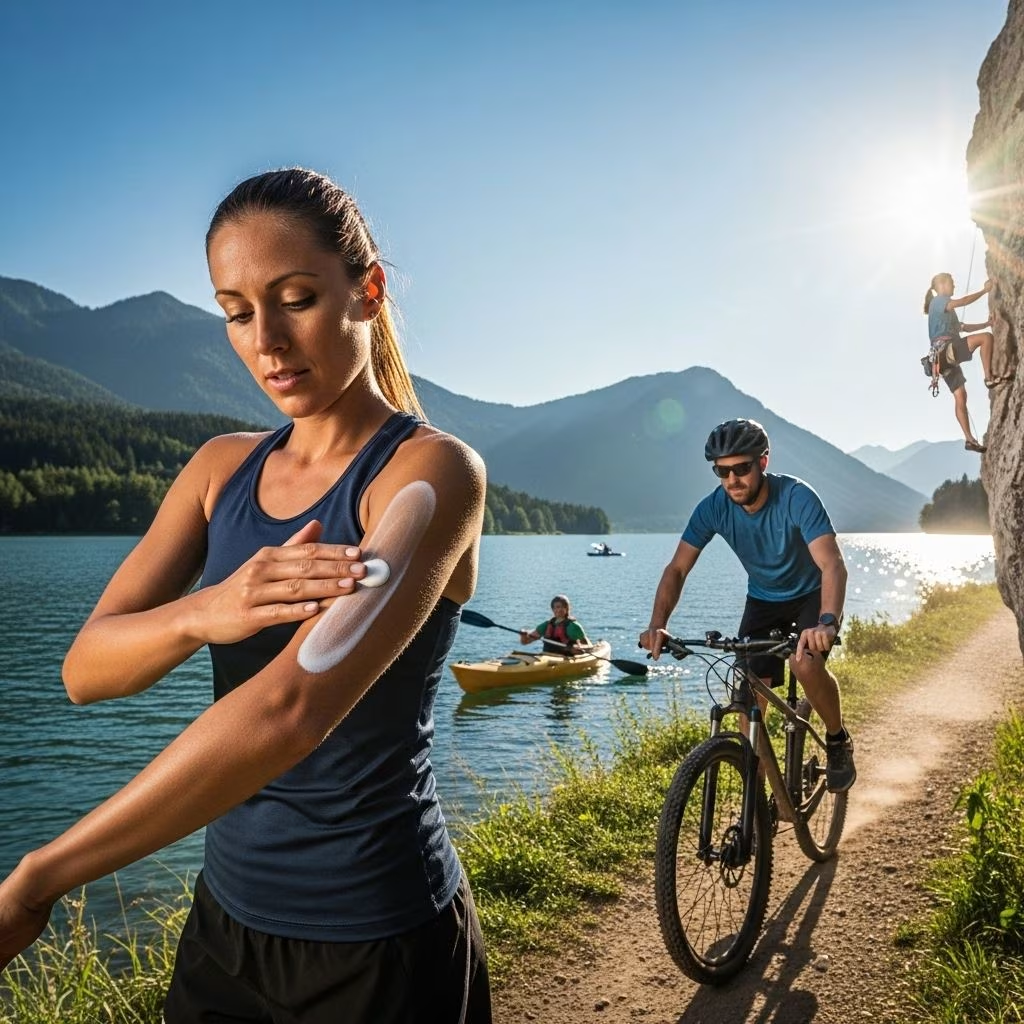
For athletes and outdoor sports enthusiasts, sun exposure is an inevitable part of training and competition. This guide explores how sports sunscreen is crucial for performance, skin health, and long-term safety for anyone engaging in physical activity under the sun.
Why Sunscreen Matters for Athletes
Consistent sun protection is not only about comfort but essential to overarching health, performance, and longevity in sports. Athletes are often exposed to sunlight for extended periods, heightening the risk of skin damage and skin cancer.
- Enhanced safety against cumulative UV damage, which leads to cellular mutations and skin cancers such as melanoma.
- Mitigating painful sunburns that can impair physical performance and motivation to train or compete.
- Reducing the risk of premature aging, pigmentation, and skin degradation.
Understanding Sun Exposure and UV Damage
The sun emits UVA, UVB, and UVC rays—only UVA and UVB reach the Earth’s surface and have direct impacts on human skin.
- UVA rays penetrate deeply, causing immediate tanning, skin aging, wrinkles, and are linked to skin cancers.
- UVB rays cause direct DNA damage, sunburn, and are the primary driver of most skin cancers.
- UVC rays are absorbed by the ozone layer and do not reach ground level.
Repeated exposure, even without visible burns, leads to cumulative cellular damage that accelerates risks of cancer and aging.
Unique Challenges Facing Athletes Outdoors
Athletes and outdoor sports participants face a distinct set of challenges regarding sun protection:
- Intense sun exposure due to long hours of training or competition, often during peak UV times.
- Frequent sweating which pushes sunscreen off the skin, reducing protection.
- Regular water exposure for swimmers, surfers, and triathletes, requiring persistent water-resistant formulas.
- Physical contact and gear use (e.g., helmets, goggles, uniforms) that may rub sunscreen off key areas.
- Environmental factors such as wind, water reflection, altitude, and snow, which can intensify UV exposure even in overcast weather.
Key Features of Sports Sunscreens
Sports sunscreens are specifically engineered to handle these unique demands. Important characteristics include:
- Water and Sweat Resistance: Designed to adhere better under heavy perspiration or submersion, typically offering 40–80 minutes of persistent protection.
- Broad Spectrum Protection: Blocks both UVA and UVB rays to defend against burns, aging, and cancer.
- High SPF Ratings: Most sports formulas are available in SPF 30–50+, with higher SPFs providing incremental increases in UVB protection.
- Gentle, Skin-Safe Ingredients: Often include non-irritating substances such as zinc oxide, aloe vera, hyaluronic acid, and antioxidants to soothe and nourish skin during activity.
- Non-Comedogenic and Sweatproof: Formulated to avoid clogging pores or stinging the eyes.
- Durable Under Physical Conditions: Designed to remain effective despite rubbing, equipment friction, or movement.
| Feature | Sports Sunscreen | Regular Sunscreen |
|---|---|---|
| Water/Sweat Resistance | 40–80 min (or up to 8 hours, premium formulas) | Rare or minimal |
| Broad Spectrum | Always | Varies |
| Eye/Irritation Protection | Formulated to avoid | May sting eyes |
| Durability Under Gear | High | Low |
| Eco/Reef Safety | Often emphasized | Rarely addressed |
How to Choose the Best Sunscreen for Sports
When selecting a sunscreen for athletic or outdoor use, consider these factors:
- SPF Level: Opt for SPF 30 or higher. SPF 30 blocks approximately 97% of UVB rays; SPF 50 blocks about 98%.
- Water & Sweat Resistance: Look for products labeled as 40 or 80 minutes water-resistant. Some premium products claim up to 8 hours of steadfast coverage.
- Active vs. Physical Blockers: Zinc oxide and titanium dioxide are physical blockers which sit on the skin’s surface; chemical blockers (like avobenzone or oxybenzone) absorb UV rays. Many athletes prefer physical blockers for sensitive skin and eye safety.
- Non-Comedogenic: Critical for those prone to acne or irritation, ensuring pores won’t be clogged by frequent reapplication.
- Reef-Safe and Eco-Friendly: If your sport involves water environments, choose formulas free of oxybenzone and octinoxate to protect aquatic habitats.
- Ease of Application: Sprays, sticks, gels, and lotions are available. Sprays and sticks can be convenient for quick, no-mess reapplication, while creams may offer slightly more durable coverage.
- Sensitivity: Formulas for sensitive skin or prone to stinging can prevent eye and face discomfort during intense activity.
Application Tips for Maximum Protection
- Apply a generous layer to all exposed skin areas 20 minutes before activity to allow absorption or adherence, especially with physical (mineral) sunscreens.
- Don’t forget commonly missed spots: ears, neck, lips (use SPF lip balm), scalp (if bald/thin-haired), backs of hands, and on feet.
- Reapply every 40–80 minutes, or directly after heavy sweating, towel-drying, or swimming—even with water-resistant formulas.
- For water and physical sports, pay extra attention to reapplication after surf or pool sessions, or extended periods in direct sunlight.
- If using lotions or creams, use about one ounce (a shot glass) for full body coverage for adults.
- Layer with other forms of protection like UV-blocking clothing, hats, sunglasses, and strategic use of shade whenever possible.
Benefits of Using Sports Sunscreen
The advantages of sports sunscreen go well beyond preventing a single sunburn. Regular sunscreen use can have significant long-term benefits for athletes:
- Prevents Sunburn: Immediate pain and skin damage are avoided, aiding comfort and continued athletic activity.
- Lowers Skin Cancer Risk: Reduces likelihood of basal cell carcinoma, squamous cell carcinoma, and deadly melanoma.
- Maintains Skin Health and Appearance: Protects collagen and elastin, reducing risk of wrinkles, sagging, and uneven skin tone.
- Enhances Athletic Performance: Eliminates distraction and discomfort of skin irritation, enabling full mental and physical focus.
- Improved Recovery: Less inflammation post-activity, supporting the body’s natural repair processes.
- Boosted Confidence: Knowing skin is protected allows athletes to concentrate fully on the task at hand.
Additional Ingredients for Athletes
- Antioxidants like vitamin C and E help combat free radicals generated by UV exposure, supporting skin repair mechanisms.
- Hydrating agents (e.g., hyaluronic acid, glycerin) replenish moisture lost through intensive sweating.
- Soothing ingredients such as aloe vera or chamomile provide relief and minimize inflammation on sensitive or post-sun skin.
Eco-Friendly and Reef-Safe Sunscreens
In water or coastal sports, sunscreen ingredients can pose major environmental risks, especially to coral reefs and marine habitats. Key points regarding eco-friendliness:
- Reef-safe sunscreens avoid oxybenzone and octinoxate, which are linked to coral bleaching and death.
- Mineral-based (zinc oxide, titanium dioxide) sunscreens are generally considered safer for aquatic environments.
- Look for biodegradable, non-nano, and fragrance-free labels in sunscreen intended for water sports.
- Many new sports sunscreens are tested to ensure high SPF retention with minimal environmental impact—some brands have proven 8-hour protection without harmful marine contamination.
Frequently Asked Questions (FAQs)
How often should athletes reapply sunscreen?
Reapply sunscreen every 40–80 minutes when sweating or swimming, and immediately after towel drying. Even with water- and sweat-resistant formulas, athletes should be vigilant about reapplication to maintain maximum protection.
Is there a difference between sports sunscreen and regular sunscreen?
Yes. Sports sunscreens are specially formulated for water/sweat resistance, longer adhesion, broad-spectrum protection, and to avoid eye and skin irritation under intense activity. Regular sunscreens may wash off easily and lack these rigorous characteristics.
Can sunscreen affect grip or performance?
Quality sports sunscreens are non-greasy and quick-absorbing, minimizing any interference with grip on equipment or gear. For safety, avoid applying sunscreen to palms or use sticks or gels for non-slip needs.
What are key ingredients to avoid in sports sunscreens?
Steer clear of sunscreens containing oxybenzone, octinoxate, or fragrances if swimming in natural water sources, as these can harm aquatic wildlife and cause irritation. For sensitive skin or children, select hypoallergenic, fragrance-free formulas.
Are there sports sunscreens safe for sensitive skin?
Yes, many mineral-based (zinc oxide, titanium dioxide) sunscreens are designed for sensitive or acne-prone skin and avoid common irritants. Look for “non-comedogenic” labeling.
References
- Ultimate Guide to Sunscreen for Athletes: Protection for Every Sport
- Best Sports Sunscreen: Why Athletes Choose SolRX
- Importance of Sports Sunscreens – The complete guide
- Photoprotection in Outdoor Sports: A Review of the Literature and …
- Differences Between Sport Sunscreen vs. Regular Sunscreen – SolRX
References
- https://blackgirlsunscreen.com/sunscreen-for-athletes-for-every-sport/
- https://www.solrx.com/blogs/articles/best-sports-sunscreens-athletes
- https://elemntlife.com/blogs/sun-protection/importance-of-sports-sunscreens-the-complete-guide
- https://www.moxiebikeshop.com/blogs/cycling-nutrition-maintenance-human-performance/the-importance-of-sunscreen-for-athletes-a-deep-di/
- https://elemntlife.com/blogs/sun-protection/the-importance-of-sweat-resistant-sunscreen-for-kids-in-sports
- https://pmc.ncbi.nlm.nih.gov/articles/PMC8850489/
- https://www.solrx.com/blogs/articles/sport-sunscreen-vs-regular-sunscreen


