


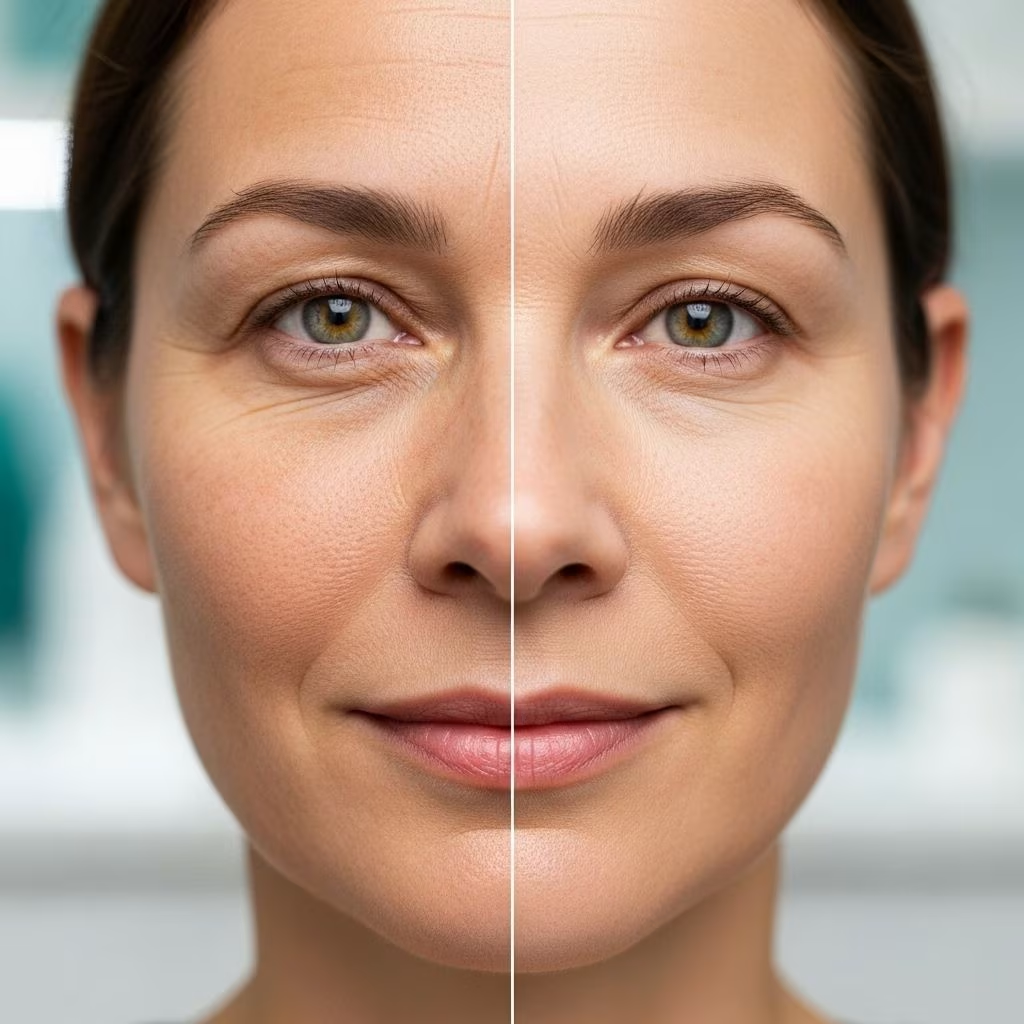
Sun damage, or photoaging, is the result of prolonged exposure to ultraviolet (UV) radiation, leading to visible skin changes such as wrinkles, pigmentation, rough texture, and an increased risk of skin cancer. While preventing sun damage altogether is ideal, it’s never too late to address the effects and restore your skin’s health and appearance. This comprehensive article explores whether sun damage can be reversed, examines the most effective treatment options, safety considerations, and prevention strategies, and answers common questions about caring for sun-damaged skin.
Understanding Sun Damage
Sun exposure—especially without appropriate protection—results in a wide range of skin changes:
- Fine lines and wrinkles due to collagen breakdown
- Uneven skin tone, sunspots, and pigmentation
- Rough skin texture and dryness
- Visible blood vessels (telangiectasia)
- Freckles, melasma, and discolored patches
- Loss of elasticity or sagging
- Risk of precancerous lesions and skin cancers
Both UVA and UVB rays from the sun contribute to these forms of damage. While most sun exposure accumulates in early life, ongoing protection and prompt response to skin changes are essential at all ages.
Can You Reverse Sun Damage?
Some of the visible effects of sun damage can be reversed or significantly improved using a combination of professional treatments, prescription medications, and rigorous skincare regimens. However, not all DNA mutations or skin cancers caused by sun exposure are reversible. Early intervention provides the best outcomes, but even long-term damage can often be improved with the right approach.
Which Signs of Sun Damage Are Most Treatable?
- Superficial pigmentation (sunspots, freckles)
- Mild to moderate wrinkles and roughness
- Uneven skin tone
- Small broken blood vessels and redness
Structural changes, such as deep wrinkles, severe laxity, or skin cancers, require professional intervention and may not be entirely reversible.
Professional Treatment Options
Dermatologists and aesthetic clinics offer a range of evidence-based interventions to address sun damage. The choice of treatment depends on the severity, depth of skin changes, patient age, skin type, and desired downtime.
Chemical Peels
Chemical peels utilize controlled application of acids (such as trichloroacetic acid (TCA), glycolic acid, or salicylic acid) to remove damaged outer skin layers. This reveals fresher, healthier skin and stimulates collagen:
- Light peels: Target mild pigmentation and surface texture. Minimal downtime.
- Medium/deep peels: Improve deeper wrinkles, pronounced pigmentation. More downtime and risk, but more dramatic results.
Chemical peels effectively reduce sun spots, smooth roughness, and promote evenness but require professional assessment to match peel type and strength to skin conditions.
Laser Resurfacing
Laser devices harness focused light energy to remove damaged cells and encourage new collagen formation. Several types are available:
- Ablative lasers (e.g., CO2, Er:YAG): Remove outer skin layers, producing the most significant improvement in wrinkles and pigmentation. Greatest downtime and risk.
- Non-ablative lasers: Heat deeper skin without removing surface layers. Less downtime, more treatments required.
- Fractional lasers (e.g., Fraxel®): Target micro-columns of skin, balancing recovery and effectiveness.
Lasers treat fine lines, pigment, redness, broken blood vessels, and overall ‘sun-leathery’ or aged texture. Some, like intense pulsed light (IPL/photofacial), specifically target red and brown discoloration with minimal recovery time.
| Treatment | Targets | Downtime | Frequency |
|---|---|---|---|
| IPL (Intense Pulsed Light) | Pigmentation, broken vessels | Low | Repeat every few months |
| Fractional Laser | Wrinkles, pigment, texture | Moderate | 3-5 sessions for optimal effect |
| Ablative CO2 Laser | Deep wrinkles, severe damage | High | Usually one session |
Prescription Topicals & Medical-Grade Creams
- Retinoids (tretinoin, adapalene): Derived from Vitamin A, these accelerate skin turnover, stimulate collagen, and can reduce pigmentation, fine lines, and roughness. Prescription-strength retinoids offer stronger effects compared with over-the-counter retinols.
- Topical hydroquinone: FDA-approved skin lightener that reduces hyperpigmentation. Stronger concentrations available by prescription.
- Compounded formulas combining multiple actives (e.g., retinoid + hydroquinone + corticosteroid) offer enhanced results.
Microdermabrasion & Dermabrasion
These procedures exfoliate the outer layers of skin mechanically. Microdermabrasion provides gentle, superficial results, while dermabrasion offers deeper resurfacing. They are mainly used for mild surface irregularities, fine lines, and pigmentation.
Photodynamic Therapy (PDT)
PDT combines a photosensitizing agent with targeted light exposure to treat actinic keratoses (precancerous lesions) and improve the cosmetic appearance of sun-damaged skin. Typically offered in dermatology offices, this therapy also reduces future skin cancer risk.
Combination Therapies
Dermatologists frequently combine modalities (e.g., chemical peel + retinoid, or IPL + hydroquinone) for synergistic improvement in stubborn or multi-layered sun damage.
At-Home Skincare and Over-the-Counter Remedies
Retinol- and AHA-Containing Products
Retinol (an OTC form of Vitamin A) and alpha hydroxy acids (AHAs) promote gentle exfoliation and skin renewal. These ingredients lighten uneven pigment, refine rough texture, and prevent clogged pores. AHAs include glycolic, lactic, and mandelic acid, among others.
Introduce these gradually, as both can cause initial dryness or irritation. Always apply sunscreen daily—these actives make skin more photosensitive.
Vitamin C Serums
Vitamin C is an antioxidant that brightens skin, stimulates collagen production, and offers additional UV protection when layered under sunscreen. Use in the morning for optimal results.
Other Skin-Lightening Agents
- Kojic acid
- Tranexamic acid
- Niacinamide
- Soy extract
Look for these ingredients in well-formulated, reputable products. Pair with professional assessment for severe pigmentation.
Daily Photoprotection
- Sunscreen (SPF 30+): Broad-spectrum, reapplied every 2 hours during continued sun exposure
- Protective clothing and hats
- Seek shade and avoid peak sun hours (10am-4pm)
Ongoing sun protection prevents further damage and allows treatments to work effectively.
Tips for Prevention and Maintaining Results
- Commit to year-round daily sunscreen—this is the cornerstone for both prevention and reversal of ongoing sun damage.
- Adopt a gentle but thorough cleanser and avoid harsh scrubs that may irritate.
- Use antioxidant serums (Vitamin C, E) to combat free radicals from any residual UV exposure.
- Moisturize regularly with non-irritating, fragrance-free lotions.
- Monitor skin changes monthly, especially for new spots, changes in shape, color, or persistent irritation—see a dermatologist for any suspicious lesions promptly.
Risks, Safety, and Precautions
While many treatments are safe when performed by trained professionals, consider the following:
- Laser and chemical peel procedures may cause temporary reddening, swelling, or peeling. Pigment changes (hyper- or hypopigmentation) and infection are rare but possible.
- People with darker skin tones require special protocols to minimize risk of post-inflammatory hyperpigmentation—choose experienced providers.
- Pregnant or breastfeeding women should avoid prescription retinoids and certain chemical peels.
- Never use unregulated skin-lightening creams, especially those purchased abroad, which may contain harmful substances like mercury or illegal steroids.
- Confused about treatment? Seek a board-certified dermatologist’s advice for a tailored, safe, and effective plan.
Frequently Asked Questions
Q: Can all sun damage be reversed completely?
A: While many superficial signs (like pigment and texture) can be improved, cumulative genetic changes in skin cells and precancerous lesions may require ongoing monitoring and may not be fully reversible. Early, consistent treatment offers the best chance of improvement.
Q: How soon will I see results from treatments?
A: Results depend on the treatment chosen—superficial peels and light therapies may show improvement within one to two weeks, while deeper procedures (CO2 laser, deep peels) produce dramatic changes over several weeks. Topicals like retinoids and vitamin C take months of regular use to yield noticeable changes.
Q: Is laser resurfacing safe for all skin types?
A: Ablative lasers carry a higher risk of pigment changes and should be used cautiously in darker skin tones. Non-ablative lasers and IPLs are generally safer, but professional evaluation is required for personalized guidance.
Q: What should I do if a sunspot changes shape, color, or size?
A: Any change in a sunspot’s appearance should be promptly evaluated by a dermatologist—this could be a sign of skin cancer or dysplasia, requiring early intervention.
Q: Is it ever too late to benefit from sun damage treatment?
A: It’s never too late to begin—even older adults can see improvements in texture, pigmentation, and feel by adopting a comprehensive skin care plan and addressing precancerous lesions.
Summary Table: Common Treatments for Sun Damage
| Treatment | Main Benefit | Best For | Downside |
|---|---|---|---|
| Topical retinoids | Smooth lines, fade dark spots, boost collagen | Mild-moderate aging, prevention | Can be irritating, slow results |
| Chemical peels | Even tone, reduce spots and roughness | Surface pigmentation, mild-moderate wrinkles | Temporary redness, scaling |
| Laser resurfacing | Dramatic texture, pigment improvement | Deeper lines, severe sun damage | Greater downtime, higher risk |
| IPL/Photofacial | Reduces redness, brown spots | Erythema, mild sunspots | Milder, multiple sessions needed |
| Vitamin C serums | Brightening, antioxidant protection | All skin types for prevention and support | Results take time, may irritate |
Final Thoughts
While complete reversal of all sun-induced changes isn’t always possible, modern dermatology offers a toolkit of safe, effective, and increasingly personalized options to restore youthfulness, improve skin health, and reinforce resilience against new sun damage. Consult with a licensed skin health professional to determine the best strategy tailored to your needs—and always make daily sun protection non-negotiable for lasting benefits.
References
- https://www.seandohertymd.com/blog/best-procedures-to-reverse-sun-damage
- https://health.osu.edu/health/skin-and-body/reverse-sun-damage
- https://www.skincancer.org/blog/possible-reverse-sun-damage/
- https://www.truformfaces.com/sun-damage-repair-treatment-options/
- https://www.fortworthmedspa.com/blog/3-skin-treatments-to-repair-and-reverse-sun-damage/
- https://www.aad.org/public/everyday-care/sun-protection/sun-damage-skin/wrinkles-sun-damage-can-be-treated
- https://www.scripps.org/news_items/4349-how-to-reverse-sun-damaged-skin
- https://www.jeffersonhealth.org/your-health/living-well/can-you-repair-or-reverse-sun-damage
- https://www.webmd.com/melanoma-skin-cancer/skin-sun-damage-treatment


