


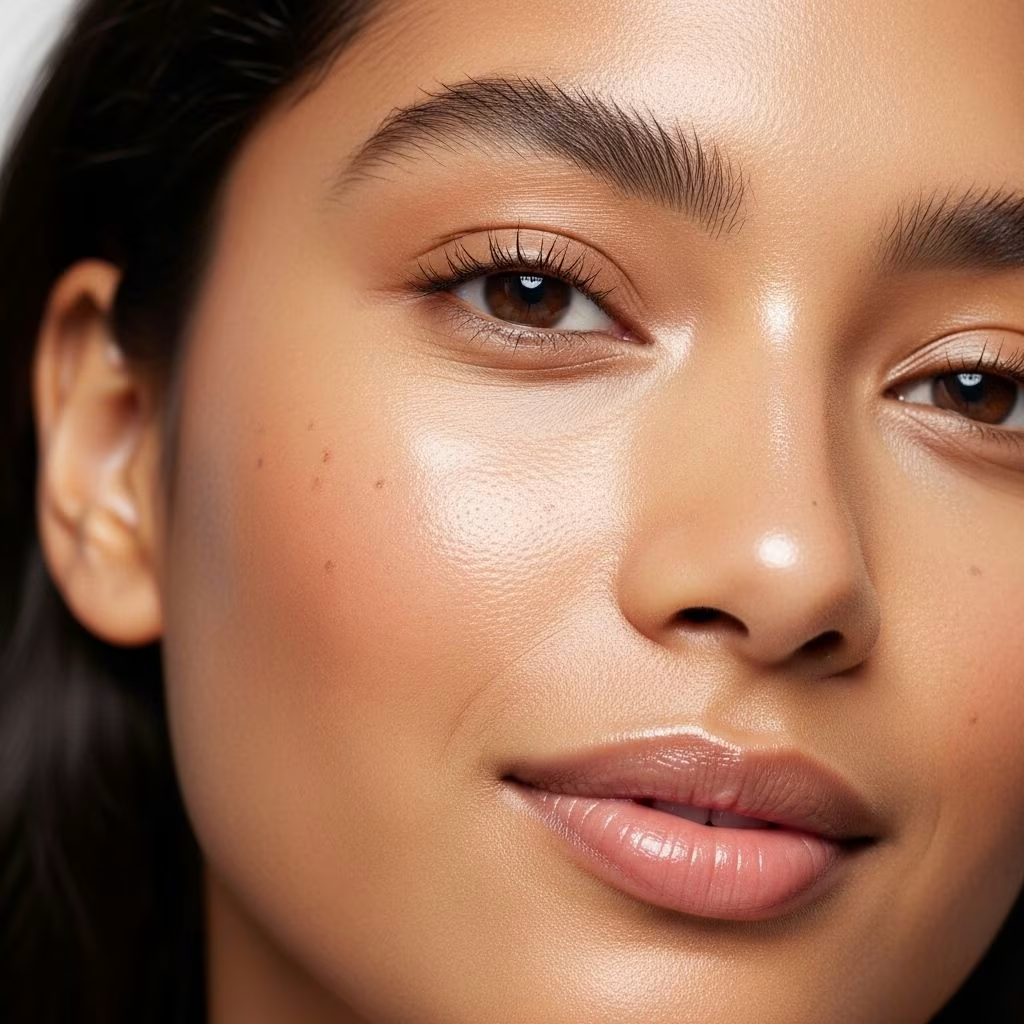
Introduction to Omega-3 and Skin Health
Omega-3 fatty acids, particularly EPA and DHA, have been extensively studied for their health benefits, including their impact on skin health. These essential fatty acids are known for their anti-inflammatory properties, which can help manage various skin conditions and improve overall skin appearance. In this article, we will delve into the role of omega-3s in calming inflammation and boosting skin glow.
Anti-Inflammatory Effects of Omega-3s
One of the primary ways omega-3 fatty acids benefit the skin is by reducing inflammation. Inflammation is a key factor in many skin conditions such as acne, psoriasis, and atopic dermatitis. Omega-3s, particularly EPA and DHA, work by suppressing inflammatory cytokines and supporting lipid layer repair, which can lead to reduced scaling, itching, and plaque formation in conditions like psoriasis.
Clinical Studies on Psoriasis
A notable study involving phospholipid-bound DHA and EPA showed significant improvement in psoriasis symptoms. Participants experienced a substantial reduction in PASI (Psoriasis Area and Severity Index) scores, indicating better skin health and reduced inflammation.
Protection Against UV Damage
Omega-3 fatty acids also offer protection against UV-induced damage. UVB exposure can lead to inflammation and skin damage by activating enzymes that liberate arachidonic acid (AA), which is then converted into pro-inflammatory prostaglandins. Omega-3s, particularly EPA, can compete with AA for enzymes involved in the inflammatory pathway, thus reducing the production of these harmful eicosanoids.
Clinical Trials on UV Exposure
Studies have shown that dietary supplementation with omega-3s can increase the skin’s resistance to sunburns and reduce UVB-induced erythema. Topical application of omega-3-rich products, such as sardine oil, has been demonstrated to reduce skin redness after UVB exposure.
Hydration and Skin Barrier Function
Beyond anti-inflammatory effects, omega-3s play a crucial role in maintaining skin hydration and barrier function. They help improve skin moisture levels and reduce irritation, making them beneficial for conditions like atopic dermatitis and dry skin.
Clinical Evidence for Hydration Benefits
A study involving omega-3-rich flaxseed oil supplementation found a significant increase in skin hydration and a reduction in skin roughness among participants.
Omega-3s in Acne Reduction
Acne is often associated with inflammation, and since omega-3s have anti-inflammatory properties, they may help reduce acne severity. While evidence is still emerging, omega-3 supplementation has been linked to decreased inflammation and potentially fewer acne lesions.
Mechanisms Behind Acne Reduction
The mechanism involves reducing inflammatory pathways that contribute to acne development and severity, suggesting that omega-3s could be a valuable complementary treatment for acne management.
Frequently Asked Questions (FAQs)
Q: What forms of omega-3s are beneficial for skin health?
A: Both dietary and supplementary forms of omega-3s, such as EPA and DHA from fish oil or ALA from flaxseed, can benefit skin health. Phospholipid-bound forms may offer enhanced absorption.
Q: Can omega-3s completely eliminate skin conditions like psoriasis?
A: While omega-3s can significantly reduce symptoms of psoriasis and other inflammatory skin conditions, they may not completely eliminate them. They are often used as part of a broader treatment plan.
Q: What are the best sources of omega-3 fatty acids for skin benefits?
A: Fatty fish, fish oil supplements, flaxseeds, and walnuts are among the best sources of omega-3s for skin health benefits.
Conclusion
Omega-3 fatty acids have emerged as a promising natural remedy for calming skin inflammation and boosting its glow. By understanding how these essential fatty acids work, individuals can harness their benefits to improve skin health and manage various skin conditions more effectively.
References
- https://bodybio.com/blogs/blog/6-proven-fish-oil-benefits-for-skin-transformation
- https://lpi.oregonstate.edu/mic/health-disease/skin-health/essential-fatty-acids
- https://www.healthline.com/nutrition/omega-3-benefits-on-skin-and-hair
- https://www.aveeno.com/journal/breaking-down-omega-3-benefits-skin
- https://pubmed.ncbi.nlm.nih.gov/32463305/
- https://www.menopausesolutions.org/post/omega-3-fatty-acids-the-beauty-nutrient-for-skin-and-scalp
- https://www.medicalnewstoday.com/articles/fish-oil-for-skin
- https://www.barleans.com/blogs/barleans-wellness-blog/unveiling-radiance-fish-oil-benefits-for-skin
- https://www.leshuilettes.com/en/News/287-what-are-the-benefits-of-omega-3-for-the-skin


