


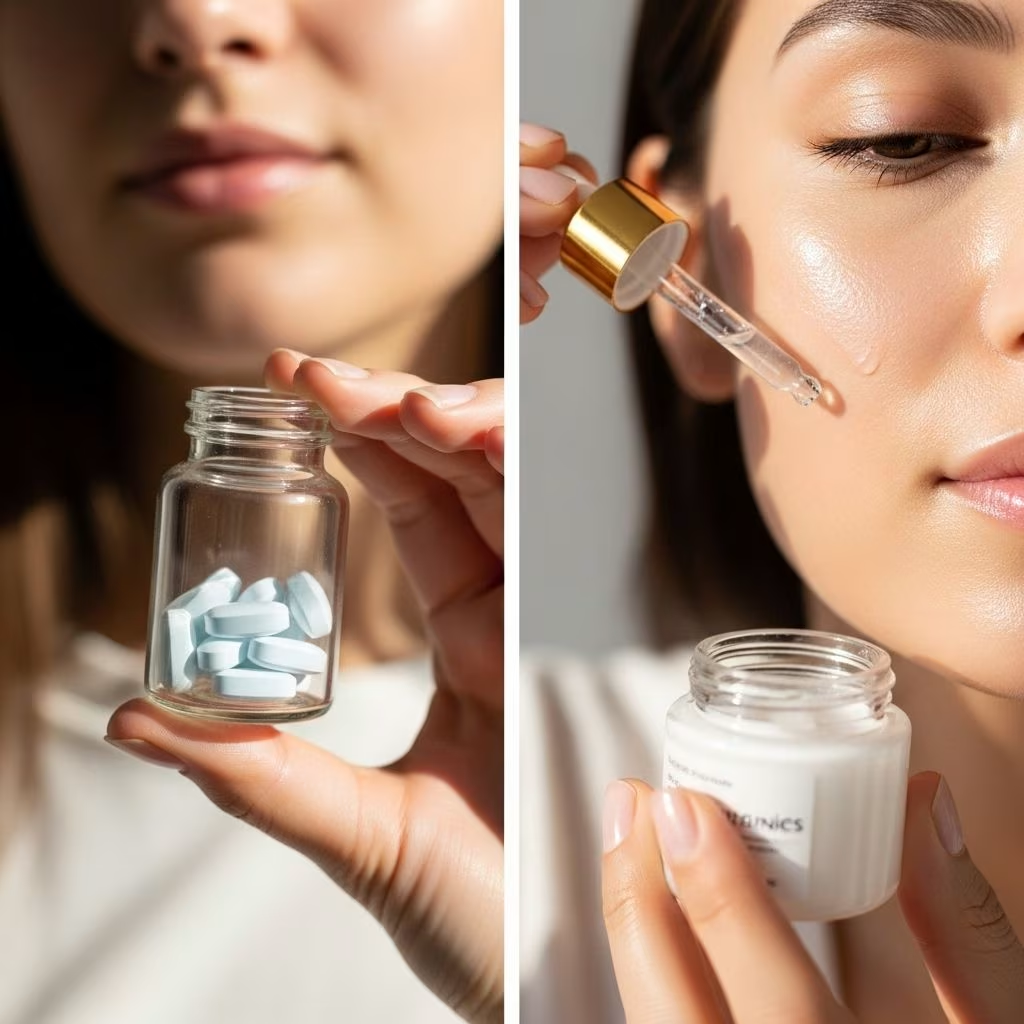
Hyaluronic acid (HA) is renowned in the world of dermatology and beauty for its unmatched hydrating properties. With its presence increasingly common in both oral supplements and an array of topical products such as serums and creams, people seeking youthful, glowing skin are often left wondering: Should I use hyaluronic acid as a supplement or as a topical product? This extensive guide explores the science, benefits, limitations, and best practices for both approaches to help you make an informed choice for your skin health.
What is Hyaluronic Acid?
Hyaluronic acid is a naturally occurring glycosaminoglycan—essentially a large, water-loving molecule. It is present throughout the human body but is especially concentrated in the skin, connective tissue, and eyes. HA’s unique capacity enables it to hold up to 1,000 times its weight in water, making it essential for moisture retention, cushioning, and repair.
The Role of Hyaluronic Acid in Skin Health
- Moisture retention: HA attracts and binds water, maintaining hydration in the skin’s outer and deeper layers.
- Elasticity and firmness: It assists in keeping the skin plump and less prone to sagging or fine lines.
- Protection: It helps provide a barrier against environmental assaults and supports repair mechanisms.
- Age-related decline: The quantity and quality of HA diminish with age, contributing to dryer, less elastic, and more fragile skin that is susceptible to wrinkles and dullness.
Topical Use of Hyaluronic Acid
Topical formulations include serums, creams, sheet masks, and eye gels. These products deliver HA directly to the skin’s surface, aiming to instantly hydrate and replenish moisture loss caused by environmental stressors and natural aging.
How Topical HA Works
Upon application, hyaluronic acid forms a lightweight film on the skin. This draws moisture from the environment and from deeper skin layers to the uppermost layer—the epidermis. Some advanced formulations use low molecular weight HA to enhance penetration into deeper skin layers, but most topically applied HA acts mainly on the surface or just below it.
Benefits of Topical Hyaluronic Acid
- Immediate hydration boost: Topical HA provides rapid and visible skin plumping by increasing surface moisture.
- Reduces appearance of fine lines and wrinkles: Enhanced moisture smooths out fine lines, particularly in dehydrated skin.
- Improves skin texture and elasticity: Consistent use noticeably improves suppleness and tautness.
- Soothes irritation: HA calms redness and diminishes the look of irritation, making it ideal for sensitive or stressed skin.
- Antioxidant properties: Some HA products pair with antioxidants to offer protection from environmental damage.
Limitations of Topical Hyaluronic Acid
- Limited skin penetration: Most HA molecules are too large to go beyond the superficial skin layers.
- Short-term effects: Hydration benefits typically last until the next wash and require consistent application.
- Cannot influence deeper dermal layers: While highly effective at the surface, it does not directly stimulate the body’s own HA production or affect skin from within.
Hyaluronic Acid Supplements
Oral HA is available as capsules, powders, and gummies aimed at supporting “beauty from within.” The rationale: By ingesting HA, the body can absorb, transport, and utilize it in deeper skin layers and even other tissues.
Benefits of Hyaluronic Acid Supplements
- Hydrates from within: Clinical research demonstrates that oral HA significantly enhances skin hydration (moisture retention) after 2 – 8 weeks of consistent use.
- Supports skin elasticity and firmness: Supplementation has led to measurable increases in skin elasticity and thickness, particularly with long-term use.
- Reduces fine lines and wrinkles: Some studies report fewer wrinkles and smoother skin with daily oral HA intake.
- Additional health benefits: Besides the skin, HA supports joint, bone, and eye health, and may assist wound healing and overall tissue hydration.
How HA Supplements Work: Once absorbed in the digestive tract, HA is distributed via the bloodstream to reach different tissues, including the skin, where it contributes to the HA pool in the dermis and epidermis. Effects build gradually and tend to be more lasting than topical treatments.
Limitations and Safety of Supplements
- Slow onset of noticeable results: Visible changes in skin hydration and tone typically require several weeks of supplementation.
- Variable absorption and efficacy: The bioavailability of oral HA can differ based on formulation and individual digestion.
- Not a substitute for other skincare: Supplements may not address surface-level dryness or irritation as rapidly as topical products.
- Rare side effects: HA is considered safe for most, but those with certain digestive conditions or a history of cancer should consult their healthcare provider prior to use.
- Lack of regulation: Dietary supplements are not strictly regulated, making it crucial to purchase from reputable sources.
Topical vs. Supplement: Comparative Table
| Aspect | Topical Hyaluronic Acid | Oral Hyaluronic Acid Supplement |
|---|---|---|
| Primary Effect | Instant surface hydration, plumping | Sustained hydration from within |
| Time for Results | Immediate (hours to 1–2 days) | Gradual (2–8 weeks for visible changes) |
| Skin Layers Affected | Epidermis (surface), limited penetration | Deeper dermis, whole-body benefits |
| Wrinkle Reduction | Temporary smoothing effects | Reduces fine lines with consistent use |
| Other Health Benefits | Localized to skin only | Joints, eyes, bones, wound healing |
| Safety Profile | Very safe, rare irritation | Safe, minor GI upset in rare cases |
What Does the Research Say?
Topical Hyaluronic Acid: A number of clinical studies indicate significant improvement in hydration, skin elasticity, and superficial wrinkle smoothing with consistent application of topical HA-containing creams, serums, and lotions. For example, one study demonstrated that wrinkle depth was reduced by nearly 50% after several weeks, and an increase in skin firmness was measured.
Hyaluronic Acid Supplements: Clinical trials confirm that oral HA can meaningfully increase skin hydration and tone, especially after 4–12 weeks of daily use. Both young and older participants benefit; increased epidermal thickness and better moisture retention are most evident among those with dry or mature skin. Supplementation also supports joint comfort and overall tissue hydration. However, not all studies agree on its superiority to topical HA or placebo, and results may vary depending on product quality and individual factors.
Which Form Should You Choose?
- For fast, visible improvements: Choose a quality topical HA serum or moisturizer for an immediate plumping effect and quick hydration boost. Ideal for fine lines, tired or lackluster skin, and temporary dryness.
- For long-term skin health: HA supplements are suited for those seeking “inside-out” improvements, sustained skin hydration, and anti-aging support for skin as well as joints and connective tissue.
- Combination is best: Integrating both approaches offers synergistic benefits, maximizing rapid results and long-term skin resilience.
Optimal Skin Care Strategies: Combining Both Methods
Experts widely recommend a holistic approach: using topical hyaluronic acid for instant hydration and barrier support, while taking oral HA supplements to improve skin at a deeper, cellular level. Generally, neither approach should be considered a replacement for a broad skincare or wellness routine, but as powerful adjuncts for preventative and restorative care.
- Topical: Apply on damp skin, seal with moisturizer to lock in hydration, and use morning and night.
- Supplement: Choose clinically tested formulas from reputable brands; follow dosage instructions and give at least 4–8 weeks for full effects.
- Supportive lifestyle: Protect skin from sun, avoid harsh cleansers, and eat a nutrient-rich diet to complement both HA strategies.
Frequently Asked Questions (FAQ)
Q: Is hyaluronic acid safe to take orally?
Oral hyaluronic acid is safe for most healthy adults; side effects are rare and usually mild (e.g., minor digestive upset). Individuals with certain conditions (like SIBO or a history of cancer) should consult a physician before starting supplementation.
Q: How soon will I see results with supplements?
Most clinical studies indicate 2–8 weeks for improved skin hydration and 8–12 weeks for increased elasticity and tone.
Q: Will topical hyaluronic acid “replace” lost HA in my skin?
Topical HA hydrates the skin effectively at the surface, but does not “replace” naturally declining HA in deeper layers. Deeper replenishment requires internal support from supplements or the body’s own synthesis.
Q: Are there any risks to using topical hyaluronic acid?
HA is non-irritating for most skin types. Extremely rare allergic reactions or irritations may occur, usually from added preservatives or other ingredients in the product.
Q: Can I combine supplements and topical HA?
Absolutely. Many dermatologists and skincare experts advise using both for comprehensive, multi-level benefits.
Key Takeaways
- Hyaluronic acid is a powerful, well-tolerated moisturizer effective through both oral supplements and topical application.
- Topical HA works rapidly to hydrate and plump, but predominantly acts on the epidermis for short-lived benefits, especially suitable for surface-level dryness and anti-aging effects.
- Supplemental HA provides whole-body, deeper support with slower but more cumulative improvements in skin hydration, elasticity, and may also benefit joints and connective tissue.
- Combining both methods can enhance skin health most effectively, integrating fast results with long-term support.
- Always purchase from reputable brands, follow usage guidance, and consider your personal health status and skin needs when deciding your HA strategy.
References
- https://www.mytreat.co.nz/blogs/news/collagen-hyaluronic-acid-supplements-vs-topical-products-which-is-more-effective-for-skin-health
- https://hyalogic.com/blog/hyaluronic-acid-topical-consumable/
- https://pmc.ncbi.nlm.nih.gov/articles/PMC10661223/
- https://www.humnutrition.com/blog/summer-skin-care-hydrate-from-the-inside-out-with-hyaluronic-acid/
- https://drsabrina.com/blogs/skin-care/hyaluronic-acid-serum-benefits
- https://my.clevelandclinic.org/health/articles/22915-hyaluronic-acid
- https://www.droracle.ai/articles/26073/is-oral-hyaluronic-acid-more-beneficial-than-facial-serum-
- https://pmc.ncbi.nlm.nih.gov/articles/PMC8347214/
- https://www.webmd.com/beauty/benefits-hyaluronic-acid


