


Spending time outdoors is essential for children’s physical health, emotional well-being, and cognitive development. With screens dominating much of modern childhood, finding creative and engaging ways to get kids outside has never been more important. This ultimate guide covers everything you need to know about outdoor activities for kids, offering a diverse array of ideas for different ages, interests, and settings—whether in your backyard, local park, or on a family adventure.
Why Outdoor Play Matters
Outdoor play is not just about burning off energy; it’s a vital part of childhood development. Children who spend time outside tend to be more physically active, which helps combat obesity and promotes cardiovascular health. Exposure to natural light supports healthy sleep patterns and vitamin D production. Beyond physical benefits, outdoor play fosters creativity, problem-solving, and social skills as children interact with their environment and peers. Nature also offers endless opportunities for sensory exploration, which is crucial for early brain development.
Backyard Outdoor Activities
Your backyard can become a wonderland of adventure with just a little creativity. Here are some classic and inventive backyard activities for kids:
- Building Forts: Use blankets, chairs, sticks, or a fort-building kit to create imaginative hideouts. Forts encourage teamwork and creative play.
- Swings and Tire Swings: Swinging is a timeless activity that helps develop balance and coordination. Consider installing a traditional or tire swing for added fun.
- Nature Collections: Encourage kids to collect leaves, rocks, sticks, or flowers. Sorting and comparing these items can turn into a learning activity about size, shape, and texture.
- Digging for Worms: Simple, messy, and fascinating, digging for worms introduces children to the hidden life in soil and sparks curiosity about nature.
- Mud Kitchen or Mud Zone: Allow kids to get dirty by making mud pies or creating a dedicated mud play area. Messy play is great for sensory development.
- Outdoor Reading Nook: Set up a cozy spot with blankets or a hammock for reading outside. The change of scenery can make reading more enjoyable.
- Mini Sports Games: Set up a mini soccer, Frisbee, or obstacle course. These activities promote physical fitness and coordination.
Nature Exploration and Learning
Nature is the best classroom. These activities help kids connect with the environment while learning valuable skills:
- Bug Hunts: Equip children with jars or bug catchers to search for insects. Discuss the different types and their roles in the ecosystem.
- Leaf and Bark Rubbings: Collect leaves and tree bark, then use crayons to make rubbings. This activity teaches about plant diversity and patterns.
- Shadow Drawings: Place toys or natural objects in sunlight and trace their shadows on paper. This combines art with lessons about light and shadows.
- Nature Measurements: Gather sticks, rocks, and leaves, then arrange them from shortest to longest. This introduces basic math concepts in a hands-on way.
- Bird Watching and Nest Building: Observe birds, build a bird feeder, or try making a nest from sticks. These activities teach patience and wildlife appreciation.
- Seasonal Tree Observation: Track the changes in a single tree throughout the seasons, documenting growth, leaves, and wildlife visitors.
- Cloud Watching: Lie back and find shapes in the clouds, sparking imagination and conversation about weather.
Arts and Crafts Outdoors
Take art projects outside for less mess and more inspiration:
- Outdoor Painting: Use an easel and paints to create artwork inspired by nature. Natural light and scenery can boost creativity.
- Rock Painting: Paint rocks with watercolors or acrylics, then hide them for others to find or use them as garden decorations.
- Sidewalk Chalk Art: Transform driveways and sidewalks into canvases for colorful drawings and games.
- Nature Collages: Collect natural materials like leaves, petals, and twigs to create collages on paper or cardboard.
- Sun Prints: Use sun-sensitive paper to make prints with leaves and other objects, teaching about light and chemical reactions.
Active Games and Sports
Physical play is crucial for health and happiness. Try these active outdoor games:
- Tug-of-War: A simple game that builds teamwork and strength. Use a rope and divide into teams for classic fun.
- Tag and Hide-and-Seek: Timeless games that get kids moving and thinking strategically.
- Obstacle Courses: Create courses using cones, hula hoops, and ropes. This develops agility and problem-solving skills.
- Biking and Scootering: Explore the neighborhood or local trails. Always wear helmets for safety.
- Mini Golf: Set up a mini golf course in the yard for fun and hand-eye coordination practice.
- Squirt Gun Learning Games: Write words on cups and let kids squirt the correct one, blending literacy with active play.
Water and Messy Play
Water play is a favorite for warm days and offers unique sensory experiences:
- Sprinkler Fun: Let kids run through sprinklers or use a kiddie pool for cooling off and active play.
- Water Balloon Games: Toss, catch, or have relay races with water balloons.
- Make a Rain Gauge: Set out a jar before a storm to measure rainfall, introducing basic science concepts.
- Bubble Blowing: Use homemade or store-bought bubbles for endless chasing and popping fun.
Family Outings and Adventures
Take the fun beyond your yard with these family-friendly outings:
- Visit Local Parks: Parks offer playgrounds, open spaces, and picnic areas. Try flying kites, having picnics, or organizing scavenger hunts.
- Hiking and Nature Walks: Explore trails, forests, or nature reserves. Discuss plants, animals, and ecosystems as you walk.
- Camping: Pitch a tent in the backyard or a campground. Camping builds survival skills and family bonds.
- Fishing: Teach kids patience and appreciation for wildlife while enjoying peaceful time by the water.
- Attend Sporting Events: Watch local games or even organize your own family sports day.
- Volunteer Together: Participate in community clean-ups, help neighbors, or volunteer at animal shelters. This teaches empathy and responsibility.
- Visit Historical Sites or Museums: Combine outdoor exploration with learning about local history and culture.
Seasonal Outdoor Activities
Embrace the changing seasons with activities tailored to the weather:
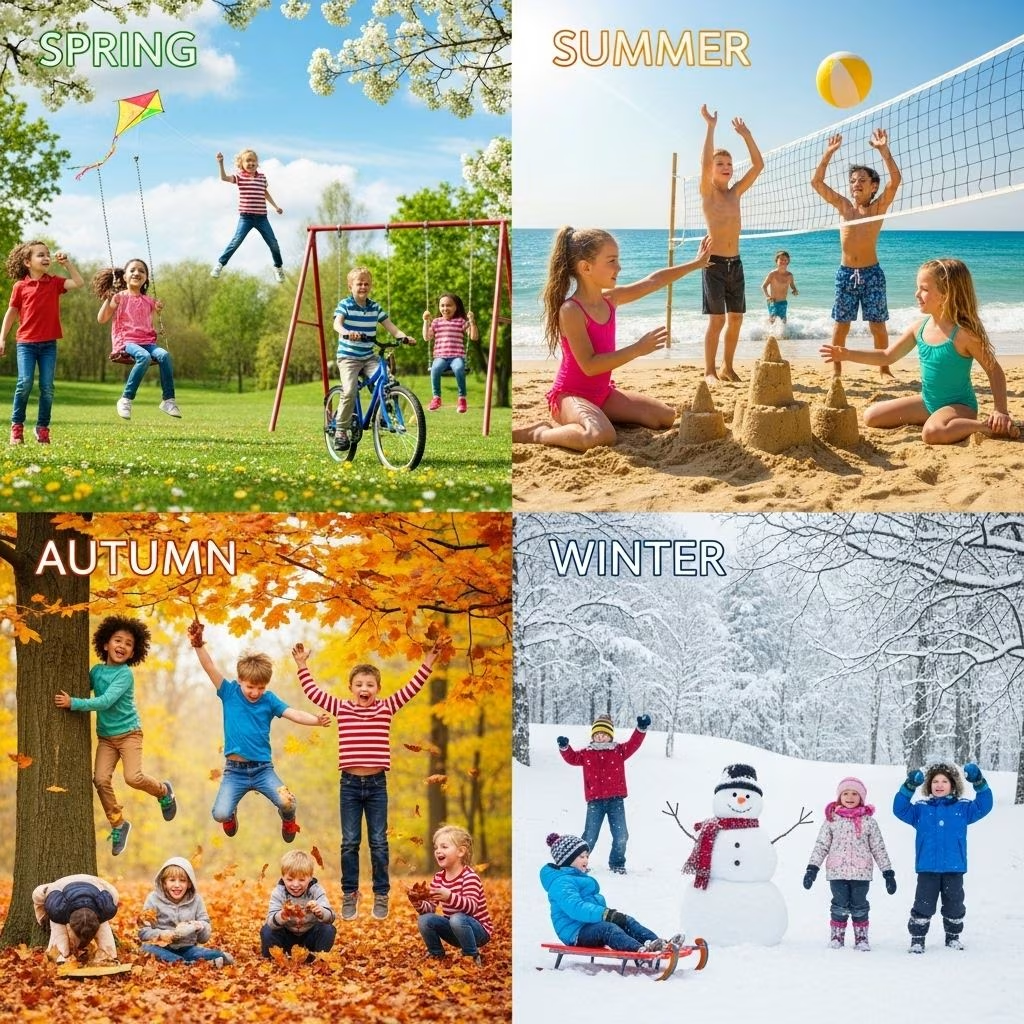
| Season | Activity Ideas |
|---|---|
| Spring | Plant a garden, fly kites, go on wildflower walks, look for baby animals, and paint rocks. |
| Summer | Swim, have water balloon fights, camp, stargaze, and visit farmers’ markets. |
| Fall | Rake and jump in leaves, collect acorns and pinecones, go apple picking, and make leaf art. |
| Winter | Build snowmen, go sledding, make snow angels, track animal footprints, and paint snow. |
Safety Tips for Outdoor Play
- Always supervise young children, especially near water or when playing in unfamiliar areas.
- Dress appropriately for the weather—hats and sunscreen for sun, layers for cold.
- Check the play area for hazards like sharp objects, poison ivy, or uneven ground.
- Teach children to recognize and avoid dangerous plants and animals.
- Stay hydrated and take breaks in the shade on hot days.
- Use helmets and protective gear for biking, scootering, and other risky activities.
- Discuss boundaries and rules for outdoor play to ensure everyone stays safe and happy.
Frequently Asked Questions
Q: What are some easy outdoor activities for young children?
A: Simple activities like digging for worms, swinging, leaf tracing, and reading outside are great for young children and require minimal setup.
Q: How can I make outdoor play educational?
A: Incorporate nature exploration, scavenger hunts, measuring natural objects, and science experiments like rain gauges or sun prints to turn play into learning.
Q: What if I don’t have a backyard?
A: Visit local parks, nature trails, or community gardens. Many activities, like cloud watching, sidewalk chalk art, or biking, can be done anywhere outdoors.
Q: How do I encourage my child to spend more time outside?
A: Lead by example, plan family outings, limit screen time, and provide engaging materials like bikes, balls, and art supplies. Make outdoor time a regular part of your routine.
Q: What safety precautions should I take for outdoor play?
A: Supervise children, dress appropriately, stay hydrated, check for hazards, and teach basic safety rules about strangers, traffic, and wildlife.
Q: Are there outdoor activities for rainy days?
A: Yes! Puddle jumping, measuring rainfall, making mud pies, and indoor-outdoor games like tag under a covered area can make rainy days fun.
In Summary
Outdoor play is essential for children’s growth, offering benefits that extend far beyond physical health. With this ultimate guide, you’re equipped with a vast array of activities to suit any age, interest, and season—from backyard fort-building and nature crafts to adventurous family outings and seasonal explorations. By making outdoor time a priority, you’re giving your children the gift of creativity, resilience, and a lifelong love of nature.
So grab your sunscreen, put on your adventure hats, and head outside—your next family memory is waiting just beyond the door.
References
- https://ourdaysoutside.com/50-easy-outdoor-activities-for-kids/
- https://abcdeelearning.com/outdoor-activities-for-kids/
- https://pathways.org/outdoor-activities-for-kids
- https://americanfieldtrip.com/blog/2020/07/05/101-outdoor-activities-for-kids/
- https://www.aaastateofplay.com/a-parents-guide-to-outdoor-activities-for-kids/
- https://mommypoppins.com/anywhere-kids/earth-kids-outdoor-activities-nature-outdoor-learning
- https://craftlearnandplay.com/101-things-for-kids-to-do-outside-book-review/
- https://www.plt.org/educator-tips/activities-to-do-with-children-outdoors/
- https://thewildoutdoors.org/preparing-your-child-for-outdoor-adventures-a-parents-guide/
- https://tinkergarten.com


