


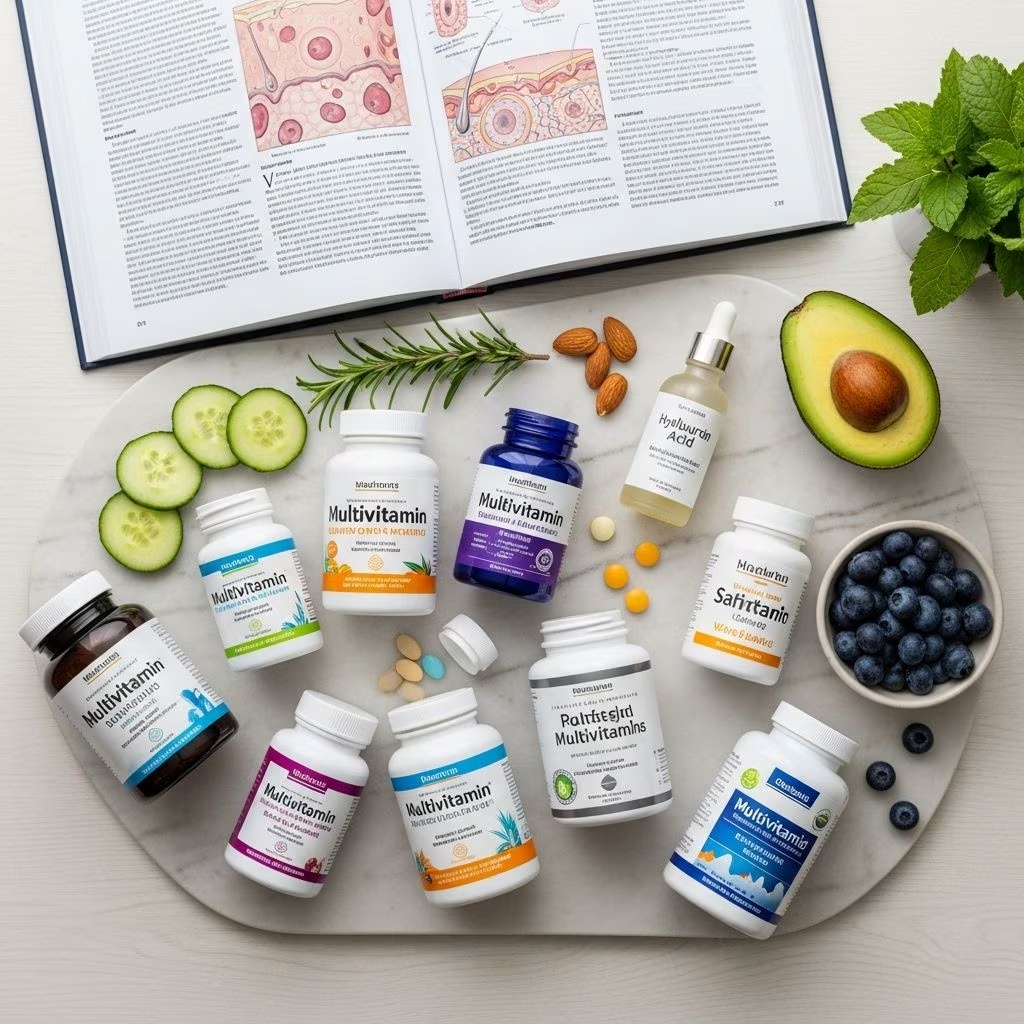
Best Multivitamins for Skin Health: A Dermatologist’s Review
Optimal skin health depends not only on topical skincare routines but also on nourishing your body from within. Dermatologists increasingly recommend targeted multivitamins and supplements to help achieve radiant, resilient, and youthful skin. This comprehensive review outlines the science-backed nutrients, the best multivitamin formulations, and expert recommendations for healthy skin in 2025.
Introduction: The Role of Nutritional Supplements in Skin Health
While daily skincare is vital, dermatologists emphasize that nutritional supplementation is crucial for optimal skin integrity, resilience, and radiance. Scientific evidence confirms that certain vitamins, minerals, fatty acids, and bioactive compounds play a vital role in skin health, helping manage issues such as dryness, premature aging, acne, and inflammatory conditions.
Supplements do not replace a balanced diet but can fill nutritional gaps, support healing, and enhance the effects of topical regimens.
Let’s explore the essential nutrients proven to benefit skin health, according to board-certified dermatologists.
Essential Vitamins for Skin Health
| Vitamin | Main Benefits for Skin | Sources |
|---|---|---|
| Vitamin A | Stimulates skin cell turnover, supports barrier function, reduces acne | Multivitamins, leafy greens, eggs, dairy |
| Vitamin C | Boosts collagen synthesis, brightens complexion, antioxidant protection | Citrus, berries, peppers, multivitamin supplements |
| Vitamin E | Antioxidant, photoprotection, reduces inflammation, enhances hydration | Nuts, seeds, plant oils, capsules |
| Vitamin D | Supports barrier, repairs cells, benefits inflammatory skin conditions | Sunlight, oily fish, fortified foods, supplements |
| Biotin (B7) | Supports healthy skin, hair, nails; may help with dermatitis | Eggs, nuts, grains, multivitamins |
Vitamin A: The Skin’s Rejuvenator
Vitamin A is essential for proper skin cell growth and repair. It prevents dryness, helps treat acne, and maintains the integrity of the skin’s barrier. Deficiency can result in rough, flaky, or even inflamed skin.
Vitamin C: Collagen Booster and Brightener
Vitamin C supports collagen synthesis, making skin firmer and more elastic while fading dark spots and providing potent antioxidant protection against pollution and UV damage. It’s also effective for oily, acne-prone skin.
Vitamin E: The Skin Protector
A powerful antioxidant, Vitamin E shields skin cells from oxidative damage, helping prevent premature aging. It soothes inflammation, enhances skin hydration, protects against UV damage, and is particularly beneficial for conditions like atopic dermatitis and psoriasis.
Vitamin D: The Sunshine Vitamin
Vitamin D, primarily obtained via sun exposure, also plays a vital role in skin repair, hydration, and immune support. It is recommended for treating eczema and psoriasis in conjunction with vitamin E.
Biotin (Vitamin B7): For Healthy Skin and Nails
Biotin helps maintain healthy skin, hair, and nails. Dermatologists may recommend it for nail fragility or some cases of dermatitis.
Minerals and Trace Elements
- Zinc: Regulates oil production, reduces inflammation, aids healing, and supports immune defenses against infections and acne.
- Selenium: Potent antioxidant protecting against UV-induced cell damage and supporting anti-aging efforts.
- Iron, Iodine, and Magnesium: Contribute to general skin and hair wellness, but should be supplemented based on need and lab results.
Other Powerful Nutrients and Extracts
- Omega-3 Fatty Acids: Found abundantly in fish oil and plant sources, these help soothe skin inflammation and improve barrier function, especially helpful in conditions such as psoriasis, eczema, and dermatitis.
- Collagen Peptides: Collagen supplements have risen in popularity thanks to studies supporting increased skin elasticity, hydration, and reduction of fine lines and wrinkles.
- Probiotics: These support a healthy gut microbiome, which, in turn, enhances the skin’s natural defenses, reduces inflammation, and can help conditions like acne and eczema.
- Herbal Extracts: Turmeric, green tea, and curcumin provide antioxidant and anti-inflammatory benefits, helping to clarify and hydrate skin.
- Hyaluronic Acid: Frequently included for its superior skin hydration and plumping effects.
Top Dermatologist-Recommended Multivitamins for Skin Health (2025)
The following products are highlighted for their ingredient profile, dermatological endorsements, and safety:
| Product | Key Skin Ingredients | Features | Best For |
|---|---|---|---|
| Ritual Postnatal Multivitamin | Vitamin A, C, D3, E, Zinc, Folate, Biotin, Choline, Iron, Iodine, Omega-3 DHA | Third-party tested, vegan, allergen-free | Postpartum recovery, general skin & hair health |
| Generic Skin Health Multivitamins | Vitamin C, E, D, Biotin, Zinc, Selenium, Collagen (sometimes), Probiotics | Widely available; varied ingredient forms | Overall skin integrity, anti-aging, acne-prone skin |
| Dermatologist-Formulated Complexes | Omega-3s, Hyaluronic Acid, Herbal Extracts, Antioxidant Mixes | Targeted blends, expert-reviewed | Advanced skin care, inflammatory conditions, dryness |
Note: Always consult your dermatologist before adding new supplements, especially if you have underlying health conditions or are pregnant/breastfeeding.
How to Choose the Best Multivitamin for Your Skin
- Assess Your Needs: Identify primary skin concerns (dryness, acne, aging, sensitivity).
- Check for Key Ingredients: Look for vitamins A, C, D, E, zinc, and selenium as main ingredients. For aging or dry skin, consider collagen and hyaluronic acid.
- Look for Quality Assurance: Prefer multivitamins that are third-party tested, non-GMO, and free of unnecessary fillers or allergens.
- Dietary Considerations: Choose vegan, gluten-free, or hypoallergenic options as per your needs.
- Avoid Over-Supplementing: Excessive vitamin A, D, or certain minerals can be harmful; never exceed daily recommended amounts.
- Read Labels: Dosage and form matter – choose forms with proven bioavailability (e.g., vitamin D3, methylcobalamin for B12).
- Consult Dermatologists: For prescription-level deficiencies or persistent skin problems, seek a dermatologist’s advice.
Frequently Asked Questions (FAQs)
How does Vitamin C benefit the skin?
Vitamin C boosts collagen production, brightens skin tone, reduces hyperpigmentation, and protects against environmental oxidative damage. It is fundamental for both daily radiance and anti-aging results.
What makes Zinc important for skin health?
Zinc controls sebum (oil) production, calms inflammation, supports wound healing, and strengthens the immune system, effectively reducing acne and irritation.
How do Omega-3 fatty acids improve skin?
Omega-3s maintain hydration, soothe redness, help repair the skin barrier, and mitigate symptoms of eczema and psoriasis.
Are collagen supplements effective for skin?
Collagen peptides can improve moisture, elasticity, and reduce fine lines, with benefits observed after several weeks of continued use.
Do probiotics help skin conditions?
Probiotics support a balanced microbiome, reduce inflammation, and improve symptoms in acne, eczema, and dermatitis – especially when combined with a healthy diet.
Can supplements replace a healthy diet for skin?
No. Supplements fill gaps but should never replace a varied, nutrient-rich diet and sensible sun protection.
Is too much vitamin A or D harmful?
Yes. These fat-soluble vitamins can build up and cause toxicity, so avoid taking excessive doses and consult with professionals before supplementing.
How long before I see skin improvements?
Improvements can take 6–12 weeks of consistent use for most vitamins or collagen. Always be patient and monitor your response.
Conclusion
Dermatologists agree: Skin health begins from within. Utilizing the best multivitamins for skin – with balanced doses of vitamins A, C, D, E, B7, zinc, selenium, omega-3s, collagen, and select herbal extracts – can support clearer, stronger, and more youthful skin. Always consult with experts to personalize your routine and ensure optimal results.
Nourish your skin beyond the surface – embrace the multidimensional approach combining smart supplementation with sound lifestyle choices to achieve your best complexion yet.
References
- https://mariehayagmd.com/blogs/news/dermatologist-recommended-supplements-for-skin-health
- https://www.healthline.com/nutrition/best-hair-skin-and-nails-vitamins
- https://pmc.ncbi.nlm.nih.gov/articles/PMC10820017/
- https://www.aad.org/public/everyday-care/skin-care-secrets/routine/supplements-for-your-skin
- https://georgiadermatologypartners.phynetmastersite.com/2023/04/18/best-vitamins-for-the-skin/
- https://www.brynmawrdermatology.com/dermatologist-approved-supplements/


