


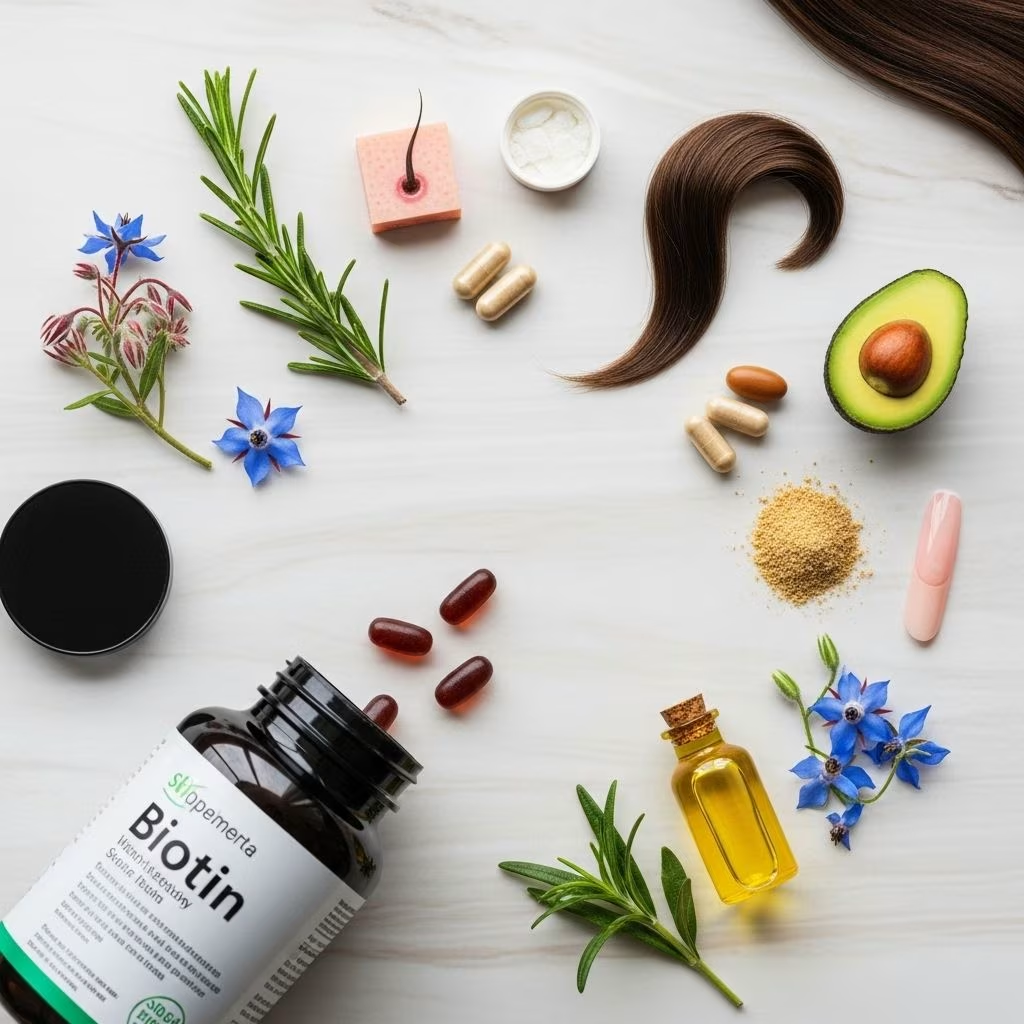
Skin, Hair & Nail Supplements: Are They Worth the Cost?
Supplements targeting skin, hair, and nail health have exploded in popularity, filling shelves with enticing promises of radiant hair, flawless skin, and resilient nails. But do these beauty-focused formulas deliver meaningful results—or leave buyers wanting more? This comprehensive guide examines the latest evidence, differentiates between myth and reality, and equips you to decide if these supplements are a wise investment for your beauty regimen.
What Are Skin, Hair & Nail Supplements?
Skin, hair, and nail supplements are oral products—often in pill, capsule, gummy, powder, or liquid form—formulated to support the health and appearance of these tissues. Most contain a blend of vitamins, minerals, botanical extracts, and sometimes proteins or amino acids. Popular marketing claims include faster hair growth, improved skin hydration and elasticity, reduced wrinkles, and strengthening of brittle nails.
Typical Product Claims
- Reduces hair thinning and shedding
- Promotes thicker, fuller hair
- Diminishes fine lines and wrinkles
- Improves skin hydration and glow
- Strengthens nails, reduces brittleness or peeling
Some supplements target all three areas simultaneously, while others focus specifically on one—such as a “hair growth” or “collagen skin” formula.
Scientific Evidence: Do These Supplements Work?
Evaluating whether beauty supplements deliver on their promises requires reviewing clinical studies and medical consensus.
What Do Clinical Trials Show?
Randomized studies and real-world trials offer mixed results for skin, hair, and nail supplements. A landmark 90-day observational study of a plant-based supplement found:
- Hair fall reduced by 99% by day 90
- Hair density increased 30%, hair growth rate up 20%, and texture improved 61%
- Nail growth increased by 40%, with stronger appearance
- Skin hydration rose 31%, pigmentation decreased 31%, elasticity improved 18%, and wrinkle length shortened by 19%
- No adverse effects reported, participants noted visible improvements and better self-image
These robust numbers highlight the potential for nutraceuticals—especially multi-ingredient, plant-based formulas—to impact appearance and well-being when administered appropriately over several months.
Another placebo-controlled study in women with thinning hair found a daily supplement led to a 10.1% increase in hair density over 168 days, while the placebo group dropped by 2%. Participants reported less hair shedding, greater strength, less breakage, and improved shine. Notably, no adverse events occurred, and improvements were generally greater than placebo, though not all outcomes reached statistical significance.
Results Vary by Ingredient, Population & Deficiency
Many supplements appear most effective for those with nutrient deficiencies, underlying health conditions, or targeted cosmetic issues (such as thinning hair or brittle nails). In healthy individuals, benefits are often less dramatic or not clinically significant.
Summary Table: Clinical Findings
| Parameter | Plant-Based Supplement Study (90 days) | Multi-Nutrient Study (168 days) |
|---|---|---|
| Hair fall reduction | 99% | Not measured |
| Hair density increase | 30% | 10.1% |
| Hair growth rate | 20% | Not measured |
| Nail growth | 40% | Not measured |
| Skin hydration | 31% | Not measured |
| Adverse effects | None | None |
| Self-reported improvements | Yes | Yes |
Key Active Ingredients & Their Functions
Some ingredients are mainstays in skin, hair, and nail supplements due to their biological roles. Understanding them helps you decode labels and separate hype from substance.
- Biotin
- Collagen Peptides
- Vitamins A, C, D, E
- Essential for skin maintenance and repair
- Antioxidant action, supports collagen generation
- Important for immune function (vitamin D)
- Minerals: Iron, Zinc, Selenium
- Iron is key for hair growth; zinc for cell division and repair
- Deficiencies negatively impact hair and nail growth
- Amino Acids & Proteins
- Keratin (main nail and hair protein) is synthesized from dietary amino acids
- Supplements may include hydrolyzed keratin, L-cysteine, or methionine
- Botanical Extracts
- Saw palmetto, bamboo silica, horsetail, and others may offer antioxidant and anti-inflammatory benefits
- Evidence varies; often included in proprietary blends
Who Actually Benefits?
Supplements yield their greatest value in certain groups—but may be unnecessary for others.
- Those with nutrient deficiencies
- Individuals with medical or genetic conditions
- Hair loss from thyroid problems, anemia, or genetic syndromes may improve with specific nutrients
- Older adults or those with accelerated aging
- Natural decline in collagen and elastin may be offset with supplementation
- Collagen and antioxidant vitamins particularly relevant for visible aging
- Those seeking cosmetic enhancement
- Some trials show visible improvements even in healthy populations—likely modest, cumulative over long-term use
- Healthy individuals eating varied diets
Cost vs. Value: Are the Claims Worth the Price?
Monthly costs for supplements range from under $10 to over $100 depending on brand, formulation, and packaging. To assess value, consider:
- Ingredient potency (amount per serving)
- Presence of clinically proven ingredients
- Duration needed for observable results (often 2–3 months)
- Your baseline health and diet
- Whether benefits are self-reported or objectively measured
For those with true deficiency or evidence-based need, supplements are likely worth the investment. For most healthy adults, the incremental benefit may be minor and potentially replicated by an improved diet.
Economic Comparison Table
| Supplement Type | Monthly Cost (USD) | Evidence Strength | Best Use Case |
|---|---|---|---|
| Multi-ingredient plant-based | $30–$80 | Strong (multiple studies) | Deficiency, aging, visible thinning |
| Biotin-only | $10–$20 | Weak (except deficiency) | Brittle nails/hair from deficiency |
| Collagen peptides | $25–$50 | Moderate | Aging skin, nail strength |
| Vitamin blends | $10–$25 | Moderate | General support |
Safety, Side Effects & Regulation
Most skin, hair, and nail supplements are well tolerated and rarely cause serious side effects. Large studies report no significant adverse effects for plant-based or multi-nutrient formulas used over several months.
Potential Risks & Precautions
- Excess vitamin/mineral intake (high-dose supplements may interfere with lab test results and interact with medications)
- Allergic reactions (rare; watch for ingredients not commonly consumed)
- Lack of FDA regulation (supplements not subjected to same scrutiny as pharmaceuticals—purity, potency, and efficacy vary)
- False marketing claims: Always evaluate clinical evidence, check for third-party testing
If pregnant, nursing, have a medical condition, or take other medications, consult a healthcare provider before starting any supplement regimen.
Dietary & Lifestyle Alternatives
For many people, dietary improvements may yield similar benefits without the cost or risk of excess supplementation.
Key Dietary Factors for Skin, Hair, and Nail Health
- Vitamins: A, D, E, C (from leafy greens, citrus, carrots, nuts, eggs, fatty fish)
- Minerals: Iron (red meat, legumes), Zinc (shellfish, seeds), Selenium (whole grains, seafood)
- Healthy fats: Omega-3s from fish, flaxseed, walnuts
- Proteins: Lean meat, dairy, soy, nuts for keratin and collagen synthesis
- Antioxidants: Berries, tomatoes, green tea combat oxidative stress
Balanced nutrition paired with hydration, sun protection, and minimizing environmental damage underpins natural skin, hair, and nail health.
Frequently Asked Questions (FAQs)
Q: Will skin, hair, and nail supplements work for everyone?
A: Most documented effects occur in individuals with diagnosed nutritional deficiencies, poor dietary habits, or specific medical conditions. Healthy people may notice modest improvements, especially regarding appearance or texture, but dramatic results are less likely.
Q: How long until results appear?
A: Clinical improvements are typically measured over 2–3 months. Nail and hair growth are gradual; changes in skin hydration and elasticity may appear sooner. Consistency is essential—a minimum of 60–90 days of use is often required for visible effects.
Q: Are there risks in taking these supplements?
A: Most major studies report few side effects for common formulas; however, excess dosing of some vitamins and minerals can interfere with lab tests or lead to toxicity. Always follow recommended guidelines and consult a healthcare provider when in doubt.
Q: Can a healthy diet eliminate the need for supplements?
A: Yes, for most healthy adults, a balanced diet rich in diverse nutrients is sufficient to sustain skin, hair, and nail health. Supplements may be considered in cases of deficiency, malabsorption syndromes, or persistent cosmetic concerns.
Q: Is biotin supplementation necessary?
A: There is strong evidence for biotin’s benefit only in deficiency states—rare in most populations. The impact of extra biotin for healthy individuals is minimal and unproven.
Bottom Line: Should You Spend on Beauty Supplements?
The decision to purchase skin, hair, and nail supplements should rest on your personal needs, clinical evidence, and lifestyle. These products are most justified—and effective—for those with confirmed nutritional gaps, aging concerns, or documented cosmetic challenges. For healthy individuals, prioritize a nourishing diet and lifestyle, and use thoughtful supplementation only if tangible deficiencies or goals exist.
Approach claims with skepticism, review labels for clinically validated ingredients, and consider price versus long-term impact. In many cases, the pursuit of beauty through supplements may offer psychological comfort, but true health starts with everyday nutrition and care.
Ultimately, informed choices—grounded in science and tailored to individual health—yield the best value for your investment in skin, hair, and nail health.
References
- https://cosmoderma.org/clinical-evaluation-of-a-plant-based-supplement-on-hair-skin-nail-health-and-psychological-well-being-a-90-day-observational-study/
- https://pmc.ncbi.nlm.nih.gov/articles/PMC5582478/
- https://jcadonline.com/a-randomized-placebo-controlled-clinical-study-evaluating-a-dietary-supplement-for-hair-growth/
- https://pubmed.ncbi.nlm.nih.gov/31584785/
- https://www.sipderm.com/?p=8972
- https://onlinelibrary.wiley.com/doi/10.1111/jocd.16443
- https://www.mayoclinichealthsystem.org/hometown-health/speaking-of-health/get-radiant-hair-skin-and-nails-naturally


