


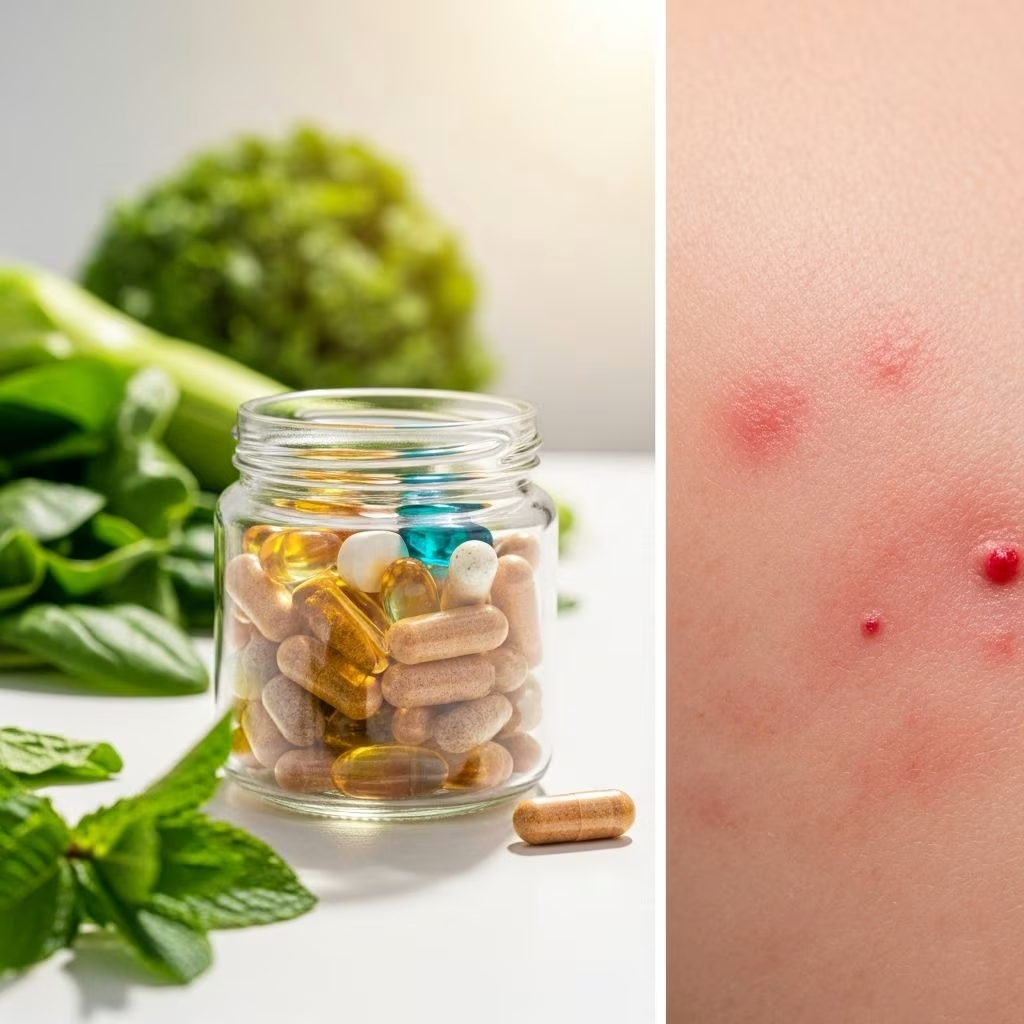
Probiotics—beneficial live microorganisms—are increasingly recognized for their role in promoting not just gut health, but also for their impact on a range of skin conditions such as eczema and rosacea. As science uncovers the intricate connections between the gut and skin (the gut–skin axis), both oral and topical probiotic therapies are being explored to maintain skin integrity, modulate inflammation, and improve dermatological outcomes.
What are Probiotics?
Probiotics are live microorganisms—usually bacteria or yeasts—that, when administered in adequate amounts, confer a health benefit to the host. These organisms help maintain the balance of the natural microbiome in various parts of the body, such as the gut, skin, and even urogenital tract.
- Common genera include Lactobacillus and Bifidobacterium.
- Probiotics can be consumed as dietary supplements, found in fermented foods (like yogurt, kefir, sauerkraut), or applied topically as creams, lotions, or serums.
The Gut–Skin Axis Explained
The concept of the gut–skin axis highlights a two-way communication between the intestinal microbiome and skin health. This axis involves immune, metabolic, and neuroendocrine pathways. Changes in gut microbial composition can influence systemic inflammation, immune responses, and the integrity of skin barriers, affecting skin appearance and function.
- Imbalances in gut microbiota (called dysbiosis) have been linked to skin disorders like eczema, rosacea, acne, and psoriasis.
- Emerging research suggests that modulating the gut microbiome through oral probiotic supplementation may improve or prevent certain inflammatory skin conditions.
Probiotics and Eczema
Eczema (atopic dermatitis) is a chronic, relapsing inflammatory skin disease characterized by itchy, dry, and red patches. People with eczema often have a disturbed skin barrier function and altered skin and gut microbiota.
How Probiotics May Help Eczema
- Restoration of skin barrier: Probiotics can increase skin ceramides (lipids that trap moisture), thereby improving hydration and reducing dryness.
- Reduction of inflammation: Probiotics modulate immune responses, leading to decreased skin inflammation and fewer flares.
- Lower frequency and severity of flares: Some randomized controlled trials suggest that both oral and topical probiotics can reduce the severity and frequency of eczema flares, particularly in young children.
- Enhanced microbial balance: Supplementation may suppress the growth of pathogenic bacteria such as Staphylococcus aureus, a common trigger in eczema.
Though promising, not all probiotics are equally effective for eczema, and results may vary depending on the strain used, duration of supplementation, and individual patient factors.
Probiotics and Rosacea
Rosacea is a chronic inflammatory skin condition marked by facial redness, visible blood vessels, and sometimes acne-like lesions. The exact causes are unknown but may involve immune dysregulation, microbiome imbalance, and environmental triggers.
- Modulating immune response: Probiotics can help reduce skin inflammation, which is pivotal in rosacea management.
- Balancing the skin microbiome: By promoting the growth of beneficial bacteria, probiotics may suppress harmful microbes believed to aggravate rosacea symptoms.
- Reducing oxidative stress: As with eczema, probiotic action may reduce oxidative damage on the skin, supporting better skin barrier function.
While more research is needed, both oral and topical probiotics are being investigated as adjuncts to conventional rosacea treatments, particularly in patients with gut comorbidities such as small intestinal bacterial overgrowth (SIBO).
General Benefits of Probiotics for Skin Health
- Improvement of skin hydration and barrier function: Topical probiotics can enhance skin moisture and strengthen the mechanical barrier.
- Anti-inflammatory effects: Probiotics can reduce levels of pro-inflammatory cytokines, thereby alleviating redness and irritation in sensitive skin.
- Reduction of oxidative stress: Probiotics (and fermented extracts) possess antioxidant properties, protecting the skin against UV-induced and environmental damage.
- Suppression of acne-causing bacteria: By modulating the skin microbiome, probiotics can lower populations of bacteria such as Cutibacterium acnes, helping decrease breakouts.
- Potential anti-aging benefits: Studies suggest that some probiotics may reduce fine lines, wrinkles, and improve photoprotection against UV damage.
- Support for wound healing: Topical application has shown benefit in localized improvement in healing and inflammation.
Oral vs. Topical Probiotics: Which is Better?
| Aspect | Oral Probiotics | Topical Probiotics |
|---|---|---|
| Mechanism | Modulate gut microbiome, reduce systemic inflammation, influence skin via gut–skin axis | Directly interact with skin microbiome, improve skin barrier function, hydration, and local inflammation |
| Benefits | Improve gut and skin health, reduce systemic triggers | Immediate, localized improvement for dryness, inflammation, and minor wounds |
| Examples | Supplements, yogurts, fermented foods | Creams, lotions, serums |
| Limitations | Slower skin effects; gut-focused | Regulatory gaps, potential for irritation, not suitable for all skin types |
Evidence indicates that topical probiotics may offer faster, localized effects on the skin, while oral probiotics contribute to systemic balance and help conditions with broader inflammatory or microbiome-related roots.
Mechanisms: How Probiotics Influence Skin and Gut
- Balancing the microbiome: Probiotics increase diversity and equilibrium of the skin and gut microbiota, outcompeting harmful bacteria.
- Modulating immune responses: They regulate immune cell activity to minimize overactive inflammation—important for eczema, rosacea, and acne.
- Strengthening the skin barrier: By boosting ceramide and lipid production, probiotics help retain skin moisture and protect against irritants.
- Suppressing oxidative stress: Probiotics reduce the effects of reactive oxygen species (ROS), protecting the collagen and elastin that maintain skin youthfulness.
- Alter gut permeability: Improved gut barrier reduces systemic inflammation that can flare skin conditions.
Choosing and Using Probiotics Safely
- Consult with a healthcare provider before starting, especially if you have underlying health conditions or are immunocompromised.
- Pay attention to the probiotic strain. Benefits are highly strain-specific; research supports the use of certain Lactobacillus and Bifidobacterium species for skin health.
- Find reputable products. Choose brands that disclose the strains, colony-forming units (CFUs), and expiration dates.
- Be aware of regulatory status: In the US, topical probiotics are classified as cosmetics, supplements, or additives, but no live topical probiotic product is formally FDA-approved as a drug for skin use.
- Monitor your skin’s response. Discontinue use if you notice irritation or adverse effects.
Potential Side Effects and Precautions
- Most people tolerate both oral and topical probiotics well.
- Mild digestive symptoms (bloating, gas) are possible with oral supplementation, particularly in the first week.
- Rarely, topical probiotics can cause redness or irritation, especially if used on open wounds or in those with highly sensitive skin.
- Immunocompromised individuals should seek medical advice before using probiotics, as there is a theoretical risk for infection.
Frequently Asked Questions (FAQs)
Q: Can probiotics cure eczema or rosacea?
No, probiotics are not a cure, but may help manage symptoms, reduce flares, and improve overall skin health when combined with standard therapies.
Q: Are foods with probiotics as effective as supplements?
Probiotic foods (like yogurt) can contribute to gut and skin health but may have lower or variable amounts and strains compared to standardized supplements.
Q: How long does it take to see results?
Improvements can take a few weeks to several months depending on the condition, individual response, and product used. Persistence and consistency are key.
Q: Can I use probiotics if I have sensitive or allergy-prone skin?
Most topical probiotics are designed for sensitive skin, but always patch test new products and discontinue if irritation occurs.
Q: What is the difference between probiotics, prebiotics, and postbiotics?
- Probiotics: Live beneficial bacteria.
- Prebiotics: Non-digestible fibers that feed beneficial gut microbes.
- Postbiotics: Metabolic byproducts of probiotics, such as short-chain fatty acids, with potential health effects of their own.
Conclusion
The skin and gut are intimately connected through complex immune, metabolic, and microbial pathways. Probiotics—administered orally or topically—represent a promising avenue in the management and prevention of common skin disorders such as eczema and rosacea. Current evidence supports their use as adjuncts to standard therapies, with benefits including improved skin hydration, reduced inflammation, and enhanced microbiome stability. As research advances, precise recommendations will evolve, but integrating probiotics into a holistic skin and gut health regimen is an evidence-based step toward healthier skin.


