


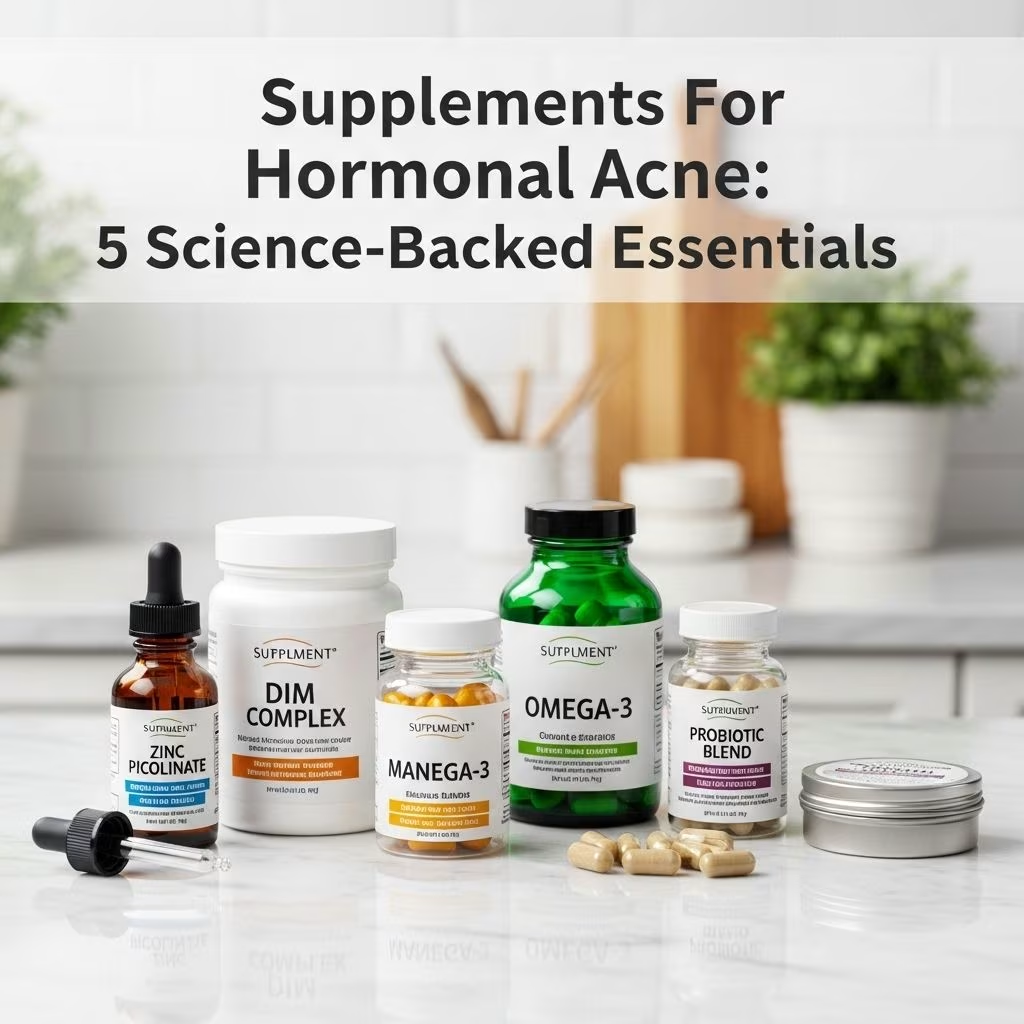
Hormonal acne is a persistent challenge for countless teens and adults, commonly flaring along the jawline, cheeks, and chin. Unlike general acne, hormonal acne is deeply tied to the body’s internal balance—driven by fluctuations in hormones, inflammation, and even gut health. While over-the-counter creams and prescriptions help, many seek holistic support through science-backed supplements.
This guide provides a comprehensive regimen structured around current evidence and expert recommendations, exploring the best vitamins, minerals, botanicals, and lifestyle tips for clearer skin at the root.
Understanding Hormonal Acne
Hormonal acne refers to breakouts influenced by internal hormonal fluctuations, most often affecting women during puberty, menstruation, pregnancy, or menopause. In adults, it commonly lingers as stubborn, inflamed nodules or cysts along the jawline, chin, and lower cheeks, though it can appear elsewhere. Key hormonal contributors include:
- Androgens (testosterone and DHEA): Increase sebum production, making pores more prone to blockage.
- Progesterone & Estrogen fluctuations: Affect skin oiliness and inflammation, often worsening acne around menstrual cycles.
- Insulin resistance: May trigger higher androgen production, seen in conditions like PCOS (Polycystic Ovary Syndrome).
Hormonal acne does not always correlate with abnormal lab hormone levels; even women with normal labs may experience hormonally driven flare-ups due to individual skin reactivity and inflammation pathways.
Why Consider Supplements for Hormonal Acne?
While topical treatments are essential, supplements can address internal triggers in ways creams cannot. Science-backed supplements support the body by:
- Regulating hormone metabolism and balance
- Reducing systemic inflammation
- Enhancing detoxification (especially liver support)
- Bolstering skin barrier repair and immunity
- Supporting microbiome and gut health
Supplements are most effective when combined with a healthy lifestyle and medical care, particularly for moderate to severe or persistent acne.
Core Supplements for Hormonal Acne
These supplements have shown clinical benefit or biological plausibility in reducing hormonal acne severity or frequency. Their action targets root causes including excess androgens, inflammation, immune regulation, and sebum production.
| Supplement | Key Acne Benefits | Best Form |
|---|---|---|
| Zinc | Reduces oil (sebum) production, calms skin inflammation, antibacterial effect, helps hormone metabolism. Supports skin healing. | Zinc picolinate, gluconate, or sulfate (with copper) |
| Omega-3 Fatty Acids | Lower systemic inflammation, improve skin barrier, regulate hormones, may decrease severity of acne flares. | Fish oil (high EPA/DHA), algal oil for vegans |
| Vitamin D | Modulates immune pathways, controls oil production, reduces inflammation; deficiency is linked to worse acne. | Vitamin D3 (cholecalciferol) |
| Probiotics | Balance gut microbiota, reduce systemic inflammation, support immune function and skin barrier health. | Multi-strain, high CFU |
| Vitamin B Complex | Specifically B5 (pantothenic acid) helps reduce oil; B6 can ease PMS-related breakouts. | Complete B-complex, separate high-dose B5 if needed |
Zinc for Hormonal Acne
Zinc is a well-studied mineral with several acne-reducing actions:
- Reduces androgen (hormonal) activity and sebum production
- Decreases inflammation in skin lesions
- Has antimicrobial properties against acne-associated bacteria
Studies show improvements with 400–600mg zinc sulfate daily for up to 12 weeks, though bioavailable forms like picolinate may require lower doses. Too much zinc can cause nausea and risk copper deficiency, so combined supplements (zinc+copper) are recommended.
Omega-3 Fatty Acids
Found in fish oil and certain algae, omega-3s such as EPA and DHA:
- Lower chronic inflammation (a driver of persistent acne)
- Improve the skin barrier and support hormone signaling
- May reduce the severity of acne and support overall skin health
Choose high-quality, purified sources to minimize mercury exposure.
Vitamin D
Low vitamin D status is linked with more severe acne. Vitamin D helps modulate immune system responses, regulate oil gland activity, and reinforce skin barrier function.
- Blood tests can check for deficiency; supplementing with D3 is most effective.
Probiotics for Gut–Skin Connection
The gut microbiome impacts systemic inflammation and hormone metabolism:
- Multi-strain probiotics can support gut health and reduce inflammatory signals that worsen acne.
- Particularly useful if your breakouts seem triggered by stress, antibiotics, or digestion issues.
B Vitamins, Especially B5 and B6
- Vitamin B5 (pantothenic acid) can directly help reduce sebum (oil) production.
- Vitamin B6 (pyridoxine) is helpful for acne that flares with PMS or menstruation.
Targeted Nutrients & Herbal Extracts
Many high-quality, multi-ingredient hormonal acne supplements combine several of these targeted nutrients and botanicals for broad-spectrum support:
- DIM (Diindolylmethane): Derived from cruciferous vegetables, DIM helps the body process and balance estrogen, supporting overall hormone balance and reducing androgen-driven flare-ups.
- Myoinositol: Supports ovarian hormone balance and is particularly helpful for acne linked to PCOS.
- Glutathione: A potent antioxidant that aids liver detoxification and reduces post-acne hyperpigmentation.
- Turmeric (Curcumin): Naturally anti-inflammatory; helps calm persistent redness and swelling in acne.
- Vitamin C & Vitamin E: Antioxidants that protect against free radical damage and enhance skin repair.
Specialty blends like MINDBODYSKIN® combine DIM, B5, glutathione, turmeric, and adaptogens for a multi-targeted approach.
Botanical Extracts
- Spearmint Extract: Emerging evidence suggests spearmint may decrease androgen levels and support reduction of hormonal acne, particularly in women.
- Chasteberry (Vitex): Traditionally used for PMS, vitex can support progesterone and regulate hormonal cycles, though results are variable.
How to Combine Supplements Effectively
Most acne regimens work best when tailored to your individual needs. Consider the following approach:
- Start with the core essentials (Zinc, Omega-3, Vitamin D, Probiotics, B-complex).
- Add targeted botanicals (DIM, myoinositol, glutathione, turmeric) if acne is severe or highly hormone-driven.
- Evaluate after 12 weeks, as supplements often require consistent use over several months for visible results.
- Work with a dermatologist or integrative practitioner for personalized guidance, especially if you take medication or have underlying conditions.
Lifestyle Factors & Diet to Enhance Supplement Benefits
Supplements are not magic bullets; diet and lifestyle choices remain crucial in any acne regimen:
- Anti-inflammatory diet: Focus on whole foods, vegetables, legumes, fatty fish, and low-glycemic carbs. Minimize processed sugars, dairy (for some), and high-saturated-fat foods.
- Manage stress: Chronic stress can dysregulate hormones; meditation, sleep, and movement all help.
- Hydration: Stay well hydrated for lymphatic detox and skin repair.
- Exercise: Regular movement helps balance hormones and reduce inflammation.
- Support gut health: Fermented foods, fiber, and probiotics enhance the gut-skin axis.
- Avoid pore-clogging skincare: Always check skincare and makeup for comedogenic (pore-blocking) ingredients.
Precautions, Side Effects & Safety Advice
Consult a healthcare provider before beginning new supplements, especially if you:
- Are pregnant, breastfeeding, or planning pregnancy (some ingredients like DIM and certain botanicals are contraindicated)
- Have complex or chronic health conditions
- Take prescription medications (some supplements like 5-HTP can interfere with antidepressants; high-dose zinc may disrupt copper balance; botanicals like chasteberry may affect hormone therapy)
- Are under age 18
Although supplements can reduce acne, always use them as part of a balanced strategy. Misuse or over-supplementation may worsen health.
Frequently Asked Questions (FAQs)
Can supplements cure hormonal acne completely?
Supplements address the root causes of hormonal acne by supporting hormone balance, reducing inflammation, and enhancing skin repair, but they are not “cures.” Consistent use in combination with healthy habits and, if necessary, medical therapy yields the best results.
How long before I see results from acne supplements?
Some supplements, like specific botanicals, may show visible improvements in 7–10 days, but most regimens require at least 8–12 weeks of consistent use to affect hormonal cycles, sebum production, and inflammation.
Which single supplement is best for hormonal acne?
No single supplement works for everyone, as acne drivers vary. For many, zinc and omega-3s are core. If your acne is strongly tied to menstrual cycles or PCOS, DIM or myoinositol may be more effective.
Can vitamins alone treat hormonal acne?
Vitamins like A, C, E, D, and B-complex contribute to skin health and immunity, but alone they are usually insufficient for complex hormonal acne. Their effects are optimized when combined with minerals, botanicals, and comprehensive lifestyle changes.
What role do medications play if supplements aren’t enough?
For persistent, severe, or cystic hormonal acne, dermatologists may recommend hormonal medications such as combined oral contraceptives or spironolactone. These can reduce androgen-driven acne by up to 100%, often in cases where supplements and topicals are insufficient.
Key Takeaways
- Hormonal acne is deeply tied to the body’s hormone balance and inflammation—supplements provide holistic, internal support alongside standard skin care.
- Science-supported supplements include zinc, omega-3 fatty acids, vitamin D, probiotics, and B vitamins; targeted botanicals like DIM, myoinositol, turmeric, and glutathione can further enhance hormone regulation and detoxification.
- Supplements work best as part of a broader regimen involving diet, sleep, stress management, and skin-safe products.
- For best outcomes, combine supplements thoughtfully and consult a doctor for complex or severe acne.
References
- https://bodybio.com/blogs/blog/the-ultimate-guide-to-hormonal-acne-supplements-science-backed-solutions-for-clear-skin
- https://clearstem.com/products/mindbodyskin-csb
- https://www.aad.org/public/diseases/acne/derm-treat/hormonal-therapy
- https://drbrighten.com/best-vitamins-supplements-for-hormonal-acne/
- https://pmc.ncbi.nlm.nih.gov/articles/PMC10941853/
- https://www.healthline.com/health/beauty-skin-care/hormonal-acne
- https://pmc.ncbi.nlm.nih.gov/articles/PMC6360964/
- https://curology.com/blog/the-science-behind-vitamins-for-hormonal-acne/
- https://www.cumberlandskin.com/healthy-skin-blog/a-dermatologist-s-guide-to-treating-hormonal-acne


