


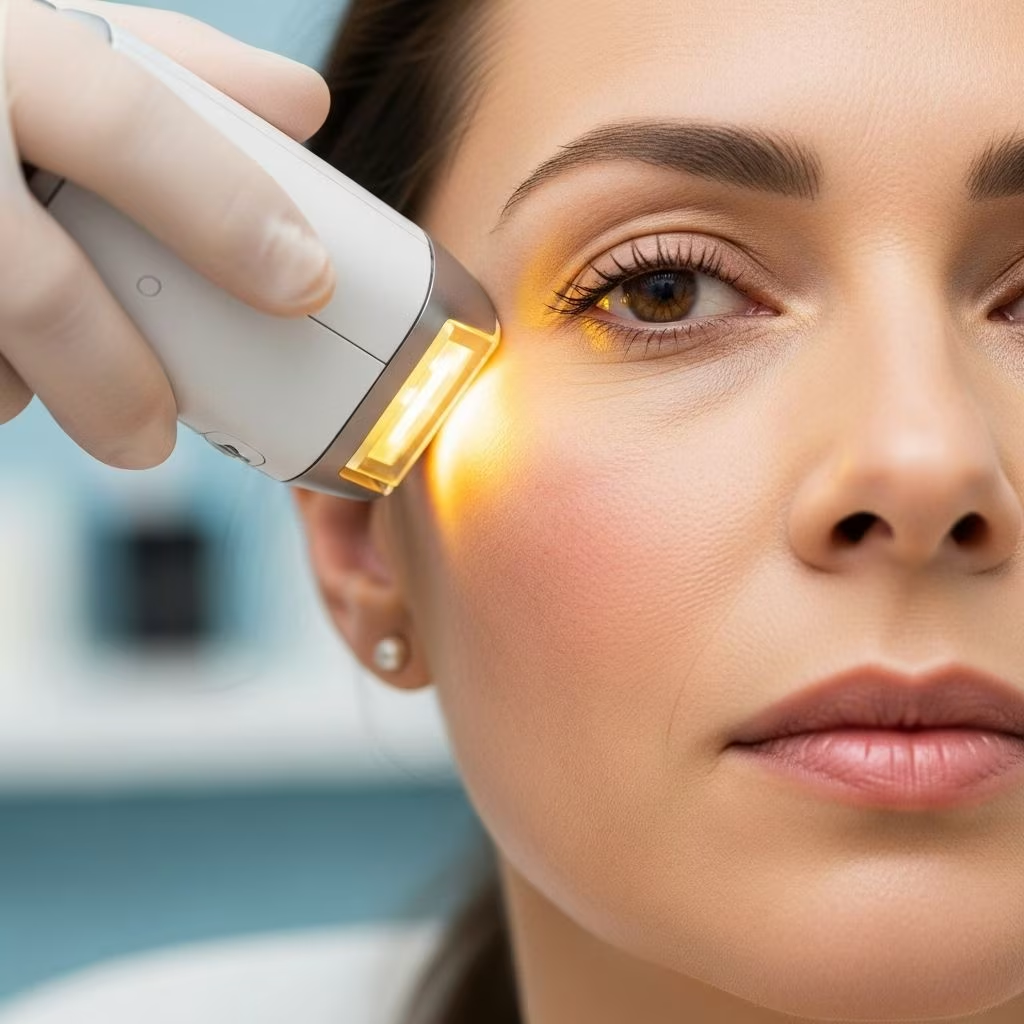
Intense Pulsed Light (IPL) photofacial is a non-invasive cosmetic procedure distinguished for its ability to address multiple skin concerns, particularly pigmentation irregularities and redness. Modern advancements have made IPL a top choice for individuals seeking an effective, low-downtime treatment to restore youthful radiance and treat stubborn skin conditions.
What is IPL Photofacial?
IPL photofacial is a technology-driven treatment that uses broad-spectrum, high-intensity pulses of light to penetrate the skin and target abnormalities in pigmentation, vascular lesions, and sun-induced damage. Unlike lasers that use a single wavelength, IPL delivers a range of wavelengths, making it versatile in addressing various skin imperfections.
IPL was first devised in the 1990s for vascular lesions, but its applications quickly expanded to include pigment-related concerns, overall skin tone and texture, and rejuvenation.
How Does IPL Photofacial Work?
IPL devices emit controlled bursts of light that are selectively absorbed by melanin (pigment) or hemoglobin (in blood vessels), depending on the target. This energy is converted to heat, which breaks down unwanted pigment and constricts blood vessels without harming surrounding tissue. Over time, the targeted pigment or vessels are reabsorbed and eliminated by the body’s natural processes, revealing clearer and healthier skin.
- Collagen stimulation: The gentle thermal effect also triggers the skin’s natural wound-healing response, stimulating collagen and elastin production to reduce the appearance of fine lines, wrinkles, and scars.
This dual targeting of pigment and vascular lesions makes IPL exceptionally effective for pigmentation and redness treatment.
Core Benefits of IPL Treatment
- Improvement in Skin Tone & Texture: Boosts overall radiance and smoothness by evening out pigmentation and stimulating collagen.
- Reduction in Sun Damage and Age Spots: Targets sun-induced brown spots, freckles, and photodamage for a more youthful complexion.
- Minimization of Redness: Treats vascular irregularities such as diffuse redness, rosacea, and broken capillaries.
- Reduced Fine Lines & Wrinkles: Collagen remodeling results in firmer, more elastic skin.
- Minimally Invasive with Little Downtime: Most patients experience minimal discomfort and can resume normal activities soon after treatment.
- Quick and Convenient: Sessions typically last 30–60 minutes, adjusted for the treatment area.
- Long-Lasting Results: Effects can endure for months to a year with proper care.
- Safe and Versatile: Suitable for a variety of skin concerns and pairs well with other procedures.
Pigmentation Treatment with IPL
Common Pigmentation Issues Addressed
- Age spots (solar lentigines)
- Freckles
- Melasma (select cases)
- Sun-induced brown spots
- Hyperpigmentation from acne or inflammation
IPL specifically targets melanin deposits within the skin. As the melanin absorbs light, heat breaks down the pigment clusters, which then rise to the surface and flake off or are absorbed by the body over several days.
| Session Number | Observed Effects | Expected Results |
|---|---|---|
| 1–2 | Darkening of spots, mild redness | Initial fading of spots, improved tone |
| 3–5 | Spots flake off, significant reduction in hyperpigmentation | Smoother, more even skin tone |
| Maintenance | Annual or semiannual session | Prolonged improvement and prevention of new pigmentation |
Redness, Rosacea, and Vascular Issues
IPL is widely recommended for the treatment of facial redness, flushing, visible capillaries, rosacea, and spider veins on the face. The light targets hemoglobin in blood vessels, causing them to heat and collapse, leading to their gradual disappearance.
- Diffuse facial redness
- Rosacea-related flushing
- Telangiectasia (broken capillaries)
- Spider veins
Clinical studies and anecdotal accounts report a visible reduction in redness and vessel prominence after 2–5 sessions. This makes IPL a primary choice for long-term redness management without medication.
Other Skin Concerns Addressed by IPL
- Acne & Acne Scars: IPL can reduce active acne and the red/brown marks left behind.
- Large Pores: Collagen induction thickens the skin and lessens pore appearance.
- General Signs of Aging: Fine lines, wrinkles, and laxity all respond favorably to repeated IPL treatments.
- Birthmarks: Some forms of pigmented or vascular birthmarks lighten with IPL exposure.
Treatment Experience: What to Expect
Preparation
- Avoid tanning or use of self-tanners for at least 2–4 weeks prior to the session.
- Cease use of photosensitizing topical agents (such as retinols) a few days before treatment.
During the Session
- Protective eyewear is worn.
- A cooling gel is applied to the skin for comfort.
- Pulses of light are administered with a handheld device—patients typically feel a mild snapping sensation, often likened to a rubber band flick.
- Treatment time ranges from 30 to 60 minutes, depending on the area.
Immediately After
- Temporary redness, mild swelling, and darkening of pigmented lesions are common and usually subside within 24–48 hours.
- Makeup and normal activities can usually be resumed by the next day.
Ideal Candidates and Contraindications
IPL photofacials are ideal for individuals who:
- Wish to address sun damage, age spots, redness, or uneven tone
- Have fair to medium skin tones (as darker skin types are at higher risk for side effects—settings can sometimes be adjusted)
- Are seeking non-invasive solutions with minimal downtime
Not recommended for:
- Recently tanned or dark skin (higher risk of burning or pigment changes)
- Pregnant or breastfeeding women
- Those with certain skin diseases or active infections in the area
- Individuals taking photosensitizing medications
Result Timeline and Maintenance
- Visible Improvement: Most patients see initial results within 1–3 weeks, with optimal change after 3–5 sessions spaced 3–4 weeks apart.
- Longevity: Benefits may last several months to a year; maintenance sessions (1–2 per year) help prolong results.
- Skin Health: A long-term Stanford study showed skin could appear younger after regular annual IPL sessions, even a decade after initial treatments.
Comparisons with Other Treatments
| Feature | IPL Photofacial | Traditional Facial | Laser Resurfacing |
|---|---|---|---|
| Targets Pigment/Redness | Yes (very effective) | No (superficial only) | Yes (intense, deeper) |
| Collagen Stimulation | Yes | Minimal | Yes (strongest) |
| Downtime | Minimal | None | Potentially significant |
| Recommended for | Redness, pigmentation, anti-aging, vascular issues | Maintenance, hydrating, mild brightness | Deep wrinkles, severe pigmentation, scars |
Potential Side Effects and Safety
IPL is generally considered safe, but like all procedures, it carries some risks:
- Temporary redness and swelling
- Darkening or lightening of treated spots (usually resolves)
- Crusting or mild blistering (rare, typically in sensitive skin types)
- Burns or hypopigmentation (risk increased in tanned/darker skin)
Choosing an experienced provider is crucial for optimizing both safety and results. Medical screening and pre/post-care instructions must be closely followed.
Frequently Asked Questions (FAQs)
Q: Is IPL photofacial painful?
A: Most patients describe the sensation as a mild snapping or stinging feeling, well-tolerated with minimal discomfort. Cooling gels and newer devices enhance patient comfort.
Q: How many IPL treatments are needed for pigmentation or redness?
A: Noticeable results usually appear after 3–5 sessions, with improvements visible within 1–3 weeks post-treatment. Maintenance may require annual or semi-annual sessions.
Q: Can IPL be combined with other skincare treatments?
A: Yes, IPL is commonly paired with other modalities (such as laser resurfacing or microdermabrasion) for comprehensive skin rejuvenation. Consultation will determine the best combination for your needs.
Q: Who should avoid IPL photofacials?
A: IPL isn’t recommended for individuals with recent sun exposure, tanned or very dark skin, pregnancy, certain skin conditions, or those taking photosensitizing drugs.
Q: Are results permanent?
A: The improvements can be long-lasting, but sun exposure or natural aging may cause recurrence of pigmentation or redness. Regular maintenance and diligent sun protection extend results.
Conclusion
IPL photofacial treatments offer a proven, science-backed approach to reducing pigmentation, redness, and the visible marks of aging. Suitable for various skin types and concerns, this non-invasive therapy continues to gain popularity among patients and dermatologists alike for its safety, convenience, and ability to deliver clear, radiant skin with minimal disruption to daily life.
References
- https://imageperfectlaser.com/benefits-of-ipl-photofacial/
- https://www.remagin.com/blog/ipl-photofacial-treatment
- https://www.josephmichaelsmd.com/blog/benefits-of-ipl/
- https://www.dinamd.com/patient-resources/blog/5-ipl-photofacial-benefits/
- https://walkindermatology.com/what-are-the-benefits-of-ipl-treatments/
- https://www.webmd.com/beauty/intense-pulsed-light-treatment-overview
- https://walnutcreekaesthetics.com/ipl-photofacial-vs-traditional-facials-which-should-you-choose/
- https://www.ncbi.nlm.nih.gov/books/NBK580525/
- https://clderm.com/ipl-treatment-expectations/


