


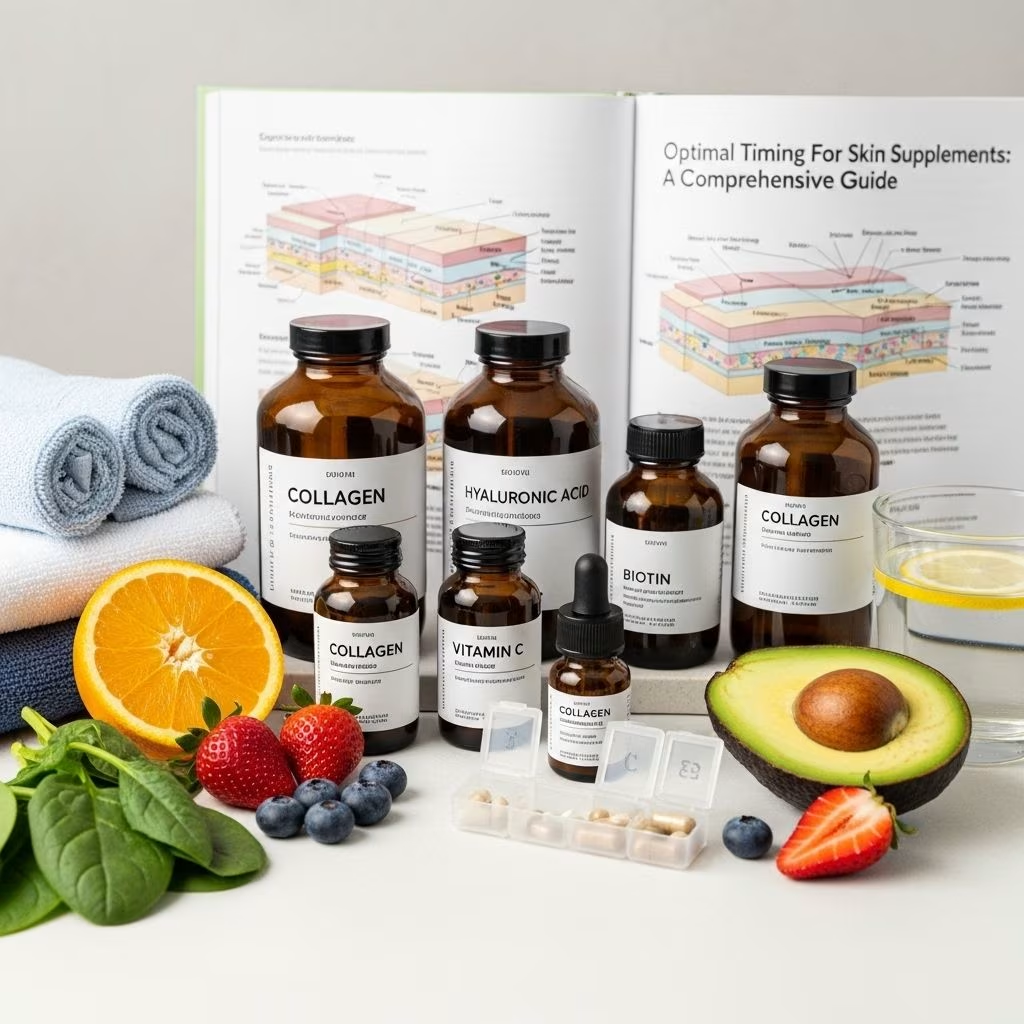
Optimal Timing for Skin Supplements: Maximizing Results and Absorption
Skin supplements have seen a surge in popularity, propelled by promises of youthful glow, enhanced elasticity, and overall skin vitality. However, scientific research and dermatologists agree: timing and absorption are critical factors influencing the efficacy of these supplements. This comprehensive guide unpacks when to take key skin supplements, how to avoid nutrient clashes, and practical tips for boosting results to put your best face forward.
Introduction
Skincare has transcended the bathroom shelf, making its way to pharmacy aisles and supplement counters. Today, oral supplements like collagen, glutathione, omega-3 fatty acids, vitamin C, and iron are widely touted for their skin-enhancing properties. But to truly harness their potential, it’s not just about what you take—it’s about when you take it and how well your body absorbs each nutrient. Research shows strategic timing can overcome absorption barriers, prevent nutrient competition, and improve visible results.
How Absorption Impacts Supplement Effectiveness
The journey from supplement to skin isn’t straightforward. After ingestion, nutrients must survive stomach acids, compete for absorption in the intestine, and navigate potential interactions with food, other supplements, or medications.
Factors affecting absorption include:
- The presence or absence of food
- The molecular form and size of the supplement
- Interactions with other nutrients or medications
- The individual’s digestive health, age, and metabolic rate
Some nutrients absorb best on an empty stomach, while others require fat, acid, or specific co-factors (like vitamin C for iron) for optimal uptake. Equally important, certain minerals and vitamins compete for the same cellular transporters, meaning taking them together can reduce total absorption.
Key Skin Supplements: Timing and Dosage
Let’s dive into evidence-based recommendations for the most popular skin supplements. Timing is tailored for each compound based on scientific studies, absorption mechanics, and clinical advice.
Collagen
| Benefit | Best Time to Take | Absorption Recommendation |
|---|---|---|
| Improved elasticity, hydration, reduced wrinkles | Morning (empty stomach) or post-workout | Take with water before breakfast or immediately after exercise for rapid uptake by skin fibroblasts |
Collagen supplements, particularly hydrolyzed peptides, absorb rapidly due to their low molecular weight. Morning administration or post-exercise maximizes their reparative and hydrating effects, as blood flow and nutrient delivery are heightened at these times .
Glutathione
- Benefit: Antioxidant, skin brightening, anti-aging
- Best time: First thing in the morning on an empty stomach
- Why: Absorbs better without competing nutrients and combats oxidative stress from environmental insults faced throughout the day
Omega-3 Fatty Acids
- Benefit: Maintains skin moisture barrier, reduces inflammation
- Best time: With a main meal containing healthy fats
- Why: Fatty meals increase absorption of omega-3s, ensuring availability for skin barrier repair
Vitamin C
- Benefit: Antioxidant, collagen synthesis, protection against environmental damage
- Best time: In the morning, ideally with breakfast
- Why: Helps neutralize oxidative stress through the day and boosts the absorption of iron when taken together
Iron
- Benefit: Supports blood flow and skin vitality, prevents dullness due to deficiency
- Best time: After a meal (never with calcium-rich foods or beverages)
- Why: Iron absorption increases with vitamin C but is decreased by calcium and teas; take iron with a vitamin C-rich food for best uptake
Other Key Nutrients
- Zinc: Take with a meal, avoid taking with iron, calcium, or magnesium to prevent absorption competition
- Biotin: Can be taken at any time; regular dosing is more critical than timing for benefits to nails and skin
- Vitamin A & E: Fat-soluble; take with a meal containing healthy fats for optimal absorption
Nutrient Interactions and Competition
Nutrient synergy and competition are crucial for supplement success. Several minerals and vitamins rely on shared absorption channels in the gut, leading to reduced efficacy if taken together. Here’s what research and experts recommend:
- Calcium, Iron, Magnesium, Zinc: Compete for absorption—space doses several hours apart to maximize uptake
- Iron blockers: Calcium, magnesium, tannins (found in tea and coffee) can reduce iron absorption. Avoid mixing these at the same meal
- If you are taking a thyroid hormone medication, avoid taking calcium, magnesium, or iron within two hours to prevent absorption inhibition
| Group | Interaction | Ideal Management |
|---|---|---|
| Iron + Calcium/Magnesium/Zinc | Compete for transporters | Take at least 2 hours apart |
| Vitamin C + Iron | Vitamin C boosts iron absorption | Take together with a meal |
| Omega-3 + Fatty Meal | Fat improves absorption | Take with lunch or dinner |
| Thyroid Medications + Minerals | Minerals inhibit medication absorption | Separate by 2+ hours |
Tips for Maximizing Results
- Read supplement labels for specific timing instructions and food interactions.
- Space supplements that compete for absorption throughout the day (e.g., iron in late morning, calcium in evening).
- Take fat-soluble vitamins (A, E, D, K, and omega-3) with meals containing healthy fats.
- Pair synergistic nutrients: Vitamin C with iron, vitamin E with selenium, and collagen with vitamin C.
- Hydrate adequately: Water facilitates supplement dissolution and cellular transport.
- Be consistent: Daily routine matters more than occasional shifts.
- Consult your healthcare provider before starting new supplements—especially if on prescribed medications.
Individual Considerations & Precautions
- Digestive health can impact absorption (low stomach acid, IBS, rapid transit, etc.).
- Age: Older adults may have reduced ability to assimilate micronutrients due to lower enzyme production and diminished gut function.
- Medication use: Some medications—especially antacids and antibiotics—can undermine nutrient uptake.
- Medical conditions: Conditions affecting the liver, kidneys, or skin may require adjusted supplementation.
- Safety: Excessive doses of fat-soluble vitamins or minerals can be toxic—never exceed recommended amounts without professional guidance.
Frequently Asked Questions (FAQs)
Q: Can I take all my skin supplements at once?
A: Not always. Some supplements compete for absorption (iron, calcium, magnesium, zinc), and others require food or specific timing. Spreading doses improves results and minimizes conflicts .
Q: Is it better to take skin supplements with meals or on an empty stomach?
A: It depends. Collagen, glutathione, and some antioxidants are best taken on an empty stomach, while fat-soluble vitamins and omega-3s absorb better with food containing fat . Always check labels and consult your provider.
Q: How long before I see results from skin supplements?
A: Visible improvements can take 4–12 weeks, depending on the supplement and individual factors. Collagen, vitamin C, and omega-3s typically produce noticeable benefits within 2–3 months when taken consistently .
Q: Are oral or topical supplements more effective?
A: Both have merit. Oral supplements often deliver widespread benefits by supporting internal repair and renewal. Topical forms target localized areas but may have limited penetration due to molecular size. For anti-aging and hydration, oral collagen shows strong results .
Q: Can supplements replace a healthy diet for skin?
A: No. Supplements work best alongside balanced nutrition rich in fruits, vegetables, lean protein, and healthy fats. Over-reliance may lead to imbalances or nutrient toxicity.
Conclusion
The timing of skin supplements is a scientifically validated strategy to bolster their efficacy and absorption. By tailoring intake—whether morning, night, with or without meals—and separating competing nutrients, you unlock maximum skin-enhancing potential. Pair these practices with a healthy lifestyle and medical guidance to enjoy lasting, radiant skin health.
References
- https://timesofindia.indiatimes.com/life-style/health-fitness/health-news/what-is-the-best-time-to-take-your-skincare-supplements/articleshow/120542216.cms
- https://pmc.ncbi.nlm.nih.gov/articles/PMC8824545/
- https://www.uhhospitals.org/blog/articles/2025/06/taking-supplements-watch-out-for-these-common-interactions
- https://pmc.ncbi.nlm.nih.gov/articles/PMC10820017/
- https://coopercomplete.com/blog/supplement-timing-impacts-absorption/
- https://www.health.harvard.edu/blog/considering-collagen-drinks-and-supplements-202304122911
- https://www.healthline.com/nutrition/best-time-to-take-vitamins


