


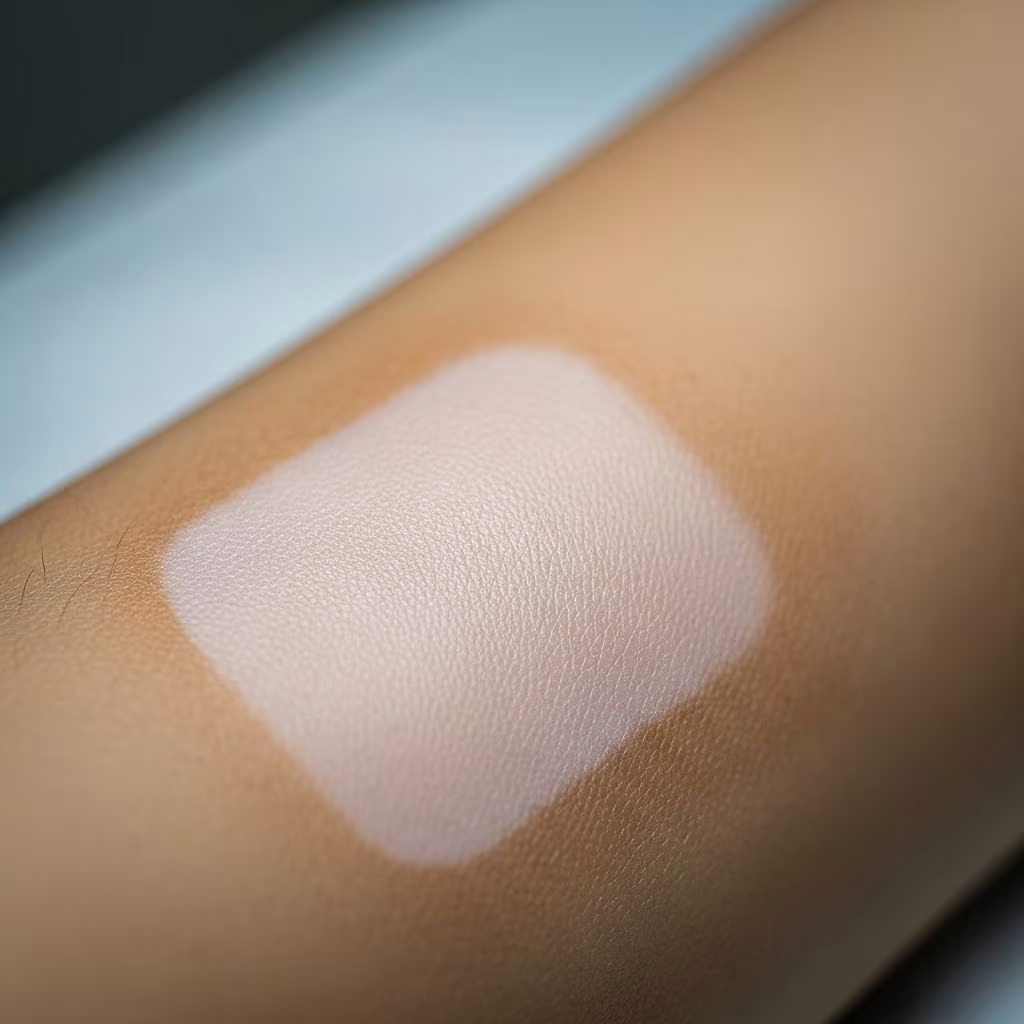
What is Hypopigmentation?
Hypopigmentation refers to a condition where the skin experiences a reduction in its natural pigmentation, resulting in lighter patches compared to the surrounding skin. This occurs due to damage or destruction of melanocytes, the cells responsible for melanin production. Melanin is the pigment that gives color to our skin, hair, and eyes. When melanocytes are compromised, the skin’s ability to produce melanin is impaired, leading to hypopigmentation.
Causes of Hypopigmentation After Laser Treatment
Hypopigmentation after laser treatments is generally caused by the damage to melanocytes during the procedure. Laser treatments, such as laser hair removal, laser tattoo removal, or skin resurfacing, use intense beams of light to target specific skin areas. While effective for various purposes, these treatments can lead to unwanted side effects, including hypopigmentation.
### Key Factors Contributing to Hypopigmentation:- High Laser Energy Settings: Using laser settings that are too high for the patient’s skin type can damage melanocytes, especially in individuals with darker skin tones.- Laser Wavelengths: Certain wavelengths, such as those used in Ruby or Alexandrite lasers, can be more risky for some skin types.- Tanning or Sun Damage: Skin that is tanned or has untreated sun damage before laser sessions is more susceptible to hypopigmentation.- Technician Error: Overtreatment or improper technique by the technician can lead to excessive damage.- Genetic Predisposition: Some individuals may have a genetic predisposition to pigmentary disorders, making them more susceptible to hypopigmentation.
Solutions for Hypopigmentation
Although hypopigmentation can be a challenging condition to treat, there are several strategies to manage and possibly reverse it:
### Treatment Options:- Topical Treatments: Creams or serums that stimulate melanin production may help gradually restore skin color.- Chemical Peels: Mild peels can help even out skin tone.- Laser Therapy: Fractional lasers can stimulate melanocyte recovery. However, this should be done under the guidance of a professional to avoid further damage.- Protective Measures: Avoiding excessive sun exposure and using sunscreen can prevent further pigmentation changes.
Preventing Hypopigmentation
Prevention is key when it comes to managing hypopigmentation. Here are some strategies to reduce the risk:
### Preventive Measures:- Proper Laser Settings: Ensure that laser settings are customized for your skin type.- Choose Experienced Clinicians: Work with professionals who have experience treating your skin type.- Avoid Tanning Before Treatment: Avoid tanning beds and limit sun exposure before undergoing laser treatments.- Follow Aftercare Instructions: Adhere to post-treatment care instructions to minimize risks.
Frequently Asked Questions (FAQs)
Q: Is Hypopigmentation Common After Laser Hair Removal?
A: While not as common as hyperpigmentation, hypopigmentation is a potential side effect, especially for those with darker skin tones. It affects a small percentage of patients and can be temporary or, in some cases, persistent.
Q: Can Hypopigmentation Be Permanent?
A: In some cases, hypopigmentation can be permanent if there is significant damage to melanocytes. However, many cases resolve over time with proper care and treatment.
Q: How Can I Prevent Hypopigmentation After Laser Treatment?
A: Prevention involves using proper laser settings, choosing experienced practitioners, avoiding tanning, and following post-treatment care instructions.
Q: Are There Any Genetic Factors That Contribute to Hypopigmentation?
A: Yes, individuals with genetic predispositions to pigmentary disorders may be more susceptible to hypopigmentation. Additionally, conditions like vitiligo can contribute to hypopigmentation.
Q: How Long Does Hypopigmentation Last?
A: The duration of hypopigmentation can vary. In some cases, it may resolve within weeks, while in others, it could persist for months or even years.
Q: Is Hypopigmentation Treatable?
A: Yes, hypopigmentation is treatable, but results can vary. Treatments may include topical creams, chemical peels, or certain laser therapies. It’s essential to consult with a professional for effective management.
References
- https://myethosspa.com/hypopigmentation-from-laser-hair-removal/
- https://essentialaesthetics.net/blog/hypopigmentation-after-laser/
- https://drsinyong.com/2021/11/18/laser-white-spots-hypopigmentation/
- https://www.ulike.com/blogs/news/hypopigmentation-ipl-burns
- https://thedermdigest.com/avoiding-and-treating-laser-induced-hypopigmentation/
- https://my.clevelandclinic.org/health/symptoms/23363-hypopigmentation
- https://pmc.ncbi.nlm.nih.gov/articles/PMC3764759/
- https://removery.com/blog/tattoo-removal-hypopigmentation-and-hyperpigmentation/
- https://www.ncbi.nlm.nih.gov/books/NBK532248/


