


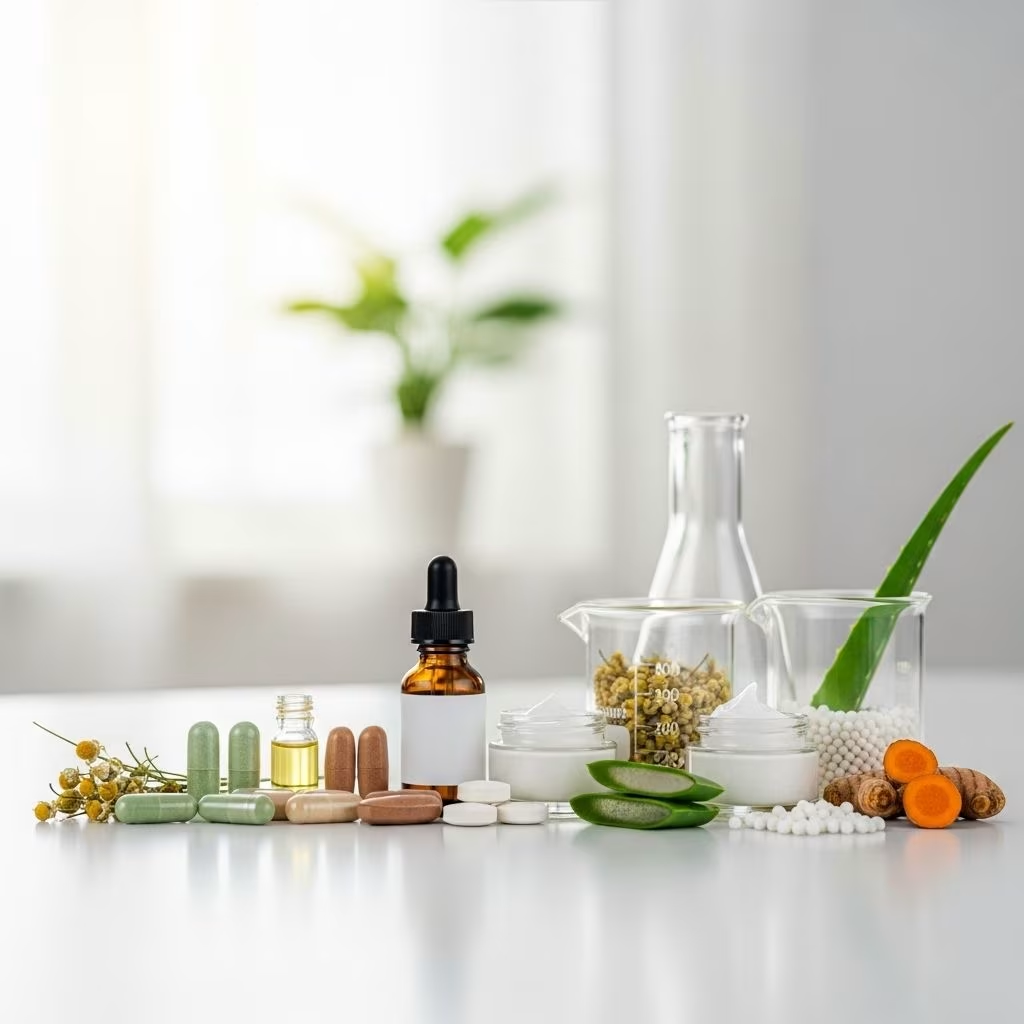
Perioral dermatitis is a frustrating skin condition that manifests as red, bumpy, and sometimes scaly patches around the mouth, nose, and occasionally the eyes. While conventional treatments often involve antibiotics or topical steroids, many individuals are turning to natural supplements and holistic approaches to address this condition from within. Understanding how specific supplements can support skin health, reduce inflammation, and restore balance to the body offers a promising pathway to lasting relief without the potential side effects of pharmaceutical interventions.
This comprehensive guide explores the most effective supplements for treating perioral dermatitis naturally, along with complementary lifestyle modifications that support skin healing. By addressing the root causes of this condition through nutritional support and barrier restoration, many people have found sustainable solutions that prevent recurrence and promote overall skin wellness.
Understanding Perioral Dermatitis and Its Root Causes
Before diving into supplement recommendations, it is essential to understand what triggers perioral dermatitis. This inflammatory skin condition typically appears as small red or pink bumps surrounding the mouth, creating a distinctive pattern that gives the condition its name. The exact cause remains somewhat unclear, but research suggests multiple contributing factors including compromised skin barrier function, microbial imbalances, hormonal fluctuations, and exposure to irritating substances.
One significant trigger involves the overuse of topical steroids, which can thin the skin and disrupt its natural protective mechanisms. Additionally, products containing sodium lauryl sulfate, fluoride, and synthetic fragrances have been implicated in triggering or worsening symptoms. The condition also appears connected to gut health imbalances, particularly following antibiotic use, and liver function stress. This connection between internal health and external skin manifestations explains why supplementation can be particularly effective—it addresses the condition from the inside out rather than merely masking symptoms.
Essential Supplements for Perioral Dermatitis
Zinc: The Cornerstone Mineral for Skin Health
Zinc stands out as one of the most crucial supplements for managing perioral dermatitis. This essential mineral plays multiple roles in skin health, including supporting immune function, reducing inflammation, and promoting tissue repair. Zinc gluconate supplements have shown particular promise for individuals seeking to avoid prescription medications while still achieving significant improvement in their symptoms.
The mineral works by regulating inflammatory responses in the skin and supporting the skin’s natural barrier function. Zinc deficiency has been associated with various dermatological conditions, and supplementation can help restore optimal levels. Many practitioners recommend starting with 15-30 mg of zinc daily, preferably in the form of zinc gluconate or zinc picolinate for better absorption. Taking zinc with food can help minimize potential stomach upset.
Beyond oral supplementation, topical zinc oxide creams have also demonstrated benefits for perioral dermatitis. These formulations provide a protective barrier while delivering anti-inflammatory benefits directly to affected areas. The dual approach of internal supplementation combined with topical application may offer enhanced results for stubborn cases.
Probiotics: Restoring Gut-Skin Balance
The gut-skin axis represents a critical connection in understanding and treating perioral dermatitis. Probiotics have become an essential component of natural treatment protocols, particularly for individuals who have taken broad-spectrum antibiotics or have a history of digestive issues. These beneficial bacteria help restore microbial balance throughout the body, including the skin microbiome.
Research indicates that gut bacteria imbalances can manifest as skin inflammation and contribute to conditions like perioral dermatitis. When the gut microbiome is disrupted, it can trigger inflammatory responses that affect skin health. High-quality probiotic supplements containing multiple strains of beneficial bacteria, particularly Lactobacillus and Bifidobacterium species, can help reestablish healthy microbial populations.
For optimal results, choose probiotic supplements with at least 10-50 billion CFUs (colony-forming units) and multiple strains. Taking probiotics consistently for at least 8-12 weeks allows sufficient time for gut flora restoration. Many individuals notice improvements in their perioral dermatitis within 4-6 weeks of starting probiotic supplementation as internal balance is gradually restored.
Omega-3 Fatty Acids: Anti-Inflammatory Powerhouses
Omega-3 fatty acids, particularly EPA and DHA found in fish oil supplements, provide powerful anti-inflammatory benefits that can significantly impact perioral dermatitis. These essential fats help modulate inflammatory pathways throughout the body, reducing the chronic inflammation that contributes to skin conditions. Incorporating foods rich in omega-3s like salmon, flaxseeds, and walnuts alongside supplementation creates a comprehensive anti-inflammatory approach.
Quality matters significantly with omega-3 supplements. Look for molecularly distilled fish oil products that have been tested for purity and heavy metal contamination. Typical therapeutic doses range from 1000-3000 mg of combined EPA and DHA daily. For vegetarians or vegans, algae-based omega-3 supplements provide an excellent alternative source of these crucial fatty acids.
The anti-inflammatory effects of omega-3s extend beyond skin health to support cardiovascular function, brain health, and overall wellness. This makes them a valuable addition to any natural treatment protocol, offering benefits that extend well beyond managing perioral dermatitis symptoms.
Vitamin D: The Sunshine Supplement
Vitamin D deficiency has been linked to various inflammatory skin conditions, and adequate levels are essential for proper immune function and skin health. This fat-soluble vitamin acts more like a hormone in the body, influencing numerous physiological processes including skin cell growth and repair. Many individuals, particularly those living in northern climates or spending limited time outdoors, may have suboptimal vitamin D levels.
Supplementation with vitamin D3 (cholecalciferol) can help restore adequate levels and support skin healing. The recommended dose varies based on individual needs, but many practitioners suggest 1000-4000 IU daily for adults. Having vitamin D levels tested through bloodwork allows for personalized dosing to achieve optimal ranges between 40-60 ng/mL.
Vitamin D works synergistically with other nutrients, particularly magnesium and vitamin K2, which help regulate calcium metabolism and ensure proper vitamin D utilization. Taking vitamin D with a meal containing healthy fats enhances absorption of this fat-soluble nutrient.
Niacinamide (Vitamin B3): Barrier Support and Inflammation Reduction
Niacinamide, also known as nicotinamide or vitamin B3, has emerged as a valuable supplement for skin conditions including perioral dermatitis. This water-soluble vitamin supports skin barrier function, reduces inflammation, and helps regulate sebum production. Unlike niacin (another form of vitamin B3), niacinamide does not cause flushing and is generally well-tolerated.
Research has demonstrated that niacinamide improves skin barrier integrity by increasing ceramide production, which helps prevent moisture loss and protects against external irritants. This barrier-strengthening effect is particularly relevant for perioral dermatitis, where compromised barrier function often contributes to symptom persistence. Typical supplemental doses range from 500-1500 mg daily, divided into multiple doses.
Topical niacinamide products can also complement oral supplementation, providing targeted benefits to affected areas. Many individuals use both approaches simultaneously for enhanced results, though it is advisable to introduce new treatments gradually to monitor individual responses.
Evening Primrose Oil: Hormonal Balance and Skin Support
Evening primrose oil contains gamma-linolenic acid (GLA), an omega-6 fatty acid with anti-inflammatory properties. This supplement has traditionally been used to support hormonal balance and skin health, making it particularly relevant for individuals whose perioral dermatitis fluctuates with hormonal cycles. GLA helps reduce inflammatory prostaglandins and supports healthy skin cell membranes.
Standard dosing for evening primrose oil typically ranges from 500-1500 mg daily, taken with meals to enhance absorption. The supplement may take several weeks to demonstrate noticeable effects, as it works gradually to influence inflammatory pathways and hormonal balance. Women who notice their perioral dermatitis worsens during specific phases of their menstrual cycle may find evening primrose oil particularly beneficial.
While generally safe, evening primrose oil may interact with certain medications, particularly blood thinners and anticonvulsants. Consulting with a healthcare provider before starting supplementation helps ensure safety and appropriateness for individual circumstances.
Vitamin C: Antioxidant Protection and Collagen Support
Vitamin C serves as a crucial antioxidant that protects skin cells from oxidative damage while supporting collagen synthesis and wound healing. This water-soluble vitamin helps strengthen the skin’s structure and supports immune function, both important factors in managing perioral dermatitis. Adequate vitamin C levels enable the body to repair damaged tissue more efficiently and maintain healthy skin integrity.
Supplemental doses of vitamin C typically range from 500-2000 mg daily, though individual needs vary. Dividing the dose throughout the day or choosing time-release formulations can improve absorption and reduce the likelihood of digestive upset that sometimes occurs with high-dose vitamin C. Buffered forms like calcium ascorbate or magnesium ascorbate may be gentler on sensitive stomachs.
Combining vitamin C supplementation with vitamin C-rich foods like citrus fruits, berries, bell peppers, and leafy greens creates a comprehensive approach to ensuring adequate intake. The synergy between dietary and supplemental sources provides broad-spectrum antioxidant protection.
Calcium: Supporting Skin Barrier Integrity
While often overlooked in discussions of skin health, calcium plays an important role in maintaining skin barrier function and regulating skin cell differentiation. This mineral is particularly concentrated in the outer layers of skin, where it helps maintain the structural integrity that prevents moisture loss and protects against external irritants. Adequate calcium levels support proper skin cell turnover and barrier restoration.
Most adults require 1000-1200 mg of calcium daily, though individual needs vary based on age, gender, and other factors. Calcium citrate and calcium carbonate represent common supplemental forms, with citrate generally offering better absorption, especially for individuals with lower stomach acid production. Taking calcium in divided doses throughout the day enhances absorption compared to single large doses.
Calcium works synergistically with vitamin D and magnesium, so these nutrients are often combined in comprehensive bone and skin health formulations. Ensuring adequate intake of all three minerals supports optimal calcium utilization and overall physiological function.
Complementary Natural Remedies and Topical Solutions
Essential Oils for Topical Application
While supplements address perioral dermatitis from within, certain essential oils provide complementary topical benefits. Tea tree oil stands out for its antimicrobial and anti-inflammatory properties, which can help reduce bacterial presence and soothe irritated skin. However, essential oils must always be properly diluted before application to avoid further irritation. Mixing 10-15 drops of tea tree oil with a carrier oil like coconut, jojoba, or almond oil creates a safe topical preparation.
Lavender oil offers additional calming properties that help reduce redness and promote skin healing. Neem oil, though less commonly used, possesses potent antimicrobial qualities that address potential bacterial contributions to perioral dermatitis. These oils should be tested on a small area first to ensure no adverse reactions occur before applying to larger affected regions.
The key to success with essential oils lies in proper dilution and consistent, gentle application. Overzealous use or inadequate dilution can exacerbate symptoms rather than improve them, so patience and careful attention to skin responses are essential.
Apple Cider Vinegar: Balancing Skin pH
Apple cider vinegar has gained popularity as a natural remedy for various skin conditions due to its anti-inflammatory and antibacterial properties. The acetic acid in apple cider vinegar helps restore the skin’s natural pH balance while eliminating harmful bacteria and toxins. Rich in vitamins and minerals, this natural tonic can help replenish skin vitality when used appropriately.
To use apple cider vinegar safely for perioral dermatitis, dilute it with water in a 1:3 ratio (one part vinegar to three parts water). Apply this mixture to affected areas for approximately 15 minutes before rinsing thoroughly with plain water. Starting with more diluted concentrations and gradually increasing strength as tolerance allows helps prevent irritation. Some individuals may find even diluted apple cider vinegar too harsh for their sensitive skin, so discontinue use if increased redness or burning occurs.
Aloe Vera: Nature’s Soothing Agent
Aloe vera gel provides exceptional anti-inflammatory and skin-soothing benefits that can offer immediate relief from the itching and irritation associated with perioral dermatitis. This natural compound helps calm inflamed skin, reduce redness, and provide a cooling sensation that eases discomfort. Pure aloe vera gel extracted directly from plant leaves offers the most potent benefits, though high-quality commercial preparations can also be effective.
Application is straightforward: simply apply aloe vera gel directly to affected areas, allow it to dry naturally, then rinse with lukewarm water. Using aloe vera two to three times daily can provide consistent relief and support skin healing. When selecting commercial aloe products, choose formulations with minimal additional ingredients to avoid potential irritants that might worsen symptoms.
Grapefruit Seed Extract: Natural Antimicrobial
Grapefruit seed extract functions as an effective natural antimicrobial agent that helps eliminate bacteria and toxins from the skin. This extract works both topically and internally to address potential infectious components that may contribute to perioral dermatitis. Its broad-spectrum antimicrobial properties target various microorganisms while being generally gentle on skin when properly diluted.
For topical use, grapefruit seed extract must be diluted with water or a carrier oil to prevent irritation. Internal use typically involves adding several drops to water or juice, though dosing should follow product-specific guidelines. The dual approach of internal and topical application may offer enhanced benefits by addressing bacterial imbalances from multiple angles.
Dietary Modifications to Support Supplement Therapy
Anti-Inflammatory Foods
Supplements work most effectively when combined with dietary modifications that support skin health and reduce systemic inflammation. Incorporating anti-inflammatory foods rich in antioxidants, omega-3 fatty acids, and phytonutrients creates a nutritional foundation for healing. Colorful fruits and vegetables provide diverse antioxidants that protect skin cells from oxidative damage, while fatty fish like salmon, mackerel, and sardines supply omega-3s that reduce inflammatory signaling.
Leafy green vegetables, berries, nuts, seeds, and whole grains contribute additional anti-inflammatory compounds and essential nutrients that support overall health. Turmeric and ginger offer particularly potent anti-inflammatory effects and can be easily incorporated into meals or consumed as teas. Creating meals centered around these healing foods while minimizing processed ingredients establishes an internal environment conducive to skin healing.
Hydration: The Foundation of Skin Health
Adequate hydration represents a fundamental yet often overlooked aspect of treating perioral dermatitis naturally. Water helps maintain skin moisture balance, supports detoxification processes, and ensures optimal nutrient delivery to skin cells. Drinking sufficient water throughout the day—typically 8-10 glasses for most adults—keeps skin hydrated from within while supporting the body’s natural elimination pathways.
Herbal teas can contribute to daily fluid intake while providing additional benefits. Chamomile, green tea, and rooibos offer antioxidants and anti-inflammatory compounds that complement supplement therapy. Limiting caffeine and alcohol, which can be dehydrating, helps maintain optimal hydration status and supports liver function.
Foods to Avoid
Certain foods may trigger or worsen perioral dermatitis symptoms in susceptible individuals. Common culprits include highly processed foods, refined sugars, and inflammatory oils like vegetable and corn oil. These foods promote inflammatory pathways in the body and may compromise gut health, potentially exacerbating skin conditions. Dairy products and gluten-containing grains trigger symptoms in some individuals, though responses vary widely.
Identifying personal food triggers often requires an elimination approach where potential problem foods are removed for several weeks then systematically reintroduced while monitoring skin responses. Keeping a food diary helps identify patterns between dietary intake and symptom fluctuations. Working with a qualified nutritionist can provide personalized guidance for optimizing diet to support skin health.
Lifestyle Modifications for Enhanced Healing
Simplifying Skincare Routines
One of the most crucial steps in treating perioral dermatitis naturally involves dramatically simplifying skincare routines. Many cases are perpetuated by well-intentioned but ultimately harmful product overuse. Stripping routines down to bare essentials—a gentle cleanser and simple moisturizer—gives skin the opportunity to heal without constant chemical exposure. Avoiding harsh exfoliants, clay masks, retinoids, acids, and occlusive balms allows the skin barrier to restore itself naturally.
Products should be free from sodium lauryl sulfate, synthetic fragrances, and other common irritants. Natural, minimally processed formulations with short ingredient lists typically cause fewer reactions than complex products laden with actives. This less-is-more approach may feel counterintuitive but often produces remarkable improvements within weeks as skin inflammation subsides.
Eliminating Environmental Triggers
Beyond skincare products, numerous environmental factors can trigger or perpetuate perioral dermatitis. Fluoride in toothpaste represents a common culprit, with many individuals experiencing significant improvement after switching to fluoride-free alternatives. Natural, powder-based toothpastes offer gentle oral care without potential irritants. Ensuring drinking water is fluoride-free, either through filtration or choosing fluoride-free water sources, provides additional protection.
Sodium lauryl sulfate and sodium laureth sulfate appear throughout personal care products including shampoos, body washes, and household cleaners. Diligently reading labels and selecting sulfate-free alternatives across all product categories removes a significant source of potential irritation. This comprehensive approach addresses exposures that extend beyond the face, supporting overall skin health.
Stress Management
Psychological stress exerts profound effects on skin health through multiple mechanisms including hormone release, immune modulation, and inflammation promotion. Managing stress through mindfulness practices, yoga, meditation, or other relaxation techniques supports skin healing while enhancing overall well-being. Chronic stress can overwhelm the body’s regulatory systems, manifesting as skin inflammation and impaired healing capacity.
Developing consistent stress management practices creates resilience against the skin-damaging effects of daily pressures. Even brief daily practices like deep breathing exercises, progressive muscle relaxation, or guided imagery can produce meaningful benefits. Prioritizing adequate sleep, maintaining social connections, and engaging in enjoyable activities all contribute to stress reduction and support the body’s healing processes.
Supporting Liver Health
The liver’s role in eliminating excess hormones, antibodies, and toxins directly impacts skin health. When liver function is compromised or overburdened, inflammation can manifest in various ways including perioral dermatitis. Supporting liver health through dietary modifications, adequate hydration, and potentially specific supplements like milk thistle or N-acetylcysteine helps optimize detoxification pathways.
Reducing alcohol consumption, limiting processed foods, and ensuring adequate intake of liver-supporting nutrients like B vitamins creates an internal environment where the liver can function optimally. Some practitioners recommend periodic gentle detoxification protocols, though these should be undertaken with professional guidance to ensure safety and effectiveness. Supporting liver function represents an often-overlooked aspect of natural perioral dermatitis treatment that can yield significant results.
Creating a Comprehensive Treatment Protocol
Successfully treating perioral dermatitis naturally requires a multifaceted approach that addresses the condition from multiple angles simultaneously. Begin by simplifying your skincare routine and eliminating common triggers like fluoride, sulfates, and synthetic fragrances. Simultaneously, introduce key supplements starting with probiotics and zinc, as these address fundamental imbalances that often underlie the condition.
Over subsequent weeks, add additional supplements like omega-3 fatty acids, vitamin D, and niacinamide based on individual needs and responses. Allow adequate time—typically 4-8 weeks—for each intervention to demonstrate effects before adding new elements. This gradual approach helps identify which components provide the most benefit while avoiding overwhelming the system with too many changes at once.
Complement supplementation with dietary modifications emphasizing anti-inflammatory foods, adequate hydration, and elimination of potential triggers. Incorporate stress management practices and ensure adequate sleep to support overall healing capacity. Track progress through photos and symptom journals to objectively assess improvements and identify patterns.
Patience remains essential throughout this process. While some individuals experience rapid improvement, others require several months of consistent implementation before seeing significant results. The natural approach addresses root causes rather than merely suppressing symptoms, which means lasting healing often takes longer but provides more sustainable outcomes without the side effects associated with pharmaceutical interventions.
Frequently Asked Questions
Q: How long does it take for supplements to improve perioral dermatitis?
A: Most individuals begin noticing improvements within 4-8 weeks of starting a comprehensive supplement protocol, though complete resolution may take 3-6 months. Consistency is crucial, as supplements work gradually to address underlying imbalances rather than providing immediate symptomatic relief.
Q: Can I take all these supplements together?
A: Generally, these supplements can be taken together, though it is wise to introduce them gradually rather than starting everything simultaneously. This approach helps identify which supplements provide the most benefit and reduces the risk of digestive upset. Consult with a healthcare provider to ensure no contraindications exist based on your individual health status and medications.
Q: Are there any side effects from these natural supplements?
A: Most supplements discussed are well-tolerated when taken at recommended doses. Potential mild side effects include digestive upset with zinc or probiotics during initial use, which typically resolves as the body adjusts. High doses of certain supplements like vitamin D or calcium require monitoring to avoid toxicity, making professional guidance valuable.
Q: Should I stop using all skincare products while treating perioral dermatitis?
A: Rather than eliminating all products, focus on simplifying to gentle, minimal-ingredient formulations free from common irritants. A basic gentle cleanser and simple moisturizer typically suffice during the healing phase. Once the condition resolves, you can gradually reintroduce additional products while monitoring for reactions.
Q: Will perioral dermatitis come back after stopping supplements?
A: If supplements successfully address underlying nutritional deficiencies or imbalances, the condition may not return after discontinuing supplementation, especially if dietary and lifestyle modifications are maintained. However, some individuals benefit from continued low-dose supplementation as maintenance therapy. The key lies in addressing root causes comprehensively rather than relying solely on supplements as a temporary fix.
Q: Can children take these supplements for perioral dermatitis?
A: While many supplements can be used in children, doses must be adjusted based on age and weight. Always consult with a pediatrician or qualified healthcare provider before giving supplements to children, as their nutritional needs and tolerances differ from adults. Professional guidance ensures safety and appropriate dosing.
Q: Is zinc better as a supplement or topical cream for perioral dermatitis?
A: Both approaches offer benefits, and using them together may provide enhanced results. Oral zinc supplementation addresses potential deficiency and supports overall skin health systemically, while topical zinc oxide cream provides localized anti-inflammatory and protective effects. The combination approach targets the condition from multiple angles for potentially faster improvement.
References
- https://www.medicinenet.com/what_kills_perioral_dermatitis/article.htm
- https://www.katesomerville.com/blogs/news/how-to-get-rid-of-perioral-dermatitis
- https://ghtkids.com/holistic-care/perioral-dermatitis-2/
- https://osmiaskincare.com/blogs/blog/perioral-dermatitis-treatment-natural
- https://www.yinyangdermatology.com/perioral-dermatitis-how-chinese-medicine-can-help/
- https://thenakedchemist.com/treatments-for-perioral-dermatitis/
- https://www.iherb.com/blog/perioral-dermatitis/1523
- https://us.amperna.com/blogs/news/perioral-dermatitis-dos-and-don-ts
- https://www.healthline.com/health/perioral-dermatitis
- https://lyonsleaf.co.uk/collections/zinc-creams-and-supplements-for-perioral-dermatitis


