


Table of Contents
Evening Primrose Oil for Cystic Acne: An Overview
What is Evening Primrose Oil?
Benefits of Evening Primrose Oil for Acne
How to Use Evening Primrose Oil for Acne
Dosage Guidelines for Maximum Effectiveness
Potential Side Effects and Considerations
Frequently Asked Questions
Evening Primrose Oil for Cystic Acne: An Overview
Cystic acne, a severe form of acne, can be challenging to manage due to its deep-seated nature and potential for scarring. Evening primrose oil (EPO) has been explored as a potential treatment for this condition due to its anti-inflammatory and hormone-balancing properties. Derived from the seeds of the evening primrose plant, EPO is rich in gamma-linolenic acid (GLA), an essential omega-6 fatty acid that plays a crucial role in regulating inflammation and hormone levels within the body.
What is Evening Primrose Oil?
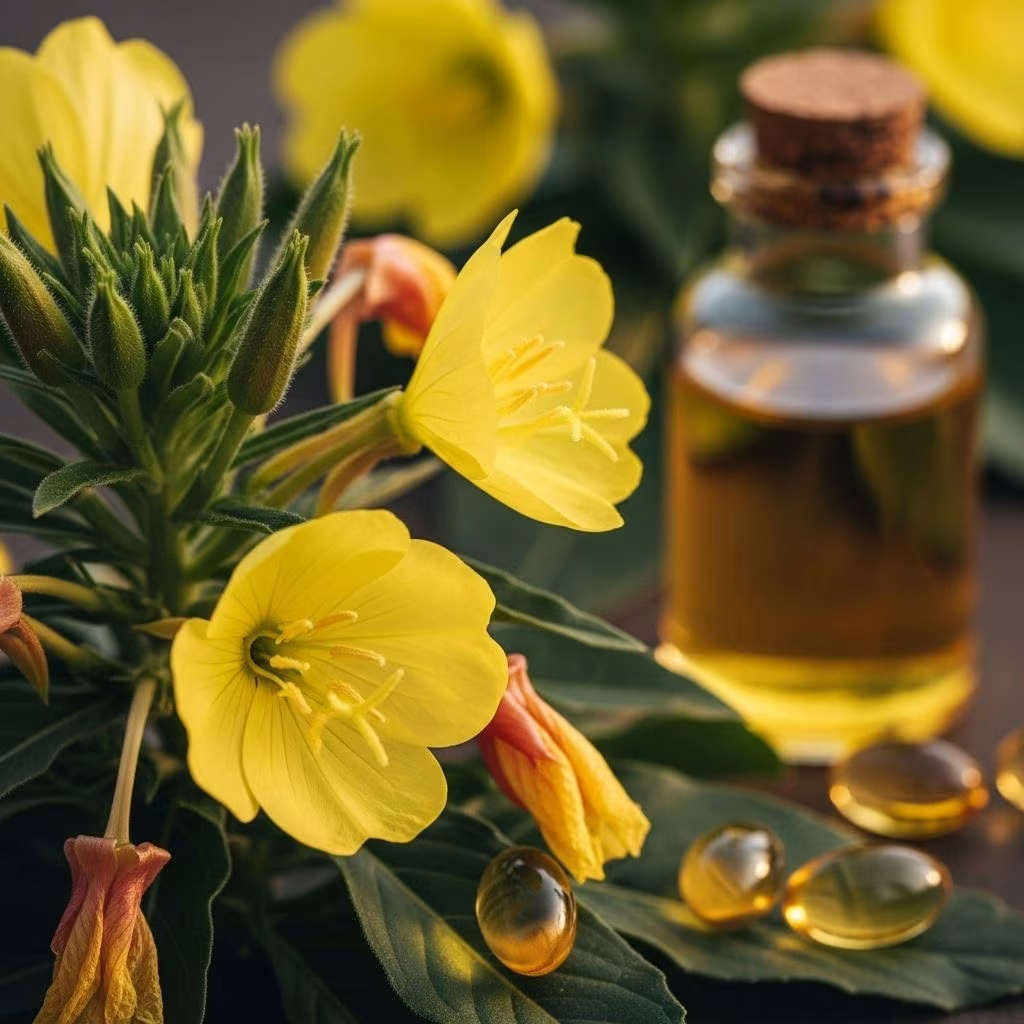
Evening primrose oil is extracted from the seeds of the *Oenothera biennis* plant, which is native to North America and parts of Europe. Traditionally, it has been used for its health benefits, particularly in supporting skin health and managing hormonal imbalances. The oil’s therapeutic properties are primarily attributed to its high content of GLA, which is converted into prostaglandins in the body. These prostaglandins help regulate hormones and reduce inflammation, making EPO a popular choice for addressing various health issues, including acne.
Benefits of Evening Primrose Oil for Acne
EPO offers several benefits for acne management, especially for cases linked to hormonal fluctuations:- Hormonal Balance Support: EPO aids in balancing hormone levels, which can mitigate the acne often associated with menstrual cycles or menopause. By stabilizing estrogen and testosterone levels, it helps reduce the excessive sebum production that leads to acne breakouts. – Anti-Inflammatory Effects: The GLA in EPO possesses potent anti-inflammatory properties, which help soothe and calm inflamed skin. This reduces the appearance of acne and alleviates discomfort associated with redness and swelling.- Regulation of Sebum Production: By modulating sebum production, EPO helps prevent the clogging of pores, a primary cause of acne. This regulation is particularly beneficial for individuals with oily skin prone to acne.- Skin Barrier Enhancement: EPO enhances the skin’s barrier function, improving its ability to retain moisture and protect against environmental stressors. This results in more resilient skin better equipped to fight acne and recover from breakouts.- Reduction of Hyperpigmentation: Post-acne hyperpigmentation can be distressing. EPO can aid in reducing these dark spots, helping to even out skin tone and texture.
How to Use Evening Primrose Oil for Acne
EPO can be used both orally and topically for acne management:- Oral Supplements: Taking EPO in capsule form is recommended for systemic benefits. Aim for capsules containing 500-1000 mg of EPO per serving to achieve optimal therapeutic effects. It is advisable to start taking these supplements 2 weeks before menstruation to allow the body to build up beneficial levels of GLA and prostaglandins.- Topical Application: For immediate localized relief, a few drops of EPO can be applied directly to acne spots. This method may help reduce inflammation and heal the skin more quickly.
Dosage Guidelines for Maximum Effectiveness
To maximize the benefits of EPO for cystic acne, follow these dosage guidelines:- Daily Dosage: Aim for a daily dosage of 500-1000 mg (approximately 2-4 capsules of 250 mg each) divided into two servings: morning and evening. – Duration: Consistency is key. Give EPO at least 3 months to see noticeable improvements in hormonal acne.- Timing: Start taking EPO supplements two weeks before your menstrual cycle to prepare your body for the hormonal fluctuations that may exacerbate acne.
Here is a summary of the dosage guidelines in a table format:
| Dosage Element | Recommendation ||—————-|—————-|| Daily Dosage | 500-1000 mg || Timing | Start 2 weeks before menstruation || Frequency | Twice daily (morning and evening) || Duration | At least 3 months |
Potential Side Effects and Considerations
While EPO is generally safe for most people, some potential side effects and considerations include:- Mild Side Effects: Stomach upset is a common side effect, but it is usually mild. – Interactions: EPO may interact with certain medications, such as blood thinners, so consult a healthcare provider before use.- Pregnancy and Breastfeeding: There is limited research on its safety during pregnancy or breastfeeding, so consulting a healthcare provider is advisable.
Frequently Asked Questions
Q: What is the primary active ingredient in evening primrose oil?
A: The primary active ingredient is gamma-linolenic acid (GLA), an omega-6 fatty acid.
Q: How does evening primrose oil help with acne?
A: It helps by regulating hormone levels and reducing inflammation, which can minimize sebum production and acne breakouts.
Q: Can I use evening primrose oil during pregnancy or breastfeeding?
A: It is recommended to consult a healthcare provider before using EPO during pregnancy or breastfeeding, as there is limited research on its safety during these periods.
Q: Are there any potential interactions with other medications?
A: Yes, EPO may interact with certain medications, such as blood thinners, so it is important to consult with a healthcare provider before starting supplementation.
Q: How long does it take to see results from using evening primrose oil for acne?
A: Consistent use for at least 3 months is recommended to see noticeable improvements in acne symptoms.
References
- https://www.frwrdskincare.com/blogs/our-blogs/evening-primrose-oil-for-hormonal-acne-relief
- https://www.healthline.com/health/beauty-skin-care/evening-primrose-oil-acne
- https://www.medicalnewstoday.com/articles/evening-primrose-oil-does-it-help-acne
- https://banish.com/blogs/article/evening-primrose-oil-for-acne
- https://www.webmd.com/vitamins-supplements/ingredientmono-1006-evening-primrose-oil.aspx
- https://us.myprotein.com/thezone/supplements/uses-of-evening-primrose-oil-benefits-side-effects-dosage/
- https://pmc.ncbi.nlm.nih.gov/articles/PMC9002552/
- https://www.healthline.com/health/evening-primrose-oil


