


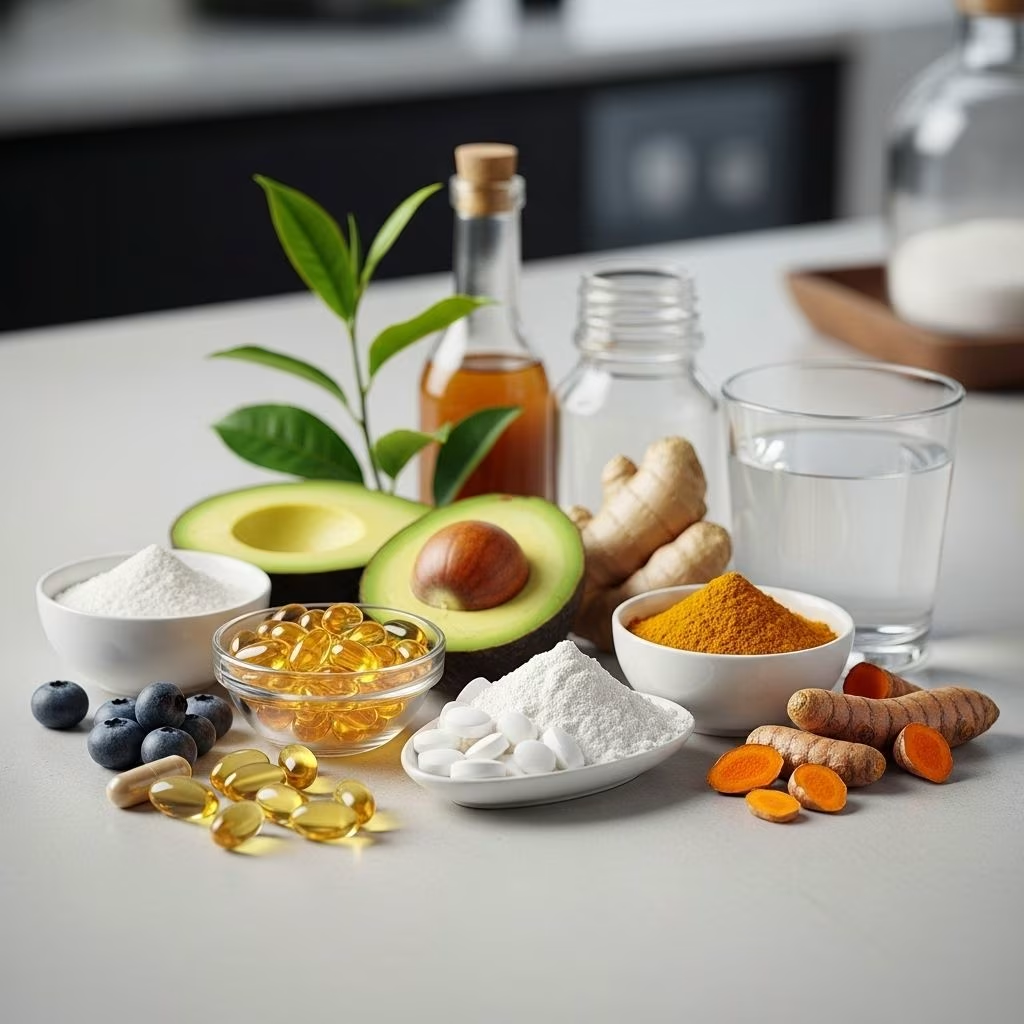
Supplements to Reduce Facial Erythema and Flushed Skin
Facial erythema—persistent or episodic redness of the face—and flushed skin are common concerns, particularly among individuals with sensitive skin, rosacea, or other inflammatory skin conditions. While topical and oral medications are often prescribed, there is growing interest in supplements and natural remedies that may help manage these symptoms. This article provides a comprehensive, evidence-based overview of supplements that may reduce facial erythema and flushing, their mechanisms of action, safety, and practical considerations for use.
Understanding Facial Erythema and Flushed Skin
Facial erythema is the visible redness caused by increased blood flow to the skin. Flushing, often triggered by environmental factors, stress, or certain foods and beverages, may occur as isolated episodes or as a persistent feature in conditions like rosacea. The pathophysiology involves inflammation, neurovascular dysregulation, and changes in skin barrier function.
Common Causes and Triggers
- Rosacea (a chronic inflammatory condition)
- Sun exposure and environmental irritants
- Spicy foods, alcohol, hot beverages
- Stress and emotional factors
- Topical irritants and harsh skincare products
Supplements for Facial Erythema and Flushing
Scientific research and clinical experience suggest several supplements may help alleviate facial redness and flushing. Below, we review the most promising options and the evidence behind their use.
Hydroxocobalamin (Vitamin B12)
Hydroxocobalamin, a form of vitamin B12, has been investigated as a potential treatment for facial erythema, especially in rosacea. A small case series found that intramuscular hydroxocobalamin injections led to rapid (within 30–50 minutes) and noticeable reduction in facial redness, with effects lasting 2–6 days. The proposed mechanism involves scavenging nitric oxide (NO), a molecule implicated in vasodilation and flushing. Hydroxocobalamin is generally considered safe, but its long-term efficacy, optimal dose, and the potential benefits of oral supplementation require further research.
Vitamin C
Vitamin C is a potent antioxidant with anti-inflammatory properties. A placebo-controlled clinical trial reported that a 5% vitamin C cream improved facial redness in rosacea patients. Oral supplementation with vitamin C (200 mg), combined with zinc (10 mg), selenium (100 mcg), and rutin (400 mg), also showed greater reductions in facial redness and fewer recurrences compared to standard therapy alone. Topical and oral vitamin C may support skin health by strengthening capillaries and reducing inflammation.
Zinc
Zinc plays a crucial role in skin repair and immune function. While evidence for oral zinc is mixed, topical zinc sulfate may be effective for mild rosacea-related erythema. Zinc’s anti-inflammatory and wound-healing properties make it a candidate for managing skin redness.
Omega-3 Fatty Acids
Omega-3 fatty acids, found in fish oil and certain plant sources, are converted into anti-inflammatory compounds in the body. EPA and DHA, in particular, may help reduce skin inflammation and swelling. Omega-3 supplements have shown promise in managing ocular rosacea and dry eye symptoms, which often accompany facial redness. However, recent research highlights potential cardiovascular side effects, so consultation with a healthcare provider is advised before starting supplementation.
Nicotinamide (Vitamin B3)
Topical nicotinamide improves skin barrier function and reduces inflammation, redness, and papules in rosacea. While most studies focus on topical formulations, oral nicotinamide may also offer benefits, though more research is needed specifically for facial erythema.
Melatonin
Melatonin, known for regulating sleep, also has antioxidant and anti-inflammatory properties. Early research suggests it may help reduce skin sensitivity and redness, but clinical evidence specific to facial erythema is limited.
Other Supplements and Natural Remedies
- Silymarin (Milk Thistle): Topical creams containing silymarin, especially when combined with methylsulfonylmethane (MSM), improved facial redness, itching, and skin hydration in rosacea patients.
- Gamma-Linolenic Acid (GLA): Found in evening primrose and borage oils, GLA may reduce inflammation and improve skin health, especially when combined with vitamin E.
- Licorice Extract: Known for its anti-inflammatory and antimicrobial properties, licorice may benefit those with rosacea, particularly if associated with digestive issues.
- Green Tea Extract: Rich in polyphenols, green tea may help reduce inflammation and oxidative stress in the skin.
- MSM (Methylsulfonylmethane): Used topically with silymarin, MSM has shown promise in reducing redness and skin irritation.
Vitamin K
Topical vitamin K has been effective in rapidly reducing flushing in steroid-induced rosacea, but its role in other types of facial erythema is less clear.
Essential Oils
Certain essential oils, such as tea tree and chamomile, are included in some skincare products for their soothing effects. However, essential oils can be irritating for sensitive skin, so caution is advised.
Comparison Table: Key Supplements for Facial Erythema
| Supplement | Mechanism | Evidence Level | Form | Potential Side Effects |
|---|---|---|---|---|
| Hydroxocobalamin | NO scavenger, vasodilation modulation | Emerging (small studies) | Injectable, oral | Generally safe |
| Vitamin C | Antioxidant, anti-inflammatory | Moderate (clinical studies) | Topical, oral | Well tolerated |
| Zinc | Anti-inflammatory, skin repair | Moderate (topical) | Topical, oral | GI upset (oral) |
| Omega-3 | Anti-inflammatory | Moderate (ocular rosacea) | Oral | Possible CV effects |
| Nicotinamide | Improves skin barrier, anti-inflammatory | Moderate (topical) | Topical, oral | Well tolerated |
| Melatonin | Antioxidant, anti-inflammatory | Limited | Oral, topical | Drowsiness |
| Silymarin+MSM | Anti-inflammatory, antioxidant | Moderate (topical) | Topical | Generally safe |
| GLA | Anti-inflammatory | Emerging | Oral | Generally safe |
| Licorice | Anti-inflammatory, antimicrobial | Emerging | Oral, topical | Hypertension (high doses) |
| Green Tea | Antioxidant | Emerging | Oral, topical | Irritation (topical) |
Potential Risks and Considerations
- High-dose vitamin B6 and B12 supplements have been linked to rosacea fulminans or pyoderma faciale, although this is rare and primarily associated with excessive intake.
- Excess vitamin A can cause nausea, vomiting, and diarrhea; while retinoids may help redness, they are not FDA-approved for rosacea and require medical supervision.
- Fish oil (omega-3) supplements may have cardiovascular side effects; consult your physician before use, especially if you have underlying heart conditions.
- Essential oils can irritate sensitive skin; always patch test and dilute before use.
Lifestyle and Complementary Strategies
In addition to supplements, several lifestyle modifications can help manage facial erythema and flushing:
- Avoid known triggers (spicy foods, alcohol, hot beverages, extreme temperatures)
- Use gentle, fragrance-free skincare products
- Apply broad-spectrum sunscreen daily
- Manage stress through mindfulness, yoga, or other relaxation techniques
- Maintain a healthy diet rich in antioxidants and anti-inflammatory foods
Frequently Asked Questions (FAQs)
Can supplements completely cure facial erythema or rosacea?
No, supplements may help manage symptoms and reduce the frequency and severity of facial redness, but they are not a cure. A comprehensive approach, including medical treatments and lifestyle changes, is usually necessary.
How long does it take for supplements to reduce facial redness?
Response times vary. Some supplements, like intramuscular hydroxocobalamin, may produce effects within hours, while others (e.g., omega-3s, zinc) may require weeks to months of consistent use to see improvement.
Are there any side effects to using supplements for facial redness?
Most supplements are well tolerated when used as directed, but side effects can occur, especially with high doses or in sensitive individuals. Always consult a healthcare provider before starting new supplements.
Can I use multiple supplements at once?
Combining supplements may enhance benefits, but it also increases the risk of side effects and interactions. Discuss your regimen with a healthcare professional.
Are natural remedies like aloe vera or chamomile effective for facial redness?
Aloe vera and chamomile can soothe irritated skin and may provide temporary relief, but there is limited clinical evidence that they significantly reduce persistent facial erythema.
Conclusion
Supplements and natural remedies offer promising options for managing facial erythema and flushing, particularly for those with sensitive skin or rosacea. Hydroxocobalamin, vitamin C, zinc, omega-3 fatty acids, nicotinamide, and herbal extracts like silymarin and licorice have shown varying degrees of benefit in clinical research. However, evidence is often limited, and individual responses may vary. Always consult a dermatologist or healthcare provider before starting supplementation, especially if you have underlying health conditions or are taking other medications. A holistic approach—combining evidence-based supplements, medical treatments, and lifestyle modifications—offers the best chance for clearer, calmer skin.
Key Takeaways
- Hydroxocobalamin (vitamin B12) may rapidly reduce facial erythema in rosacea, but more research is needed.
- Vitamin C, zinc, and omega-3 fatty acids have anti-inflammatory and antioxidant properties that may benefit red, sensitive skin.
- Topical formulations (silymarin, MSM, vitamin K) and herbal remedies (licorice, green tea) may also help, but evidence is limited.
- Supplements are not a substitute for medical treatment but can be part of a comprehensive skin care plan.
- Always consult a healthcare provider before starting new supplements, especially if you have other health concerns.
References
- https://pmc.ncbi.nlm.nih.gov/articles/PMC9239126/
- https://www.lifeextension.com/protocols/skin-nails-hair/rosacea
- https://www.rosacea.org/blog/2024/july/vitamins-and-minerals-may-play-role-in-rosacea-therapy
- https://www.medicalnewstoday.com/articles/supplements-for-rosacea
- https://jddonline.com/rosacea-resource-center-supplements/
- https://www.healthline.com/health/rosacea-natural-treatments
- https://rosadyn.com
- https://www.skinbetter.com/skin-concern/skin-concern/redness-+-sensitivity/
- https://theordinary.com/en-us/category/skincare/concern/reduce-redness


