


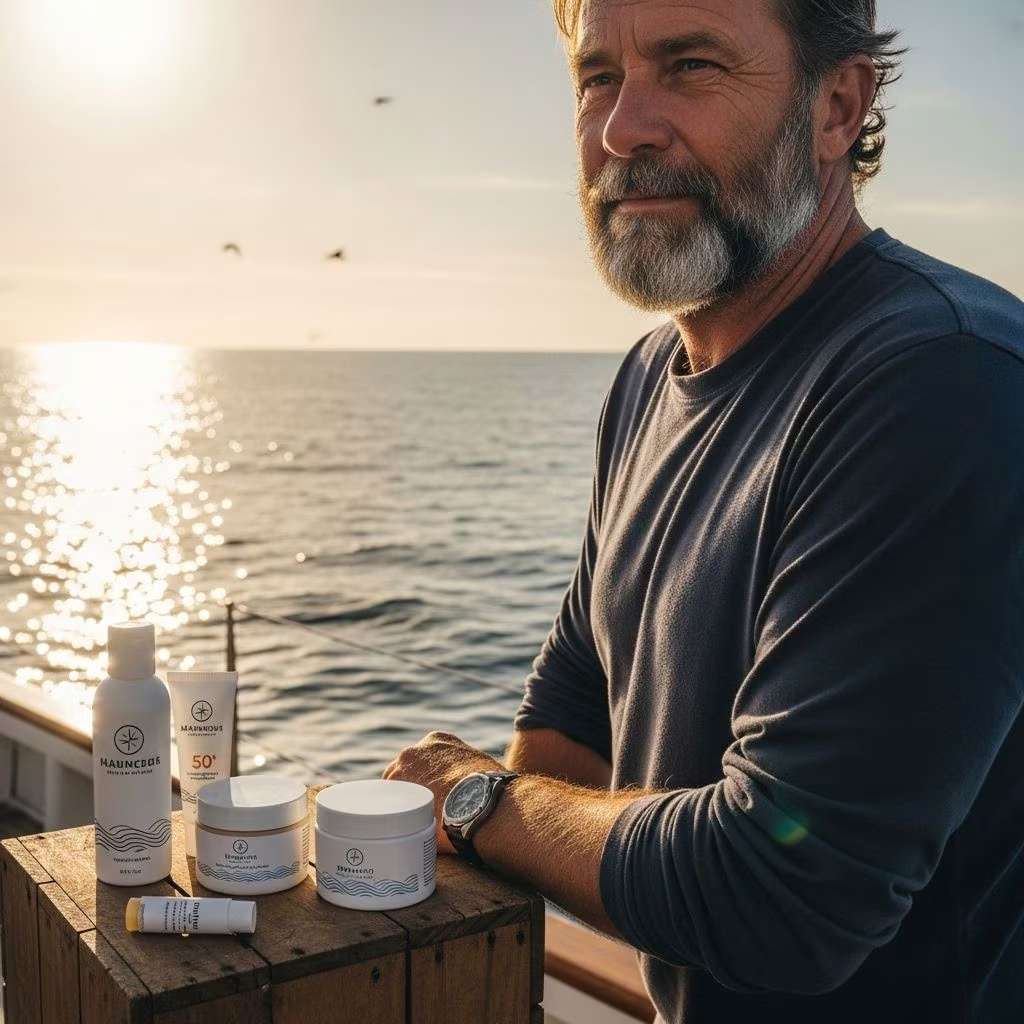
Sailing and life on the water offer excitement, freedom, and breathtaking views, but they also present unique challenges for your skin. Exposure to intense UV radiation, salty air, and relentless wind can lead to dryness, irritation, premature aging, and increased risk of skin cancer. A robust mariner skincare routine is not just essential for aesthetics—it’s crucial for health and long-term resilience.
Unique Skincare Challenges at Sea
Mariners encounter extreme and persistent environmental stresses that accelerate skin damage. Understanding these threats is the first step toward effective protection:
- Saltwater Exposure: Salt draws moisture out of the skin, leading to dryness and irritation. After repeated contact, salty air and spray can erode the skin’s natural barrier, exacerbating dehydration and sensitivity.
- Wind: High winds strip protective oils from the surface of the skin, aggravating dryness, causing redness, and intensifying the sensation of tightness. Wind-chapped skin can become inflamed or cracked if not addressed appropriately.
- Intense UV Radiation: Water acts as a mirror, intensifying the sun’s rays. UV exposure on the water can be more than twice as strong due to reflection, significantly increasing the risk of sunburn, skin cancer, and accelerated aging. UVB burns and UVA penetrates deeper, breaking down collagen and triggering pigmentation issues.
Additional factors include:
- Humidity fluctuations—shifting conditions often leave skin prone to both dryness and oiliness.
- Frequent rinsing or showering—mariners may over-wash due to salt and sweat, potentially removing protective oils and exacerbating irritation.
- Environmental pollutants—engine fumes and air contaminants can add oxidative stress.
Protective Strategies: Shielding Your Skin
Proactive measures are essential for mariners who spend prolonged periods on the water.
Sunscreen: The Ultimate Defense Against UV
- Use a broad-spectrum, water-resistant sunscreen with SPF 30–50+. Mineral filters like zinc oxide and titanium dioxide are preferred for their physical barrier effect and reduced irritation.
- Apply a thick, even layer 15–30 minutes before sun exposure. Reapply every two hours, and immediately after swimming or heavy sweating.
- Check labels for extreme water resistance (up to 80 minutes), antioxidant ingredients, and rapid drying properties—key features for sailors.
- Pay special attention to the face, ears, neck, back of hands, and lips. Lip balms with SPF are non-negotiable, as lips are highly vulnerable to burning.
Protective Clothing & Accessories
- Choose UPF-rated clothing designed for sailing—long sleeves, collars, and leggings. Fabrics rated UPF 30+ block most harmful rays.
- Wear wide-brimmed hats or caps with neck flap extensions. Sunglasses with UV protection shield the delicate under-eye area and reduce squint-induced wrinkles.
- Gloves can protect hands from sunspots and roughening due to salt and rope work.
Hydration & Restoration: Preventing Dehydration
Maintaining internal and external hydration is vital for skin health at sea.
Internal Hydration
- Drink plenty of water throughout the day. Dehydration diminishes skin elasticity, slows cell repair, and increases vulnerability to damage.
- Consider electrolyte solutions during long or intense days on deck.
External Moisturization
- Use a hydrating moisturizer after cleansing, formulated with humectants like hyaluronic acid, glycerin, Aloe vera, or marine glycoproteins.
- Apply moisturizer immediately after bathing to lock in water.
- For wind-burned, irritated skin, opt for products containing calendula, chamomile, or oat extract for their soothing properties.
Barrier Repair
- Look for creams with ceramides, fatty acids, or squalane to restore the skin’s lipid barrier.
- Apply occlusive balms (like petroleum jelly or lanolin) sparingly on cracked or sensitive areas to prevent further moisture loss.
Choosing Skincare Products for Mariners
What to Look For
| Product Type | Key Features | Recommended Ingredients |
|---|---|---|
| Sunscreen | SPF 30–50+, water-resistant, mineral filters, antioxidants, rapid drying | Zinc oxide, titanium dioxide, vitamin C, vitamin E, green tea, ferulic acid |
| Moisturizer | Hydrating, non-comedogenic, barrier repair, anti-inflammatory | Hyaluronic acid, glycerin, ceramides, chamomile, calendula |
| Cleansers | Gentle, non-stripping, sulfate-free | Aloe vera, oat, marine glycoproteins |
| After-sun care | Cooling, soothing, rehydrating | Aloe vera, allantoin, panthenol, niacinamide |
| Lip care | SPF, occlusive, non-fragrant | Zinc oxide, lanolin, shea butter |
Ingredients to Avoid
- Harsh exfoliants (such as abrasive scrubs or chemical peels) can worsen sensitivity and leave skin vulnerable to further damage if not used cautiously.
- Products with alcohol, strong fragrances, or artificial colors may unnecessarily irritate wind-chapped or sun-stressed skin.
- Heavy oils and occlusive creams that feel greasy may be uncomfortable in humid, salty environments.
Step-by-Step Routine: Morning & Night
Morning Routine
- Cleanse: Gently wash your face and exposed skin with a non-stripping, hydrating cleanser to remove salt residue and prepare for protection.
- Moisturize: Apply a lightweight, hydrating moisturizer with barrier-repair ingredients.
- Sunscreen: Use a broad-spectrum, mineral sunscreen. Don’t forget ears, hands, and lips.
- Protective Accessories: Put on UPF-rated clothing, hat, and sunglasses.
- Hydrate: Begin drinking water; set reminders for regular intake.
During the Day
- Reapply sunscreen every two hours, or after swimming.
- Spray facial mist with antioxidants or mineral water for instant relief from dryness.
- Lip balm with SPF every few hours.
Night Routine
- Cleanse: Remove all product, salt, and pollutants with a gentle cleanser.
- Moisturize: Use thicker creams overnight to support repair and hydration.
- Treat: Spot treat wind burns and sunburns with soothing after-sun gels (aloe vera, panthenol, niacinamide).
- Antioxidant Serum (optional): Apply sparingly. Vitamin C and E help repair oxidative damage.
Post-Sailing Skin Recovery
Restoration is critical after days spent on the water.
- Begin with a gently hydrating cleanser to remove lingering salt, sunscreen, and environmental residue. Avoid rough towels; pat skin dry.
- Apply generous amounts of moisturizer or recovery balm rich in ceramides, hyaluronic acid, and soothing botanicals.
- Avoid hot showers or harsh soaps, which further strip oils.
- Consider soothing masks (gel, cotton, or cream-based) for targeted replenishment, especially after intense exposure.
- Monitor for signs of ongoing irritation (redness, persistent dryness, flakiness) and consult a dermatologist if symptoms persist.
Special Considerations: Sensitive Areas & Long Voyages
Targeted Care for Sensitive Areas
- Lips: Use lip balms with broad-spectrum SPF and reapply every 1–2 hours. Choose non-flavored, fragrance-free options to avoid further irritation.
- Under-eyes & ears: Delicate skin in these areas requires extra sun protection and hydration. Consider zinc-based stick sunscreens for targeted defense.
- Hands & feet: Frequent contact with rope, salt, and water demands protective gloves and hydrating balms.
Adapting for Extended Voyages
- Bring travel-sized products for portability and speed during unpredictable weather or routine changes.
- Pack extra moisturizers and recovery balms for emergencies or excessive sun exposure.
- Prepare for unique issues such as blistering, chafing, or salt sores with multi-use ointments and sterile dressings.
Frequently Asked Questions
Q: Why is sunscreen so important for sailors?
Sunscreen protects against both burning (UVB) and aging (UVA) rays, which are intensified by water reflection, putting sailors at higher risk for skin cancer, sunburn, and premature aging.
Q: How often should sunscreen be reapplied at sea?
Every 2 hours, or immediately after swimming, sweating, or towel-drying. Even water-resistant formulations need renewal, especially in harsh maritime conditions.
Q: Can I use the same skincare routine at sea as on land?
No. Mariners should opt for highly protective, hydrating formulas, avoiding harsh exfoliants, strong fragrances, and products that don’t withstand salt and wind exposure.
Q: What ingredients help repair wind and sun damage?
Look for antioxidants (vitamin C, E, green tea), soothing agents (aloe, calendula, chamomile), and barrier repair compounds (ceramides, squalane).
Q: I find scrubs helpful; is exfoliation safe for sailors?
Sailors should exfoliate very gently, no more than once a week, using mild formulas to avoid aggravating already compromised skin.
Q: What should I do after a long day on the water?
Gently cleanse, apply soothing moisturizers or after-sun balms, hydrate internally, and avoid hot showers or rough towels to promote recovery and limit irritation.
Conclusion
Healthy, resilient skin is critical for mariners navigating the challenges of salt, wind, and extreme UV exposure. Through diligent sun protection, regular hydration, targeted aftercare, and smart product choices, sailors can defend their skin against the elements and preserve vitality for years of adventure. Every voyage begins with preparation—and your skincare routine should be no exception.
References
- https://www.ussailing.org/news/skin-care-for-sailors/
- https://tharosbrand.com/blogs/news/sailors-skincare-navigating-the-seas-with-radiant-skin
- https://www.marinskincare.com/collections/all
- https://www.mariniskinsolutions.com/skin-care-management-system-2.html
- https://www.youtube.com/watch?v=Wx_hFdHYzns
- https://saltair.com/blogs/the-splash/body-skincare-routine
- https://vitamagazine.com/2024/06/13/the-skincare-routine-every-surfer-should-follow-must-know-tips-for-sun-salt-surf-protection/
- https://www.myboatlife.com/2024/08/protecting-your-skin-for-a-day-on-the-water.html


