


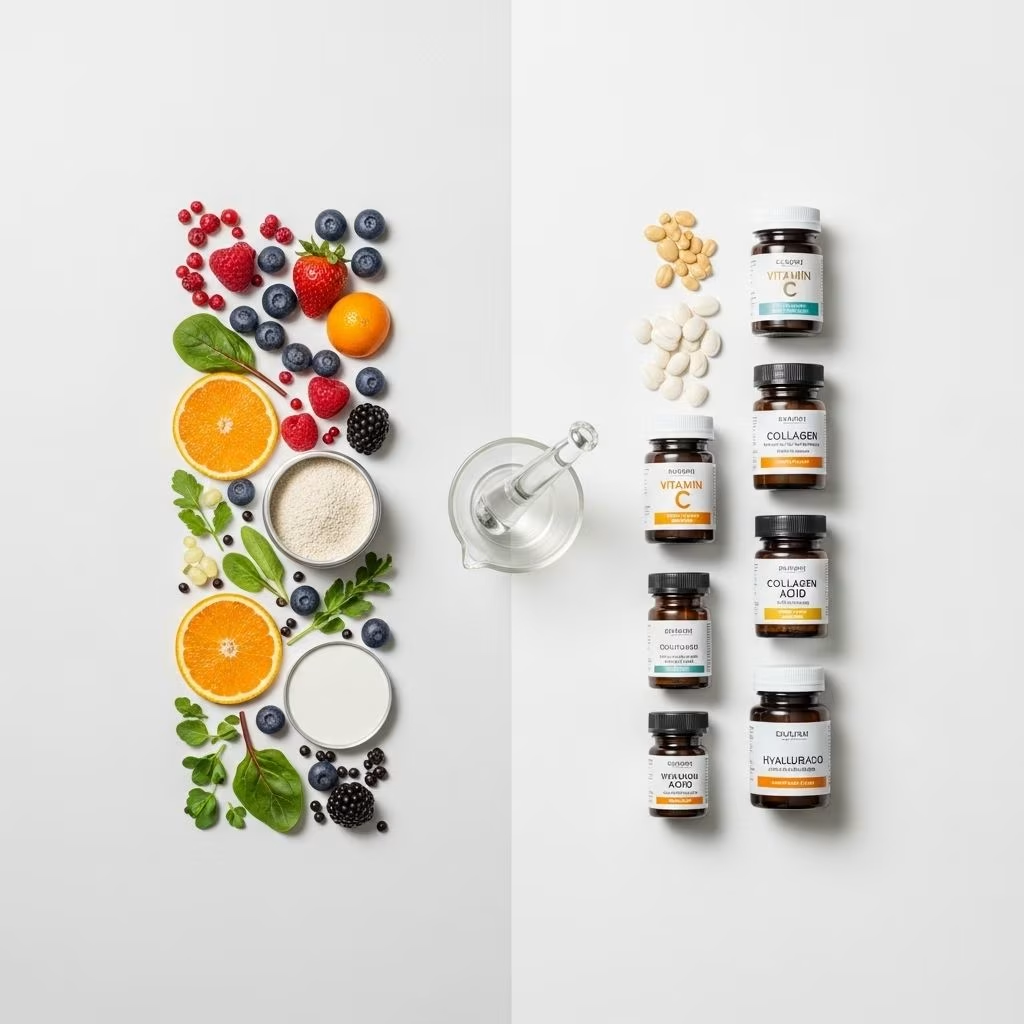
Introduction
In the quest for radiant, youthful skin, dietary supplements have taken center stage. With a bewildering array of options, choosing the right supplement can feel overwhelming. The central dilemma: Should you opt for all-in-one skin powders that blend collagen, vitamins, minerals, and botanicals, or go with individual supplements tailored to your specific needs? This review covers the latest research, consumer trends, scientific evidence, and expert advice to help you make an informed choice.
What Are All-in-One Skin Powders?
All-in-one skin powders, often called multi-ingredient or combination powders, are dietary supplements designed to support skin health by delivering a broad spectrum of nutrients in a single serving. These typically include collagen (hydrolyzed for better absorption), hyaluronic acid, vitamins (like C, E, and biotin), minerals (like zinc and selenium), and sometimes plant extracts or antioxidants (green tea, turmeric, etc.). The goal is to provide an easy, convenient way to consume the key nutrients needed for healthy skin, hair, and nails.
These powders are usually mixed into water, smoothies, or other beverages, offering a quick and efficient nutrient boost. They are particularly popular among busy professionals, frequent travelers, or anyone looking for a simplified supplement routine.
What Are Individual Supplements?
Individual supplements, as the name suggests, are single-nutrient products, such as collagen peptides in powder or capsule form, vitamin C tablets, zinc capsules, or specialized powders like hyaluronic acid or biotin. Each supplement is targeted at a specific deficiency or goal, providing a higher, often clinically effective, dose of a single active ingredient.
This approach allows for a more personalized supplementation regimen. For example, someone with a proven collagen deficiency might take 10–20 grams of collagen peptides daily, while another person targeting oxidative stress might focus on high-dose vitamin C and E supplements.
Benefits of All-in-One Skin Powders
- Simplicity and Convenience: All-in-one powders eliminate the need to juggle multiple bottles, making daily supplementation hassle-free and easy to remember.
- Synergistic Blends: Many brands formulate their powders to enhance nutrient absorption and efficacy. For example, combining vitamin C with collagen can boost collagen synthesis, while zinc with vitamin E may enhance antioxidant effects.
- Comprehensive Coverage: These powders often include a broader range of nutrients in amounts that, while not always therapeutic, provide a solid daily baseline for skin health.
- Travel-Friendly: Easy to pack and use on the go, all-in-one powders are a favorite among travelers or those with busy lifestyles.
- Cost-Effective for Beginners: For those new to supplements, multi-ingredient powders can offer good value and a gentler introduction to supplementation.
Drawbacks of All-in-One Skin Powders
- Less Personalization: Multi-ingredient powders offer a one-size-fits-all formula, which may not address individual deficiencies or needs as precisely as targeted supplements.
- Potentially Lower Doses: Because they contain multiple ingredients, the dose of each individual nutrient is often lower than what you would get from a single supplement, which may limit their effectiveness for those with higher requirements.
- Risk of Overlap or Redundancy: If you already get certain nutrients from your diet or other supplements, an all-in-one powder may lead to unnecessary over-supplementation or nutrient imbalance.
- Unwanted Additives: Some powders may include fillers, flavors, or sweeteners not found in single-ingredient supplements.
- Bioavailability Uncertainty: The body’s ability to absorb and utilize each nutrient can vary depending on the powder’s formulation and ingredient interactions.
Benefits of Individual Supplements
- Personalization and Flexibility: You have full control over your regimen, selecting and dosing each supplement based on your unique needs, lab results, and health goals.
- Higher, Targeted Doses: Individual supplements allow you to achieve clinically significant doses of specific nutrients, which may be necessary for treating deficiencies or achieving therapeutic effects.
- Easier to Track: It’s simpler to monitor the effects of each supplement when taken individually, making it easier to identify what works and what doesn’t.
- No Redundancy: Avoids the risk of overlapping with nutrients already consumed in sufficient amounts from diet or other supplements.
- Focus on Specific Concerns: For targeted skin issues—like sagging, wrinkles, or loss of elasticity—high-dose collagen peptides or specific vitamins can be more effective.
Drawbacks of Individual Supplements
- Complexity and Time-Consuming: Managing multiple bottles, remembering to take each supplement, and keeping track of doses can be overwhelming, especially for busy individuals.
- Higher Cost: Purchasing each supplement separately can be more expensive than a single all-in-one product, especially if you require a broad array of nutrients.
- Potential for Over-Supplementation: Without careful planning, it’s possible to exceed safe levels of certain nutrients, especially fat-soluble vitamins or minerals.
- Compliance Challenges: The more complex the regimen, the harder it is to stick with it consistently over time.
- Interaction Risks: Some nutrients can interfere with the absorption or efficacy of others, requiring careful scheduling and knowledge.
All-in-One vs. Individual Supplements: Direct Comparison
| Feature | All-in-One Skin Powders | Individual Supplements |
|---|---|---|
| Convenience | High—single serving, easy to use, travel-friendly | Low—requires managing multiple products and doses |
| Personalization | Low—fixed formula, less adaptable | High—fully customizable based on individual needs |
| Dosage Control | Moderate—standardized, may not be therapeutic for all | High—precise, adjustable, can target deficiencies |
| Cost | Often lower for broad-spectrum coverage | Can be higher, especially for multiple products |
| Compliance | Easier to maintain due to simplicity | More challenging, especially with complex routines |
| Risk of Overlap | Potential if using other multi-products | Lower, as each supplement is chosen deliberately |
| Bioavailability | Depends on formulation; some synergies possible | High for well-formulated single ingredients |
Expert Recommendations
Dermatologists, nutritionists, and supplement experts generally agree that the best choice depends on your lifestyle, health status, and specific skin concerns. Here’s a synthesis of expert advice:
- For General Skin Support and Simplicity: All-in-one powders are an excellent starting point. They’re ideal for those who want an easy, consistent way to support skin health without a complicated routine.
- For Targeted Skin Issues or Deficiencies: Individual supplements may be more effective, especially if you need higher or specific doses of collagen, vitamins, or minerals, or if you have unique dietary restrictions.
- For Biohackers and Personalization Enthusiasts: Building your own regimen with single-ingredient supplements allows for fine-tuning based on blood tests, dermatologist recommendations, and personal goals.
- For Travelers and Busy Professionals: Powders offer portability and ease, reducing the risk of missed doses.
Specific Examples
- Collagen: If your primary goal is to improve skin elasticity or joint health, collagen powders often deliver a much higher dose per serving than capsules—up to 10 grams or more, versus 1–2 grams per capsule, which may require taking several pills to match one scoop of powder.
- Vitamins and Minerals: If you’re deficient in vitamin D or zinc, a targeted supplement will provide a therapeutic dose far beyond what most multi-powders contain.
- Combination Products: Some combination powders are now leveraging AI and clinical studies to deliver higher, clinically relevant doses of key ingredients (e.g., 5,000 mg collagen per serving), rivaling what you might get from individual supplements.
Who Should Choose Which?
- Choose All-in-One Skin Powders If:
- You want a simple, no-fuss routine.
- You’re new to supplementation and want a balanced start.
- You travel frequently and need something easy to pack.
- You’re not targeting a specific deficiency but want general skin, hair, and nail support.
- Choose Individual Supplements If:
- You have a diagnosed deficiency or specific skin concern (e.g., collagen loss, vitamin D deficiency).
- You want precise control over dosages based on lab results or professional advice.
- You’re already taking other supplements and want to avoid overlap.
- You’re a supplement-savvy consumer comfortable managing a more complex regimen.
Frequently Asked Questions (FAQs)
Q: Are all-in-one skin powders as effective as individual supplements for skin health?
All-in-one powders can be effective for general skin support, but may not provide therapeutic doses of specific nutrients needed for targeted concerns. Individual supplements allow for higher, more precise dosing, which can be more effective for specific deficiencies or goals.
Q: Which form of collagen is better for skin: powder or capsule?
Collagen powder typically provides higher doses per serving (5–20 grams) compared to capsules (1–2 grams per capsule), making it more effective for visible skin, hair, and joint benefits if consumed consistently at adequate doses. Capsules are convenient and tasteless but may require taking several to match one scoop of powder.
Q: Can you take both all-in-one powders and individual supplements together?
Yes, but with caution. Check labels to avoid nutrient overlap, especially with fat-soluble vitamins (A, D, E, K) and minerals like zinc or selenium. Consult a healthcare provider before combining multiple supplements to prevent over-supplementation.
Q: How long does it take to see results from skin supplements?
Results vary, but improvements in skin hydration, elasticity, and radiance can often be seen within 4–12 weeks, especially with high-quality collagen and antioxidant supplements, assuming consistent daily use.
Q: Are there risks to taking too many skin supplements?
Yes, over-supplementation can lead to toxicity, nutrient imbalances, and unwanted side effects. Fat-soluble vitamins and certain minerals are particularly risky at high doses. Always follow recommended dosages and consult a healthcare provider if unsure.
Conclusion
The debate between all-in-one skin powders and individual supplements ultimately hinges on personal needs and lifestyle. All-in-one powders deliver convenience, simplicity, and broad-spectrum support—ideal for general maintenance and busy schedules. Individual supplements offer customized, targeted dosing—preferable for addressing specific deficiencies or achieving therapeutic effects.
Regardless of your choice, quality matters. Opt for well-formulated, third-party tested products with transparent labels. For best results, consider starting with a high-quality all-in-one powder to cover the basics, and supplement with individual products under professional guidance as needed. Consistency is key: whichever format you choose, daily use over weeks to months is necessary for visible, lasting benefits.
References
- https://zesenty.com/all-in-one-vs-single-supplements-what-works-best-for-you/
- https://goldmanlaboratories.com/blogs/blog/collagen-powder-vs-pills-pros-and-cons-explained-1
- https://goldmanlaboratories.com/blogs/blog/collagen-capsules-vs-powder-which-is-better-for-you
- https://www.mdhair.co/article/collagen-supplements-capsules-vs-powder
- https://cbsupplements.com/cc/collagen-powder-vs-pills/
- https://rarebynature.com/blogs/info/what-s-better-combination-or-single-ingredient-supplements
- https://www.renewskinco.com/blogs/i/collagen-pills-vs-powder
- https://drinkharlo.com/blogs/articles/choosing-between-collagen-formats-powder-vs-capsules-compared
- https://reillybeatty.com/liquid-vs-powdered-collagen-supplements/
- https://letsliveitup.com/blogs/supergreens/greens-powders-vs-multivitamins


